



Religious Merchandise & Safety Concerns Drive Market Shifts in Holy Land Tourism & Faith-Based Products
- April 2025 escalation in Jerusalem violence signals emerging demand for protective religious apparel, pilgrimage insurance products, and faith-community support merchandise across cross-border platforms
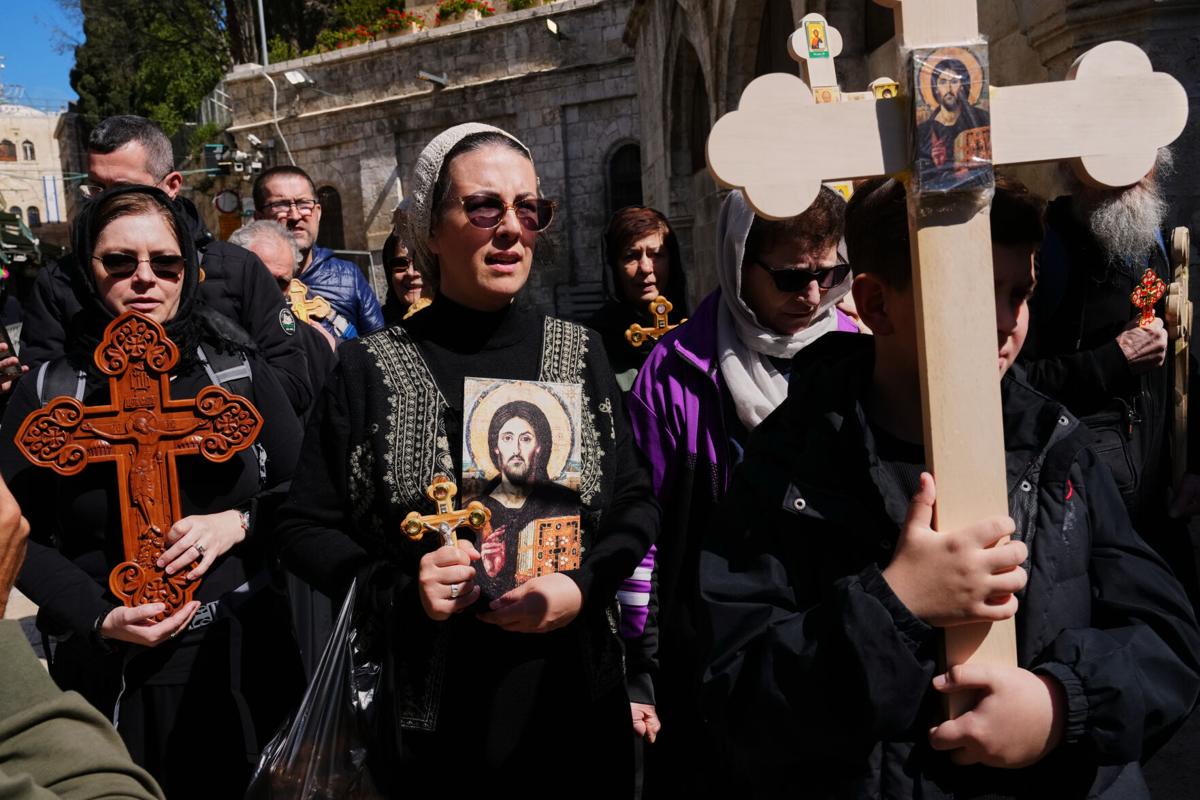
















Overview
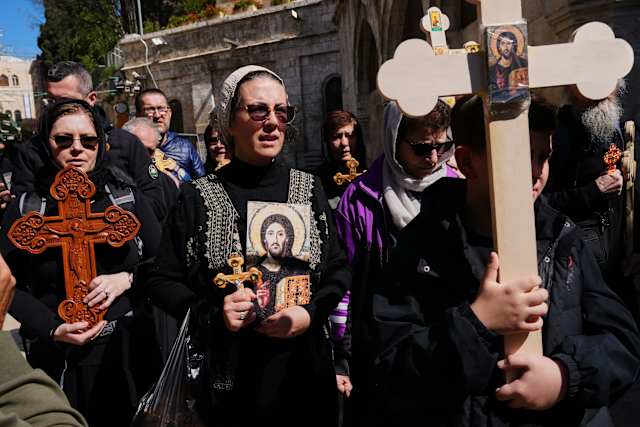
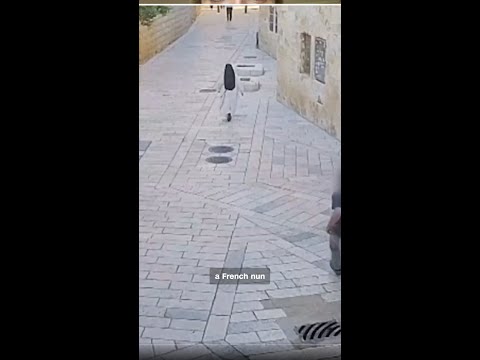
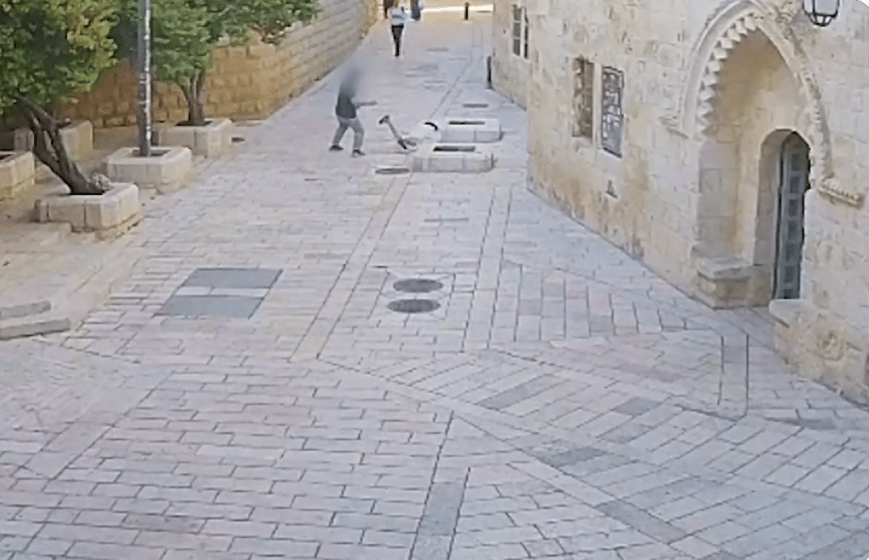
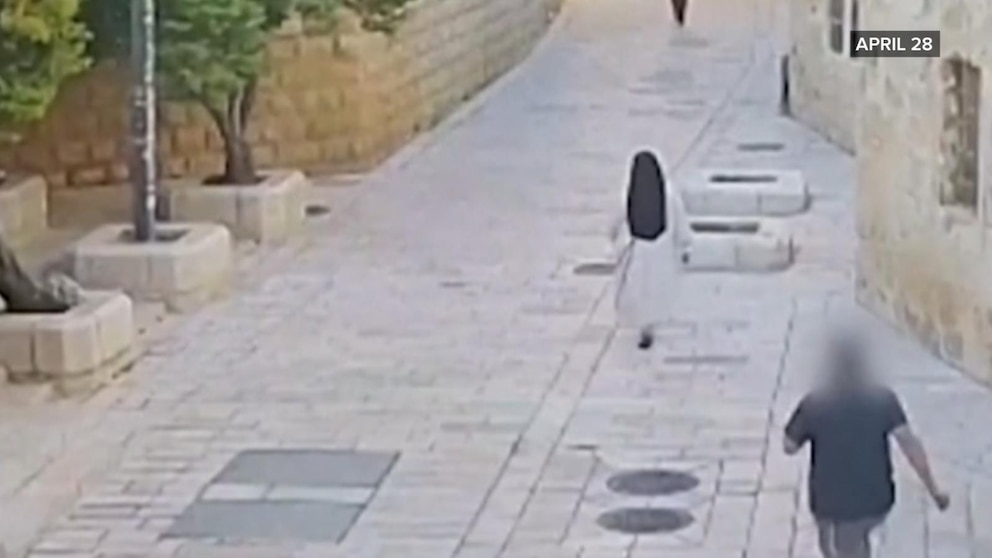
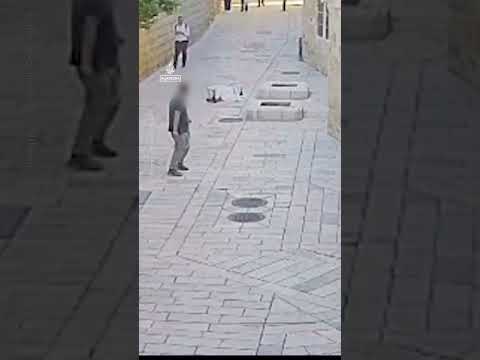
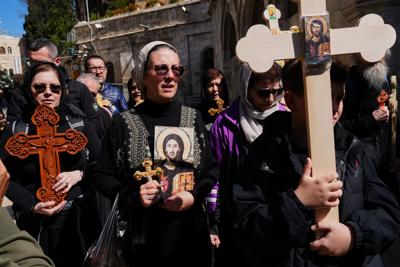
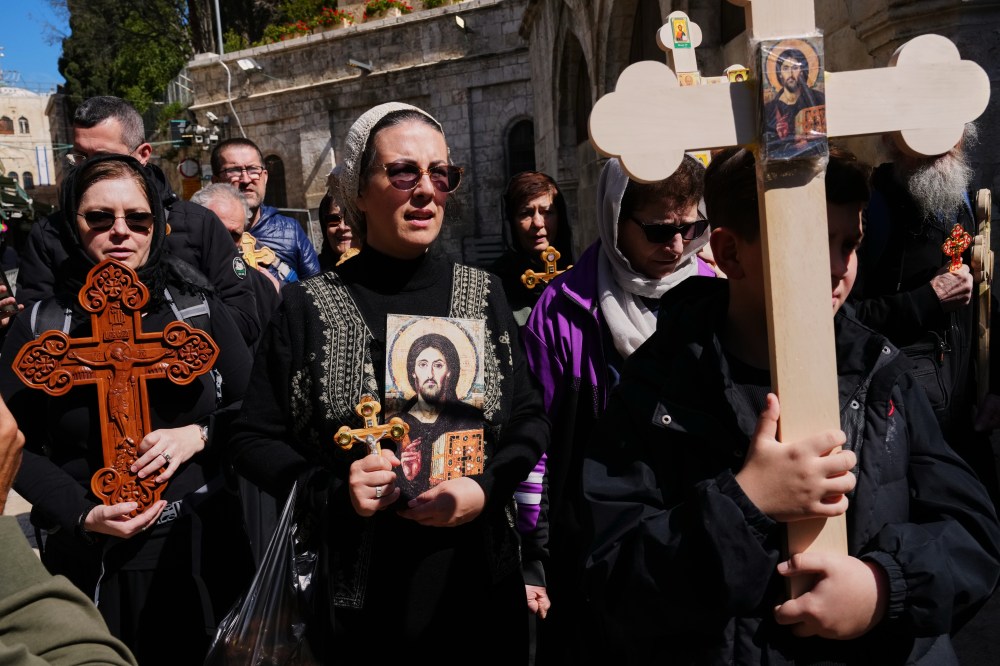
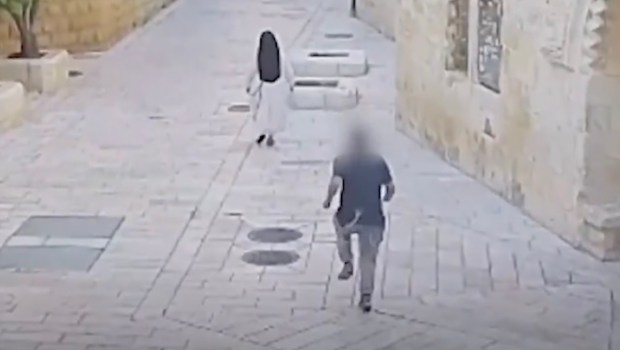
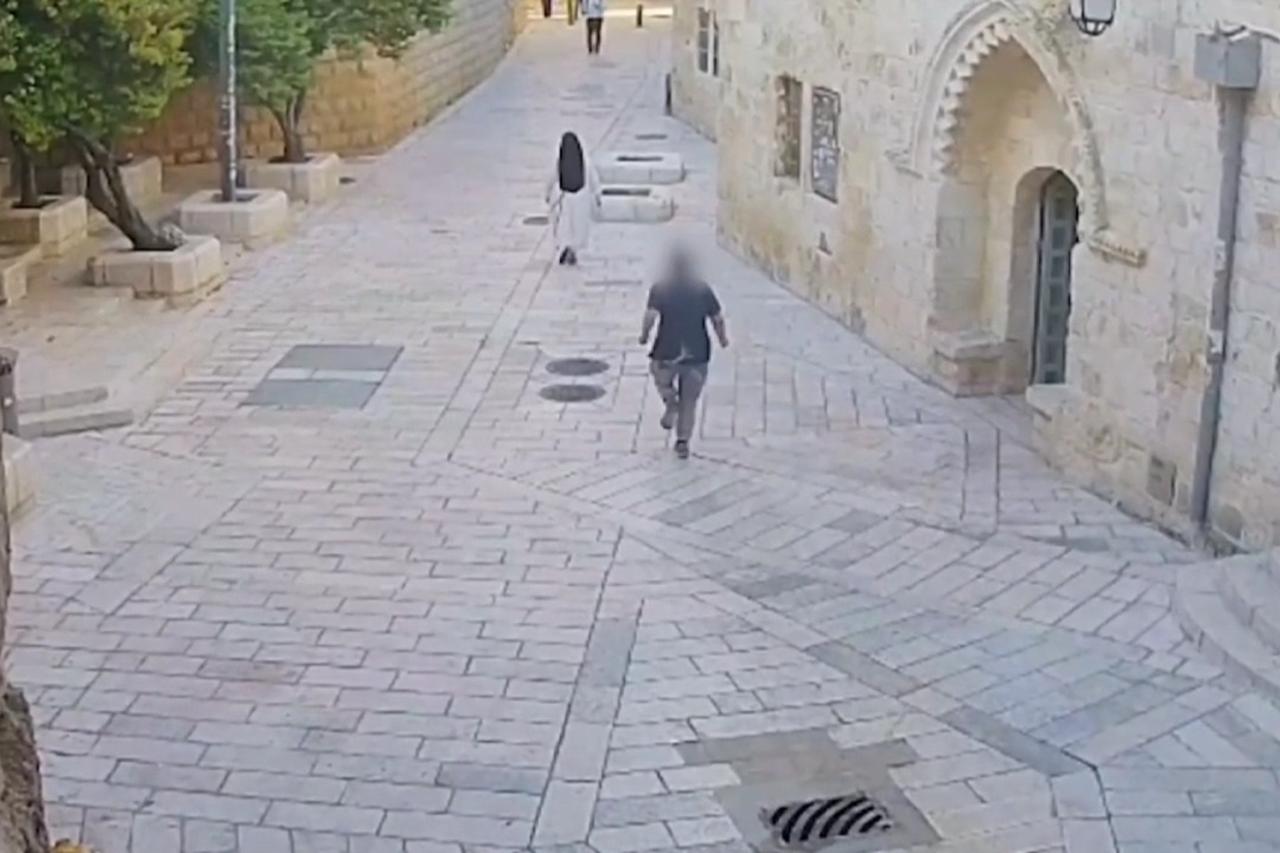
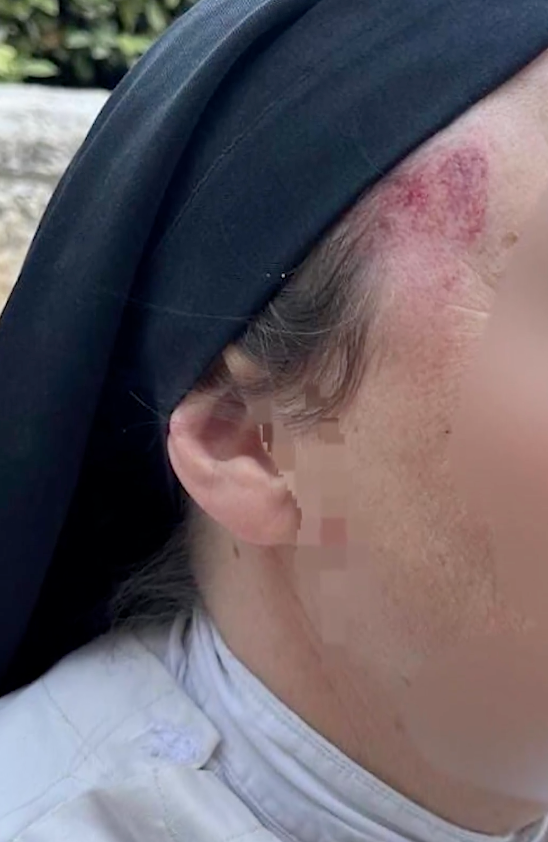
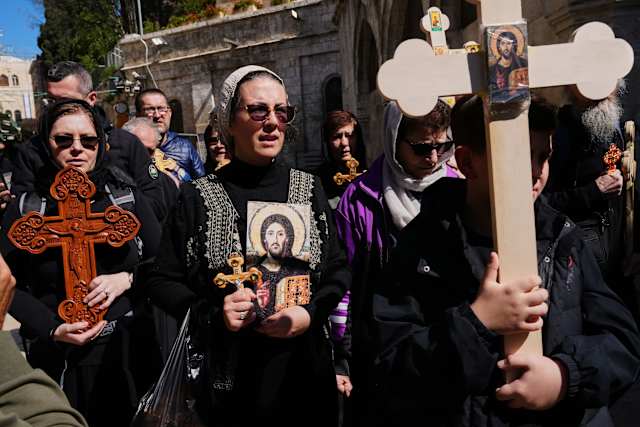
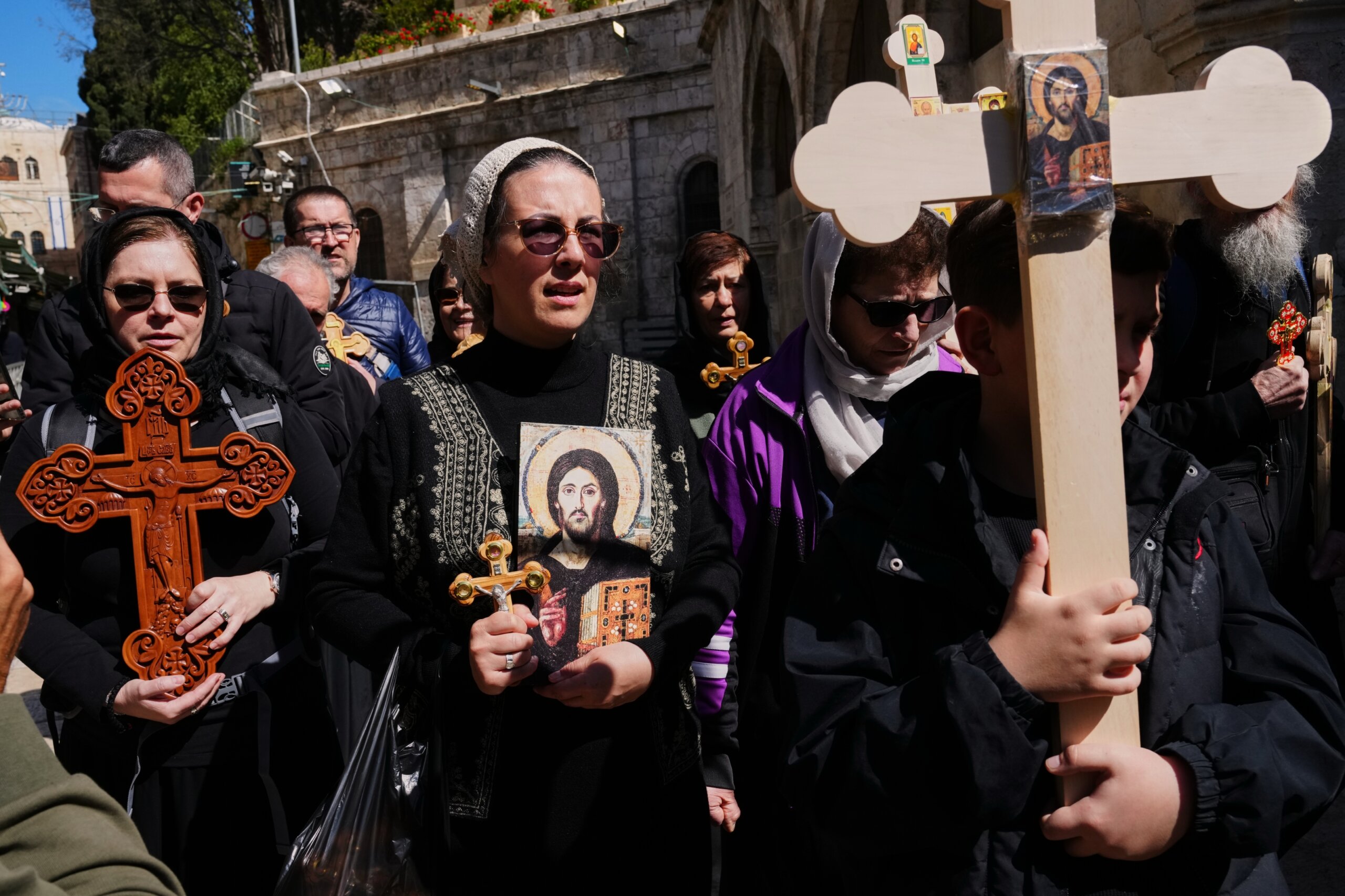
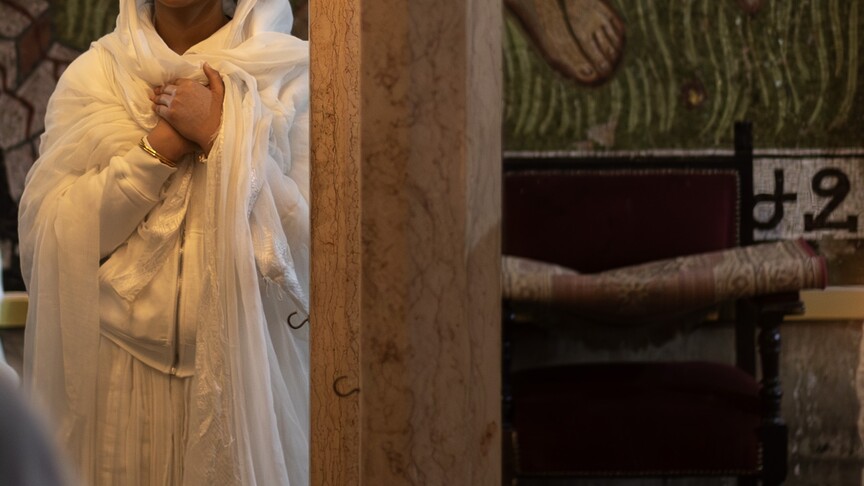
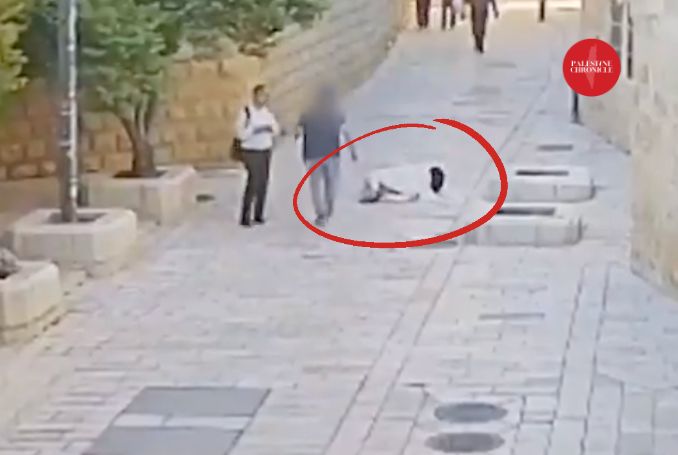
The April 28, 2025 assault on a French nun near King David's Tomb in Jerusalem represents a critical inflection point for sellers operating in religious merchandise, pilgrimage tourism products, and faith-community support categories. While the incident itself—involving a 36-year-old suspect arrested by Israeli police—appears localized, the Rossing Center's documented 2025 surge in attacks on Christian communities signals broader market volatility affecting cross-border e-commerce in three key dimensions: (1) Religious protective merchandise demand, (2) pilgrimage insurance and safety products, and (3) faith-community solidarity merchandise.
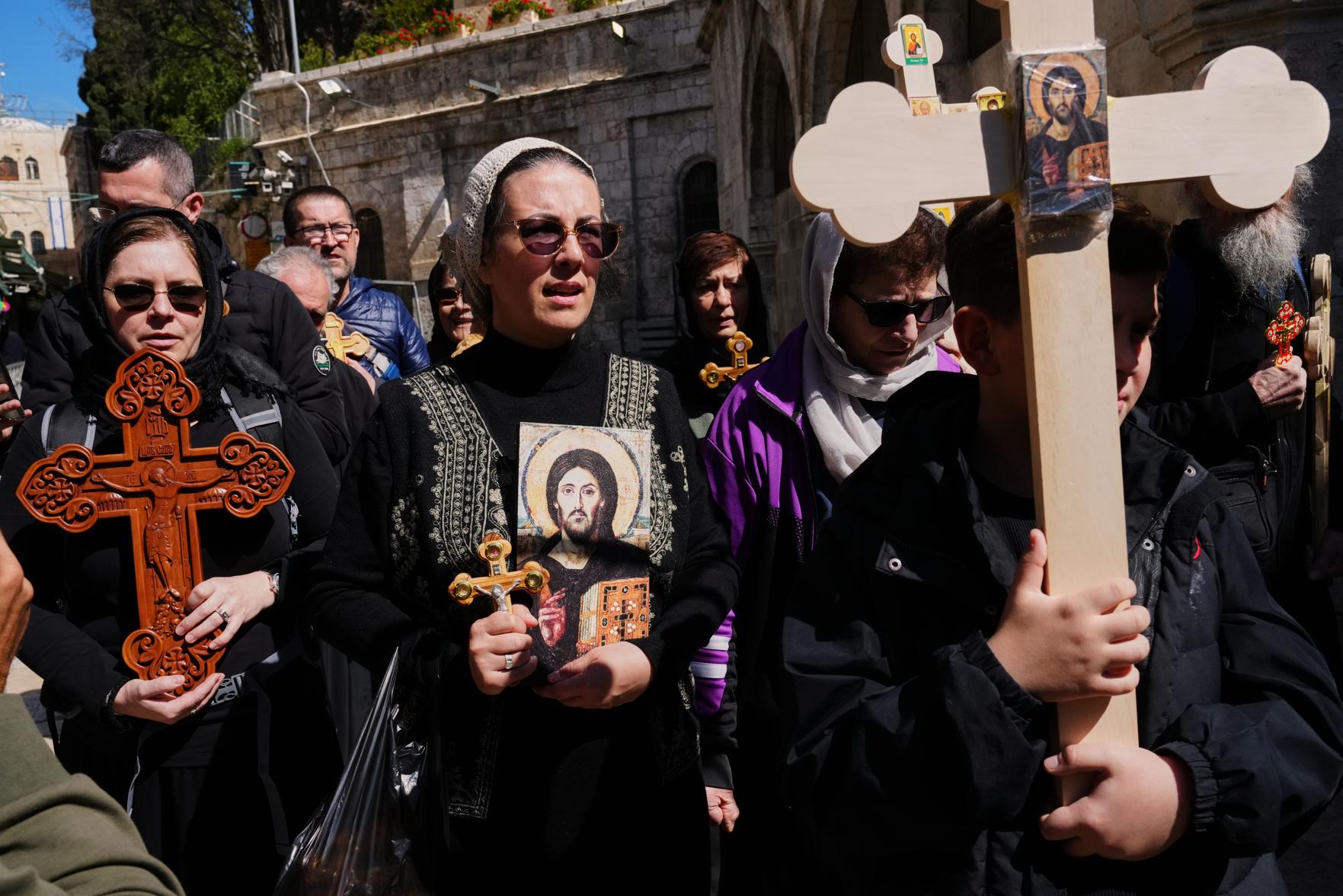
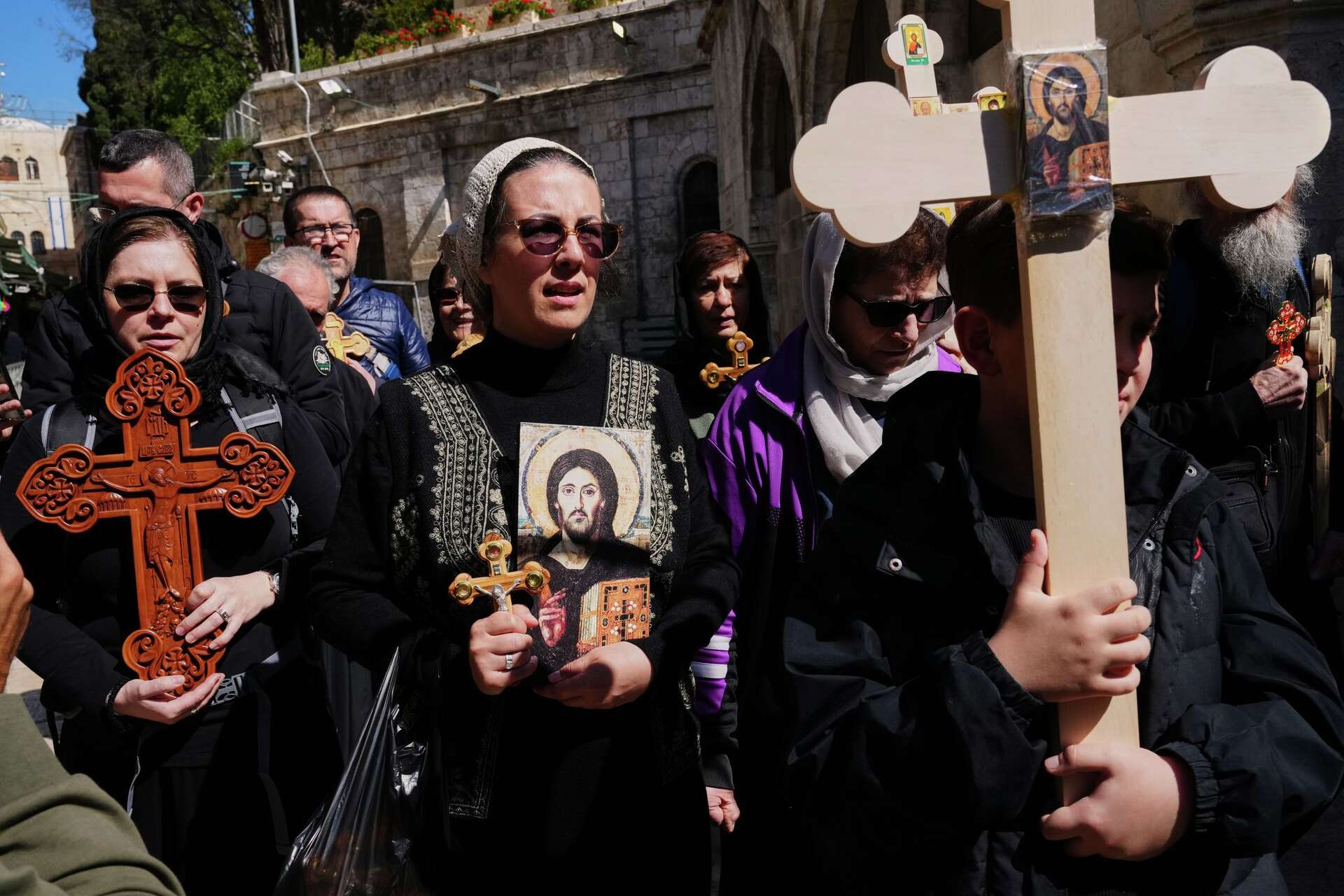
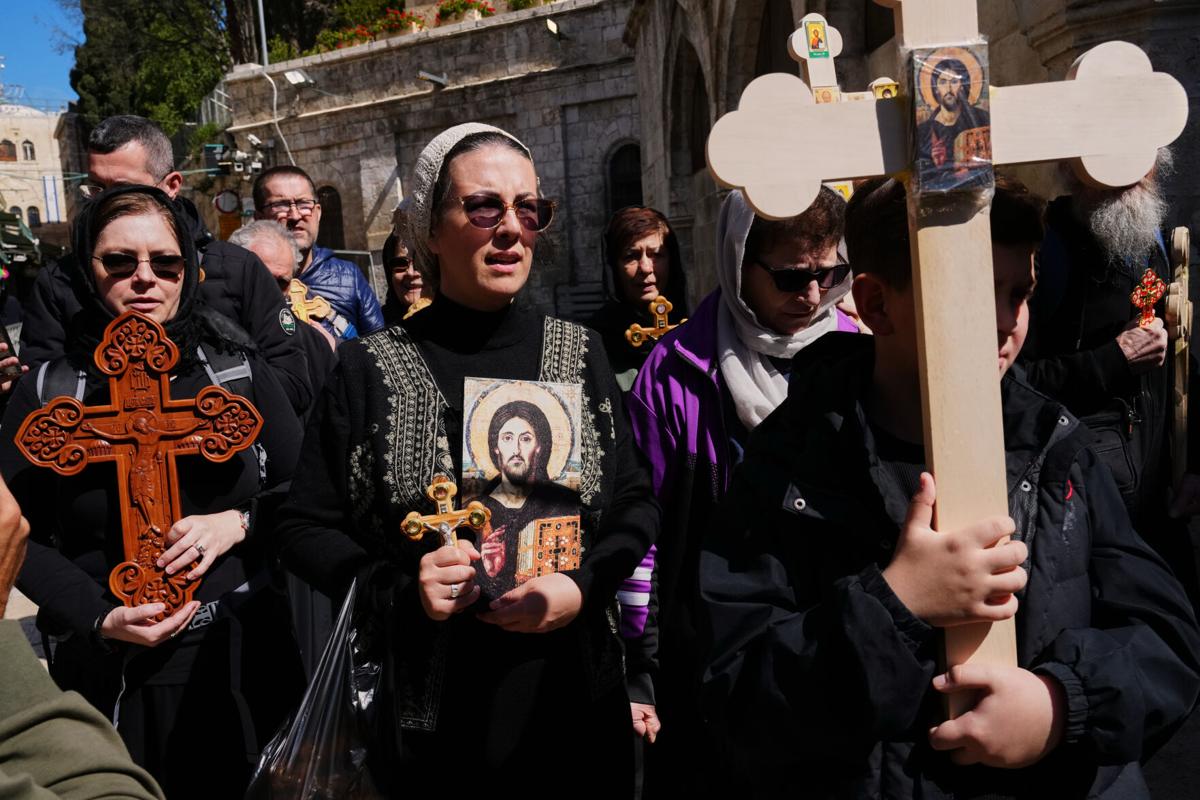
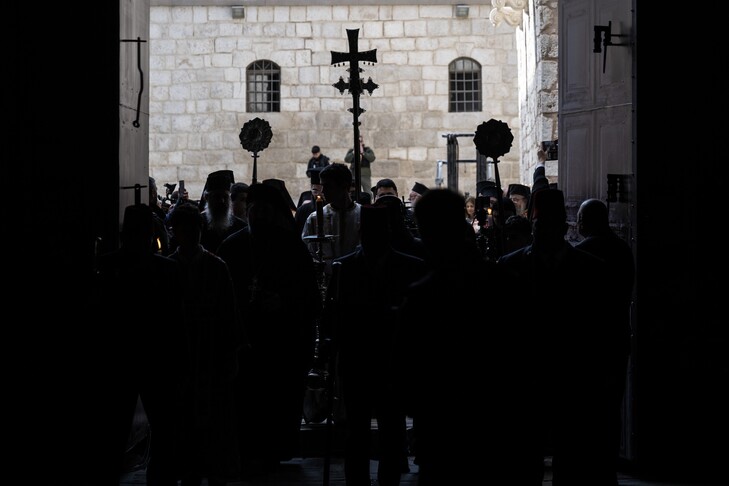
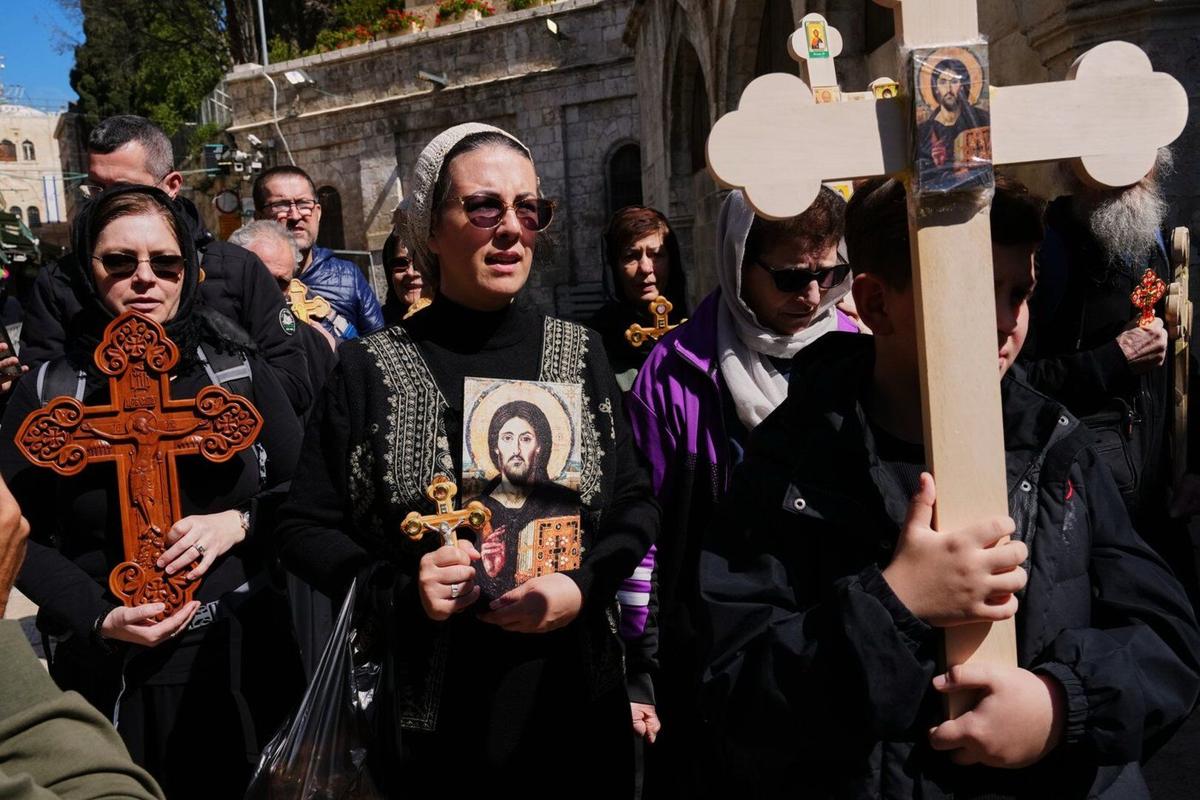
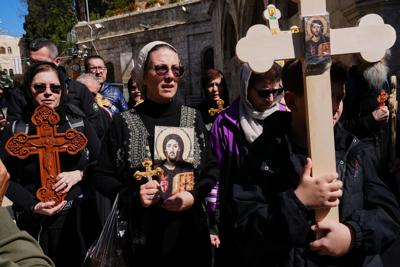
Market Opportunity Analysis: The escalating pattern of incidents—including the March incident where Israeli police prevented the Roman Catholic Patriarch from entering the Church of the Holy Sepulchre for Palm Sunday services (unprecedented in centuries) and the April vandalism of a Jesus statue in southern Lebanon—indicates growing demand for specialized products. Sellers can capitalize on emerging categories: protective religious apparel (nun habits, clergy vestments with reinforced materials), pilgrimage safety kits, religious symbol protection cases, and faith-community support merchandise. The global Christian community represents 2.4B consumers, with pilgrimage tourism generating $18B annually. Even a 2-3% shift toward protective/solidarity products represents $360-540M in addressable market opportunity.
Operational & Compliance Implications: Sellers managing religious merchandise in sensitive markets face new considerations. The incident highlights that Jerusalem Old City and Israeli-occupied East Jerusalem represent high-risk fulfillment zones requiring specialized logistics. Sellers should evaluate: (1) whether to maintain inventory in conflict-affected regions, (2) insurance requirements for religious merchandise shipments, (3) platform policy compliance regarding sensitive religious content, and (4) customer communication strategies during escalation periods. Amazon, eBay, and Shopify have implicit policies restricting hate-speech-adjacent merchandise but may expand restrictions on religious symbols in conflict zones. The French Consulate's involvement signals potential diplomatic pressure on e-commerce platforms to moderate content in disputed territories.
Consumer Behavior Shift: The incident demonstrates how geopolitical tensions drive niche product demand. Faith communities historically increase purchases of protective items, solidarity merchandise, and educational materials during conflict periods. Sellers should monitor: (1) search volume spikes for "Christian pilgrimage safety," "religious protection," and "faith community support" products, (2) geographic demand shifts (increased orders from Christian-majority regions), and (3) category expansion opportunities in interfaith dialogue products and educational materials about religious freedom.
Questions 7
How do religious tensions in Jerusalem affect cross-border e-commerce sellers?
The April 2025 escalation in attacks on Christian communities in Jerusalem creates both risks and opportunities for sellers. Immediate risks include potential platform restrictions on religious merchandise in conflict zones and logistics complications for fulfillment centers in Israeli-occupied territories. However, the Rossing Center's documented surge in incidents signals emerging demand for protective religious apparel, pilgrimage safety products, and faith-community solidarity merchandise. Sellers should monitor Amazon Seller Central and eBay policy updates regarding sensitive religious content, while evaluating inventory positioning in high-risk regions. The global Christian pilgrimage market generates $18B annually, with 2-3% category shifts representing $360-540M in addressable opportunity for protective and solidarity products.
What product categories are gaining demand due to Jerusalem security concerns?
Three primary categories are emerging: (1) **Protective religious apparel** including reinforced nun habits, clergy vestments with safety features, and religious symbol protection cases; (2) **Pilgrimage safety products** such as travel insurance, emergency communication devices, and safety guides for Holy Land visitors; (3) **Faith-community solidarity merchandise** including educational materials about religious freedom, interfaith dialogue products, and community support items. The March incident where the Roman Catholic Patriarch was prevented from entering the Church of the Holy Sepulchre for Palm Sunday services (unprecedented in centuries) and the April vandalism of a Jesus statue in southern Lebanon indicate sustained demand for these categories. Sellers should prioritize listings in these niches while monitoring search volume trends for keywords like 'Christian pilgrimage safety' and 'religious protection products.'