




West Africa Mineral Supply Crisis | Critical Impact on Cross-Border Sellers' Raw Material Costs
- Mali conflict threatens 10-12M oz annual gold output, 25% of Europe's uranium; sellers face 8-15% supply cost increases and 2-4 week logistics delays













Overview
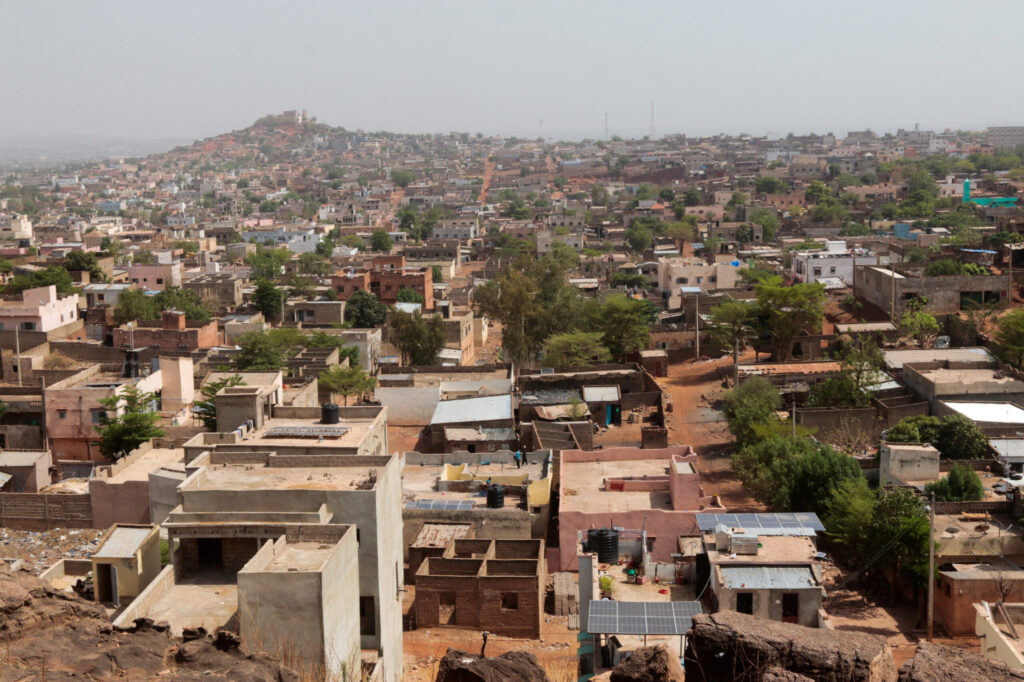
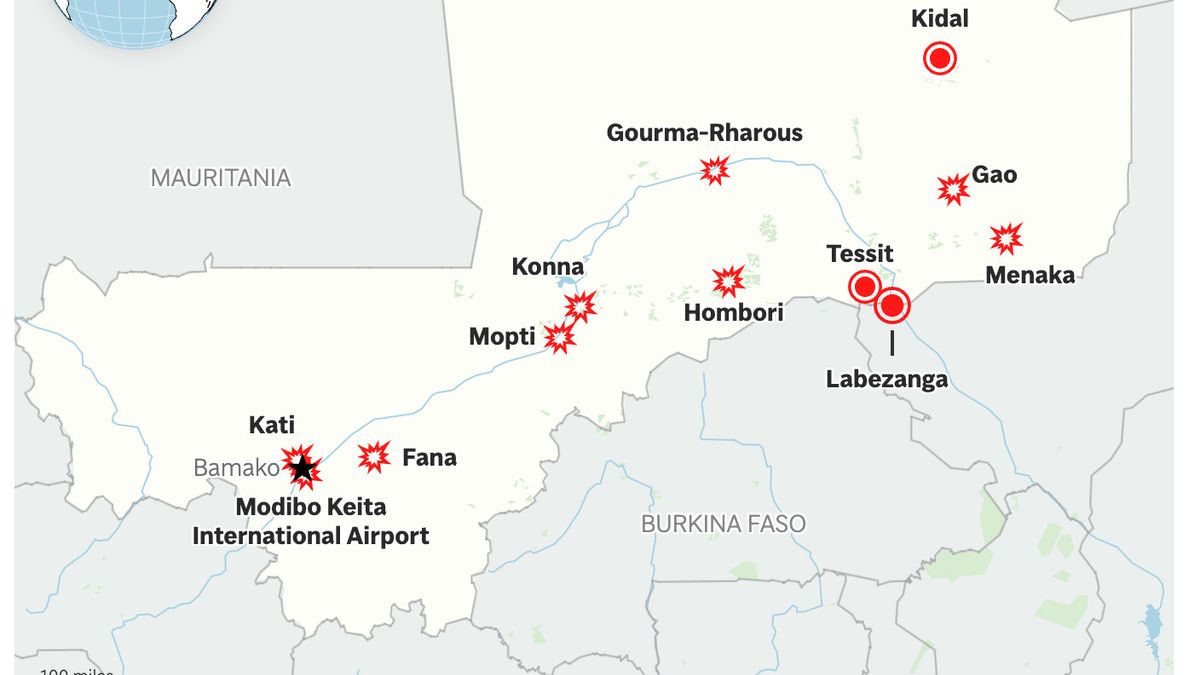
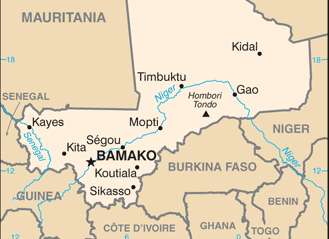
The April 2026 coordinated attacks by al Qaeda-linked JNIM and Tuareg separatist FLA forces across Mali represent a critical supply chain inflection point for cross-border e-commerce sellers. These militant groups now control territory spanning over 3,000 km across Mali, Niger, Burkina Faso, and into Nigeria and Chad, directly threatening West Africa's critical mineral extraction operations. The region produces approximately 10-12 million ounces of gold annually (10% of global output), with major industrial mining operations in Ghana, Mali, Burkina Faso, and Guinea. Niger alone supplied approximately 25% of Europe's uranium needs in 2022, while the region holds significant reserves of lithium, copper, cobalt, and uranium—all essential for global supply chains and consumer electronics manufacturing.
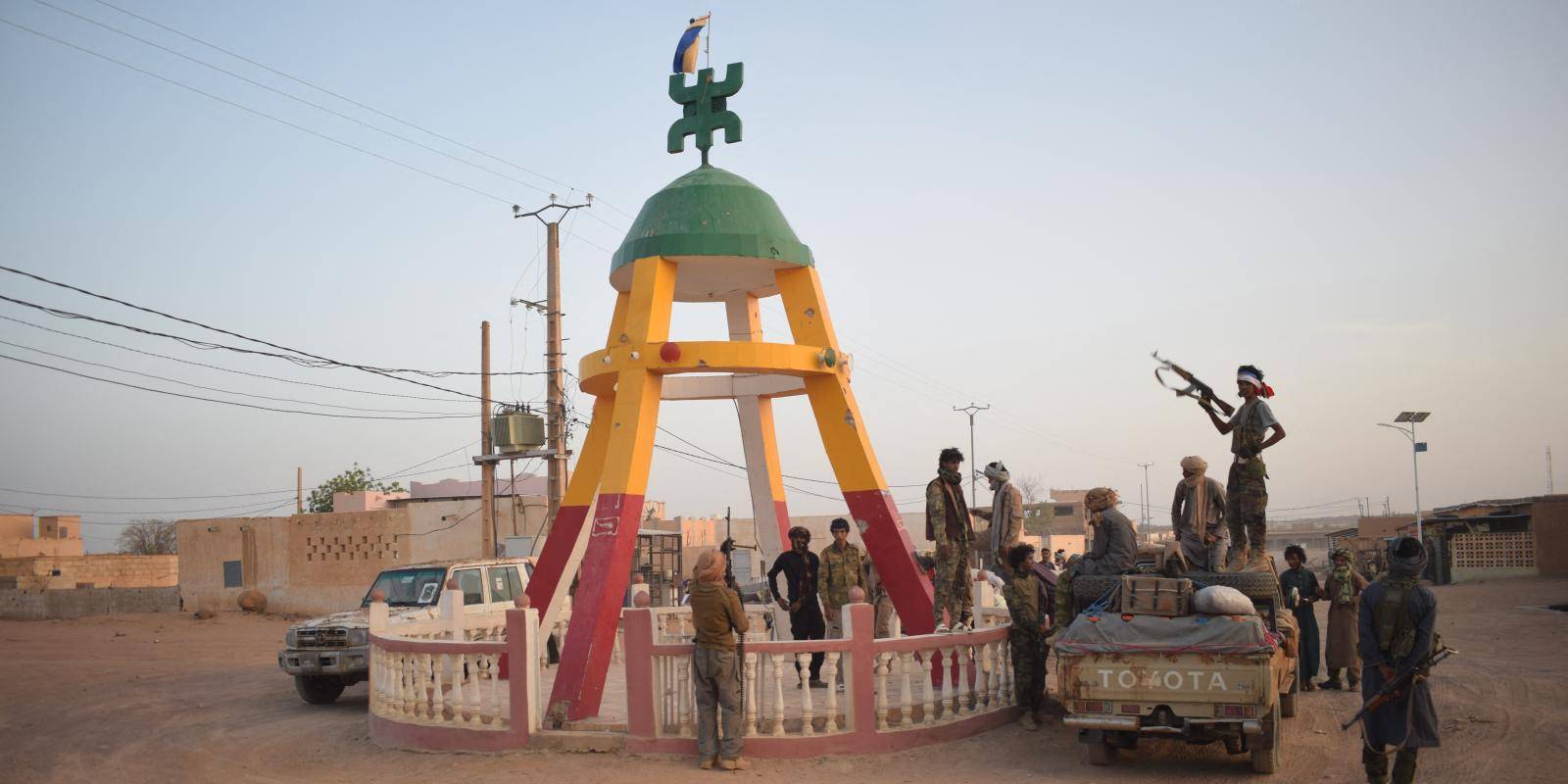
Supply Chain Disruption Mechanics: The blockade of Bamako (capital city with 3+ million residents) and closure of three of six main routes creates immediate logistics bottlenecks. Mining companies have substantially increased security spending as militant groups expand operational reach, with some mines directly targeted and supply route viability increasingly compromised. According to UN estimates, al Qaeda and Islamic State-affiliated factions command between 15,000 and 22,000 fighters, while Tuareg separatists control thousands more. For e-commerce sellers, this instability creates significant operational risks across multiple product categories. Supply chain disruptions directly affect raw material availability and pricing for products dependent on West African minerals and resources—including electronics components, jewelry, industrial equipment, and battery technology products. Logistics routes through the region face increased security threats, potentially raising transportation costs 8-15% and extending delivery times by 2-4 weeks for sellers sourcing materials from or shipping through West Africa.
Seller Segment Impact: The displacement of four million people has intensified migration pressures toward Europe, affecting labor availability and consumer markets in key e-commerce regions. Russian military involvement, which became Mali's primary security backing since 2020, adds geopolitical complexity. Recent Russian withdrawals from northern bases following the April attacks raise questions about security guarantees and future stability. Sellers in electronics, jewelry, industrial equipment, and battery categories should immediately audit their supply chain exposure to West African mineral sources. Those with direct sourcing relationships in Mali, Niger, Burkina Faso, or Ghana face the highest risk. Even sellers with indirect exposure through component suppliers may experience cost pressures within 4-8 weeks as supply constraints propagate through manufacturing networks. The situation demands immediate diversification of supply routes and supplier relationships to mitigate operational disruptions and margin compression.
Questions 8
How does the Mali conflict directly impact my product sourcing costs as a cross-border seller?
The April 2026 coordinated attacks by JNIM and FLA forces have disrupted West Africa's mineral supply chains, which produce 10-12 million ounces of gold annually (10% of global output) and supply 25% of Europe's uranium. Sellers sourcing electronics components, jewelry, batteries, or industrial equipment from Mali, Niger, Burkina Faso, or Ghana should expect 8-15% cost increases within 4-8 weeks as supply constraints propagate through manufacturing networks. Mining companies have substantially increased security spending, and some mines face direct targeting, making supply route viability increasingly compromised. Immediate action: audit your supplier relationships and identify alternative sourcing regions to mitigate margin compression.
What logistics delays should I expect for shipments through West Africa routes?
The blockade of Bamako and closure of three of six main routes creates 2-4 week delivery delays for sellers shipping through West Africa. JNIM has established checkpoints on major arteries leading to Bamako from the north and south, threatening a total blockade of the capital. Commercial drivers report being stranded for extended periods, unable to access food and water. For sellers using West African ports or transit routes, expect significant delays and increased transportation costs. Consider rerouting shipments through alternative ports in Ghana, Senegal, or Côte d'Ivoire, though these alternatives may add 5-7 days to transit times and 10-15% to shipping costs.