


UK-US Trade Risk Alert | Geopolitical Tensions Impact Cross-Border Sellers
- Diplomatic friction between Trump administration and UK raises tariff uncertainty for 50K+ sellers shipping to British markets; Argentina trade corridor volatility creates sourcing risks












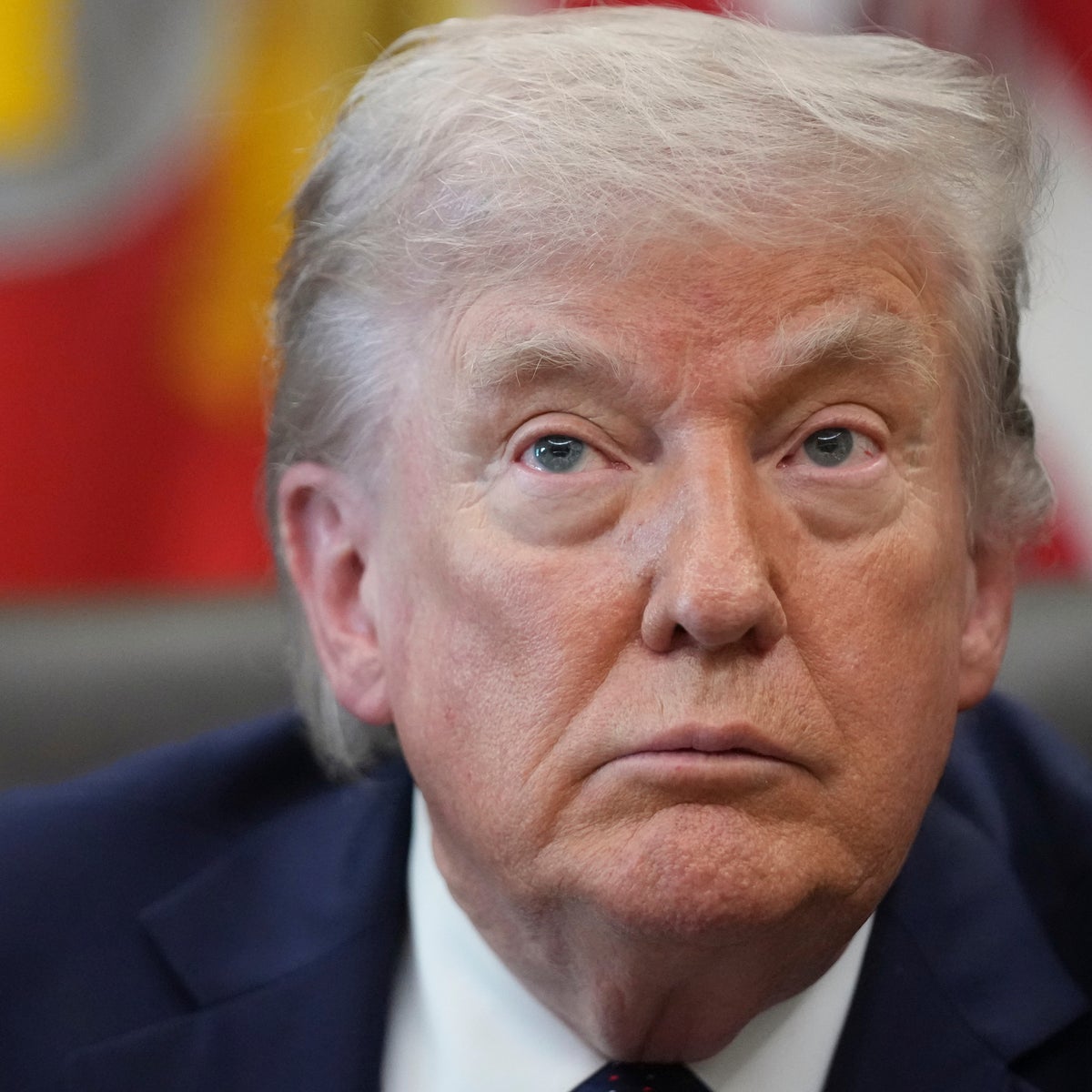

)
Overview
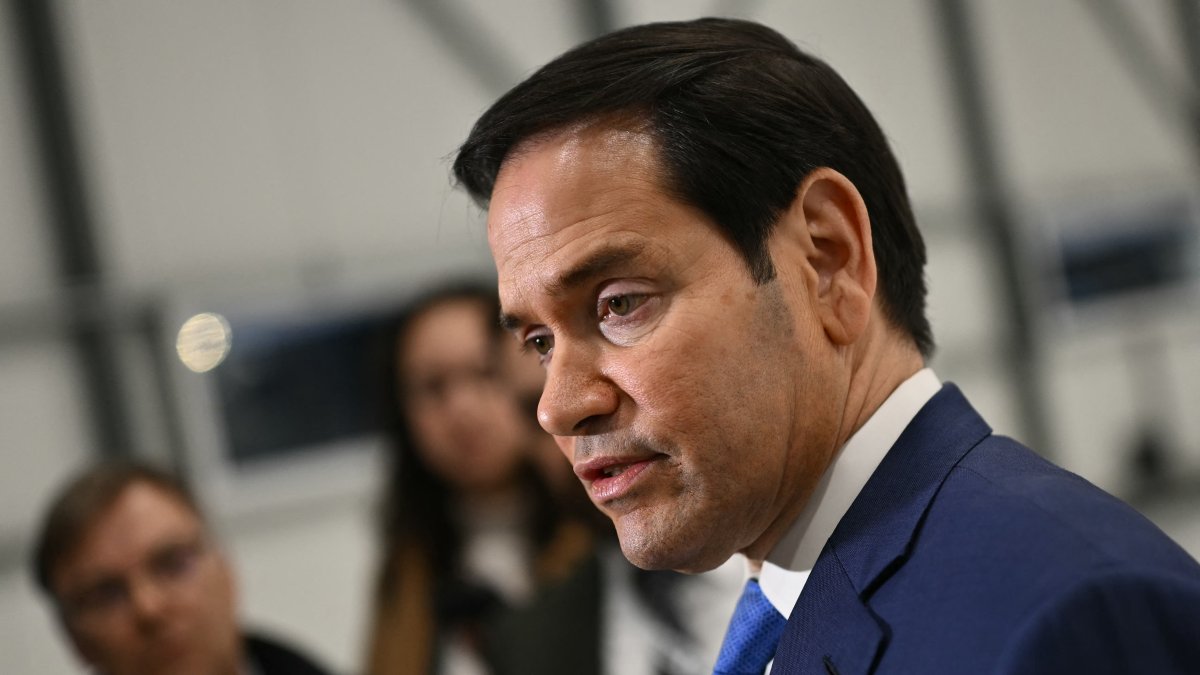
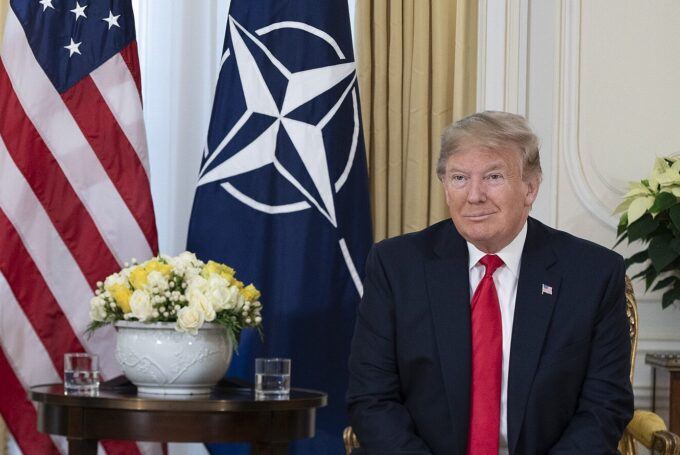
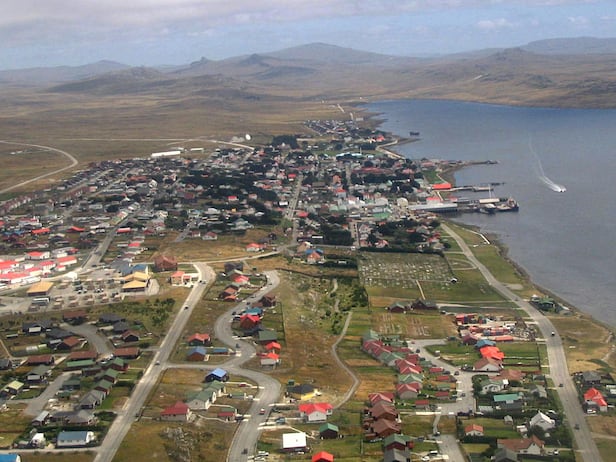
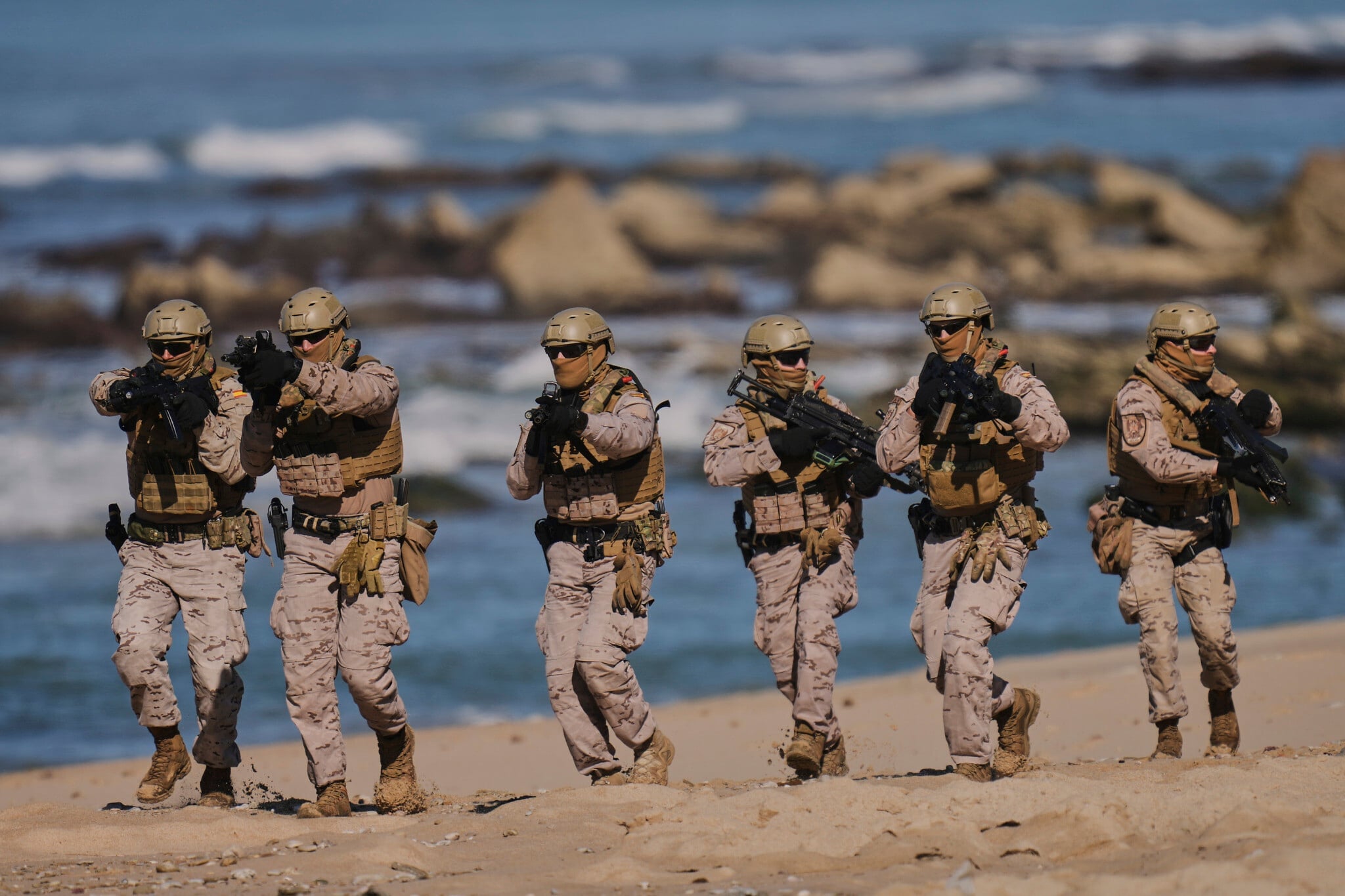
The escalating geopolitical tensions between the United States and United Kingdom over the Falkland Islands sovereignty dispute represent a critical risk factor for cross-border e-commerce sellers operating in these markets. While the news focuses on diplomatic posturing—with leaked Pentagon memos suggesting the Trump administration considered leveraging the Falklands issue as pressure against UK NATO allies, and Secretary of State Marco Rubio subsequently downplaying these reports—the underlying trade relationship instability creates tangible operational risks for sellers. The UK's refusal to join US-Israeli military operations against Iran, combined with Trump's close alliance with Argentine President Javier Milei, signals potential trade policy volatility that could manifest in tariff adjustments, customs delays, or preferential trade treatment shifts favoring Argentina over UK-based suppliers.
For cross-border sellers, this geopolitical friction translates into three concrete business risks: First, UK market access uncertainty affects the estimated 50,000+ US and EU sellers who ship to British customers through Amazon UK, eBay UK, and Shopify. If US-UK trade tensions escalate, sellers could face increased tariffs on goods entering the UK market, potentially raising landed costs 8-15% for electronics, apparel, and consumer goods categories. Second, Argentina sourcing corridor volatility impacts sellers who source products from Argentina (leather goods, wine, agricultural products) or use Argentina as a manufacturing hub. Milei's strengthened relationship with Trump could trigger preferential trade treatment that either benefits or disadvantages non-US suppliers depending on political alignment. Third, logistics route disruption in the South Atlantic region—where the Falkland Islands sit strategically—could affect shipping costs and transit times for sellers using southern hemisphere trade corridors, particularly those shipping to Australia, New Zealand, and South Africa.
The diplomatic resolution announced by Secretary Rubio—reaffirming US neutrality on the Falklands dispute—temporarily reduces acute trade war risk. However, the incident reveals the Trump administration's willingness to weaponize trade policy against NATO allies, signaling that sellers should prepare for potential tariff surprises. Sellers with significant UK inventory exposure should monitor US-UK trade negotiations closely, as any formal trade disputes could trigger tariff increases on imported goods (HS codes 6204-6206 for apparel, 8471-8517 for electronics) within 30-60 days of announcement. Similarly, sellers sourcing from Argentina should diversify supply chains to reduce concentration risk, as Milei's political alignment with Trump could shift trade preferences unpredictably.
Questions 8
How could UK-US trade tensions affect my Amazon UK sales and shipping costs?
If US-UK trade disputes escalate, sellers could face tariff increases of 8-15% on imported goods entering the UK market, raising landed costs significantly. The leaked Pentagon memo suggesting trade leverage against the UK indicates the Trump administration views trade policy as a negotiation tool. For sellers shipping electronics (HS codes 8471-8517) or apparel (6204-6206) to Amazon UK, monitor the UK government's Department for Business and Trade website for tariff announcements. Implement cost modeling now to understand margin impact if tariffs increase 10-12%, and consider shifting 15-20% of UK inventory to EU fulfillment centers to diversify risk. The diplomatic resolution announced by Secretary Rubio reduces immediate risk, but geopolitical friction can shift quickly.
Should I change my sourcing strategy given Argentina's political alignment with Trump?
Argentina's strengthened relationship with President Trump creates both opportunities and risks for sellers sourcing from that country. Milei's pro-Trump stance could lead to preferential trade treatment for US-based importers, potentially lowering tariffs on Argentine leather goods, wine, and agricultural products. However, this same alignment could disadvantage non-US suppliers competing in Argentine markets. If you source from Argentina, diversify your supplier base to reduce concentration risk—consider adding suppliers from Chile, Brazil, or Uruguay to hedge against policy shifts. Monitor Argentina's Ministry of Commerce announcements for any preferential trade agreements with the US that could affect your cost structure. The 2013 referendum showed 99.8% of Falkland Islanders prefer British sovereignty, making territorial resolution unlikely, but trade policy volatility remains high.