





Apple's $111B Q2 Revenue Surge Signals Strong Consumer Spending for E-Commerce Sellers
- 17% YoY growth and 14-17% Q3 guidance boost discretionary spending confidence; iPhone 17 and MacBook Neo demand reshape tech accessory markets























Overview
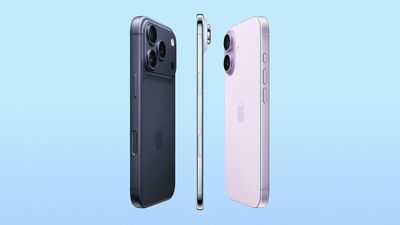
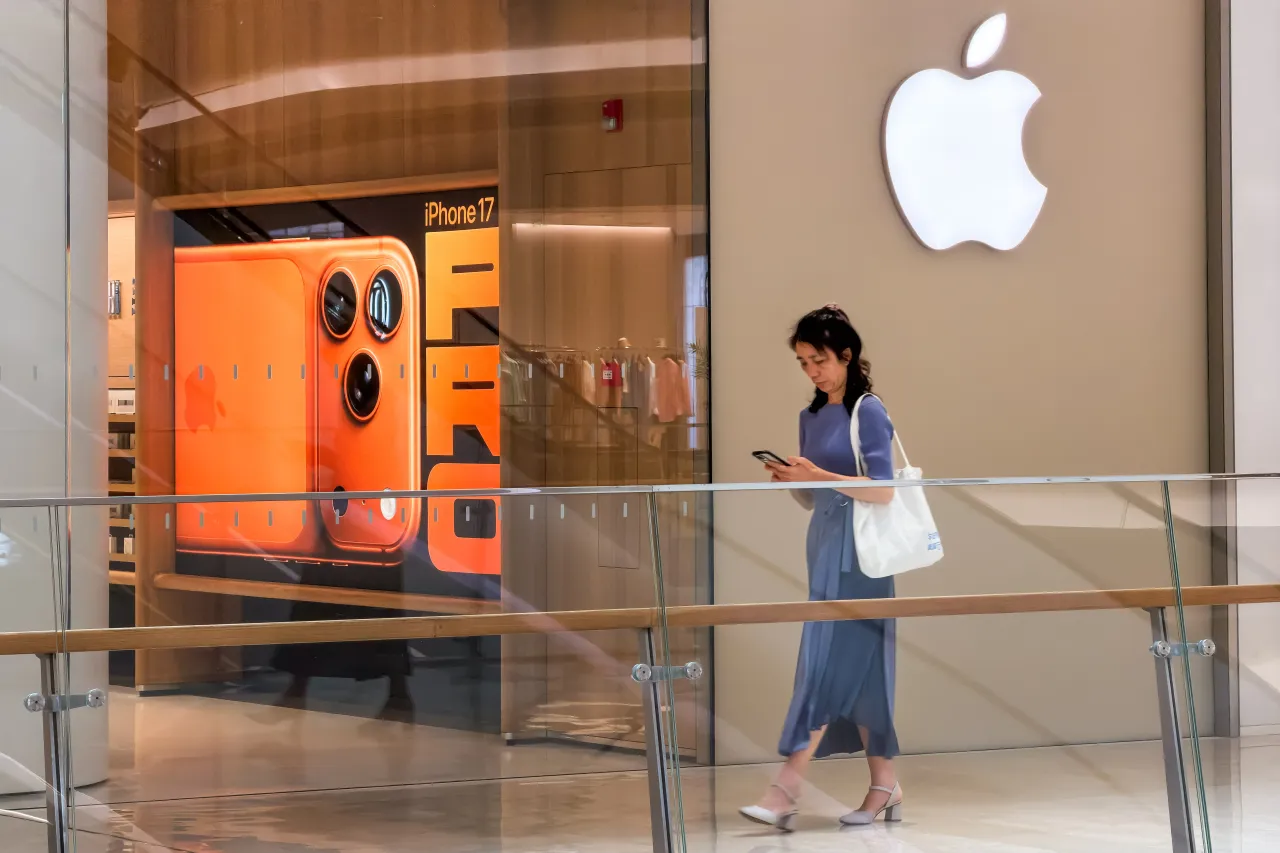
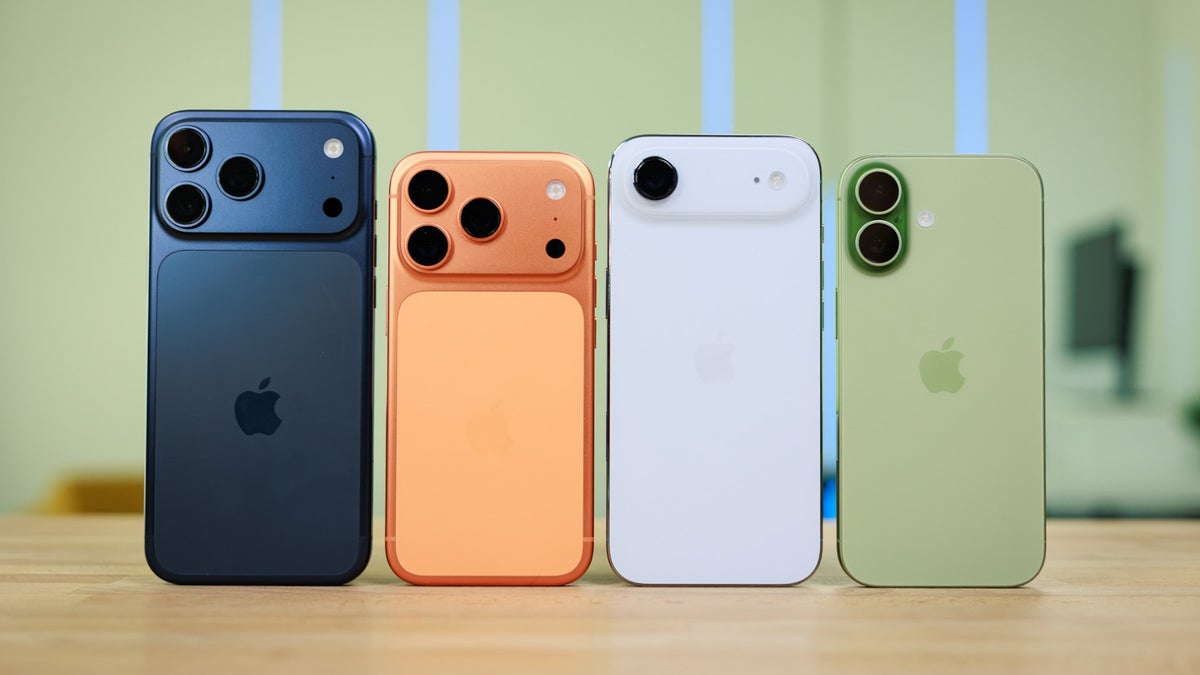
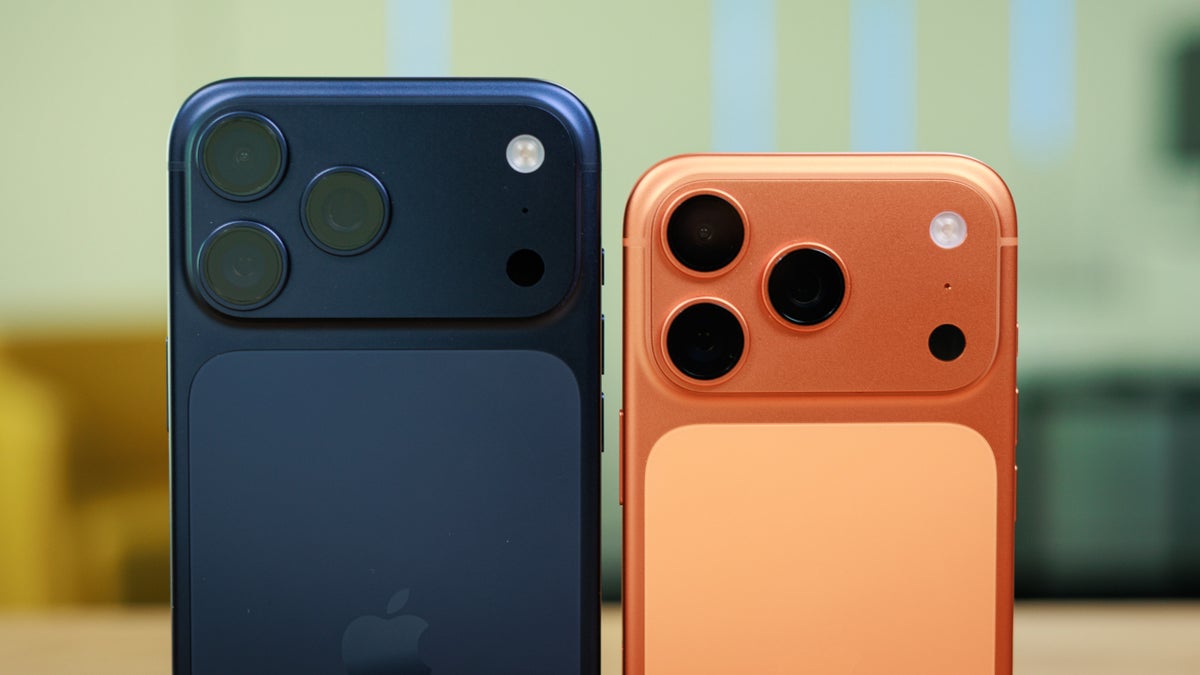
Apple's exceptional Q2 financial performance—$111.18 billion in revenue, up 17% year-over-year and exceeding analyst expectations of $109.66 billion—signals robust consumer purchasing power that directly benefits cross-border e-commerce sellers across multiple categories. CEO Tim Cook's bullish Q3 guidance of 14-17% growth, significantly outpacing analyst projections of 9.5%, demonstrates sustained demand for the iPhone 17 lineup (described as "the most popular lineup in our history") and the newly launched MacBook Neo, which Cook noted has received "off the charts" customer response since its March release. This consumer confidence translates into increased discretionary spending capacity that benefits sellers in consumer electronics, tech accessories, protective cases, screen protectors, charging solutions, and complementary product categories.
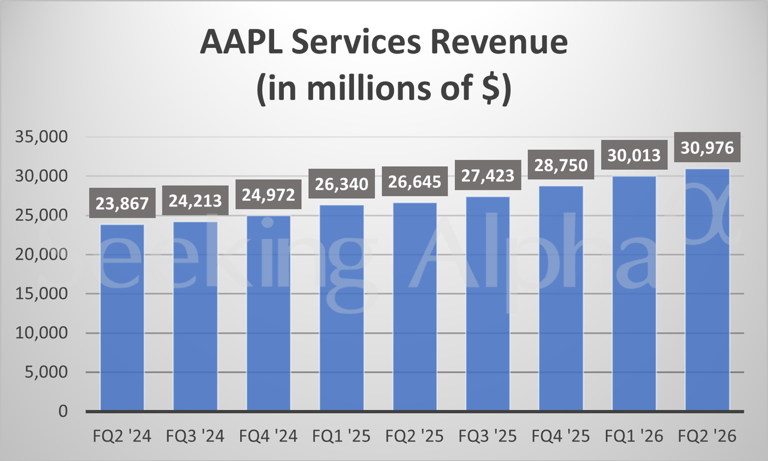
Apple's margin expansion and services growth create indirect seller opportunities. The company's gross margin reached 49.3% in Q2 (up from 48.2% previously), demonstrating improved profitability despite global supply constraints. Services revenue grew 16% to $30.98 billion from $26.65 billion year-over-year, leveraging Apple's installed base of 2.5 billion active devices. This services expansion indicates a growing ecosystem of Apple users seeking complementary products—from third-party apps, digital content, and subscription services to physical accessories. Cross-border sellers targeting Apple device owners can capitalize on this expanding user base through Amazon, eBay, Shopify, and specialized marketplaces. The strong financial results suggest consumer confidence will sustain through Q3 and Q4, typically peak e-commerce seasons.
Supply chain pressures and leadership transition create both risks and opportunities for sellers. Apple acknowledged facing significant supply constraints due to a global memory crunch, which Cook indicated will likely intensify. The company stated it would explore multiple options to address soaring memory costs. This supply pressure may increase component costs for sellers manufacturing electronics or tech accessories, potentially compressing margins by 2-5% depending on product category. Simultaneously, Tim Cook's planned departure in September after 15 years as CEO introduces uncertainty about future supply chain partnerships and developer program policies. Sellers relying on Apple's ecosystem—including iOS app developers, MFi-certified accessory manufacturers, and Apple retail channel partners—should monitor leadership announcements for potential strategic shifts in partnership terms, pricing, or market expansion priorities. Morgan Stanley's upgrade of Apple's fiscal year EPS projection to $8.89 from $8.63 indicates analyst confidence in margin management, suggesting Apple will likely absorb some supply cost increases rather than passing them to partners.
Questions 8
How will Apple's global memory shortage affect seller costs and margins?
Apple acknowledged facing significant supply constraints due to a global memory crunch, with CEO Cook indicating intensification ahead. For sellers manufacturing electronics or tech accessories, this translates to 2-5% margin compression on products containing memory chips (SSDs, RAM, smart devices). Component costs are likely to increase 8-15% through Q3-Q4 2024. Sellers should: (1) lock in component pricing with suppliers immediately, (2) review inventory levels to avoid stockouts, (3) consider price increases of 3-8% to maintain margins, and (4) monitor Apple's supply chain announcements for partnership changes. Sellers in memory-intensive categories (external storage, smart home devices, gaming accessories) face the highest risk and should diversify suppliers to mitigate single-source dependency.
What seller opportunities exist from Apple's 2.5 billion active device base?
Apple's installed base of 2.5 billion active devices represents a massive addressable market for cross-border sellers offering complementary products and services. Services revenue grew 16% to $30.98 billion, indicating users are actively purchasing digital content, subscriptions, and ecosystem-integrated products. Sellers can capitalize by offering: (1) third-party accessories optimized for iOS devices, (2) digital products and apps through Apple's App Store, (3) subscription-based services targeting Apple users, and (4) protective/lifestyle products marketed to the premium Apple demographic. The expanding services ecosystem suggests Apple users have higher lifetime value and purchasing frequency, making them attractive target audiences for sellers using Amazon Advertising, Shopify, and specialized tech marketplaces.