


UK Infrastructure Disruption Events | Supply Chain Risk Management for Cross-Border Sellers
- 1,200-home evacuation reveals logistics vulnerability; sellers must monitor regional disruptions affecting UK fulfillment networks and delivery timelines























Overview
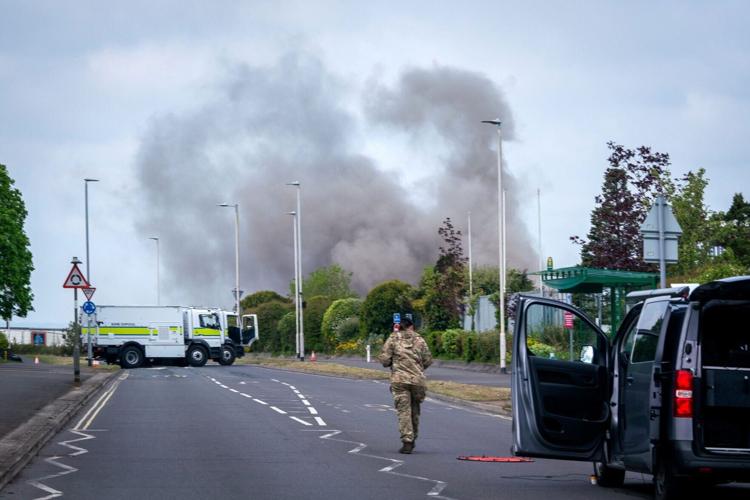
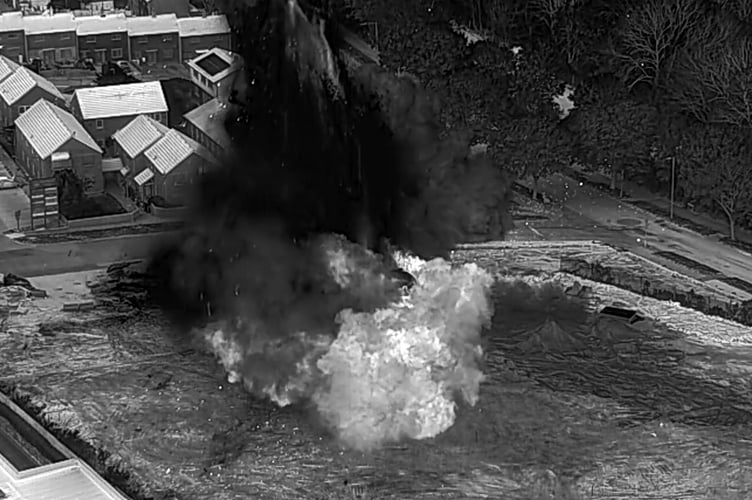
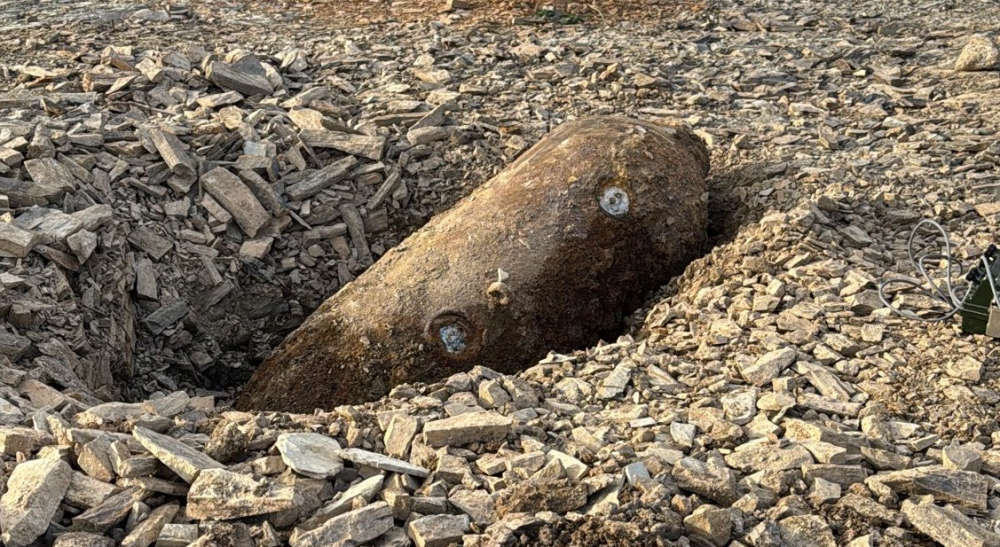
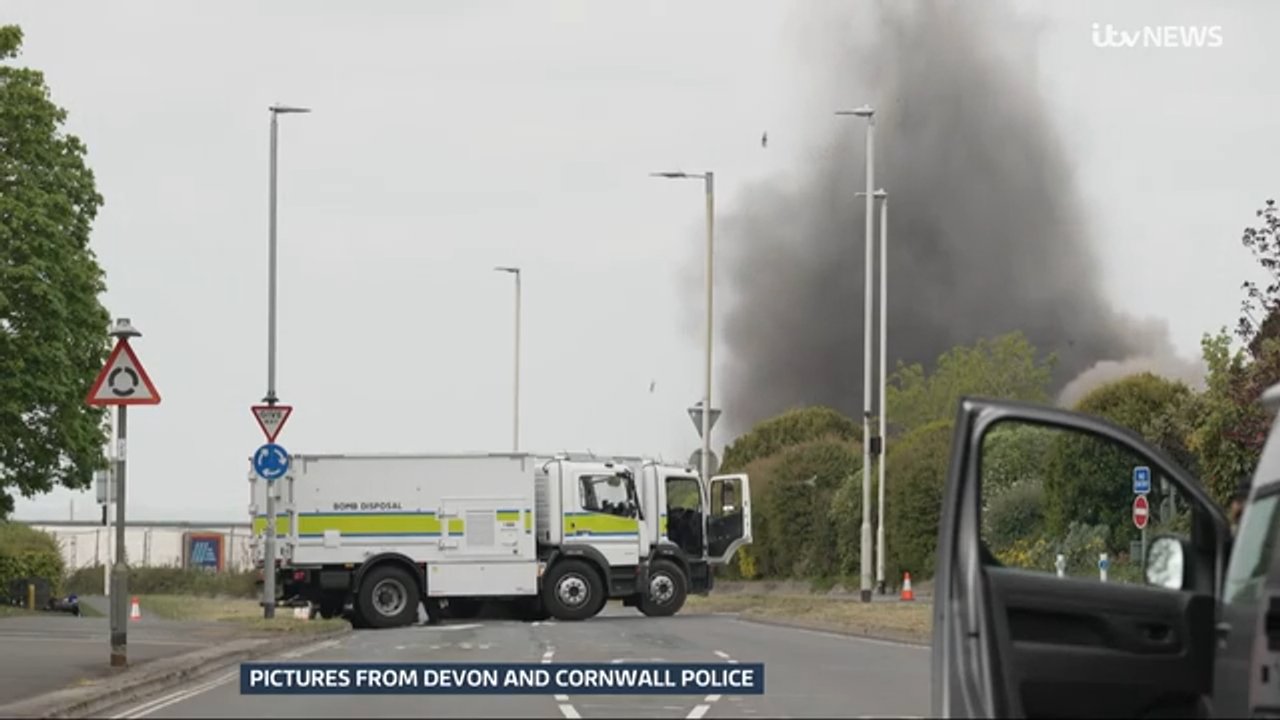
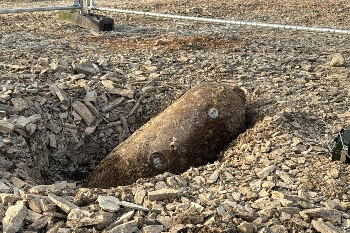
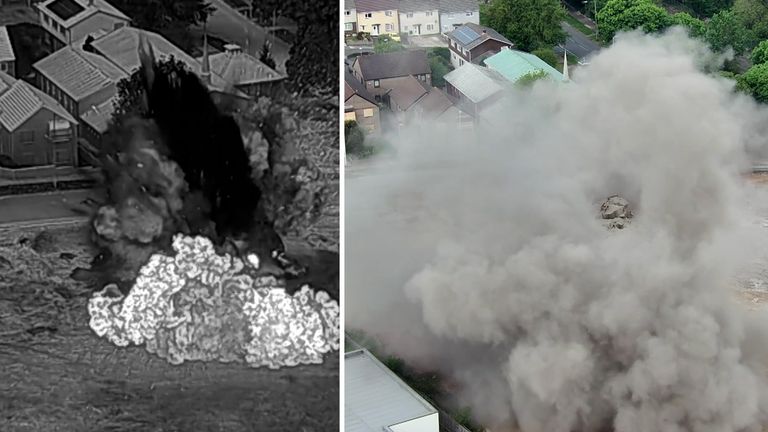
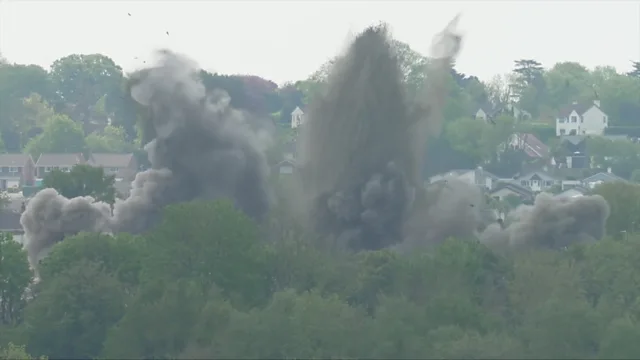
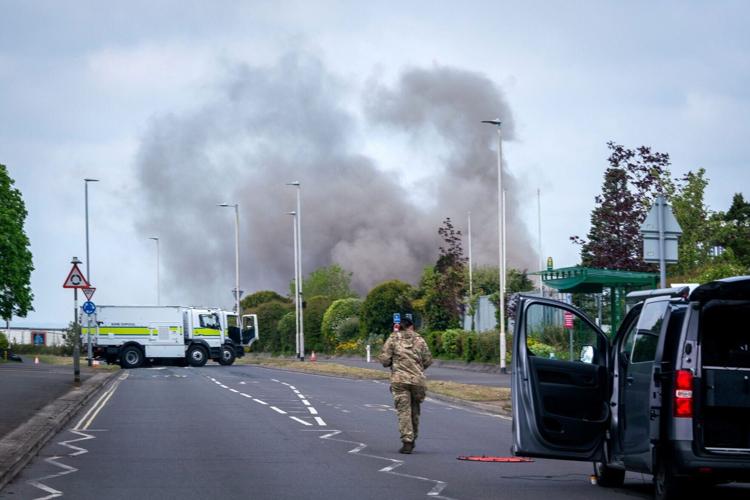
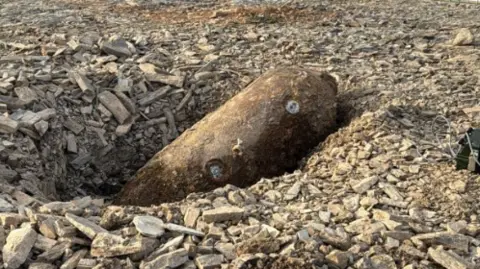
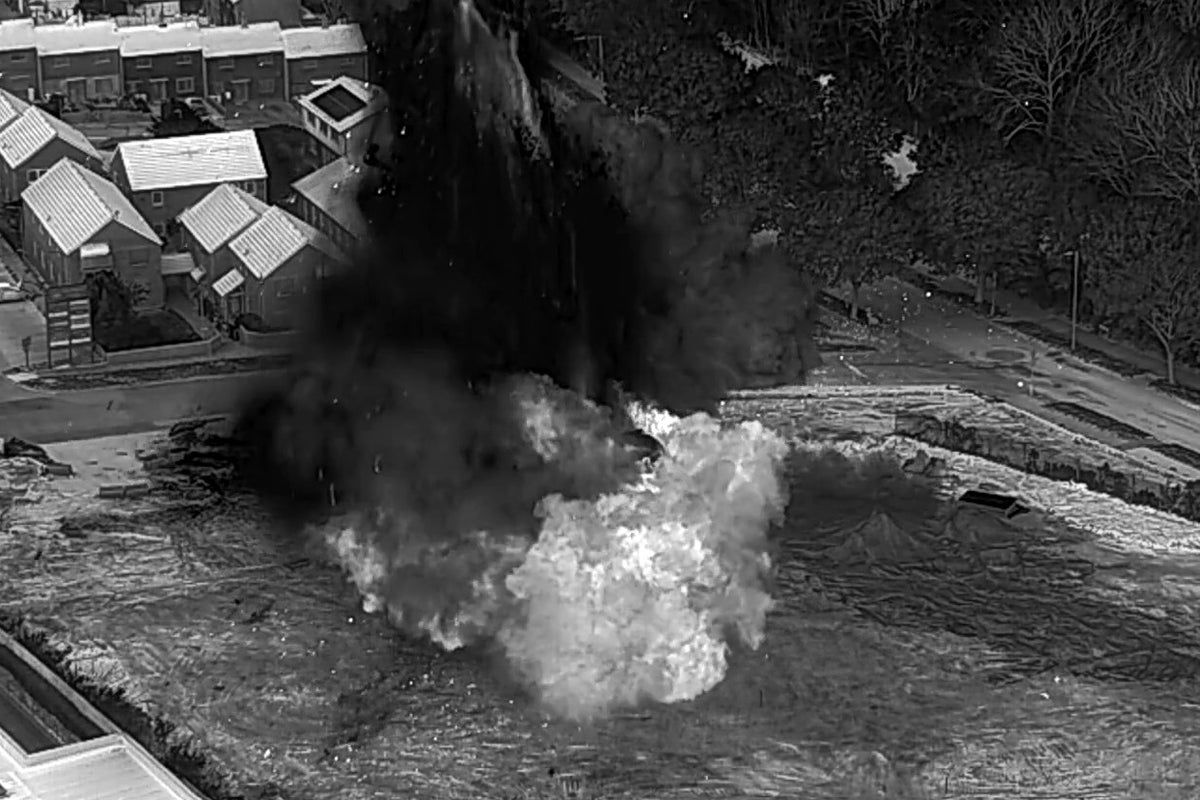
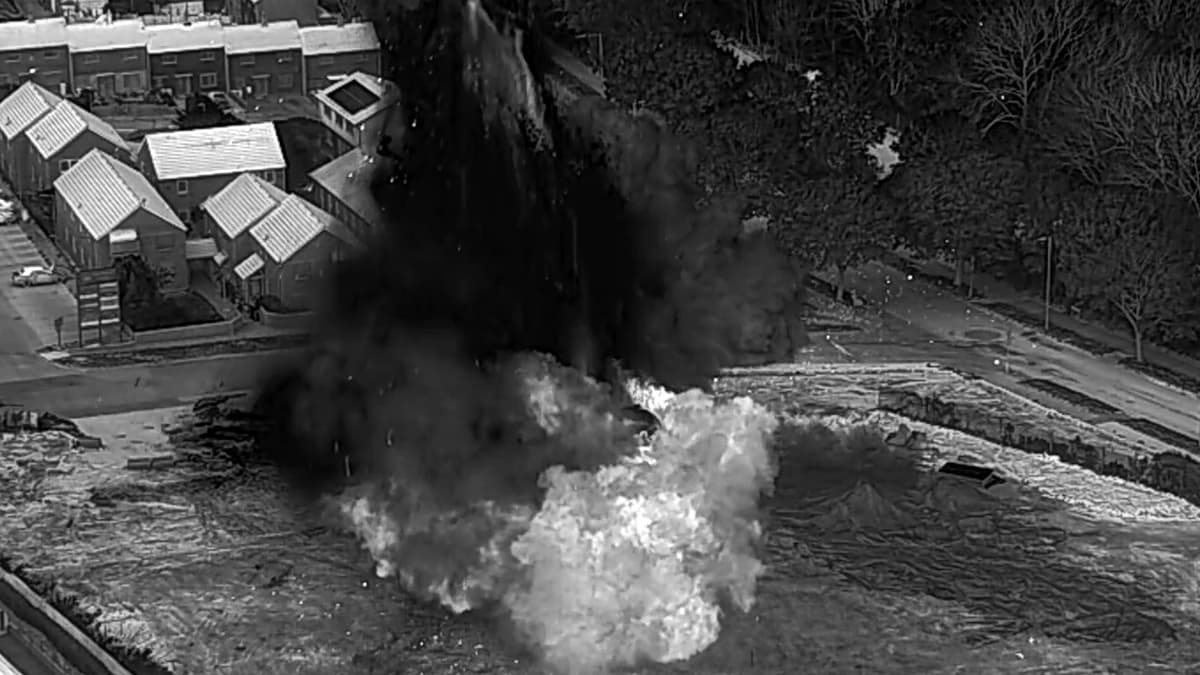
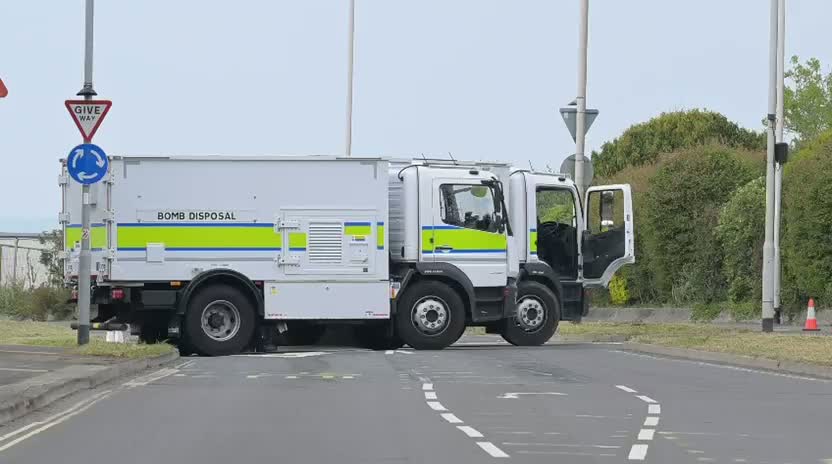
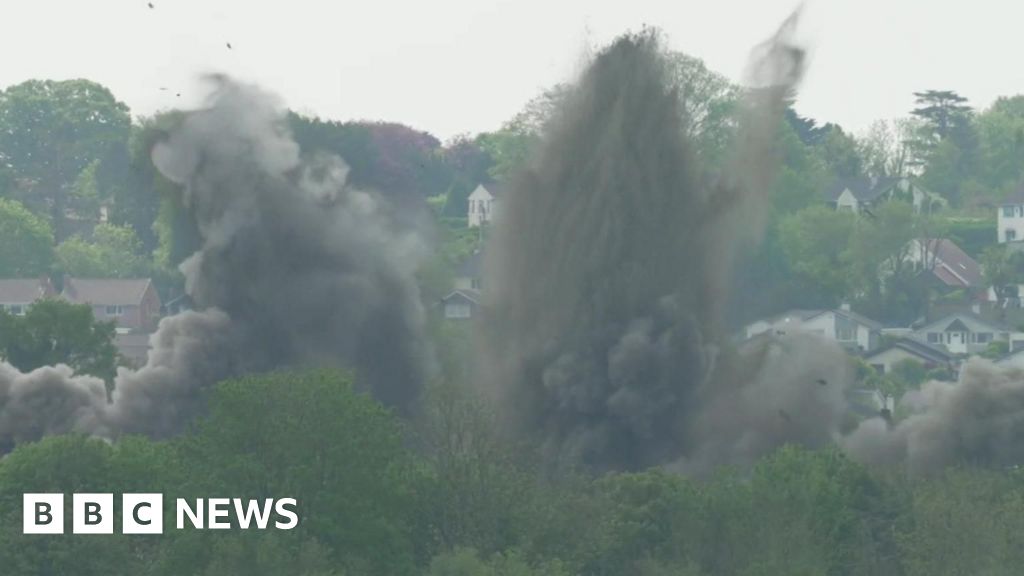
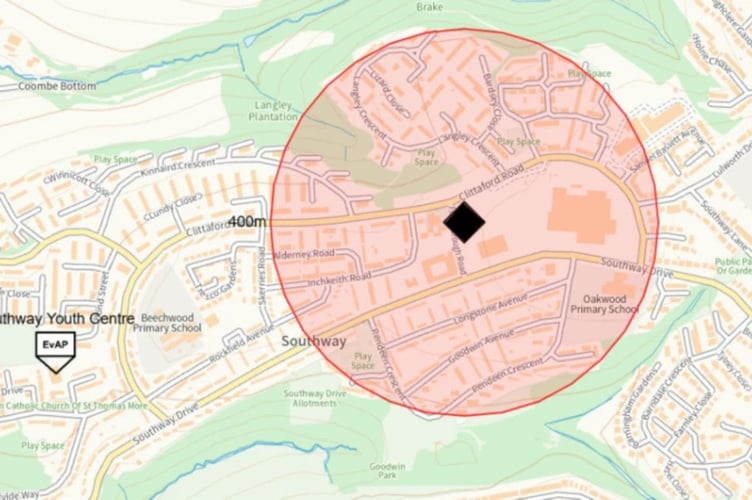
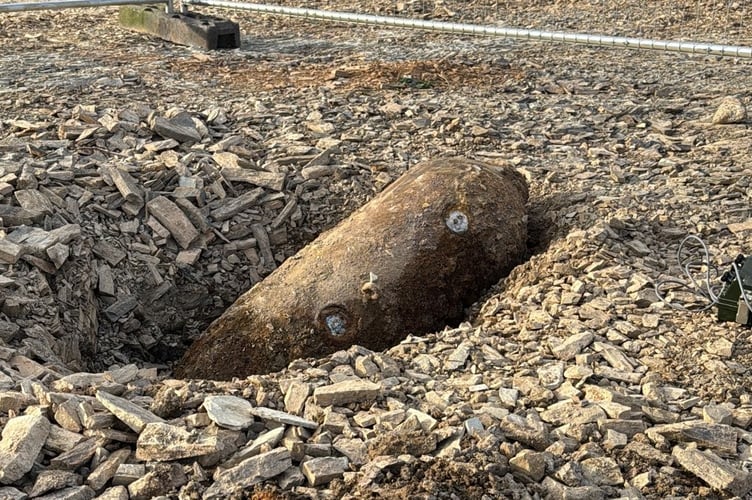
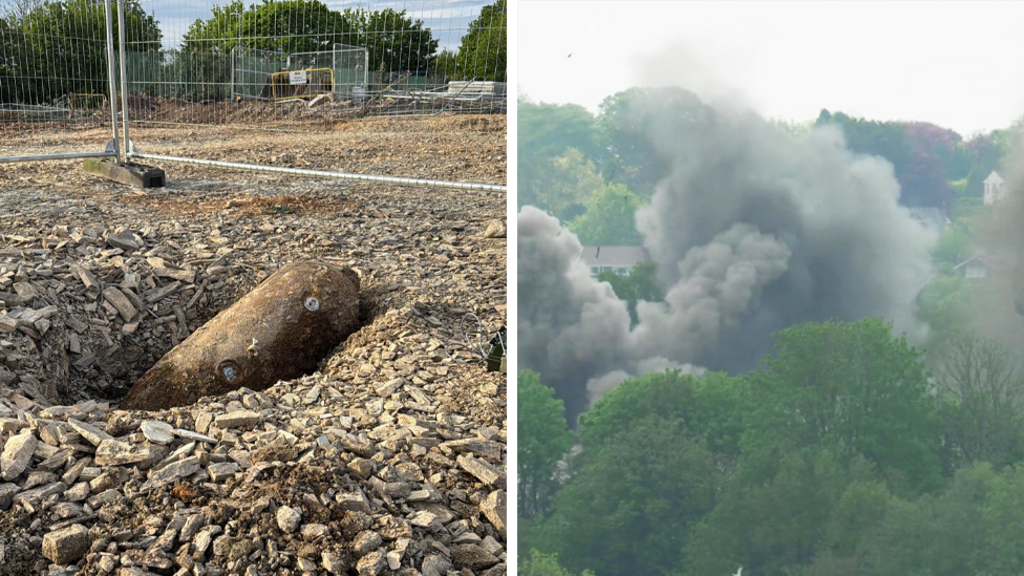
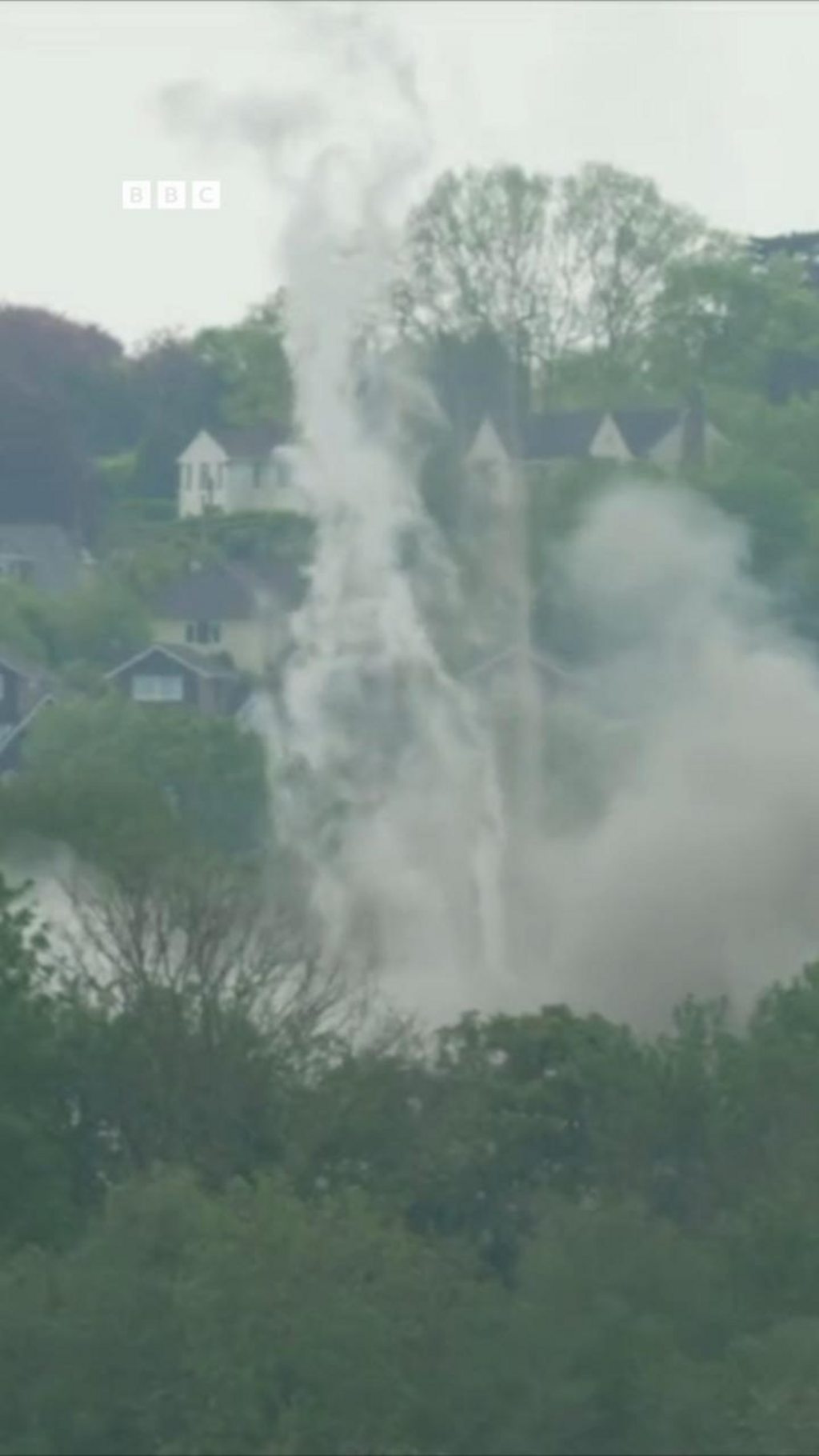
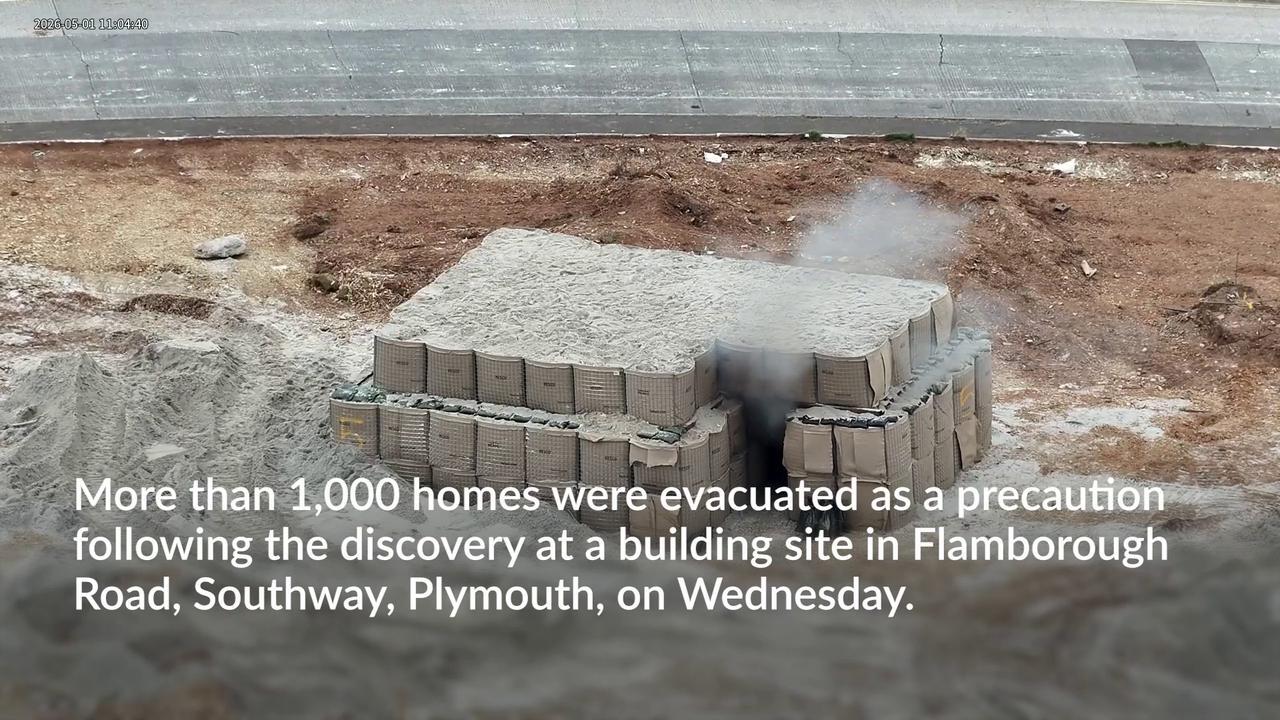
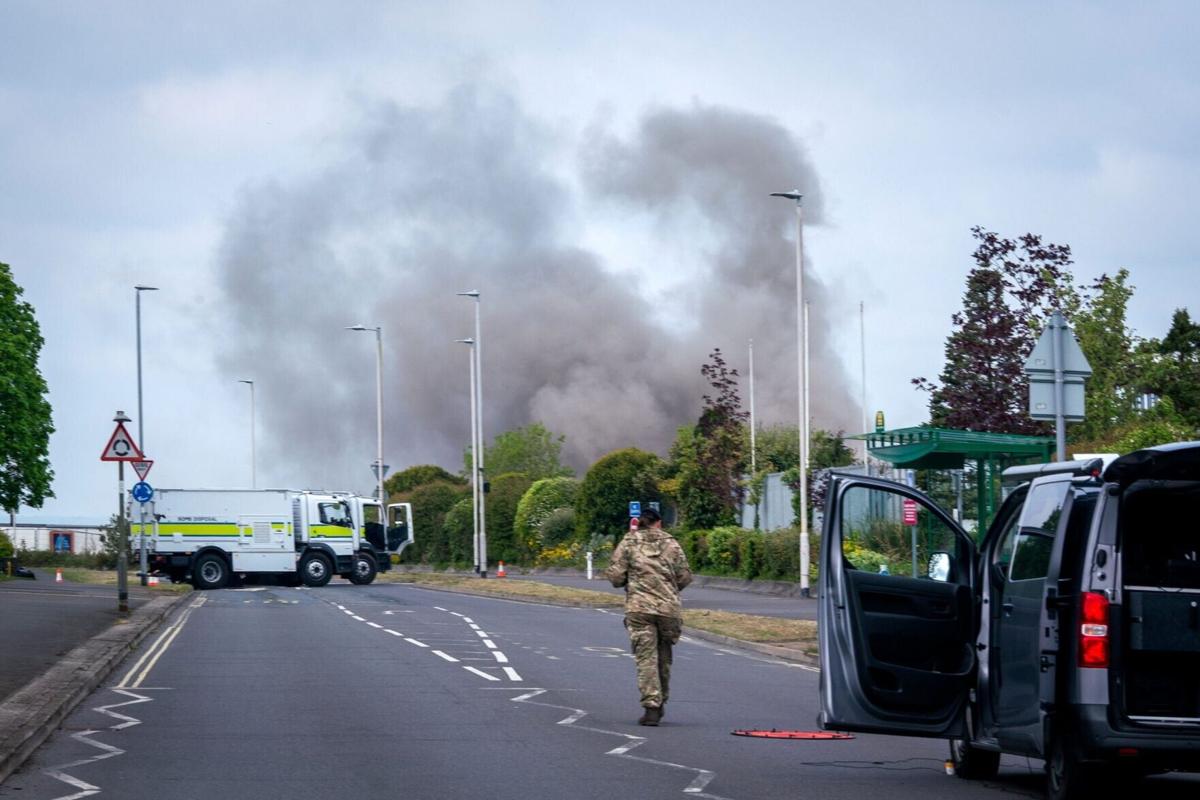
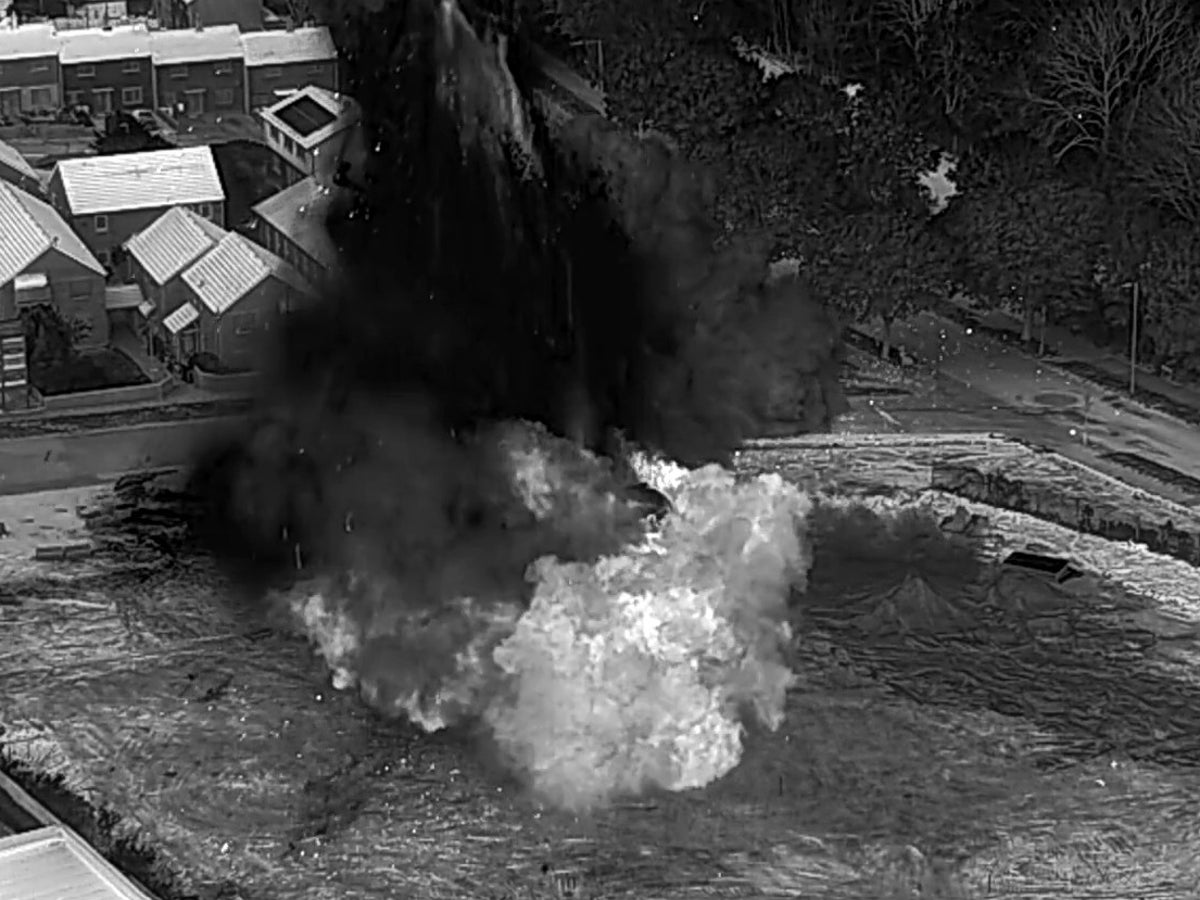
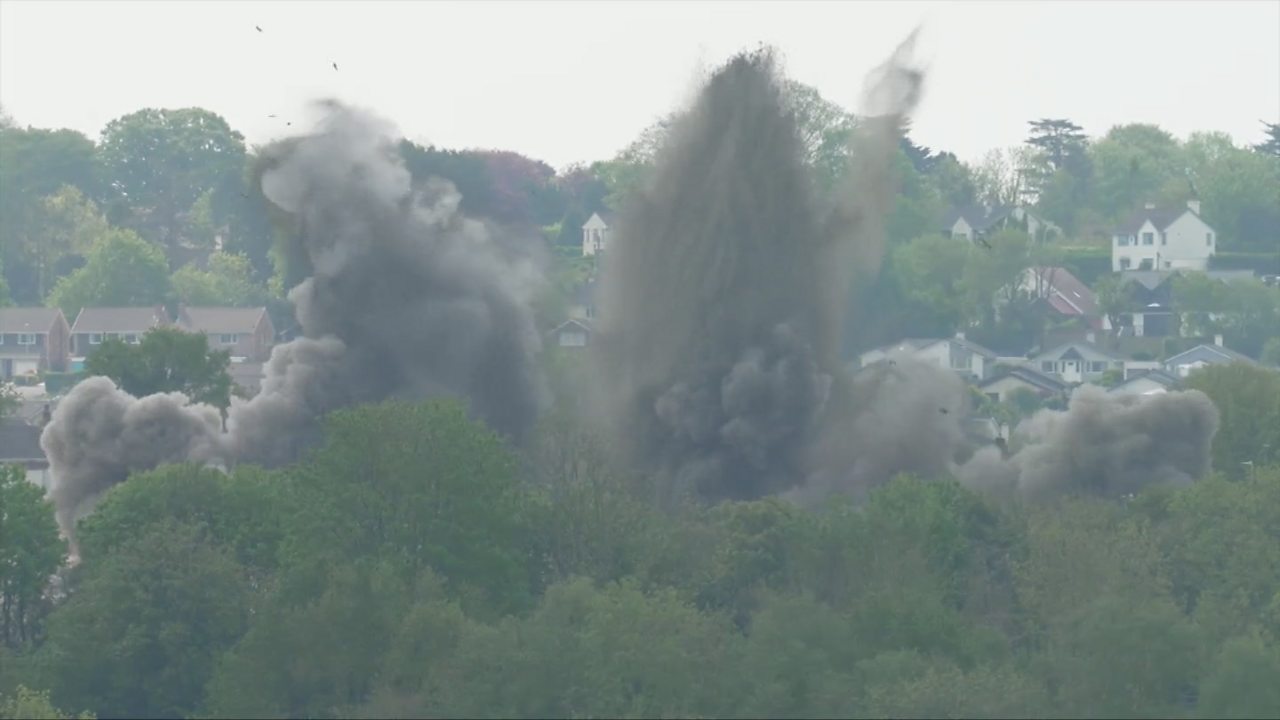
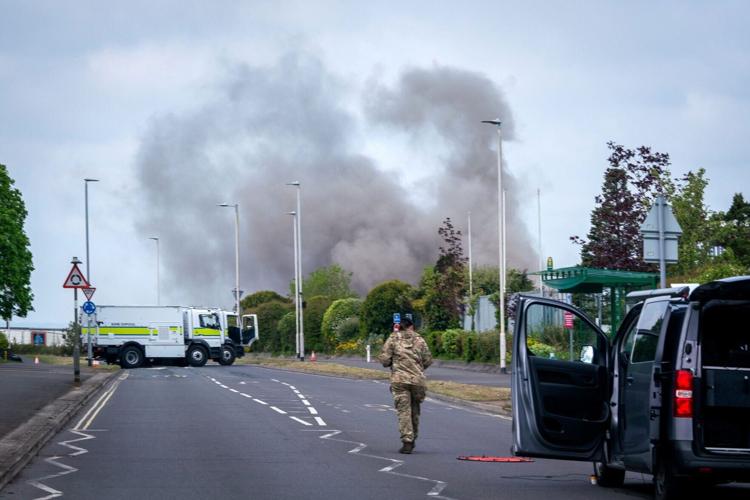
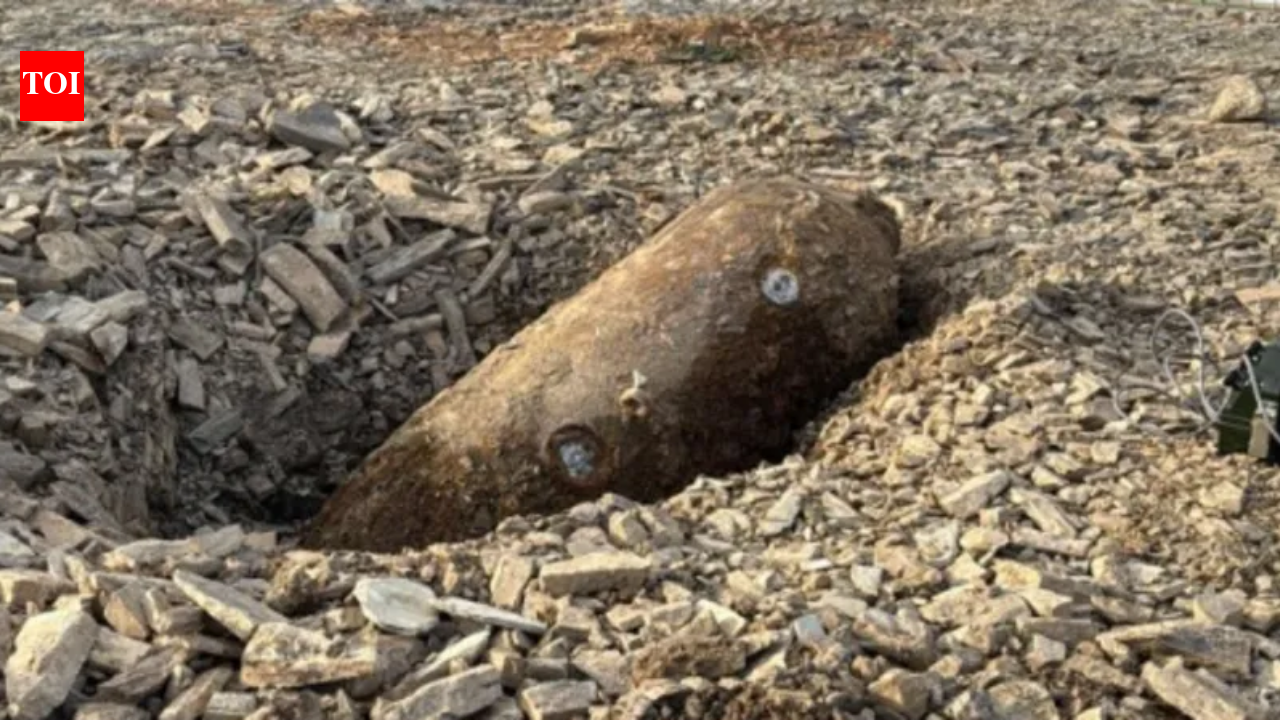
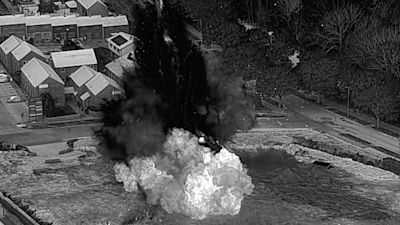
The Plymouth WW2 bomb disposal operation—involving evacuation of 1,200+ homes, a 48-hour emergency response, and controlled detonation of a 250kg unexploded ordnance device—demonstrates critical infrastructure vulnerabilities that cross-border e-commerce sellers must monitor. While the incident itself is localized, it reveals broader supply chain risks affecting UK-based fulfillment operations, 3PL providers, and last-mile delivery networks. The evacuation impacted local services including GP practices and pharmacies, indicating how regional emergencies can disrupt logistics hubs, warehouse operations, and delivery routes.
Supply Chain Risk Implications: The incident marks Plymouth's third bomb discovery within a single year, with Colonel Nick Handy warning that "many more unexploded World War II devices likely remain buried across the south coast." This pattern signals ongoing infrastructure risk in UK coastal regions where German pilots dropped remaining ordnance during WWII. For sellers using UK fulfillment centers, particularly those in South West England, this represents a material operational risk. A 48-hour evacuation can cascade through inventory management, causing delayed shipments, missed delivery windows, and potential Buy Box penalties on Amazon. Sellers relying on single-region fulfillment networks face heightened exposure.
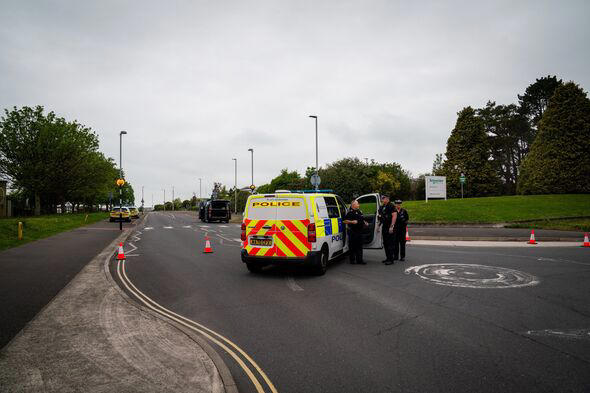
Operational Resilience Strategies: The coordinated emergency response—involving police, military, local government, and volunteer agencies—demonstrates the scale of disruption when critical infrastructure is threatened. Sellers should evaluate their 3PL provider concentration in high-risk regions. The fact that residents and businesses received no compensation for evacuation-related costs or lost income underscores that sellers cannot rely on insurance recovery for supply chain disruptions. This incident reinforces the need for geographic diversification of inventory across multiple UK fulfillment centers (Amazon FBA, Fulfillment by Merchant, or third-party logistics providers in different regions).
Regional Demand Patterns: Emergency evacuations create secondary market opportunities. The 1,200 evacuated residents required temporary accommodation at Southway Youth and Community Centre, signaling demand spikes for emergency supplies, comfort items, and wellness products. Mental health services were made available to affected residents, indicating consumer demand for stress-relief products, wellness categories, and comfort merchandise during crisis periods. Sellers in health, wellness, and home comfort categories can use regional emergency patterns to forecast demand and optimize inventory positioning.
Questions 8
What supply chain risks does the pattern of unexploded ordnance discoveries pose for UK sellers?
Colonel Nick Handy warned that 'many more unexploded World War II devices likely remain buried across the south coast,' with Plymouth experiencing three bomb discoveries within a single year. This pattern indicates ongoing infrastructure vulnerability in UK coastal regions where German pilots dropped remaining ordnance during WWII. Sellers operating fulfillment centers or using 3PL providers in South West England face material operational risk from future evacuations. Consider geographic diversification of inventory to Midlands, Northern, or Scottish fulfillment hubs where historical ordnance risk is lower, reducing exposure to repeated disruptions.
How do regional emergency evacuations like Plymouth's bomb disposal affect Amazon FBA sellers?
Regional emergencies can disrupt fulfillment center operations, delay shipments, and trigger Buy Box penalties if delivery promises are missed. The Plymouth evacuation of 1,200 homes lasted 48 hours and impacted local services including pharmacies and GP practices, demonstrating how infrastructure disruptions cascade through logistics networks. Sellers using FBA facilities in affected regions may experience 2-5 day delays in order processing and shipping. To mitigate risk, diversify inventory across multiple FBA fulfillment centers in different UK regions rather than concentrating stock in single locations vulnerable to emergency disruptions.