


Rwanda's Proxy War: Unraveling the Congo Conflict's Geopolitical Powder Keg
- Escalating regional tensions threaten stability across Central Africa's mineral-rich territories










Overview
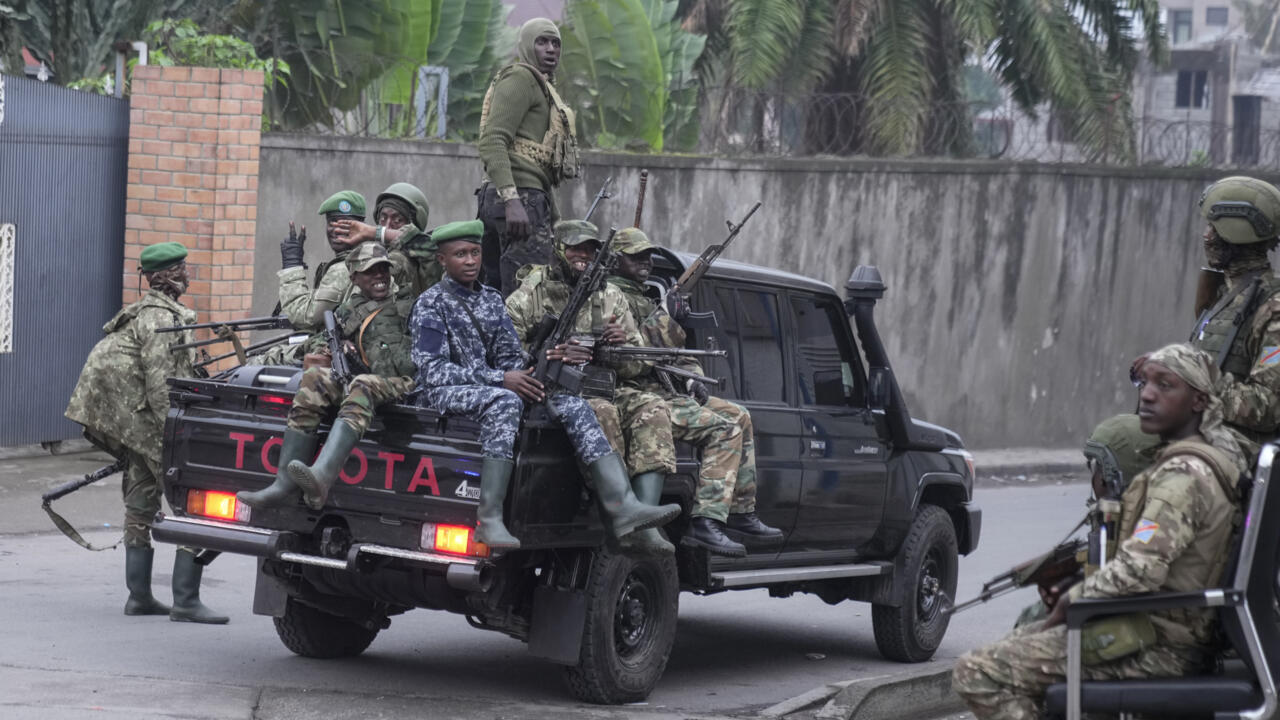
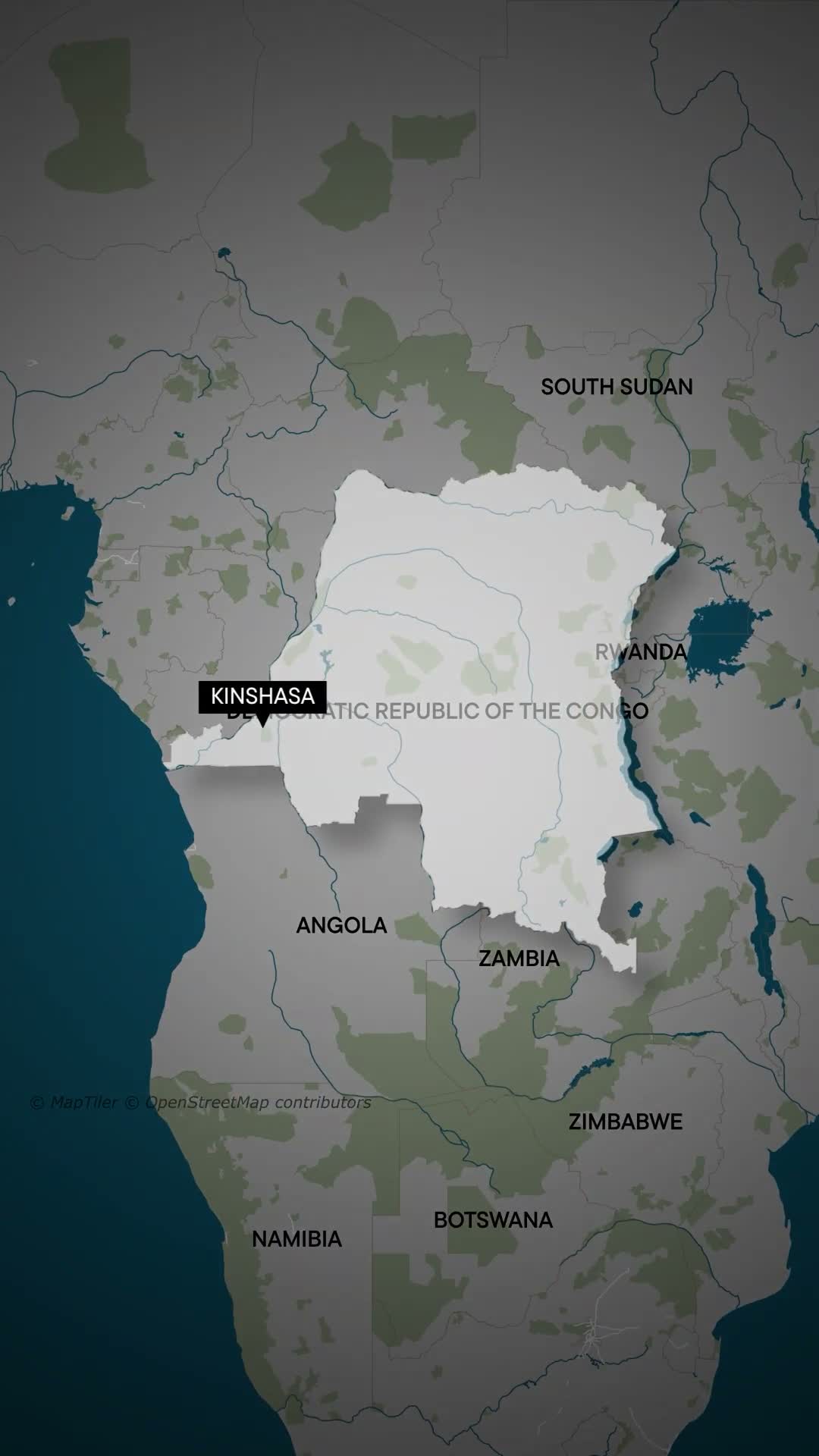
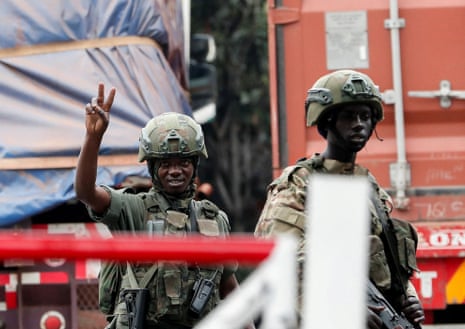
The ongoing conflict in eastern Democratic Republic of Congo (DRC) represents a critical inflection point in regional geopolitics, where strategic mineral resources are colliding with complex ethnic tensions and international diplomatic maneuvering. At the epicenter, Rwanda's alleged support for M23 rebels has transformed a localized insurgency into a potential multi-country confrontation with profound economic and humanitarian implications.
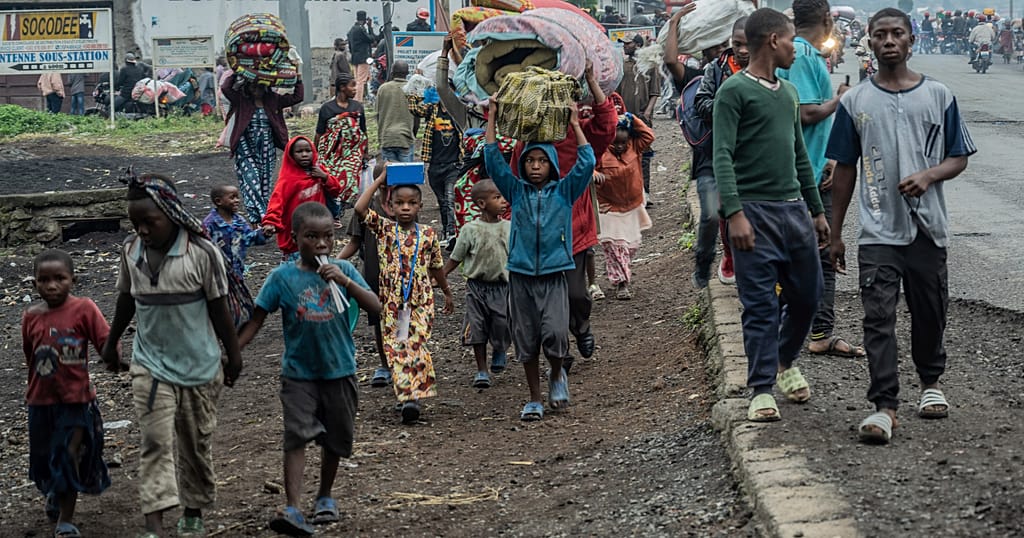
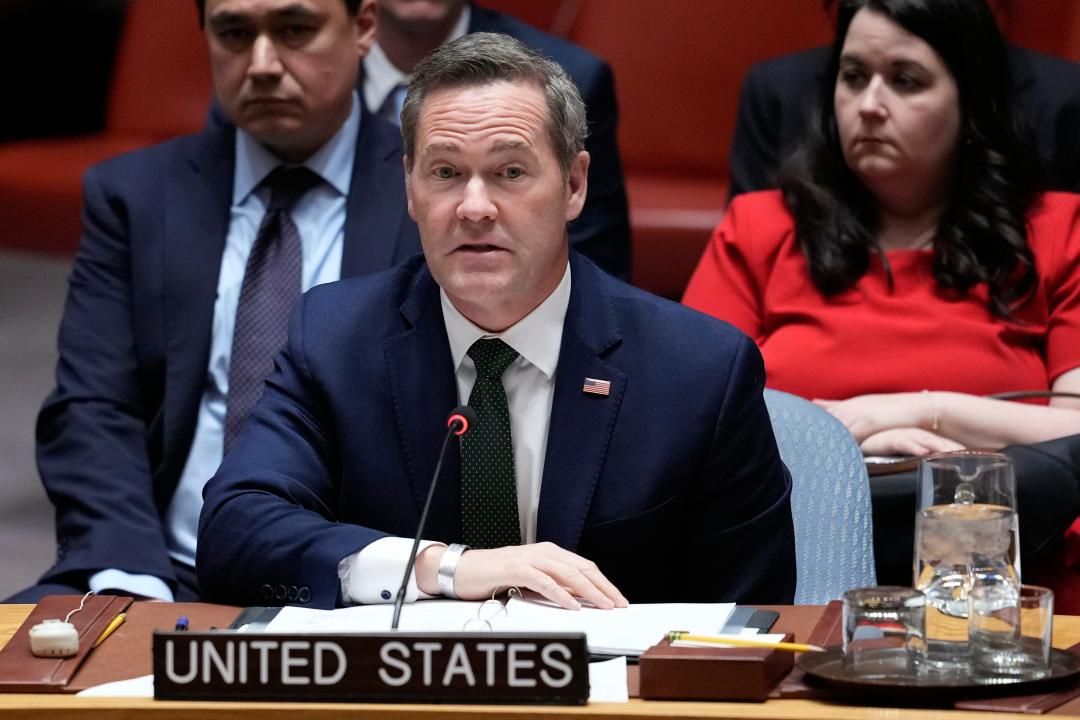
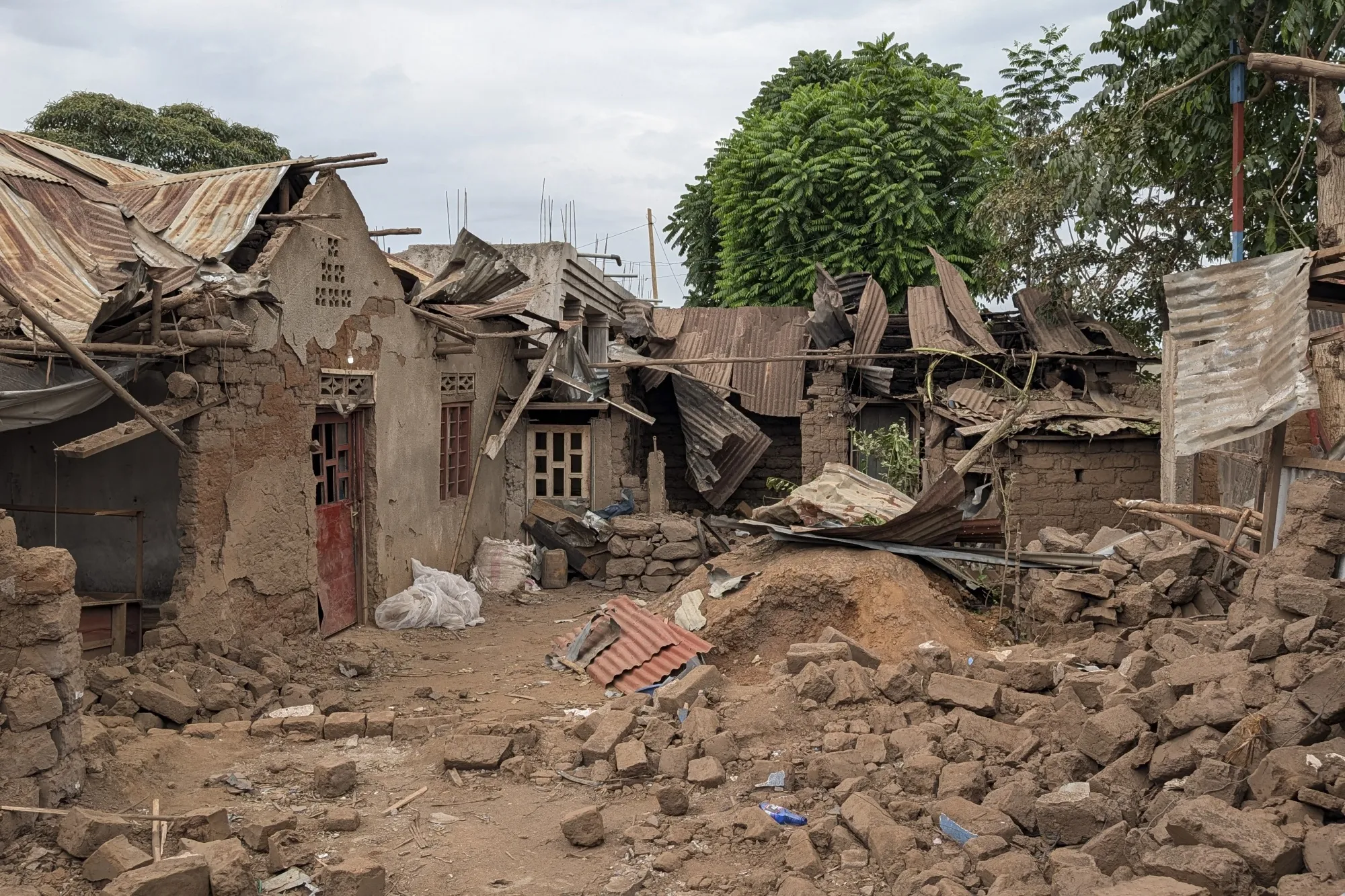
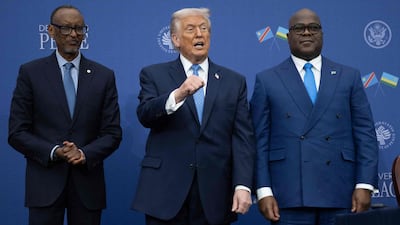
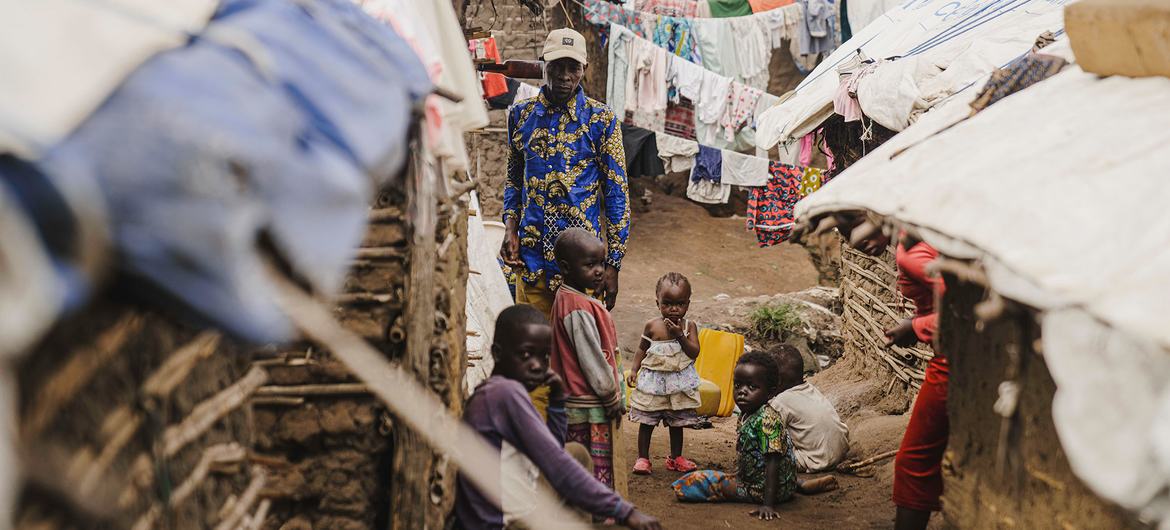
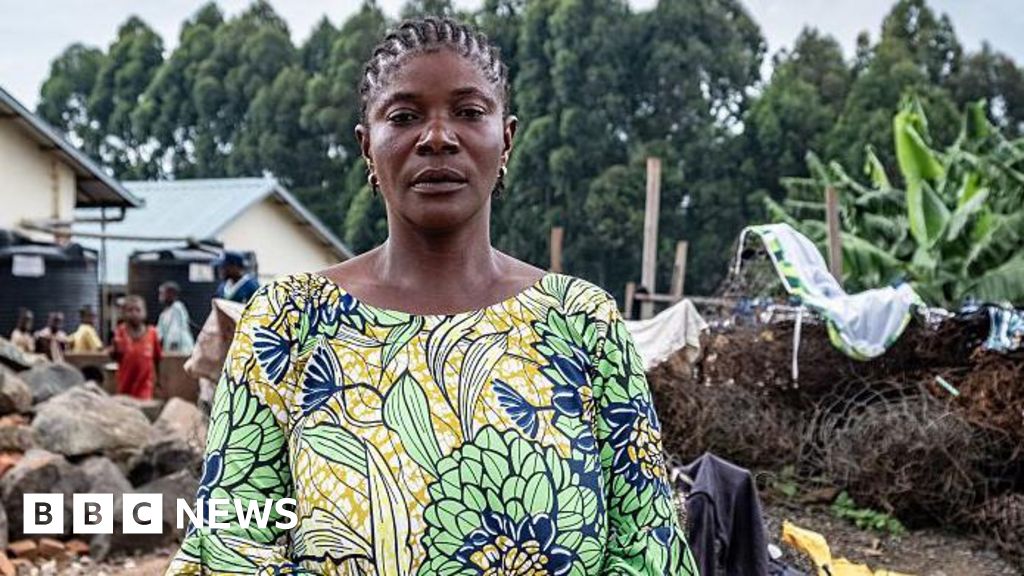
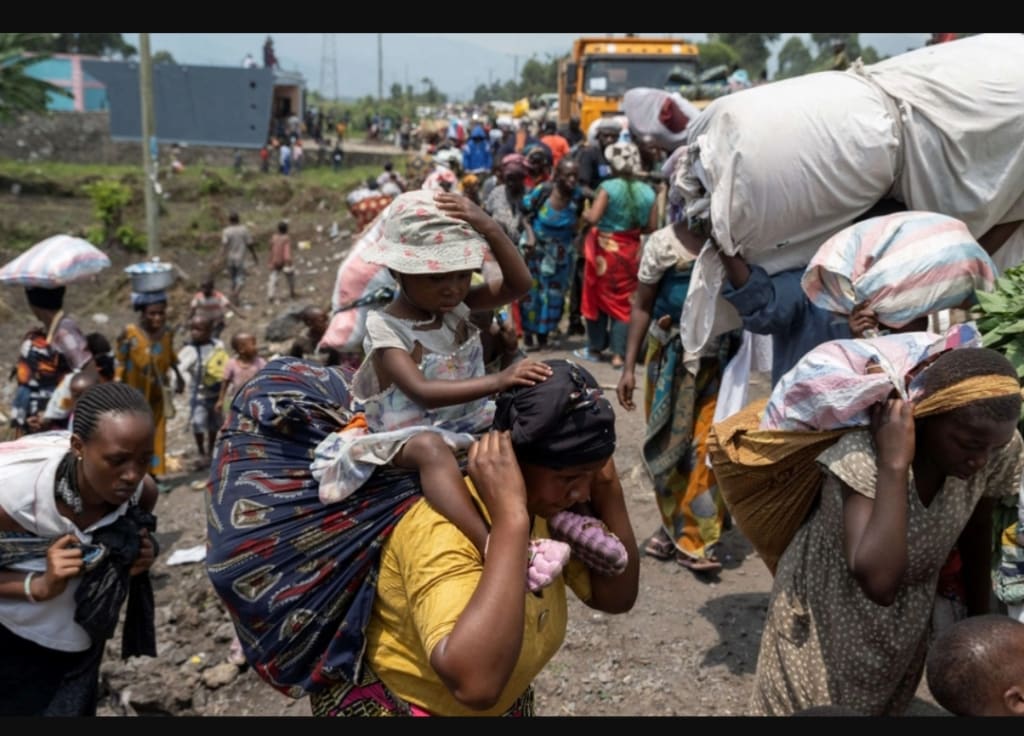
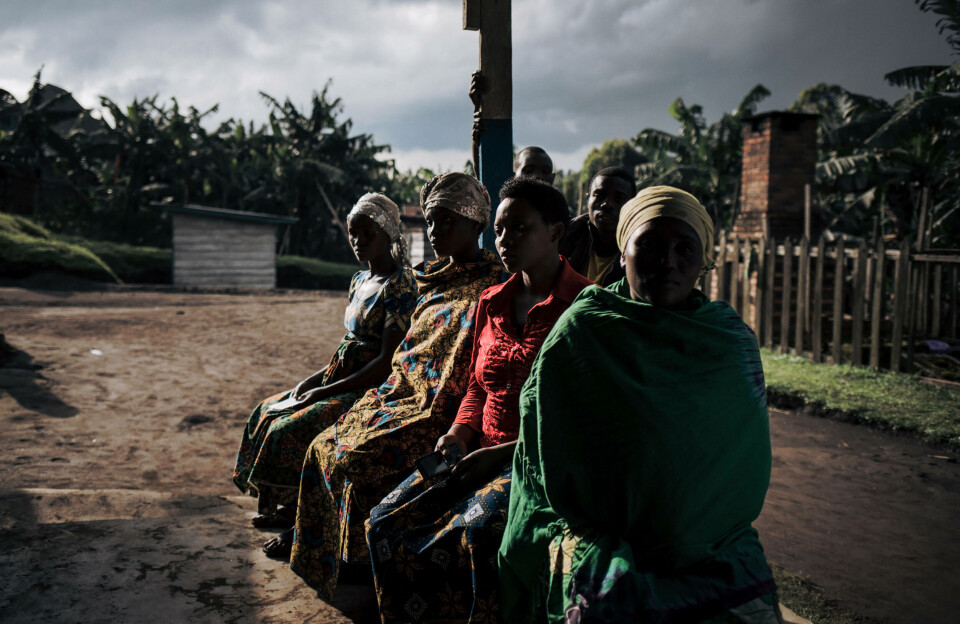
The conflict's escalation is marked by alarming statistics: over 400 civilians killed, approximately 200,000 people displaced, and a rebel group that has rapidly expanded from hundreds to an estimated 6,500 fighters. The United States has taken an unusually direct stance, with Ambassador Mike Waltz explicitly accusing Rwanda of violating a US-brokered peace agreement and potentially destabilizing the entire region.
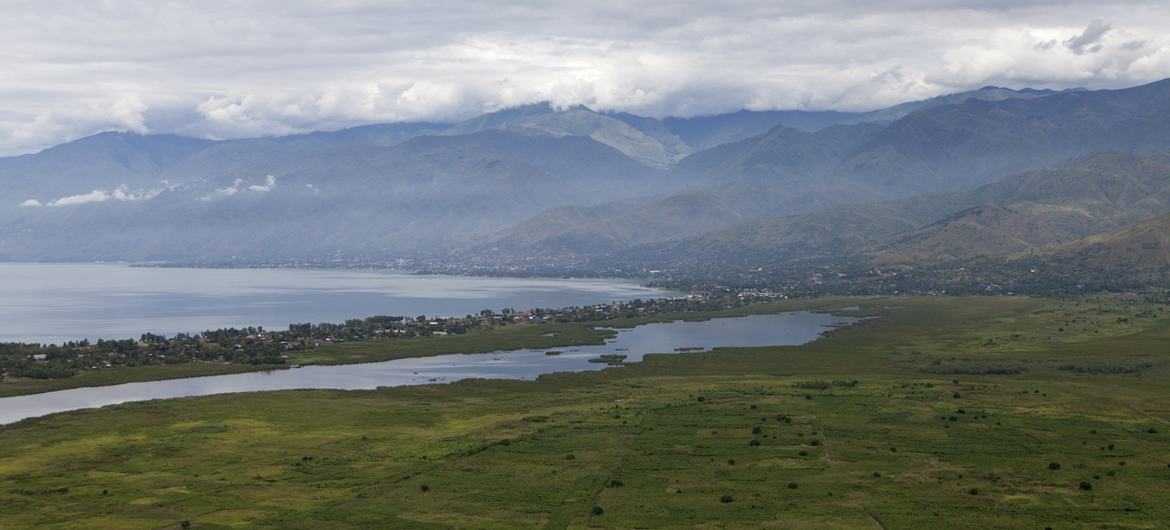
What makes this conflict particularly volatile is its multidimensional nature. The M23 rebels are not merely a military force but a strategic instrument potentially designed to reshape territorial control in mineral-rich eastern Congo. Their capture of the strategic port city of Uvira provides a critical corridor of influence, threatening to draw neighboring countries like Burundi into direct confrontation.
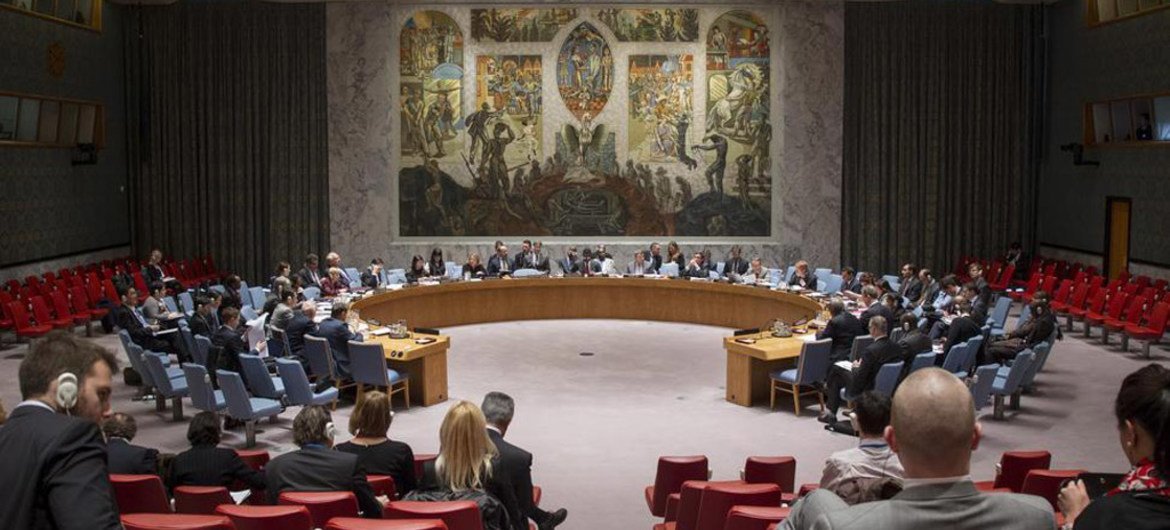
The underlying dynamics reveal a complex geopolitical chess game. Rwanda's alleged involvement suggests a calculated strategy of maintaining indirect control through proxy forces, while the DRC government seeks international intervention through diplomatic channels. The UN Security Council is now facing mounting pressure to impose sanctions, potentially including banning Rwanda's mineral exports and prohibiting its participation in peacekeeping missions.
For international businesses and investors, this conflict represents more than a humanitarian crisis—it's a significant supply chain and economic stability risk. The mineral-rich territories at the center of this conflict are crucial for critical manufacturing technologies, meaning the ongoing tensions could have far-reaching global economic consequences.
The international community stands at a critical juncture. Diplomatic efforts must balance immediate conflict resolution with addressing the long-standing ethnic tensions and resource competition that fuel these recurring conflicts. Failure to broker a sustainable peace could transform eastern Congo from a localized conflict zone into a broader regional powder keg.
Questions 3
How might international diplomatic efforts resolve this conflict?
Successful resolution requires a multi-pronged approach: UN Security Council sanctions, direct diplomatic negotiations between Rwanda and DRC, addressing underlying ethnic tensions, and creating economic incentives for peaceful territorial cooperation. The current US-led mediation represents a critical diplomatic intervention.
What are the potential global economic implications of this conflict?
The conflict threatens critical mineral supply chains essential for manufacturing technologies. With eastern Congo hosting significant mineral reserves, prolonged instability could disrupt global supply networks, potentially increasing prices and creating uncertainty for industries dependent on these resources.