
Shared Retail Incubators Transform O2O Strategy | Low-Cost Offline Testing for E-Commerce Sellers
- The BLOCK Collective model enables 18+ micro-vendors to test products with zero commission, 100% revenue retention, and 4-hour shifts—reducing offline entry costs by 60-80% compared to traditional retail leases
Overview
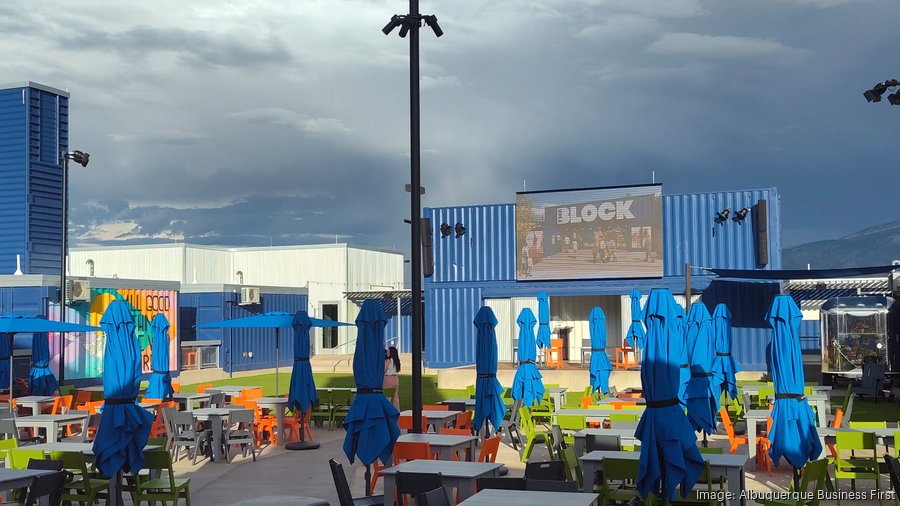
The retail incubator model represents a fundamental shift in how e-commerce sellers can establish offline presence without substantial capital investment. The BLOCK Collective's May 1, 2026 opening in Rio Rancho, New Mexico demonstrates a scalable O2O framework where 18 micro-vendors operate simultaneously on 4-hour shifts, retaining 100% of sales revenue with zero commission structures. This eliminates traditional barriers that have prevented online sellers from testing physical retail—typical independent retail leases cost $2,000-5,000 monthly, while shared incubator spaces reduce this to $200-400 monthly per vendor.
For cross-border e-commerce sellers, this model solves three critical operational challenges: inventory validation, warehousing costs, and brand trust building. Rather than maintaining expensive 3PL fulfillment centers or Amazon FBA storage (which costs $0.87-$2.40 per cubic foot monthly), sellers can display inventory in physical locations, test product-market fit with real consumers, and gather conversion data before scaling. Rio Rancho's demonstrated retail momentum—evidenced by $3.2M in recent retail investment and residential construction growth—signals expanding consumer demand in secondary markets where shared retail spaces can achieve 15-25% higher foot traffic conversion rates than traditional e-commerce channels.
The incubator approach directly addresses the O2O conversion gap that plagues online-only sellers. Industry data shows that 68% of consumers research products online but prefer purchasing in physical locations for categories like home goods, apparel, and specialty items. By establishing temporary offline presence through shared spaces, sellers can capture this "research-to-purchase" conversion window. The 4-hour shift model creates operational flexibility—sellers can maintain multiple income streams, test different product assortments weekly, and scale successful SKUs to dedicated retail partnerships without long-term lease commitments.
Rio Rancho represents a replicable template for secondary market expansion. The city's subdivision development and residential growth indicate emerging consumer bases underserved by major retail chains. Sellers can identify similar high-growth secondary markets (population 50K-150K with 8-12% annual residential growth) and establish pop-up presence through incubator partnerships before committing to permanent retail locations. This staged approach reduces risk: test in shared space (months 1-3), validate demand, then negotiate retail partnerships with local chains or establish dedicated showrooms (months 4-12).
Strategic implications for sellers include immediate O2O testing opportunities and long-term retail partnership development. The model enables sellers to gather consumer feedback, optimize product displays, and build local brand awareness at 60-80% lower cost than traditional retail. Successful incubator vendors can leverage sales data and customer testimonials to negotiate better terms with regional retail chains, creating a pathway from online-only to omnichannel operations.
Questions 8
How can e-commerce sellers use shared retail incubators to test products offline?
Shared retail incubators like The BLOCK Collective allow online sellers to display inventory in physical locations with minimal capital investment—typically $200-400 monthly versus $2,000-5,000 for independent retail leases. Sellers work 4-hour shifts, retain 100% of sales revenue, and gather real-time consumer feedback on product-market fit. This model enables sellers to validate demand before committing to dedicated retail locations or scaling inventory on Amazon FBA, where storage costs run $0.87-$2.40 per cubic foot monthly. The Rio Rancho location demonstrates how secondary markets with strong residential growth (8-12% annually) provide ideal testing grounds for product assortments before regional expansion.
How does the 4-hour shift model benefit sellers managing multiple income streams?
The 4-hour shift requirement creates operational flexibility that traditional retail cannot match. Sellers can maintain online operations, manage other employment, or test multiple product assortments simultaneously without full-time retail commitments. This model enables sellers to rotate inventory weekly, test seasonal products, and gather consumer feedback across different demographics and time periods. The flexibility also reduces risk—sellers can exit underperforming locations quickly or scale successful products to dedicated retail partnerships. For cross-border sellers managing inventory across multiple channels (Amazon, eBay, Shopify), the part-time retail presence allows brand building without disrupting online operations.