


California AV Enforcement Rules 2026 | Last-Mile Logistics Compliance Shift
- July 1, 2026 enforcement creates new liability framework affecting 50K+ sellers using robotaxi/autonomous delivery; autonomous truck testing approved, reducing freight costs 15-25% by 2027

























Overview
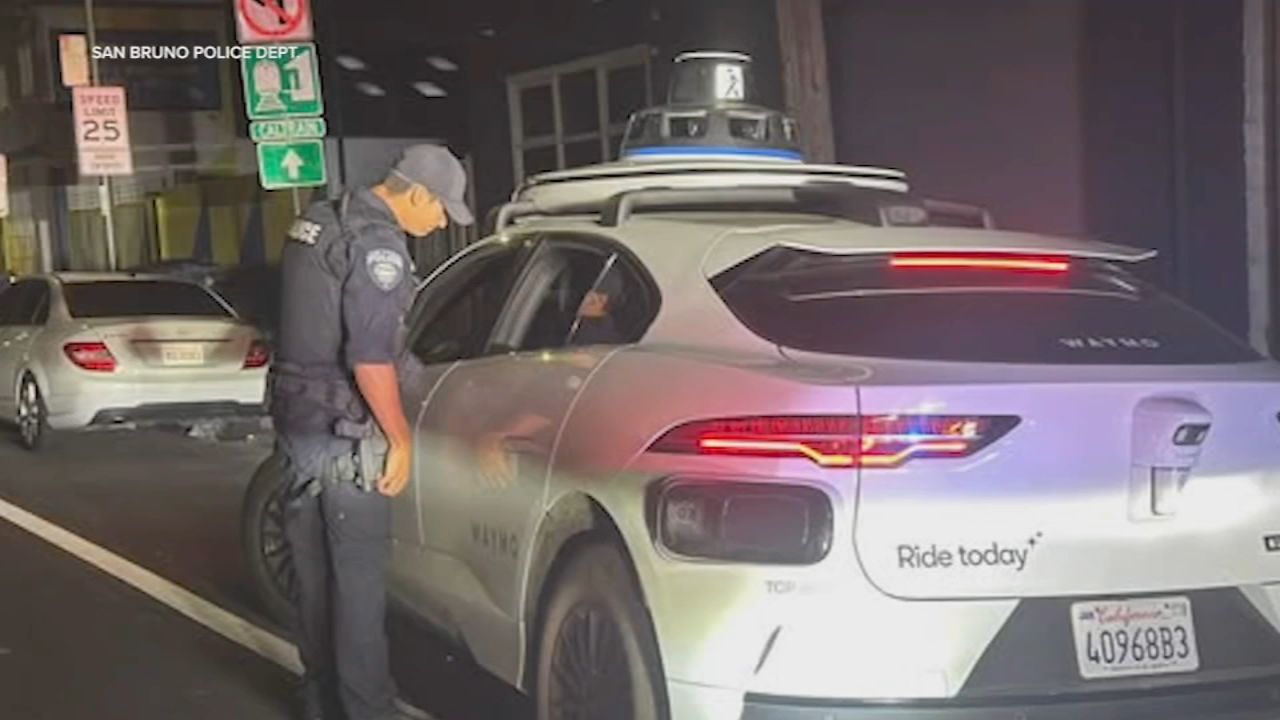
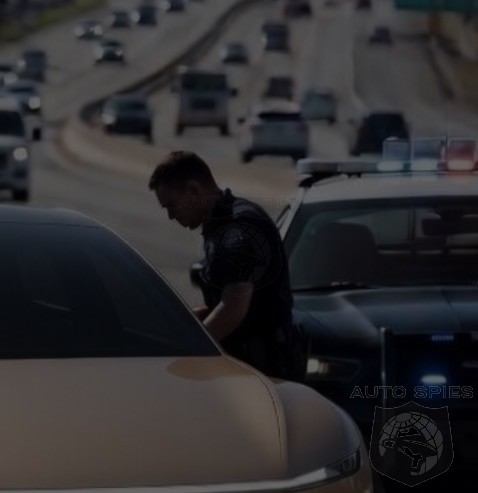
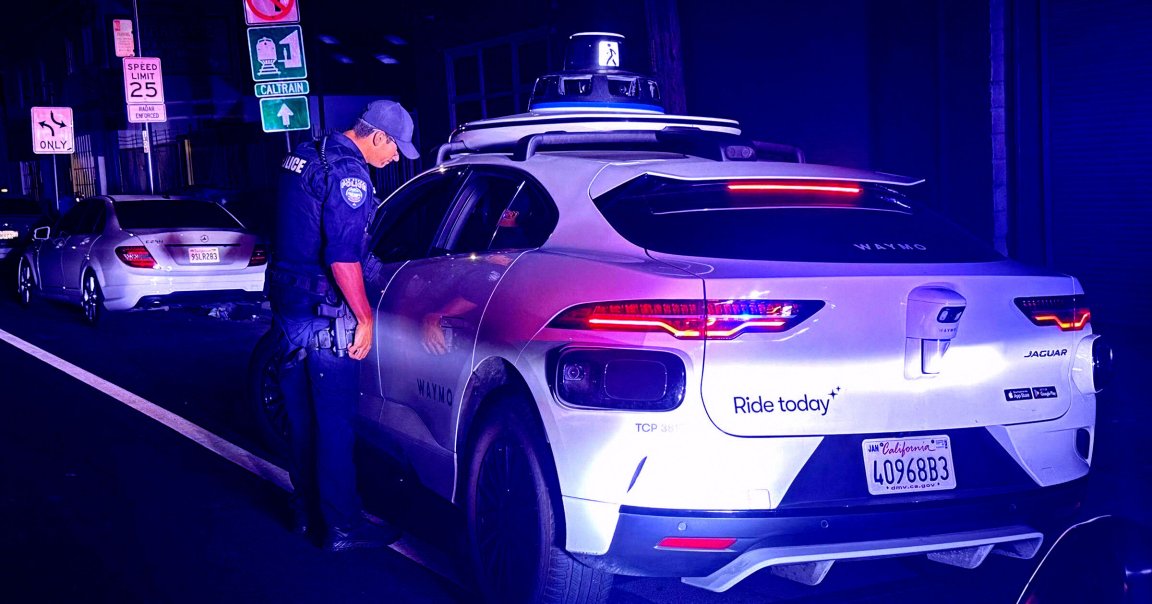
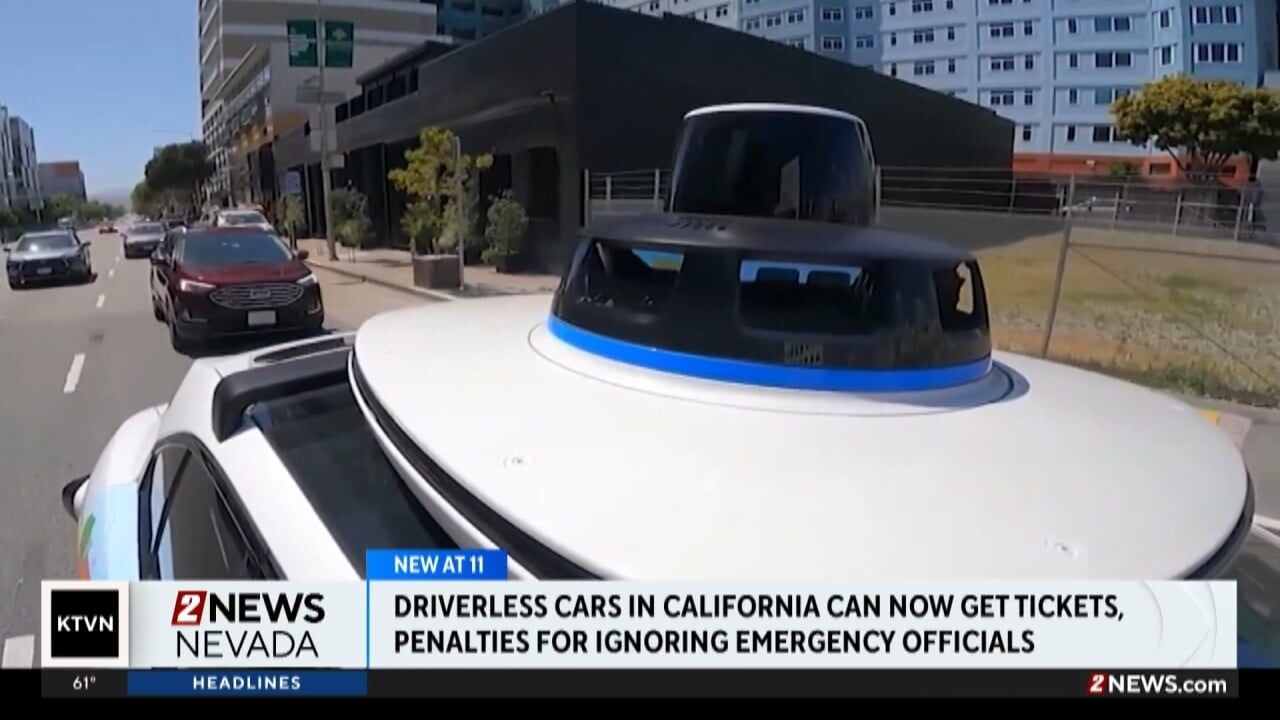
California's Department of Motor Vehicles has fundamentally restructured autonomous vehicle accountability through Assembly Bill 1777, effective July 1, 2026, establishing a critical compliance framework that directly impacts cross-border e-commerce logistics infrastructure. The new regulations empower law enforcement to issue citations directly to autonomous vehicle manufacturers for traffic violations—closing a regulatory gap that previously allowed driverless vehicles to operate with minimal enforcement consequences. This represents a shift from permissive innovation oversight to active accountability, with companies required to report incidents to the DMV within 72 hours (24 hours for collisions) and face escalating penalties including fleet size restrictions, operational suspensions, or complete permit revocation.
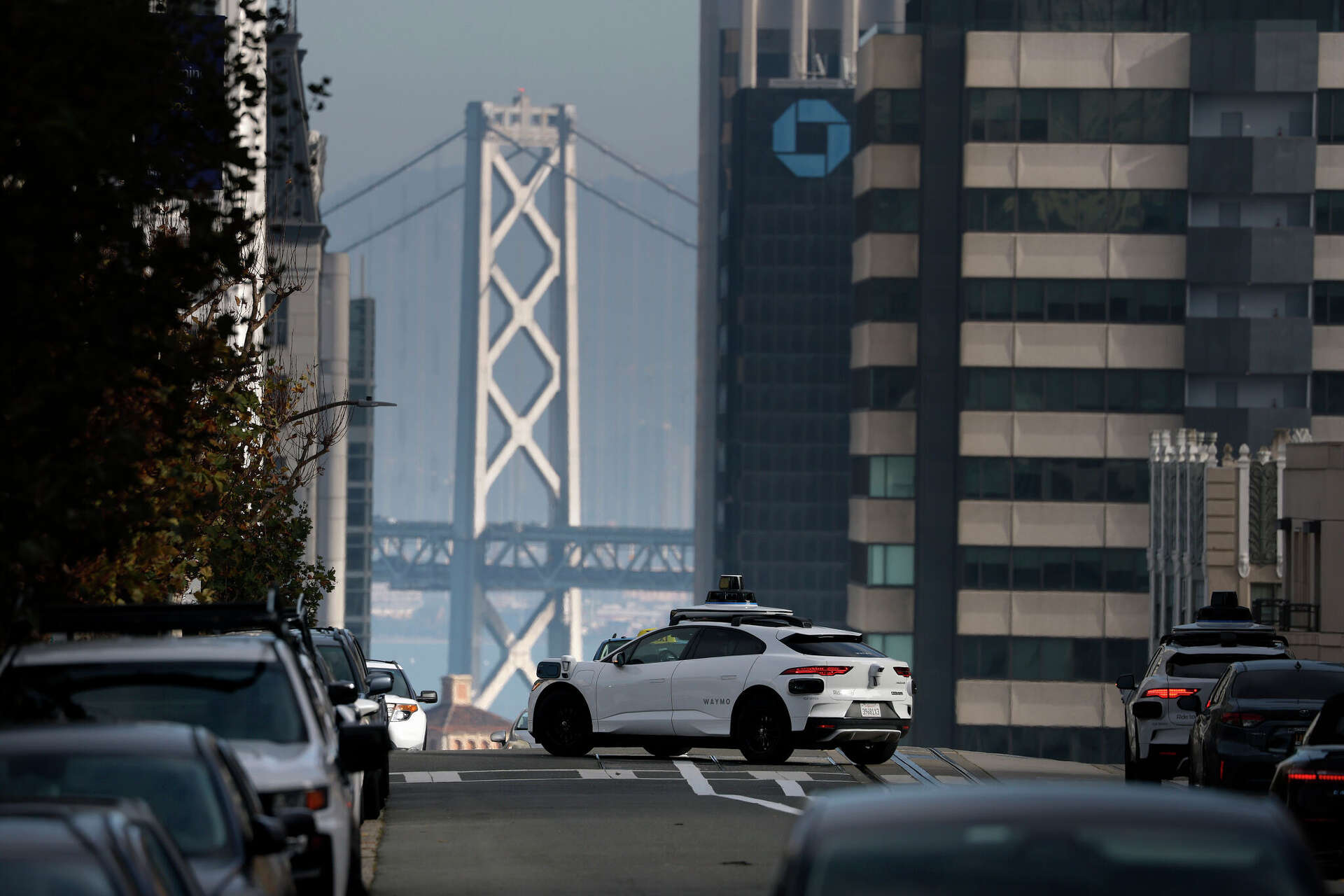
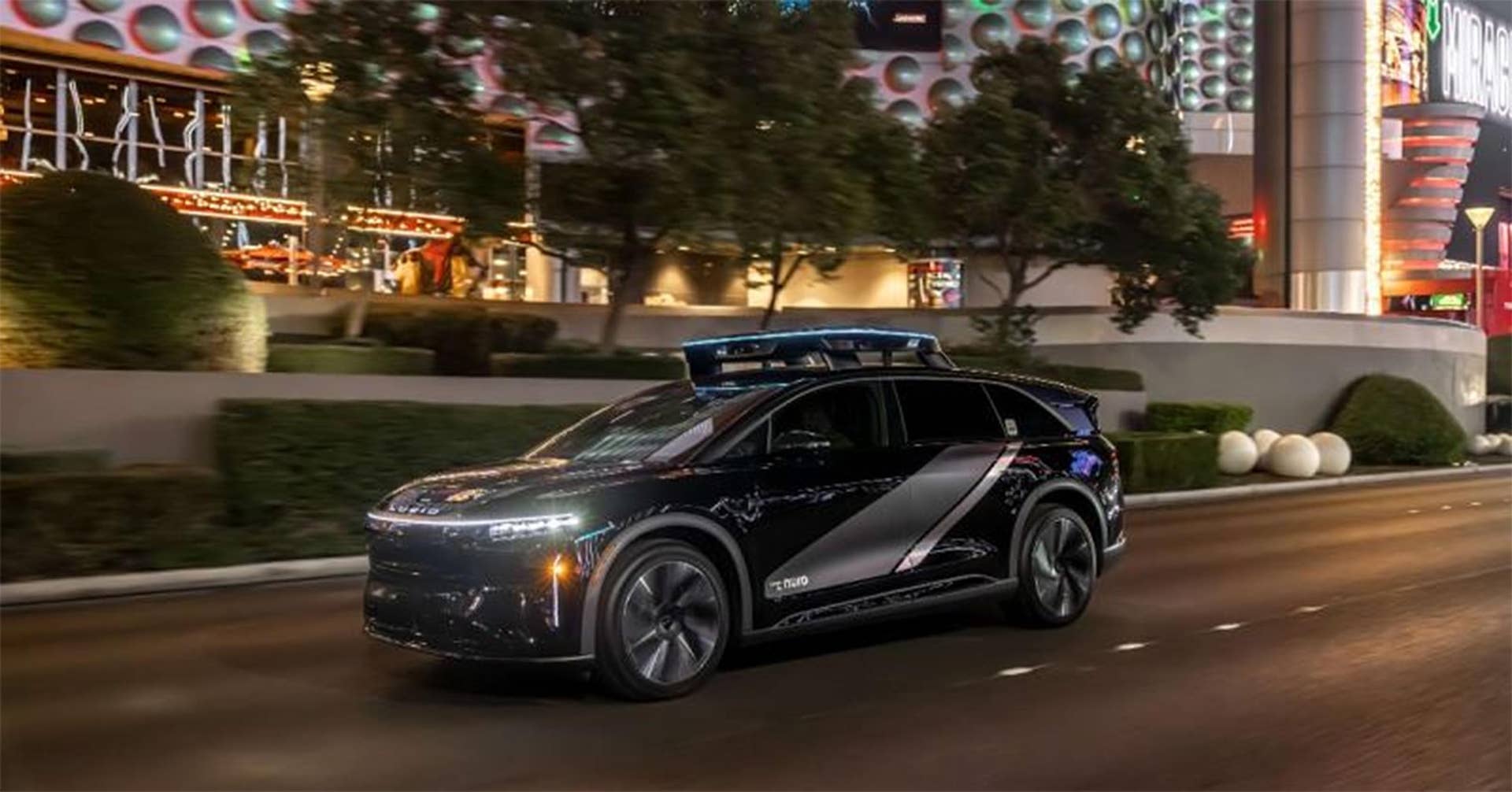
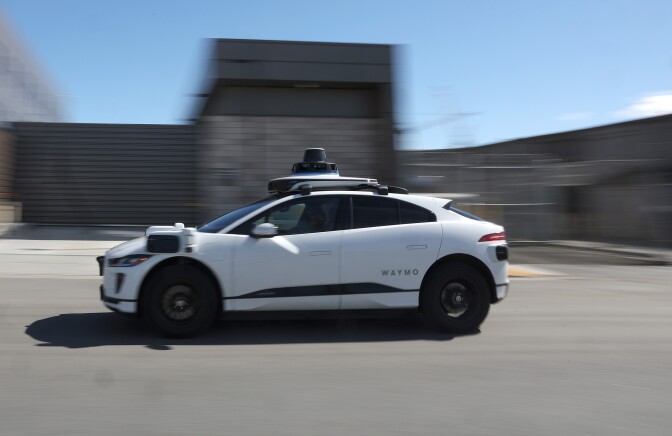
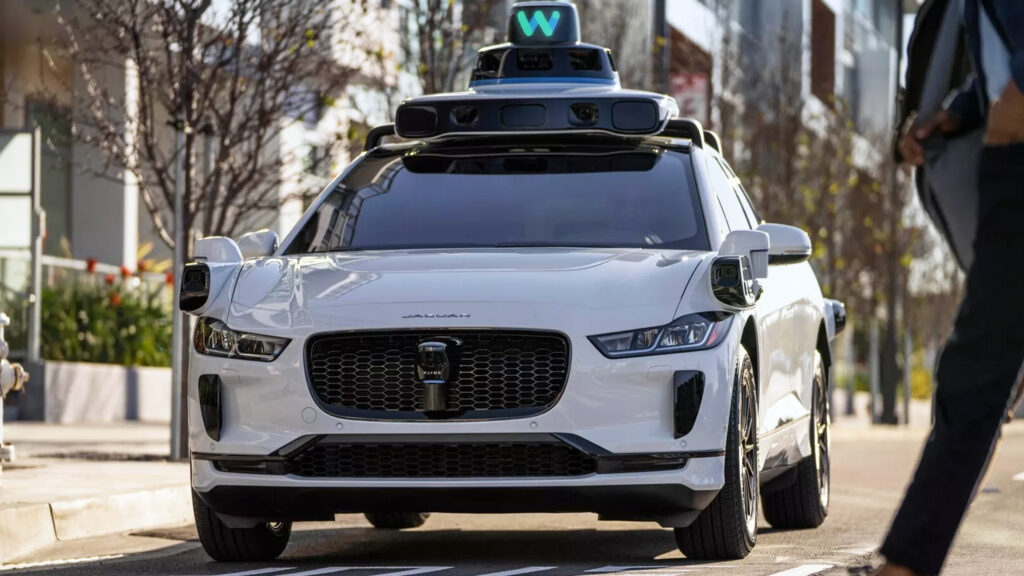
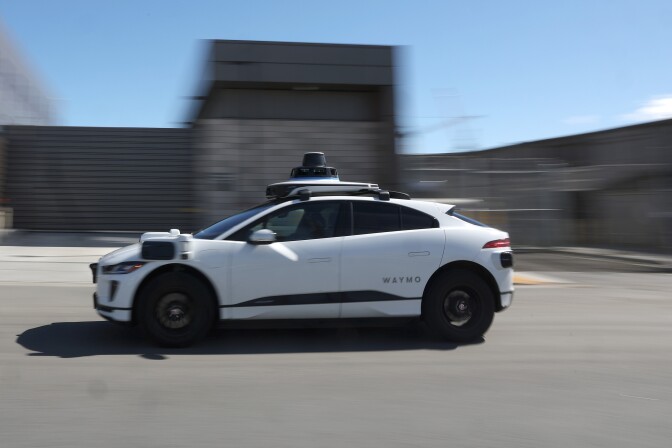
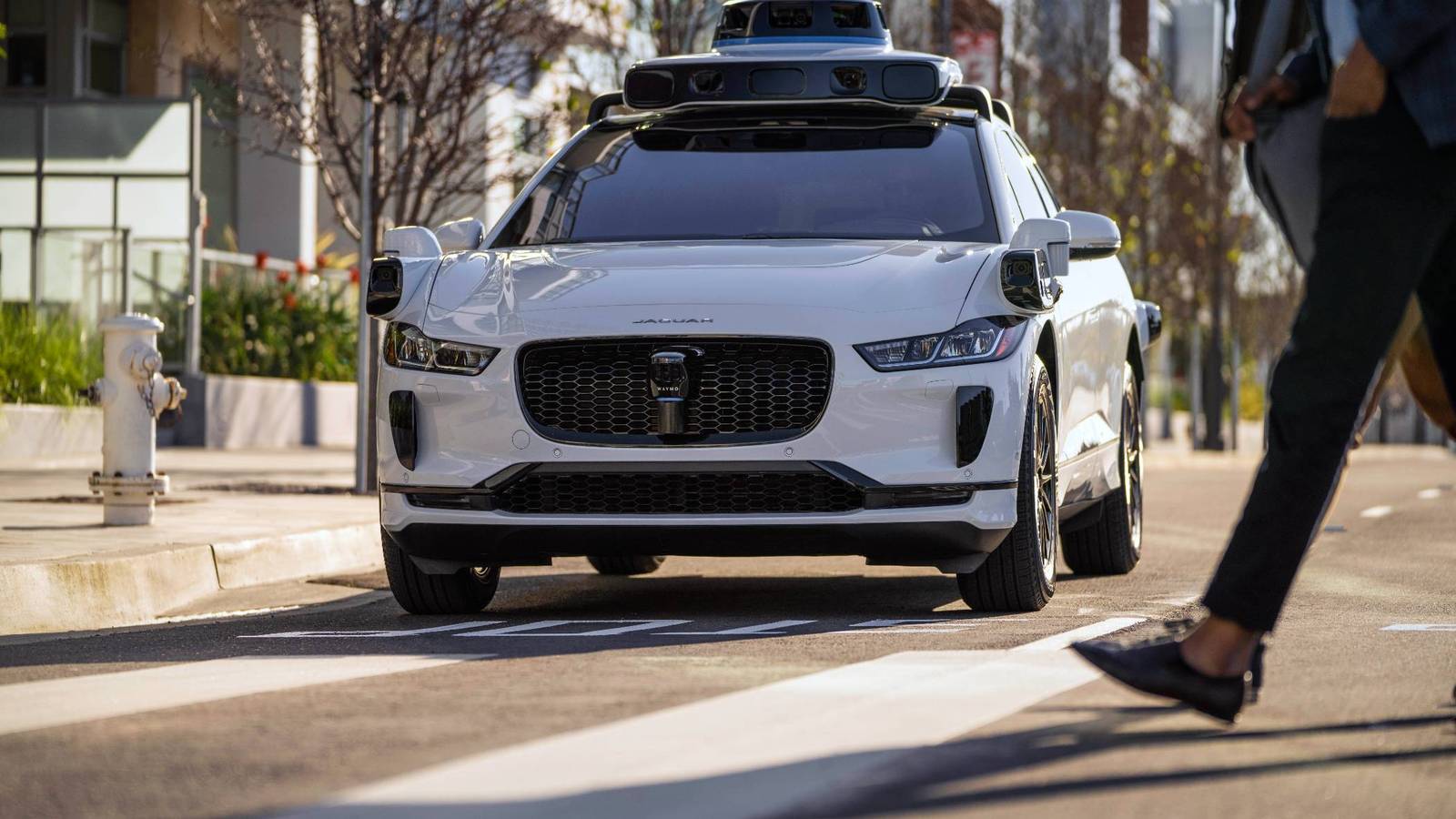
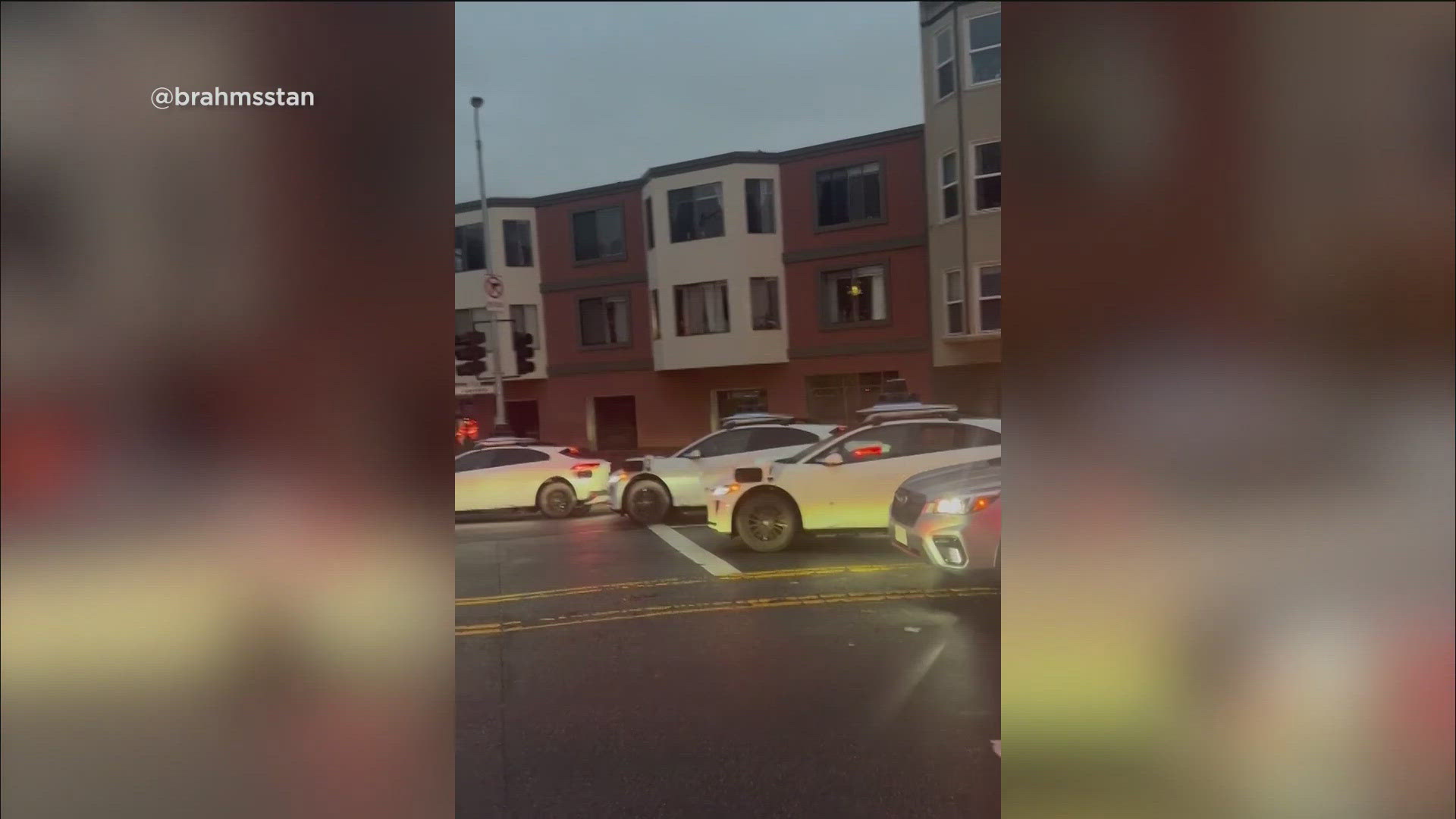
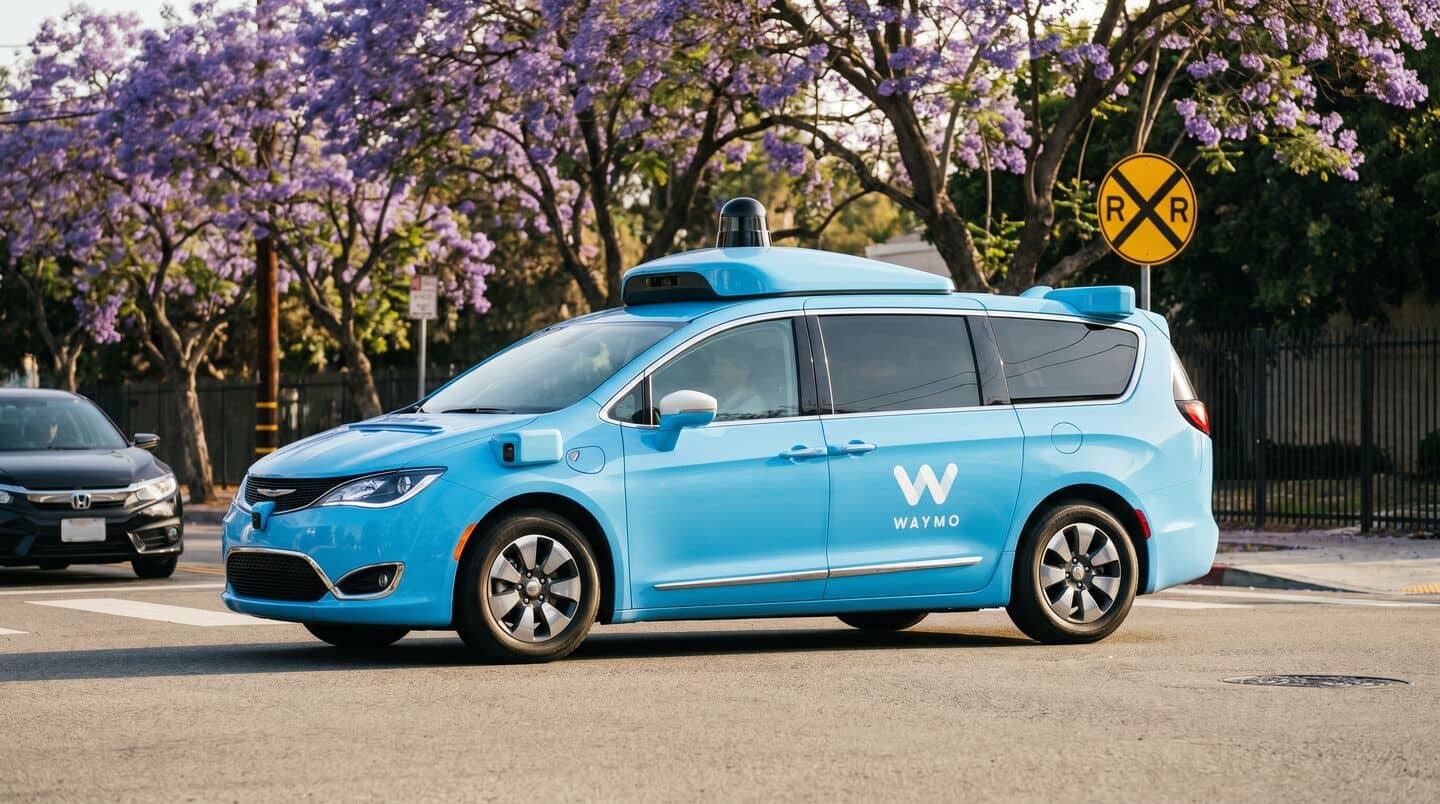
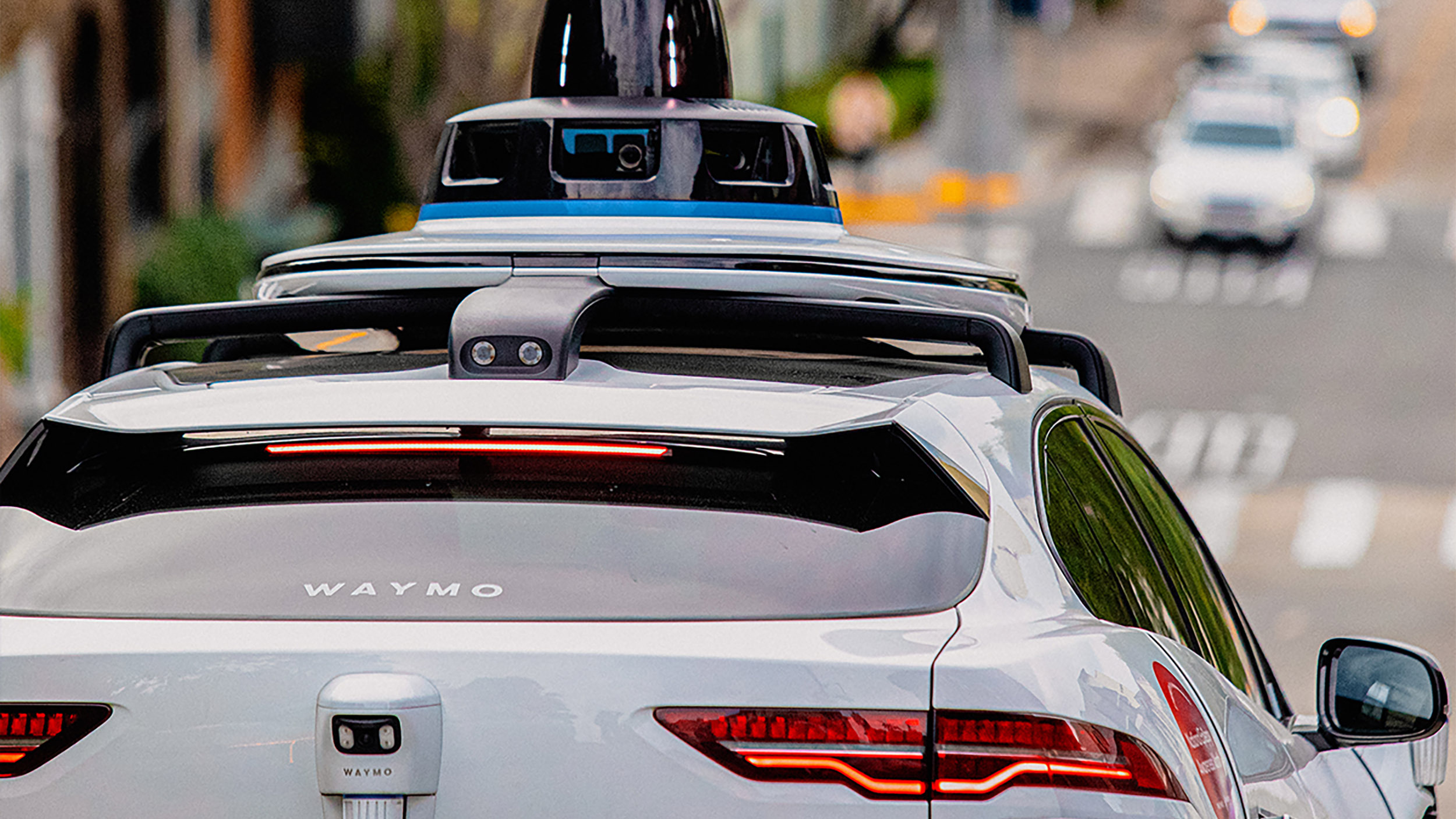
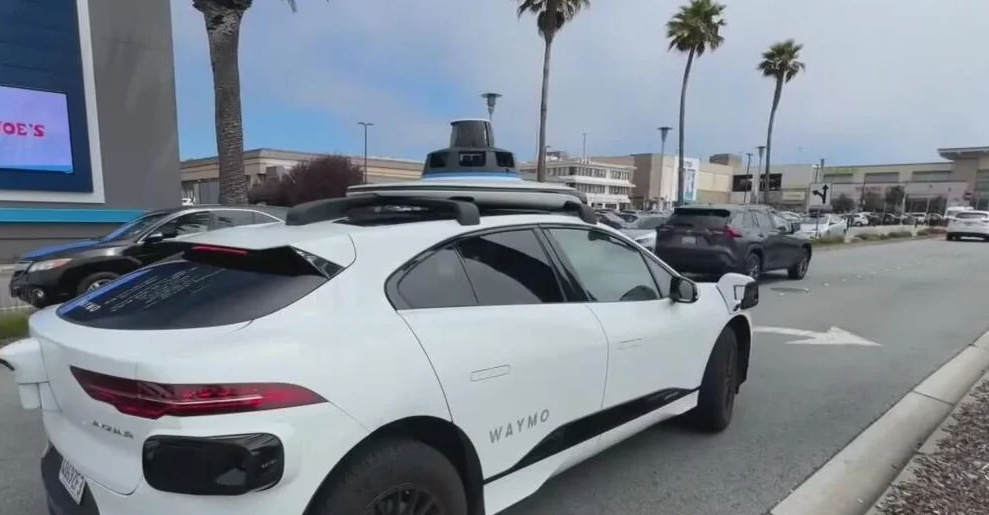
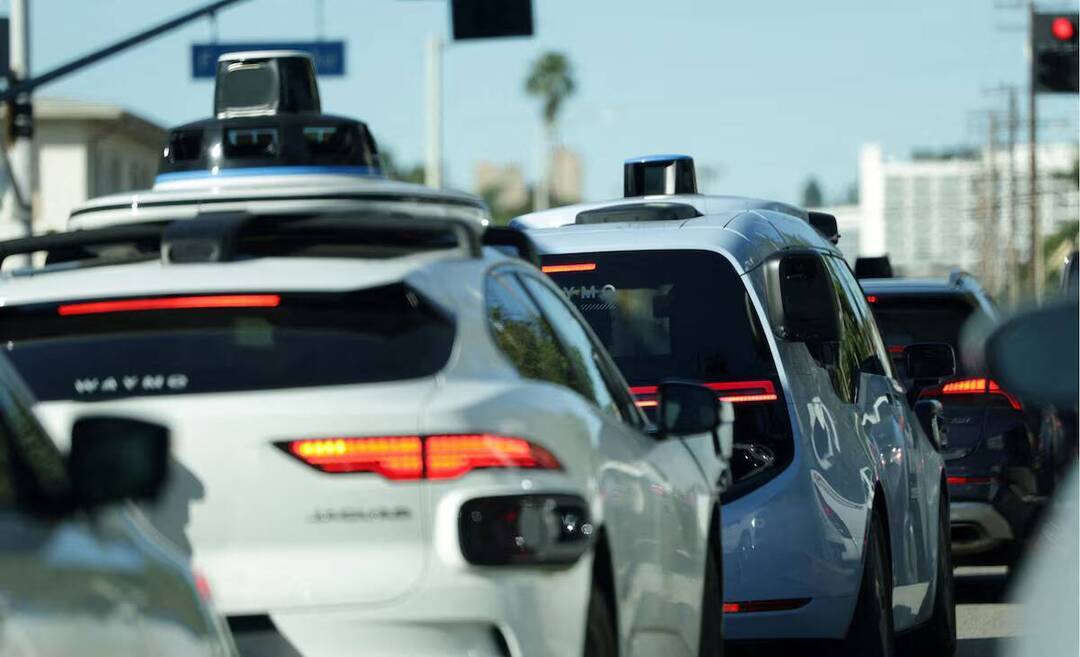
For e-commerce sellers, this creates both compliance risks and logistics opportunities. Sellers utilizing Waymo robotaxis or similar autonomous delivery services for last-mile fulfillment in California, San Francisco Bay Area, Los Angeles County, and seven new Tesla expansion cities (Dallas, Houston, Phoenix, Miami, Orlando, Tampa, Las Vegas) must monitor service reliability and insurance cost implications. The enforcement framework establishes manufacturer liability rather than driver liability, potentially stabilizing delivery predictability as companies invest in compliance infrastructure. Local authorities gained geofencing powers to restrict autonomous vehicles from emergency zones within 2 minutes and require 30-second emergency response lines, which may reduce traffic congestion and improve delivery windows for time-sensitive shipments.
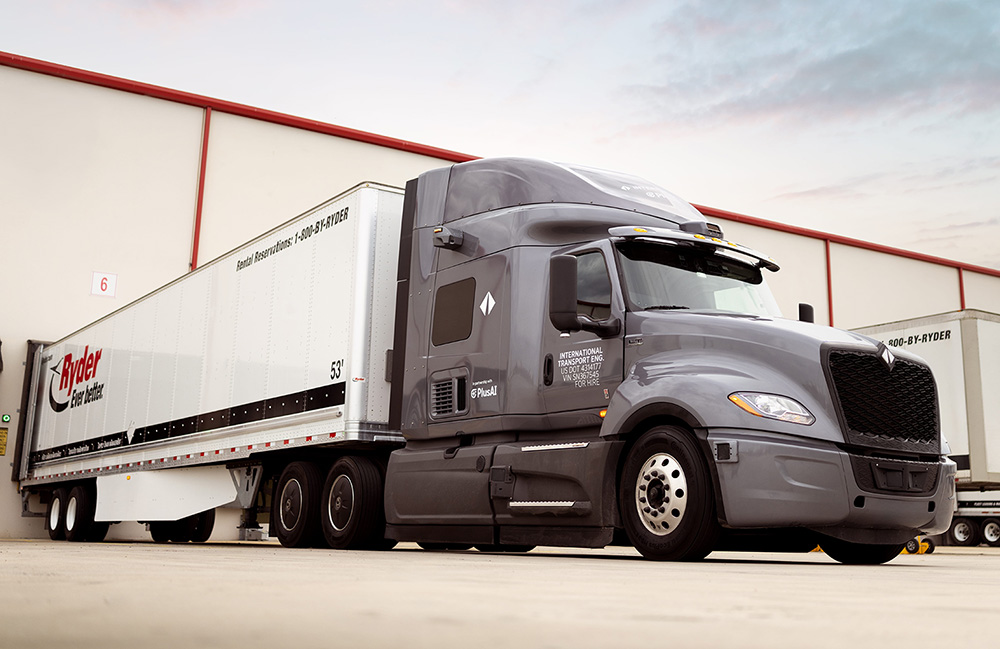
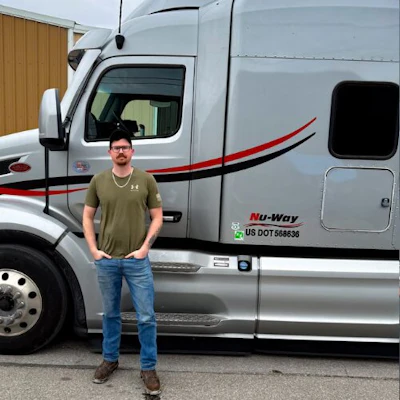
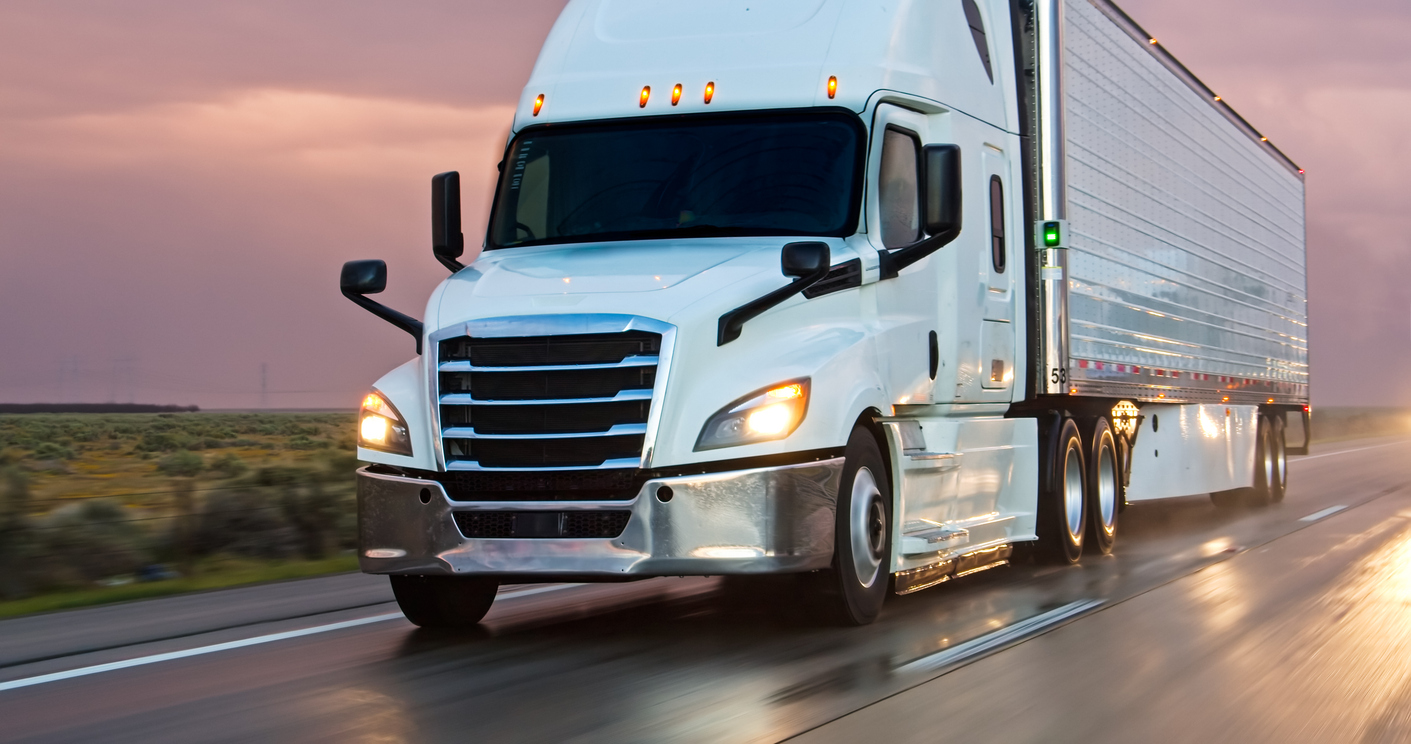
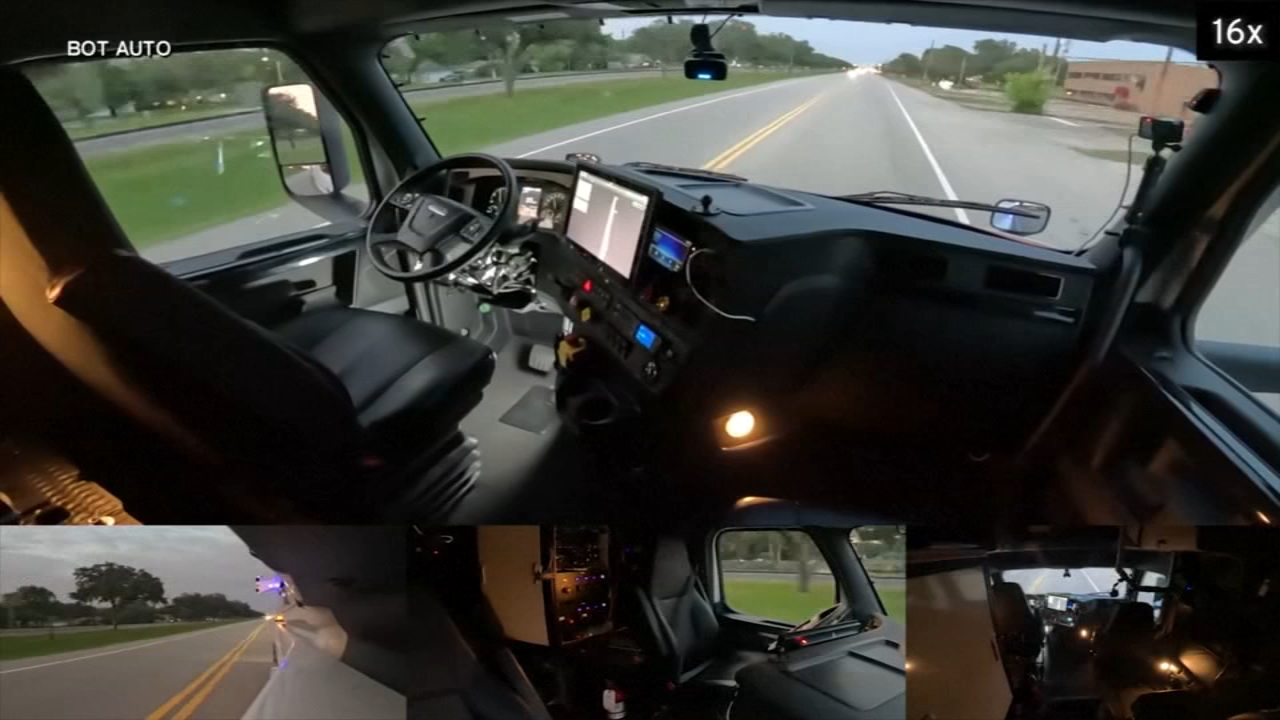
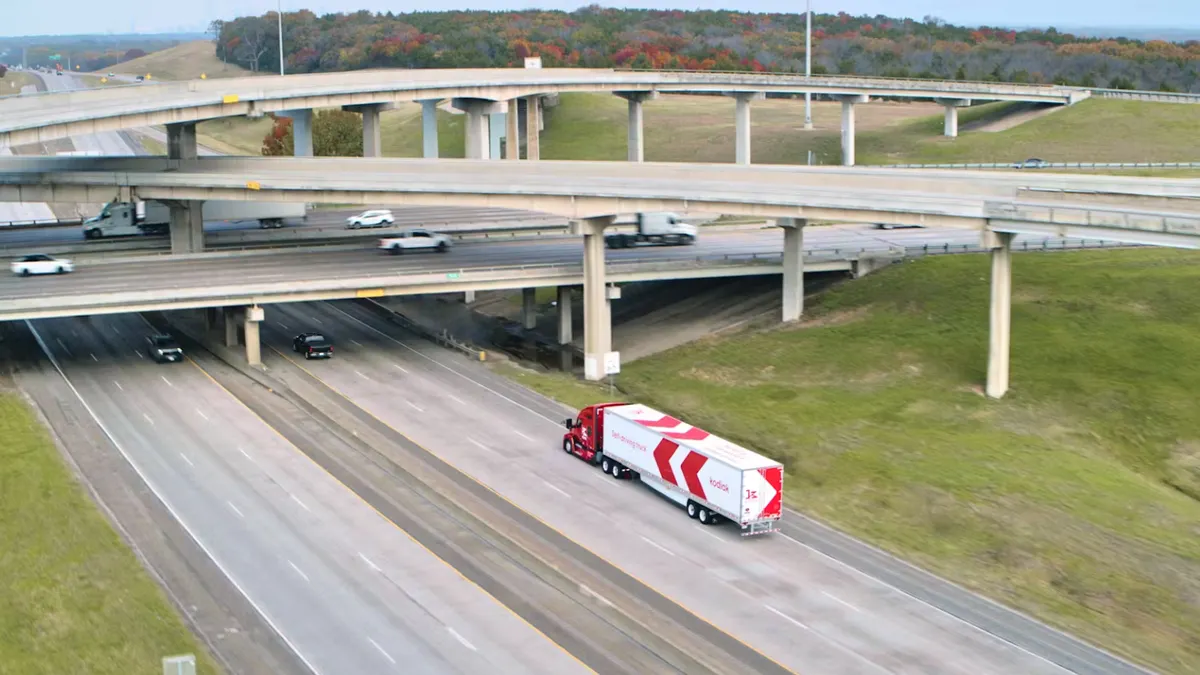
The autonomous trucking approval represents the most significant logistics opportunity. California's DMV approval of heavy-duty autonomous vehicle testing enables companies like Aurora (deploying 500 autonomous trucks with leading carriers) and Bot Auto (completed first 230-mile driverless delivery Houston-Dallas) to expand operations. Industry projections estimate 170,000 autonomous trucks operating on U.S. roads by 2035 (15% of trucking market), with operational advantages including 24/7 operations without mandatory driver rest breaks. For sellers shipping heavy goods and long-haul freight, this could reduce transportation costs 15-25% and improve delivery reliability. However, regulatory uncertainty persists as the Teamsters California union pursues legal action to prevent deployment, potentially affecting implementation timelines through 2026-2027.
Compliance cost structure for sellers: Sellers relying on autonomous delivery services should budget for potential service disruptions during the July 1, 2026 transition period and monitor insurance cost increases as manufacturers absorb liability. Autonomous truck adoption timelines suggest meaningful freight cost reductions may not materialize until 2027-2028 as regulatory frameworks stabilize across states. The California precedent will likely trigger similar enforcement mechanisms in other major markets (Texas, Arizona, Florida, Nevada), creating standardized operational requirements that benefit compliant logistics providers and penalize non-compliant operators. Sellers should diversify logistics providers to hedge against single-operator regulatory disruptions and establish backup fulfillment routes outside California during the transition period.
Questions 7
What insurance and liability implications should sellers understand about autonomous delivery?
The new regulations shift liability from drivers to manufacturers, which should reduce seller exposure for driver-caused incidents. However, sellers should verify that their logistics service agreements clearly allocate liability for autonomous vehicle violations and resulting delivery delays. Insurance costs for autonomous delivery services may increase 5-10% as manufacturers absorb regulatory compliance costs. Sellers should request liability documentation from Waymo, Tesla, Aurora, and other providers and ensure their own product liability insurance covers autonomous delivery scenarios. The 72-hour incident reporting requirement means sellers may not receive immediate notification of service disruptions.
How much could autonomous trucking reduce freight costs for cross-border sellers?
Industry projections estimate 15-25% freight cost reductions once autonomous trucks achieve scale (projected 170,000 trucks by 2035, representing 15% of trucking market). However, meaningful cost savings likely won't materialize until 2027-2028 as regulatory frameworks stabilize across states and deployment reaches critical mass. Sellers shipping heavy goods and long-haul freight to California, Texas, Arizona, and Florida should monitor Aurora's 500-truck deployment and Bot Auto's commercial operations for pricing signals. The Teamsters legal challenge creates regulatory uncertainty that could delay implementation by 6-12 months.