



Fed Chair Transition Creates Financing Uncertainty | E-Commerce Sellers Face Higher Borrowing Costs
- Hawkish FOMC dissent signals rate cuts delayed 6-12 months; inventory financing costs rise 2-4% for sellers with $500K+ annual borrowing













Overview
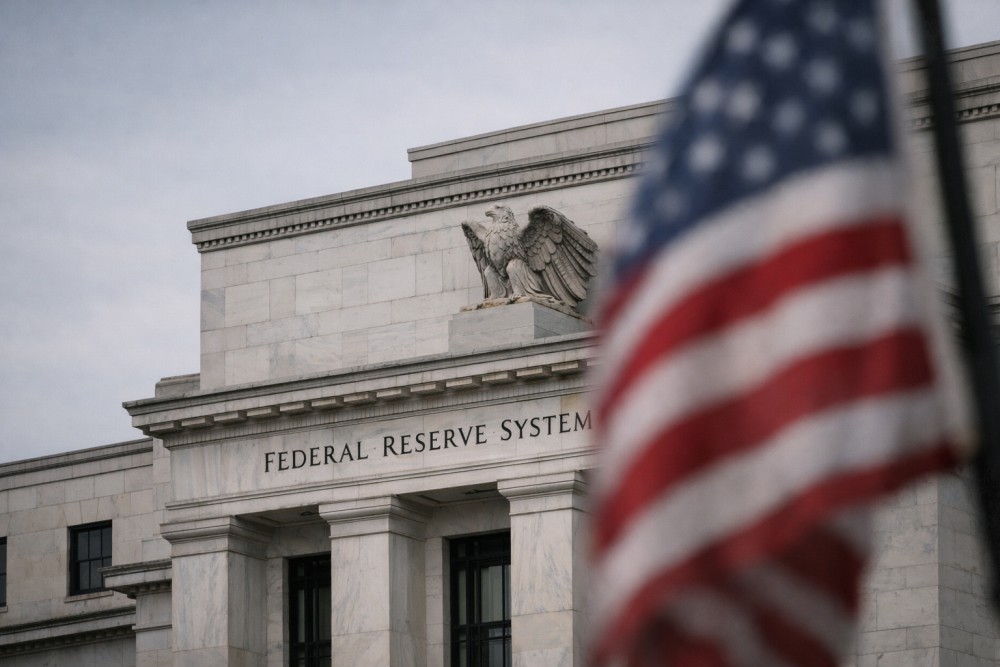
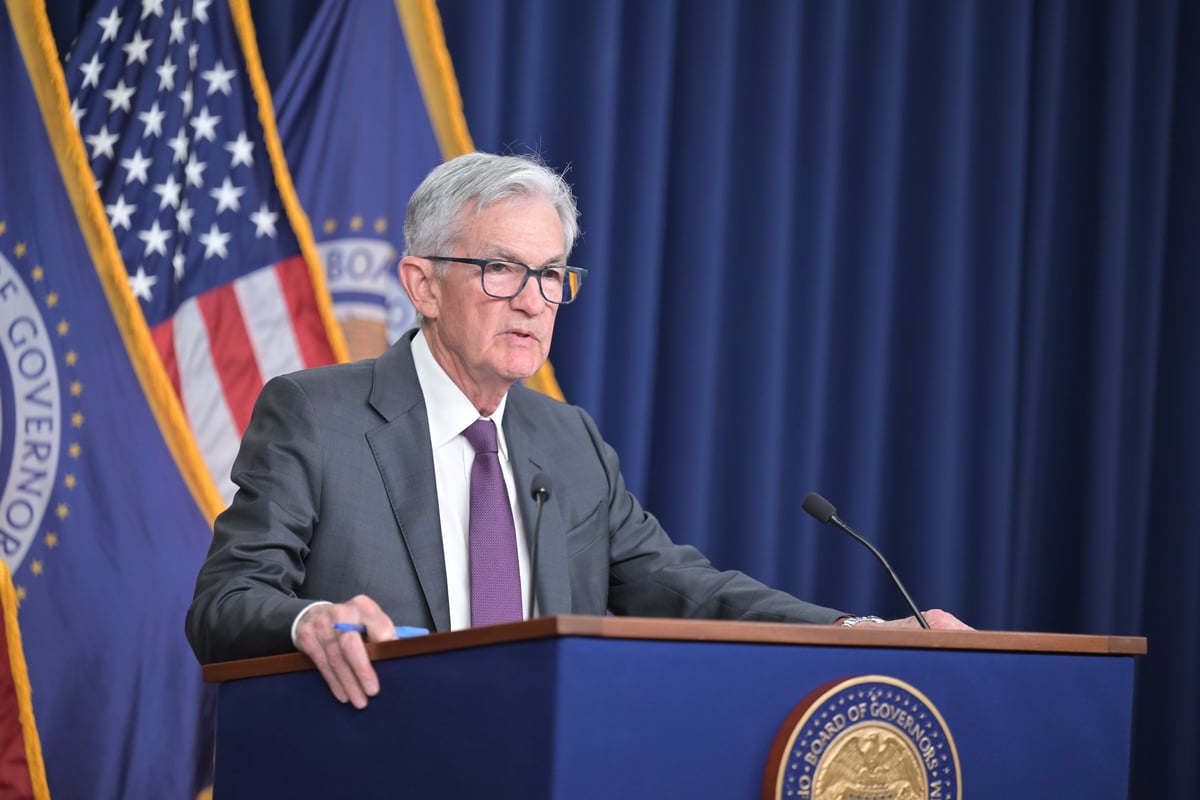
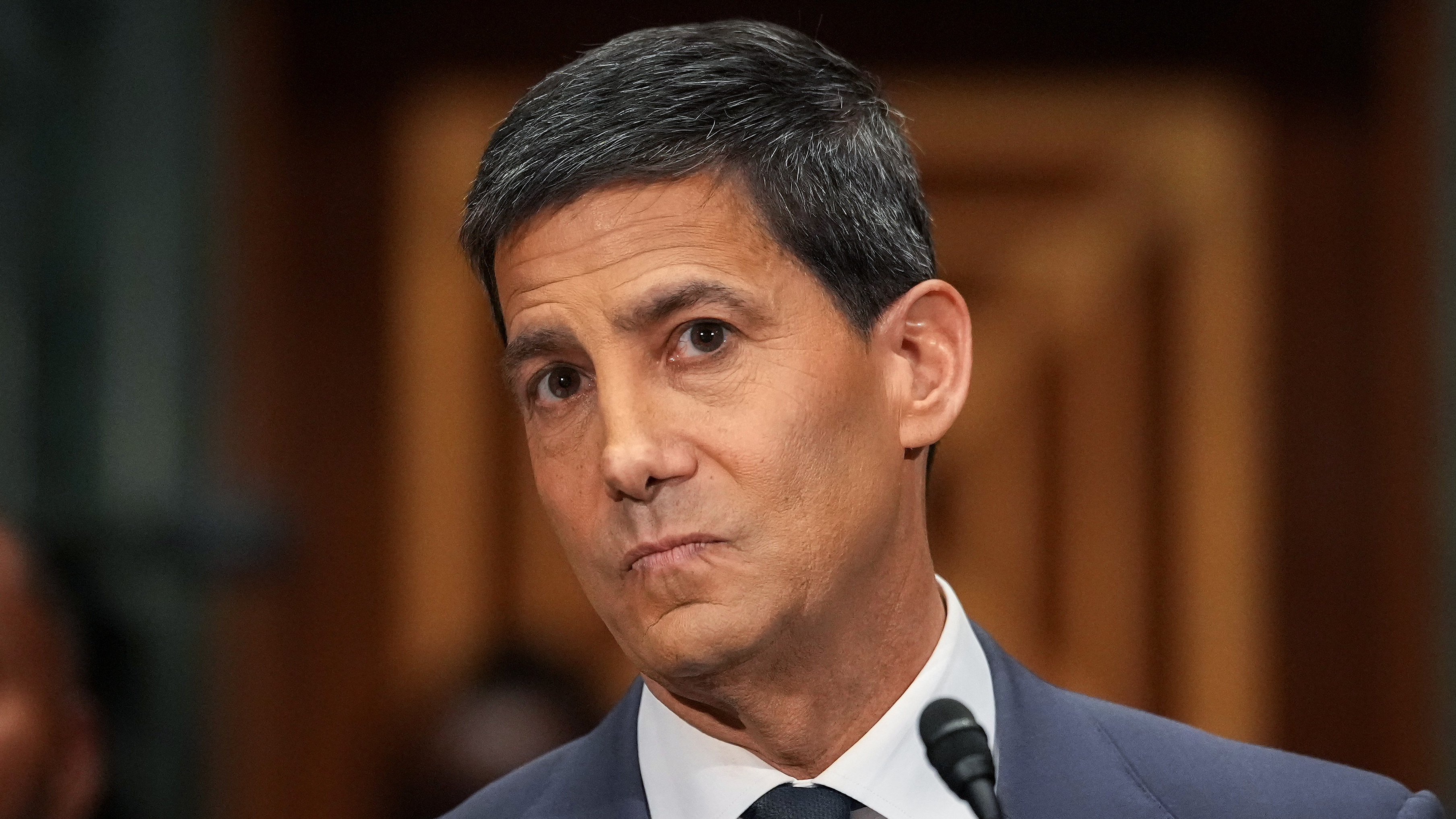
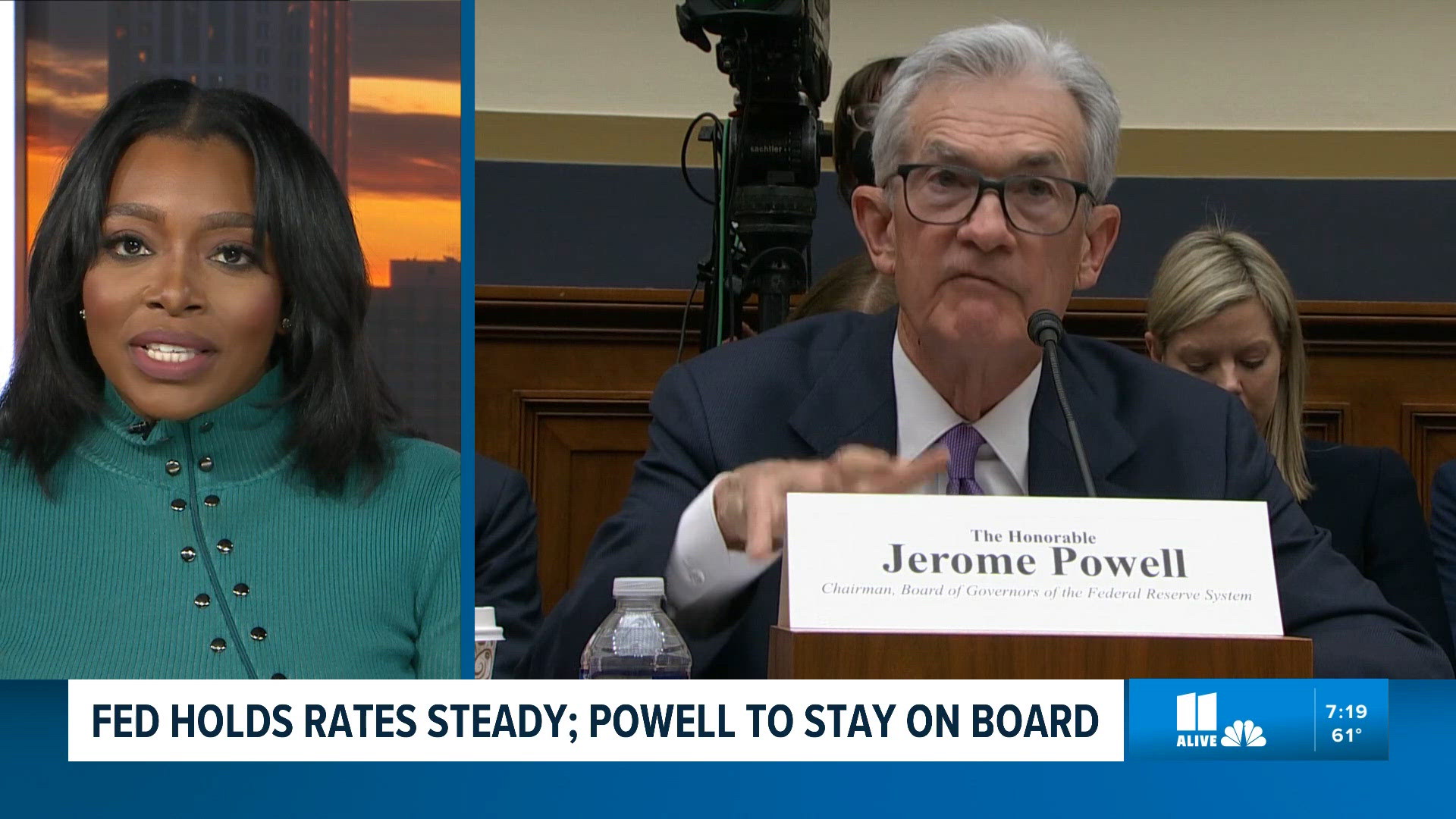
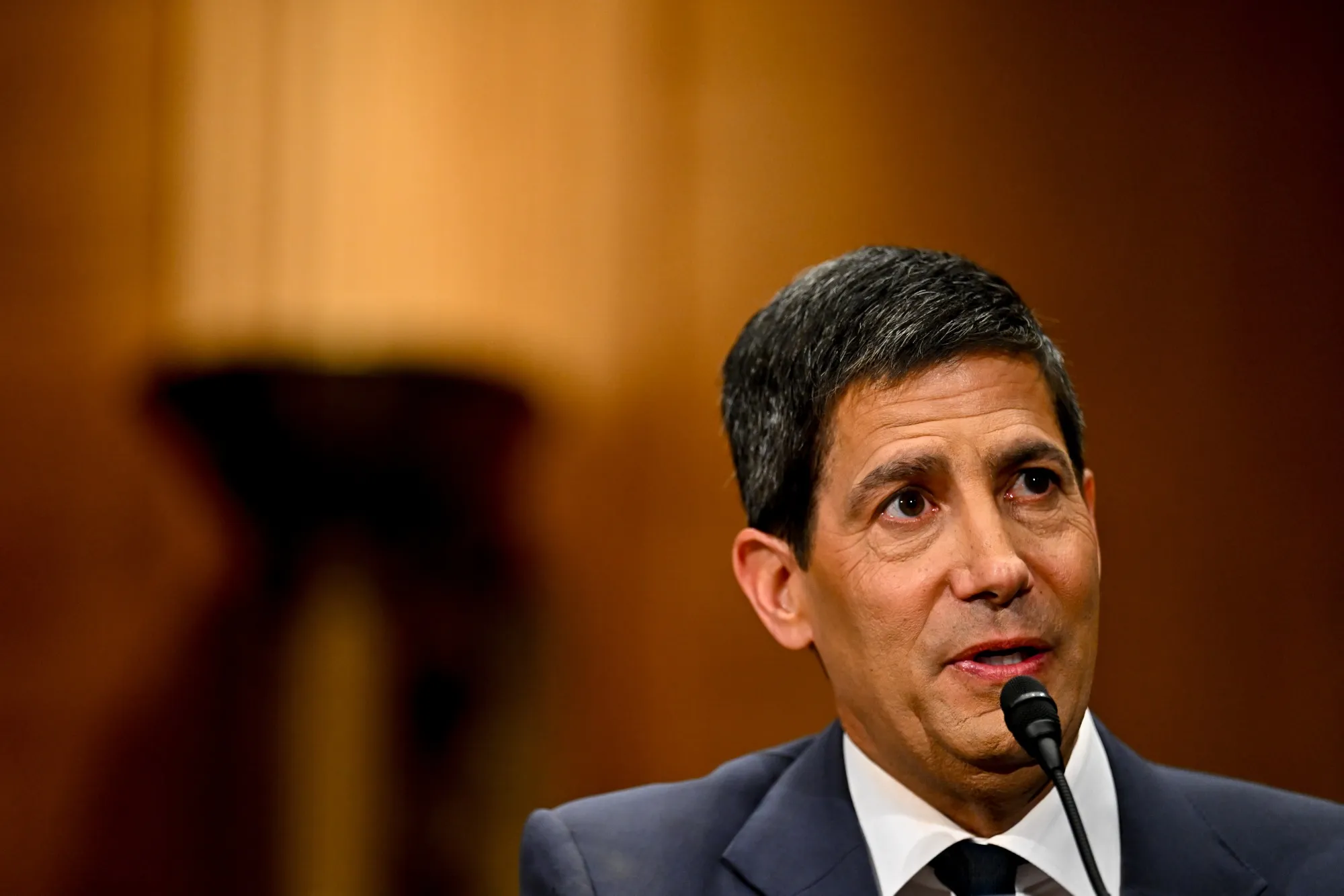
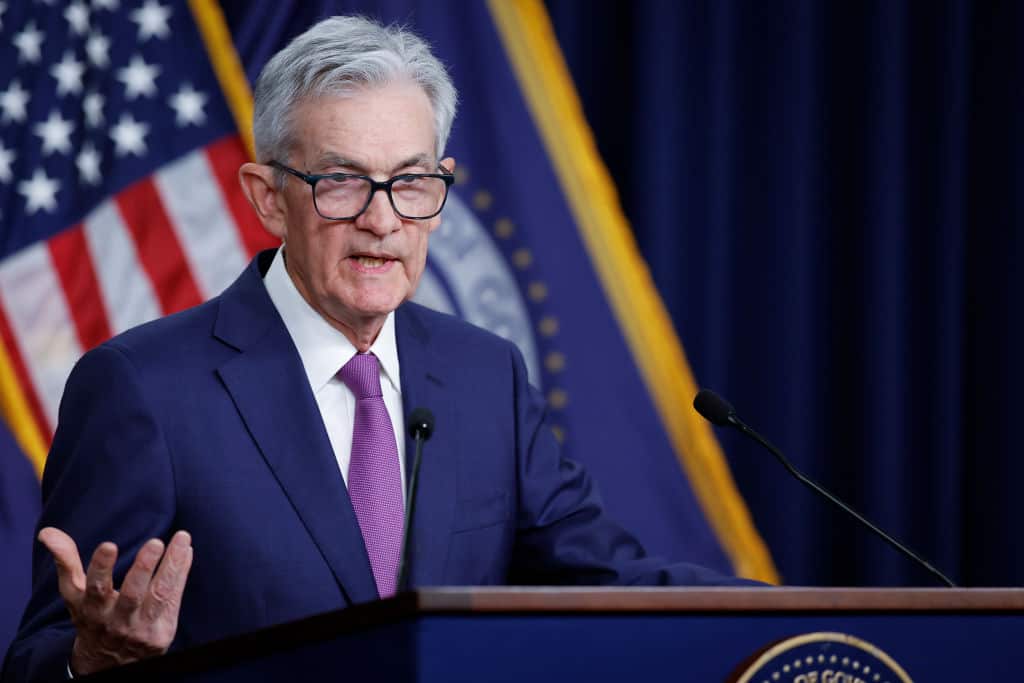
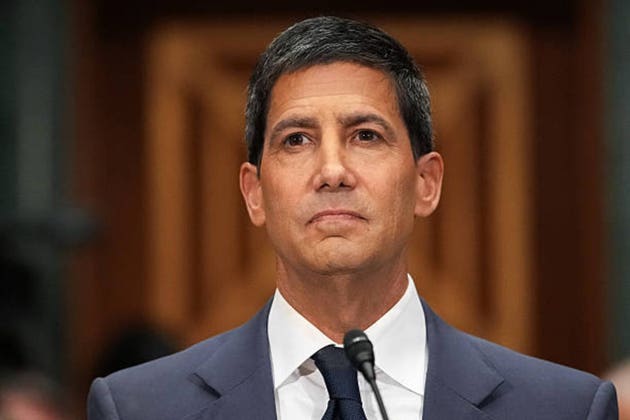
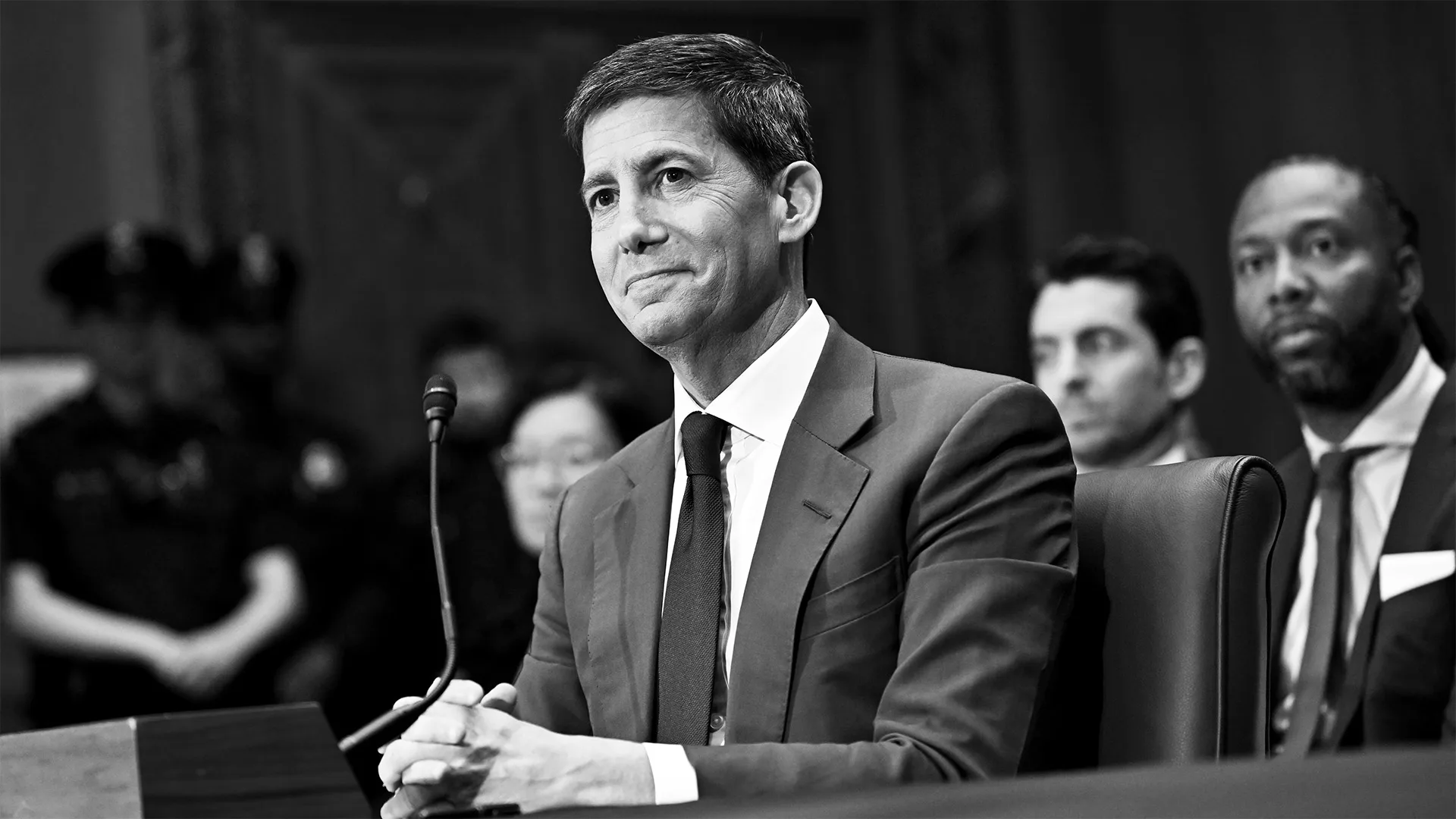
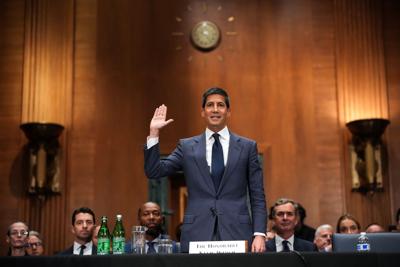
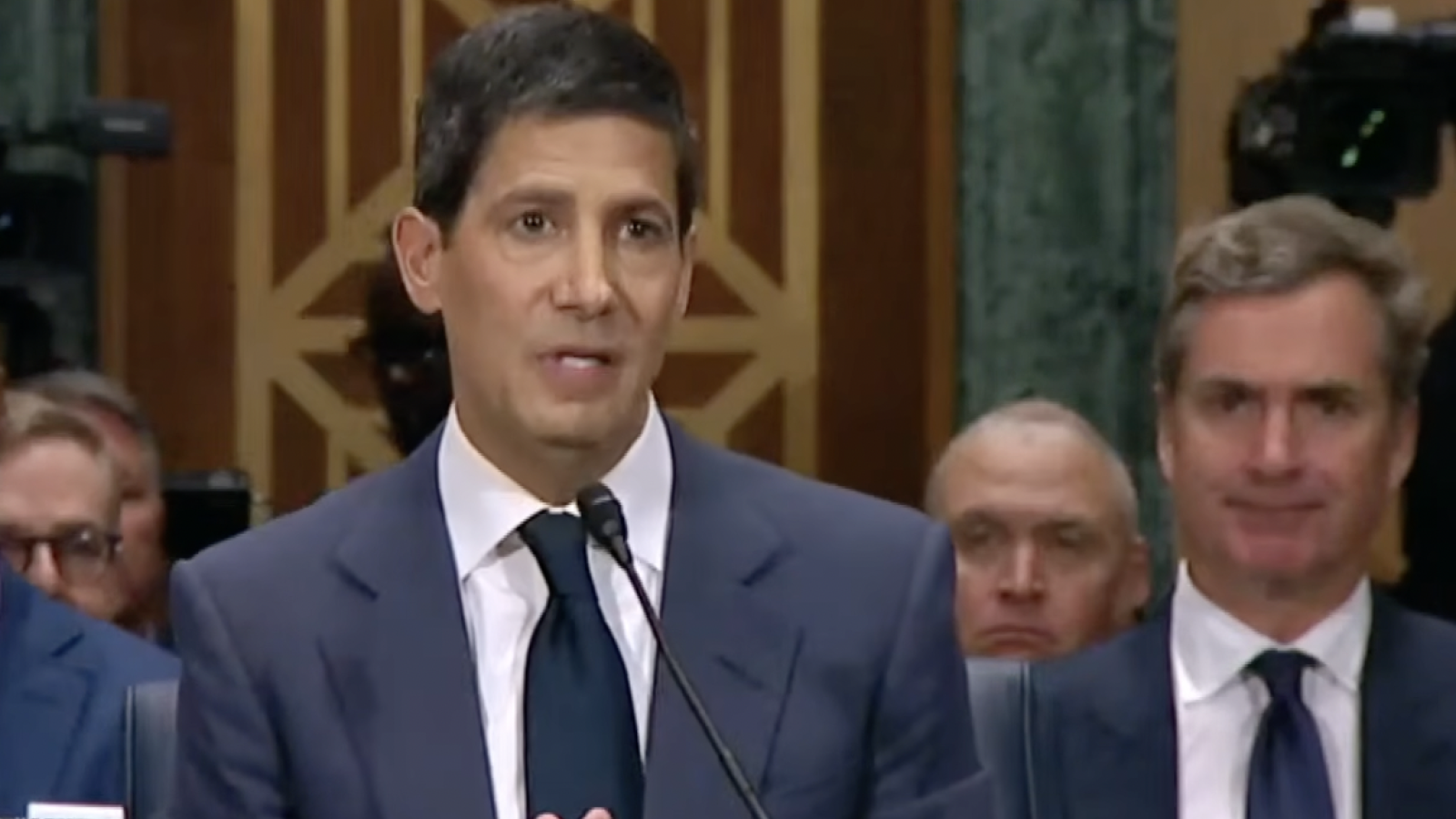
The Federal Reserve's leadership transition from Jerome Powell to Kevin Warsh creates unprecedented monetary policy uncertainty that directly impacts e-commerce seller financing costs, inventory management, and cross-border operations. The FOMC's most significant dissent since October 1992—with four officials opposing rate-cut language—signals that interest rate relief will be delayed substantially beyond initial market expectations. Core PCE inflation remains at 3.2% (March data), well above the Fed's 2% target for six consecutive years, while jobless claims sit at their lowest level since September 1969, creating a hawkish policy environment that constrains Warsh's ability to implement promised rate cuts.
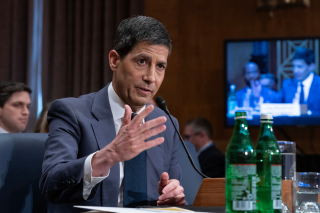
For e-commerce sellers, this translates to extended high-cost borrowing environments. Sellers financing inventory through traditional bank lines of credit, Amazon Lending, or 3PL provider financing will face interest rates remaining elevated through at least Q3-Q4 2025. A seller with $500,000 in annual inventory financing at current rates (8-10%) versus anticipated lower rates (5-6%) faces an additional $15,000-20,000 in annual financing costs. The dissent from regional Fed presidents Beth Hammack (Cleveland), Neel Kashkari (Minneapolis), and Lorie Logan (Dallas)—plus Governor Stephen Miran—indicates that FOMC consensus favors maintaining restrictive policy despite political pressure from the Trump administration for aggressive easing.
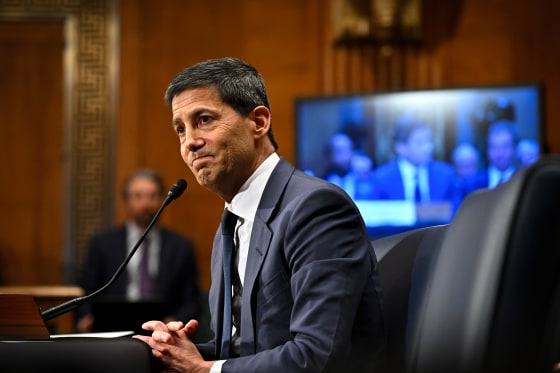
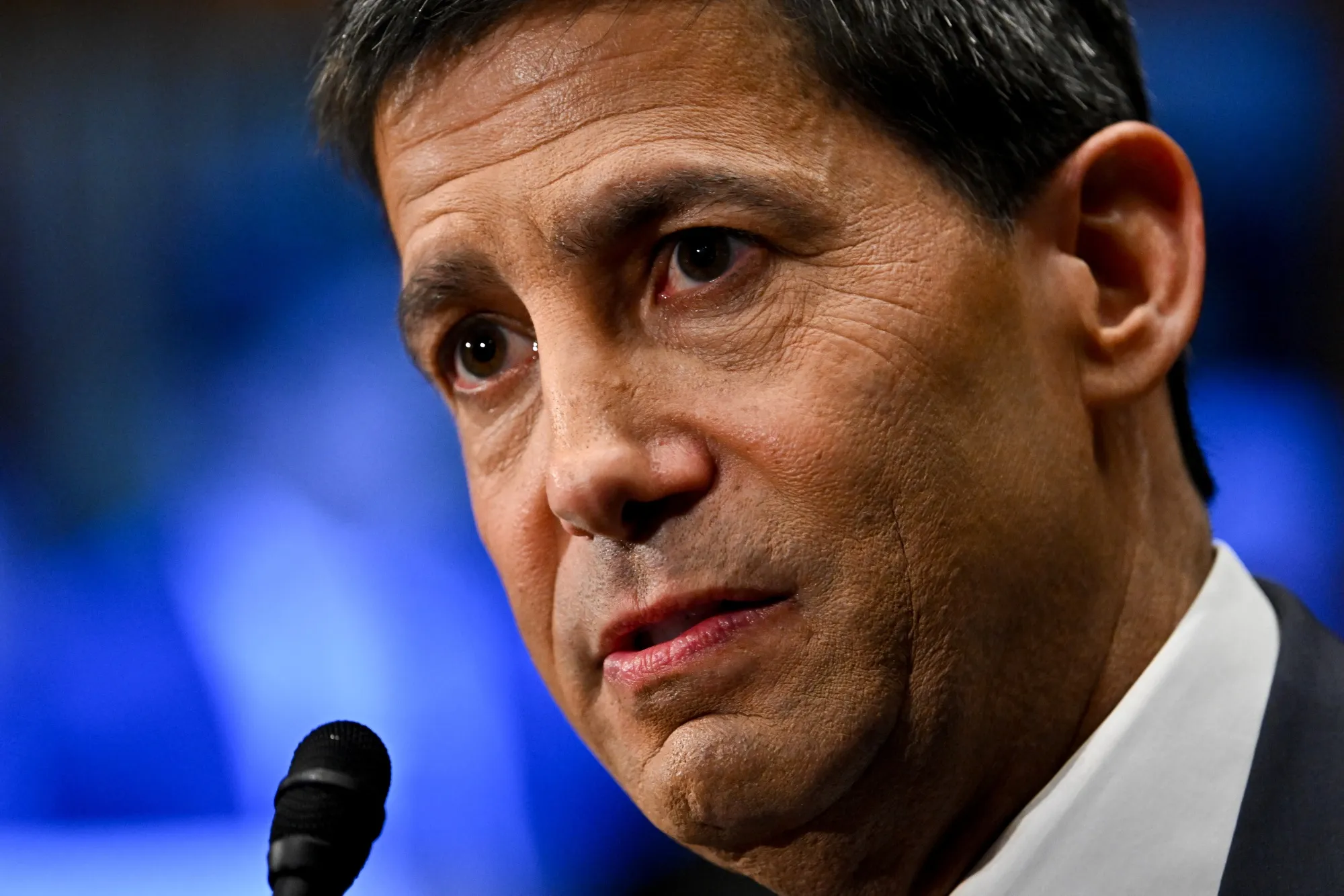
Powell's unprecedented decision to remain as a Fed governor after stepping down as chair creates structural constraints on Warsh's authority. This arrangement prevents Trump from immediately filling a vacant governor seat, leaving Biden appointees with a 4-3 Board majority. As macro analyst Stephen Coltman from 21Shares noted, "Warsh will be hard pressed to get a majority of the FOMC to vote for rate cuts when core and headline PCE are running above 3 and GDP growth is holding firm at 2%." This institutional friction means sellers cannot rely on the promised "regime change" at the Fed materializing quickly. The operational impact is immediate: sellers planning inventory expansion, warehouse buildout, or working capital financing should budget for 8-10% borrowing costs through mid-2025, with only modest relief (0.5-1% reduction) likely before Q4 2025. Cross-border sellers face additional currency volatility risk, as delayed rate cuts weaken the US dollar relative to EUR and GBP, increasing import costs for goods sourced internationally by 3-5% depending on sourcing regions.
Questions 8
How does persistent inflation (3.2% core PCE) impact my product costs?
Core inflation at 3.2% (March data) remains 60% above the Fed's 2% target, directly increasing manufacturing, shipping, and logistics costs. For sellers sourcing from Asia, this translates to 3-5% higher import costs due to currency weakness and elevated shipping rates. The FOMC's hawkish stance indicates they'll maintain restrictive policy to fight inflation, meaning these elevated costs won't decline quickly. Review supplier contracts expiring in 2025; negotiate multi-year fixed-price agreements now before further inflation erodes margins.
Will the Fed cut rates before the 2025 holiday season?
Unlikely. The FOMC's most significant dissent since 1992 signals consensus favors maintaining current rates through at least Q3 2025. Core inflation at 3.2% and strong employment (jobless claims at 56-year lows) give the Fed no urgency to cut. Warsh's constrained authority due to Powell's governor role means even his rate-cut preference won't translate to immediate action. Plan Q4 2025 inventory financing at 8-10% rates; only budget for 0.5-1% rate relief by November 2025 at most.