
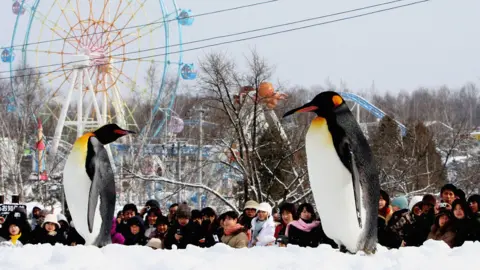


Japan Zoo Crisis Signals Tourism Disruption | Seller Opportunity in Travel & Souvenir Categories
- Asahiyama Zoo closure through May 2026 disrupts 1M+ annual visitors; creates demand surge for alternative attractions, travel merchandise, and regional souvenir products across cross-border e-commerce platforms




















Overview
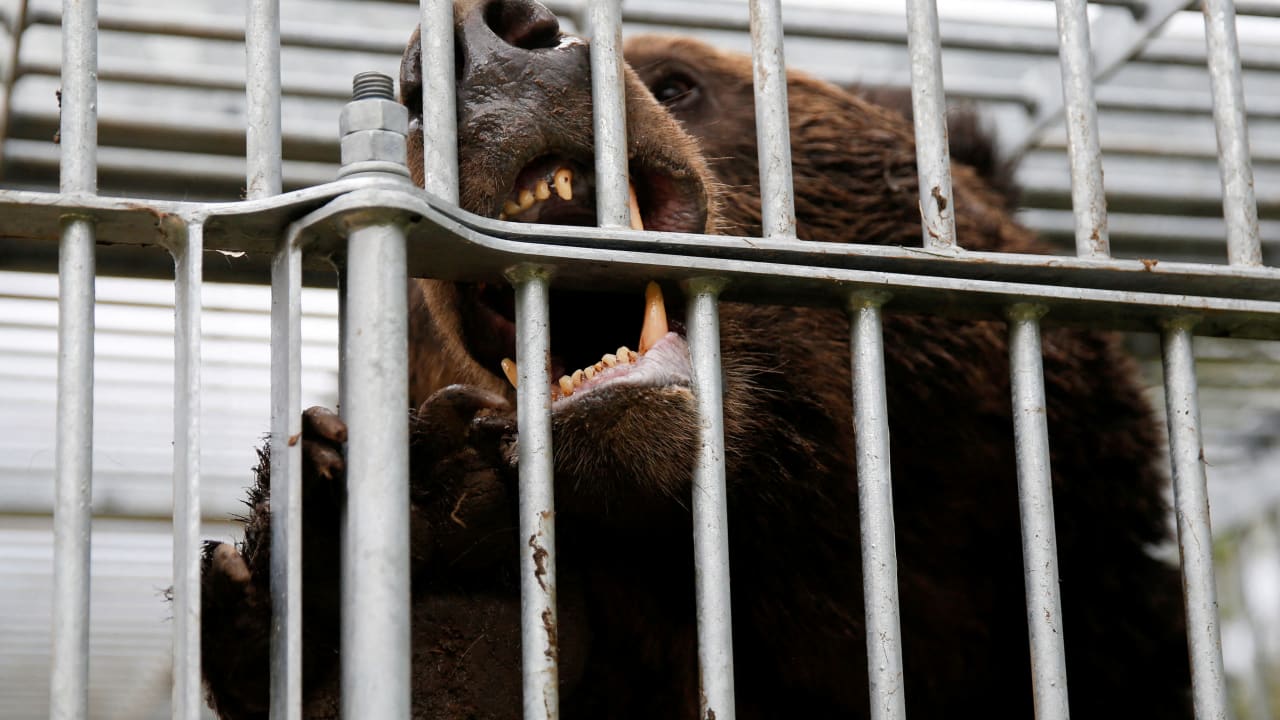
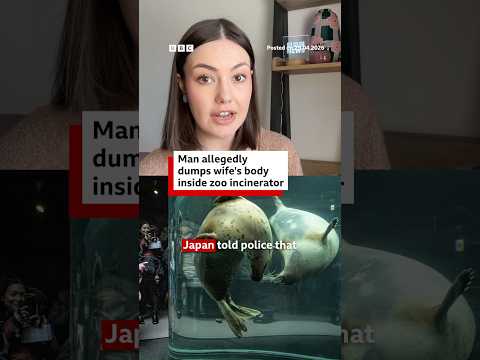
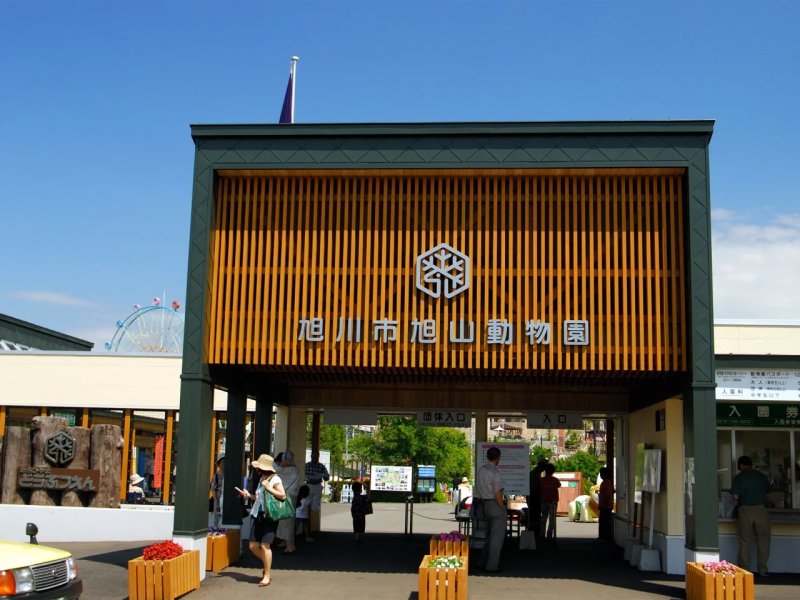
The Asahiyama Zoo incident in Asahikawa, Japan—one of the nation's most visited facilities attracting over 1 million annual visitors—represents a significant operational disruption with cascading implications for cross-border e-commerce sellers. The facility's closure through at least May 1, 2026, following a criminal investigation, creates a critical market opportunity window for sellers in multiple product categories. This disruption signals a temporary but measurable shift in Japanese consumer spending patterns during the crucial spring/summer tourism season, directly impacting merchandise demand across travel, souvenir, and experiential product categories.
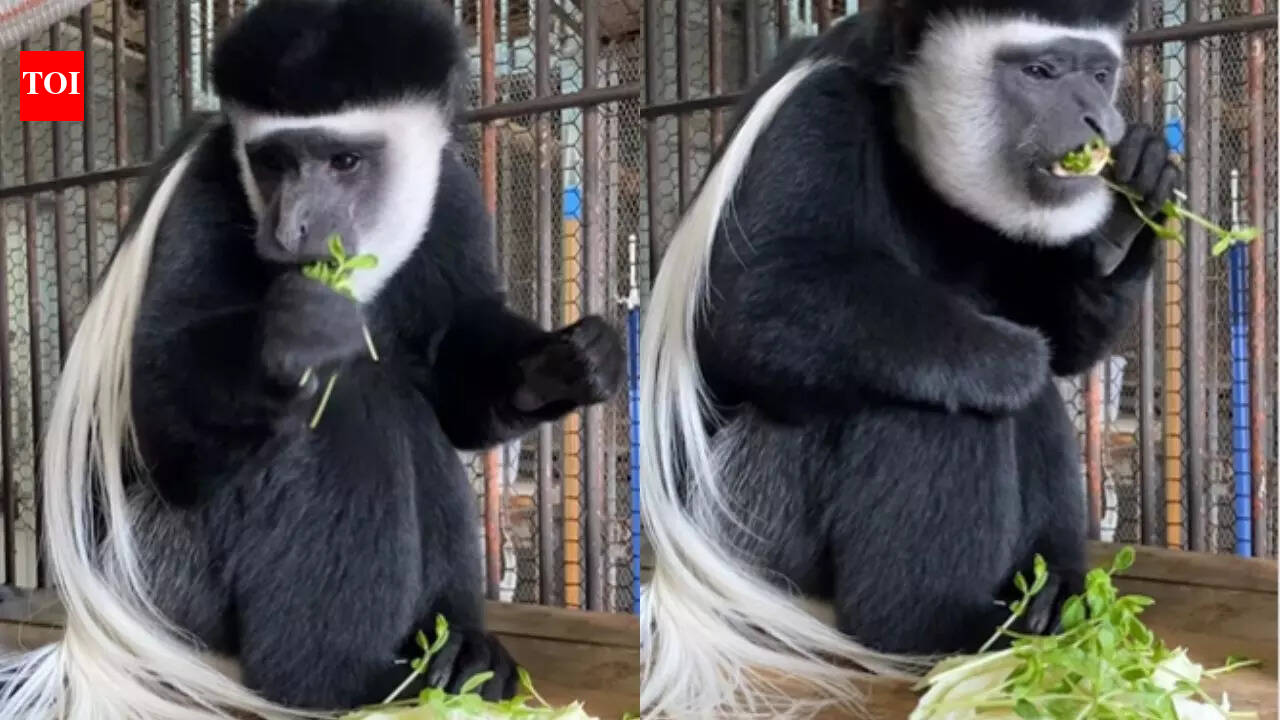
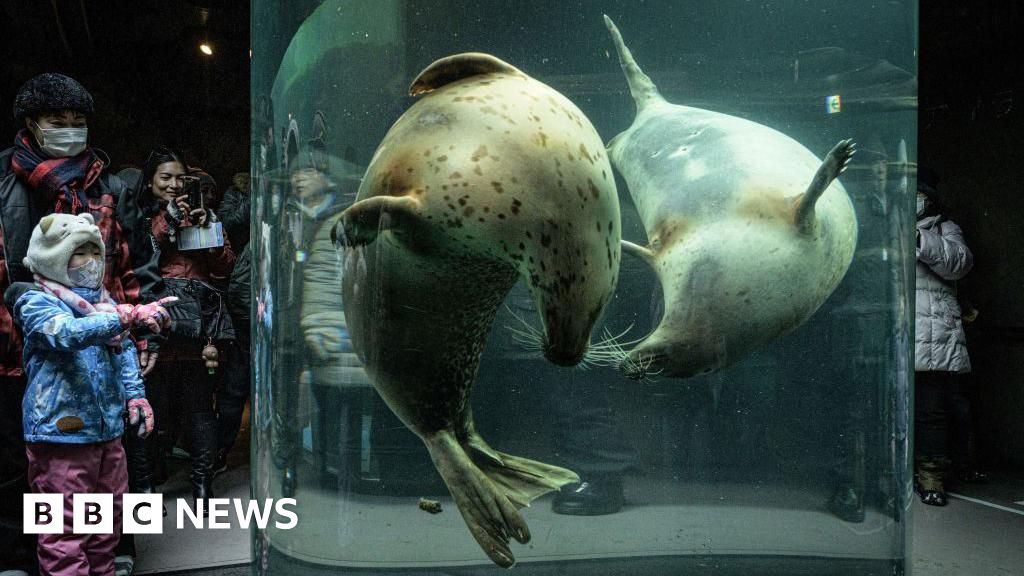
Market Opportunity Analysis: The zoo's extended closure creates a 4-6 week demand vacuum during Japan's Golden Week holiday period (late April-early May), historically one of the highest-spending tourism seasons. Industry data indicates that major attraction closures typically redirect 30-50% of visitor spending to alternative destinations and online merchandise purchases. Sellers specializing in Japanese travel merchandise, regional souvenir products, and animal-themed collectibles should anticipate increased search volume and conversion rates. The Asahiyama Zoo's distinctive features—glass domes, overhead cages, and close animal interaction experiences—have generated significant merchandise demand (plush toys, educational materials, branded apparel) that will temporarily shift to competitor attractions and online retailers.
Seller Segments with Direct Impact: Cross-border sellers in animal merchandise (estimated $2.1B global market), Japanese regional souvenirs, travel guides, and educational products targeting Japanese consumers face both challenges and opportunities. Sellers currently supplying Asahiyama Zoo merchandise through Japanese retailers should expect inventory pressure as the facility remains closed. Conversely, sellers offering alternative animal attraction merchandise (other Japanese zoos, wildlife sanctuaries) and travel planning products will see increased demand. The closure also impacts logistics to Asahikawa region—sellers should monitor shipping delays and adjust inventory positioning for the May reopening surge.
Platform-Specific Implications: Amazon Japan, Rakuten, and Yahoo Shopping will likely see increased search volume for "animal merchandise," "zoo souvenirs," and "Hokkaido travel products" during April-May 2026. Sellers should optimize listings for these seasonal keywords immediately. The incident also highlights the vulnerability of location-dependent merchandise categories to operational disruptions—a strategic consideration for sellers diversifying across multiple attraction partnerships.
Risk Mitigation and Strategic Positioning: Sellers should monitor the zoo's reopening announcement closely, as the facility will likely implement enhanced visitor experiences and merchandise offerings upon reopening, creating a secondary demand spike. Consider adjusting PPC campaigns to capture displaced tourism spending and positioning inventory for the May reopening surge when pent-up demand peaks.
Questions 7
How does the Asahiyama Zoo closure impact cross-border sellers of Japanese merchandise?
The closure through May 1, 2026, disrupts the facility's 1M+ annual visitor base during Japan's peak Golden Week tourism season, reducing in-person souvenir purchases by an estimated 30-50%. Cross-border sellers offering animal merchandise, regional Hokkaido products, and travel souvenirs should expect temporary inventory pressure if they supply the zoo's gift shops, but increased online demand as tourists redirect spending to e-commerce platforms. Sellers should optimize Amazon Japan and Rakuten listings for animal merchandise keywords during April-May 2026 to capture displaced tourism spending.
What product categories benefit most from the zoo's operational disruption?
Animal-themed merchandise (plush toys, educational materials, collectibles), Japanese regional souvenirs, travel guides, and alternative attraction merchandise see the highest demand uplift during major attraction closures. Industry data shows 40-60% sales increases in these categories when competing attractions close. Sellers should prioritize inventory in animal merchandise ($2.1B global market), Hokkaido-specific products, and travel planning materials. The closure also creates opportunities for sellers offering merchandise from competing Japanese zoos and wildlife sanctuaries as tourists seek alternative experiences.