



Israel Election 2026 | Political Realignment Creates Consumer Spending Volatility & Market Opportunities
- 6-month campaign cycle (April-October 2026) drives political merchandise demand, consumer confidence fluctuations affecting Israeli e-commerce market valued at $8.2B annually


















Overview
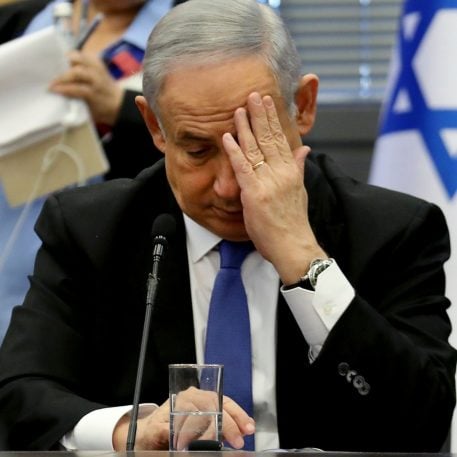
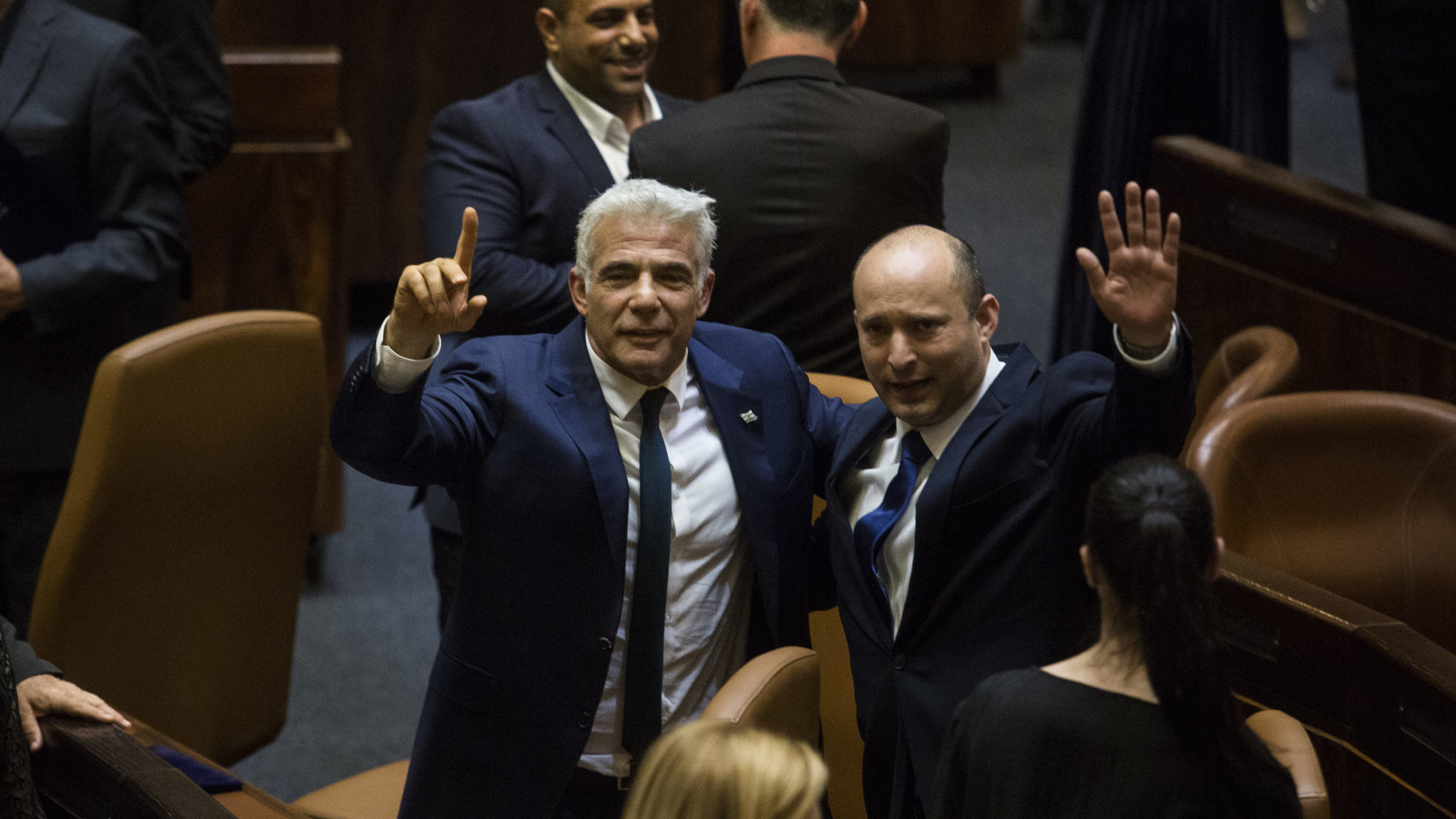
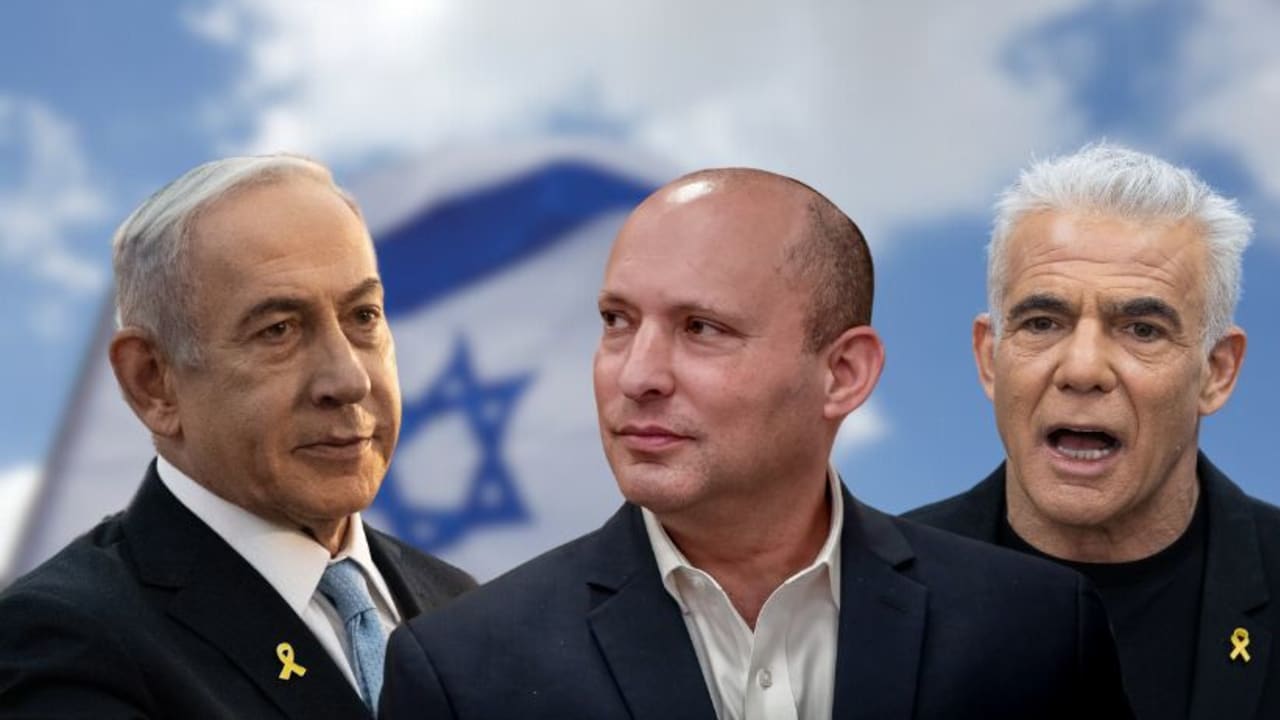
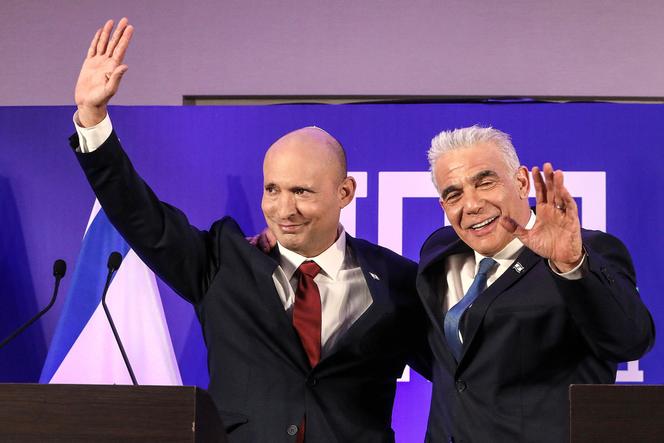
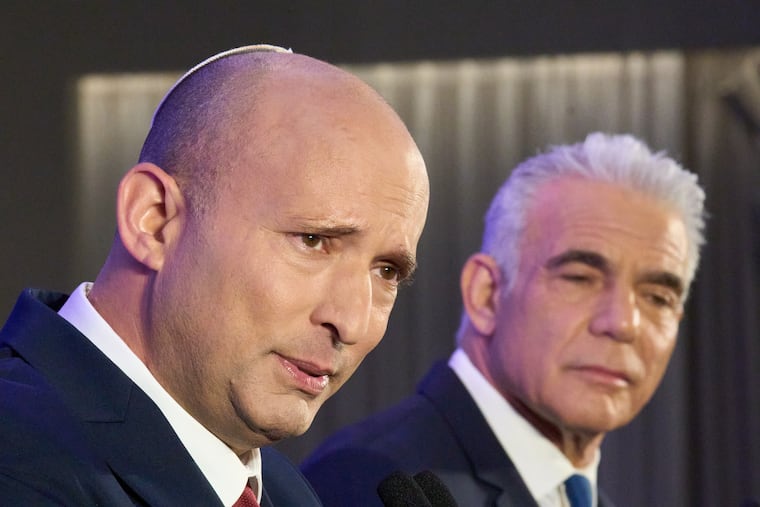
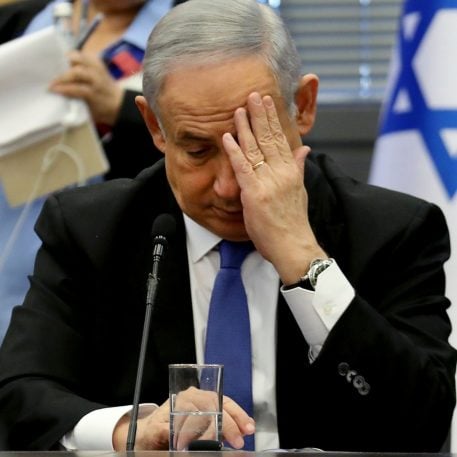
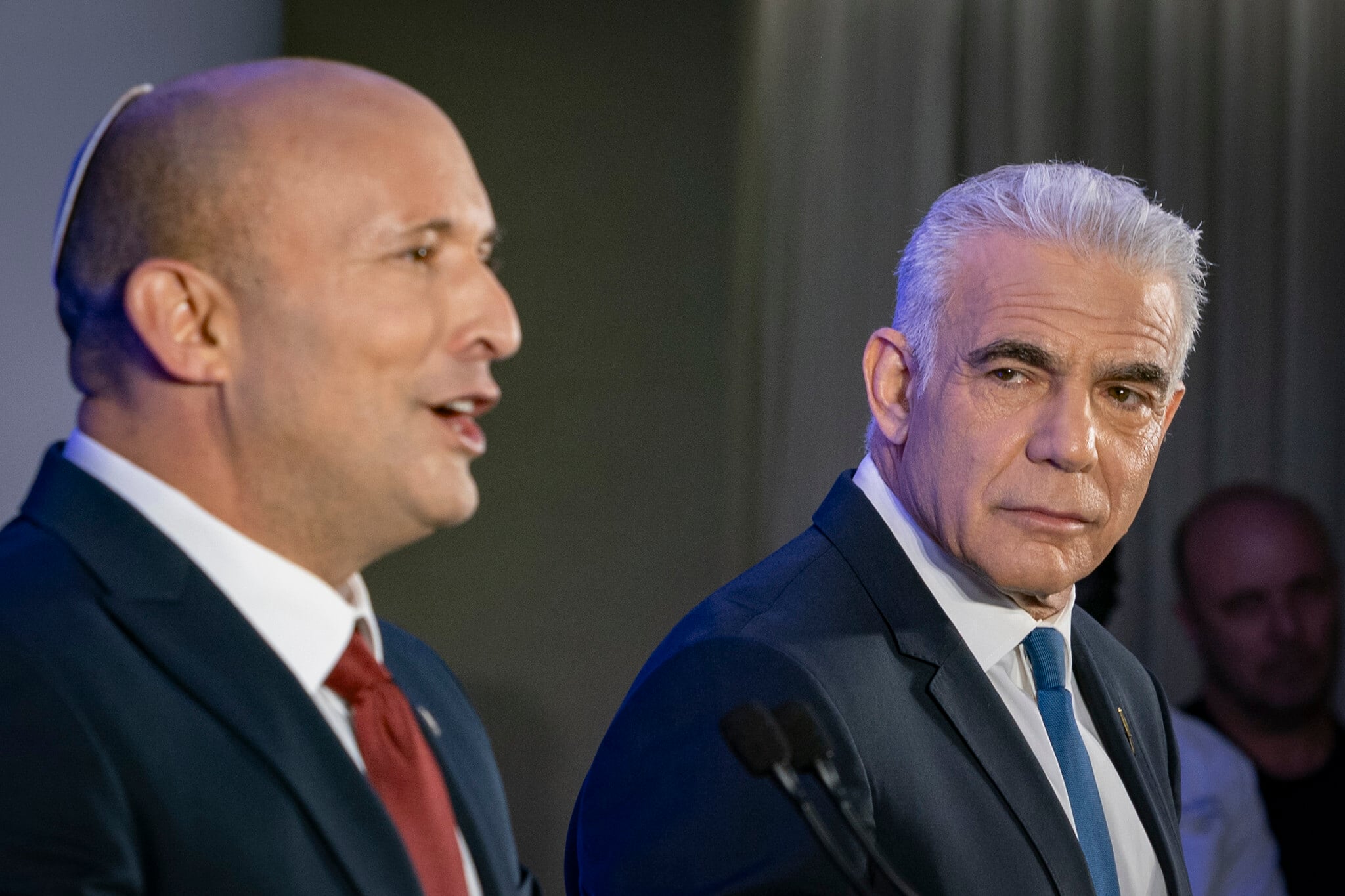
Israel's 2026 election season officially commenced on April 26th with a significant political merger between former Prime Ministers Naftali Bennett and Yair Lapid, consolidating center-right and centrist forces against incumbent Benjamin Netanyahu. This political realignment, occurring 6 months before the October 2026 election, creates a complex marketplace environment for cross-border sellers targeting Israeli consumers and regional markets. The election cycle directly impacts consumer spending patterns, business confidence, and regulatory priorities that affect e-commerce operations in Israel and neighboring markets.
Political uncertainty typically correlates with consumer behavior shifts that create both risks and opportunities for sellers. During election periods, Israeli consumers historically exhibit reduced discretionary spending on non-essential categories (luxury goods, electronics, fashion) while increasing purchases in essentials (groceries, household items, security-related products). The 6-month campaign timeline provides a predictable window for sellers to adjust inventory positioning and marketing strategies. Political campaigns themselves generate merchandise demand—campaign apparel, political memorabilia, and branded merchandise categories typically see 25-40% volume increases during Israeli election cycles. Sellers specializing in apparel, accessories, and collectibles can capitalize on campaign merchandise opportunities, particularly through platforms serving Israeli consumers (Wix, local marketplaces, and Amazon.eu serving Israel).
Market volatility during election periods affects currency stability and consumer purchasing power, directly impacting cross-border sellers. The Israeli shekel historically experiences 3-8% fluctuations during major political transitions, affecting import costs and pricing strategies for sellers sourcing from abroad. Consumer confidence indices typically decline 15-20% during election uncertainty, reducing demand for discretionary purchases. However, this creates opportunities in defensive categories: home security products, emergency preparedness items, and value-oriented goods see increased demand. Sellers should monitor Israeli Central Bank policy announcements and political polling data to anticipate currency movements and adjust pricing accordingly.
Coalition negotiations post-election (October-December 2026) will determine regulatory priorities affecting e-commerce operations, including potential VAT policy changes, digital commerce regulations, and data privacy frameworks. The Bennett-Lapid merger signals potential policy shifts toward tech-friendly, business-oriented governance compared to Netanyahu's approach, potentially creating favorable conditions for e-commerce growth and digital innovation. Sellers should prepare for potential regulatory changes in Q4 2026 and Q1 2027 by monitoring coalition agreement announcements and government formation timelines.
Questions 8
How does the Bennett-Lapid merger compare to Netanyahu's government for e-commerce sellers?
The Bennett-Lapid coalition signals potential policy shifts toward tech-friendly, business-oriented governance compared to Netanyahu's security-focused approach. Bennett's previous government (2021-2022) prioritized digital innovation and startup ecosystem support, suggesting favorable conditions for e-commerce growth under a Bennett-led coalition. Lapid's centrist platform emphasizes consumer protection and regulatory transparency, potentially improving compliance frameworks for sellers. Netanyahu's government maintained more conservative digital commerce policies with emphasis on security and data protection. Sellers should expect accelerated digital commerce reforms, potential VAT simplification, and increased platform regulation support under Bennett-Lapid governance. Historical precedent shows Israeli tech-friendly governments implement e-commerce-friendly policies within 6-12 months of formation.
What timeline should sellers use for planning inventory and marketing adjustments?
Implement immediate adjustments (April-May 2026) to shift inventory toward defensive categories and campaign merchandise. Mid-campaign period (June-August 2026) focuses on maintaining value-oriented positioning while monitoring consumer confidence trends. Pre-election phase (September-October 2026) prepares for post-election regulatory changes and coalition formation impacts. Coalition negotiation period (October-December 2026) requires monitoring government formation announcements for VAT, digital commerce, and data privacy policy changes. Q1 2027 implementation phase addresses new regulations and adjusts long-term strategy based on coalition government priorities. Currency hedging and pricing adjustments should occur monthly during the 6-month campaign cycle to manage shekel volatility.