



UAE OPEC Exit May 2026 | Energy Cost Volatility Reshapes Cross-Border Logistics
- Oil price unpredictability threatens 15-25% shipping cost increases for sellers; Strait of Hormuz closure disrupts 20% of global maritime trade; UAE market expansion creates new tariff arbitrage opportunities in Asia-Pacific corridors















Overview
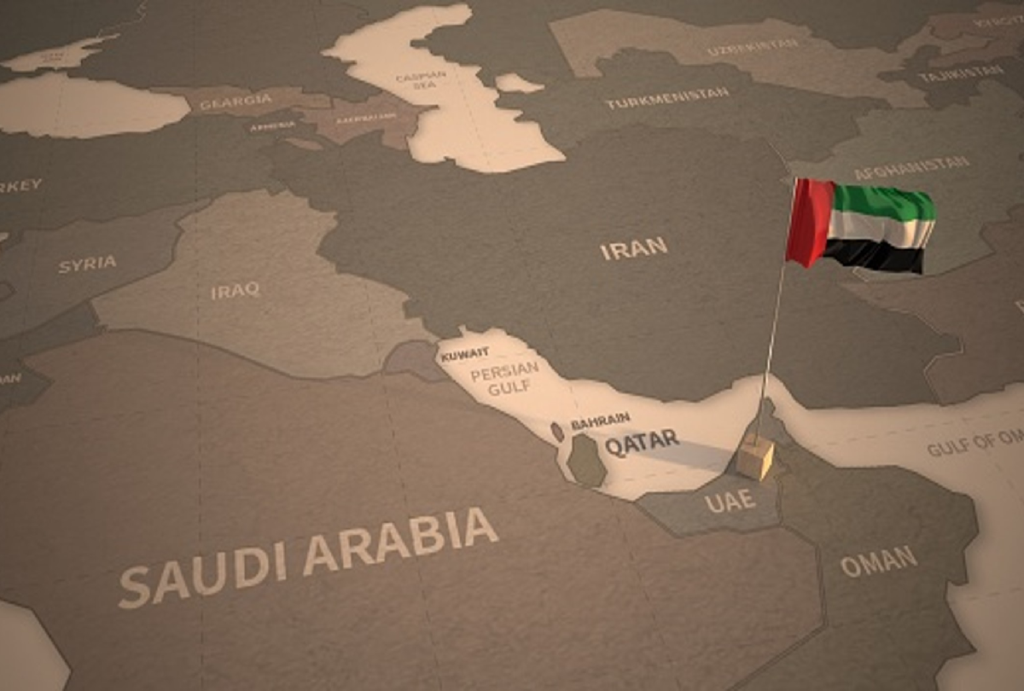
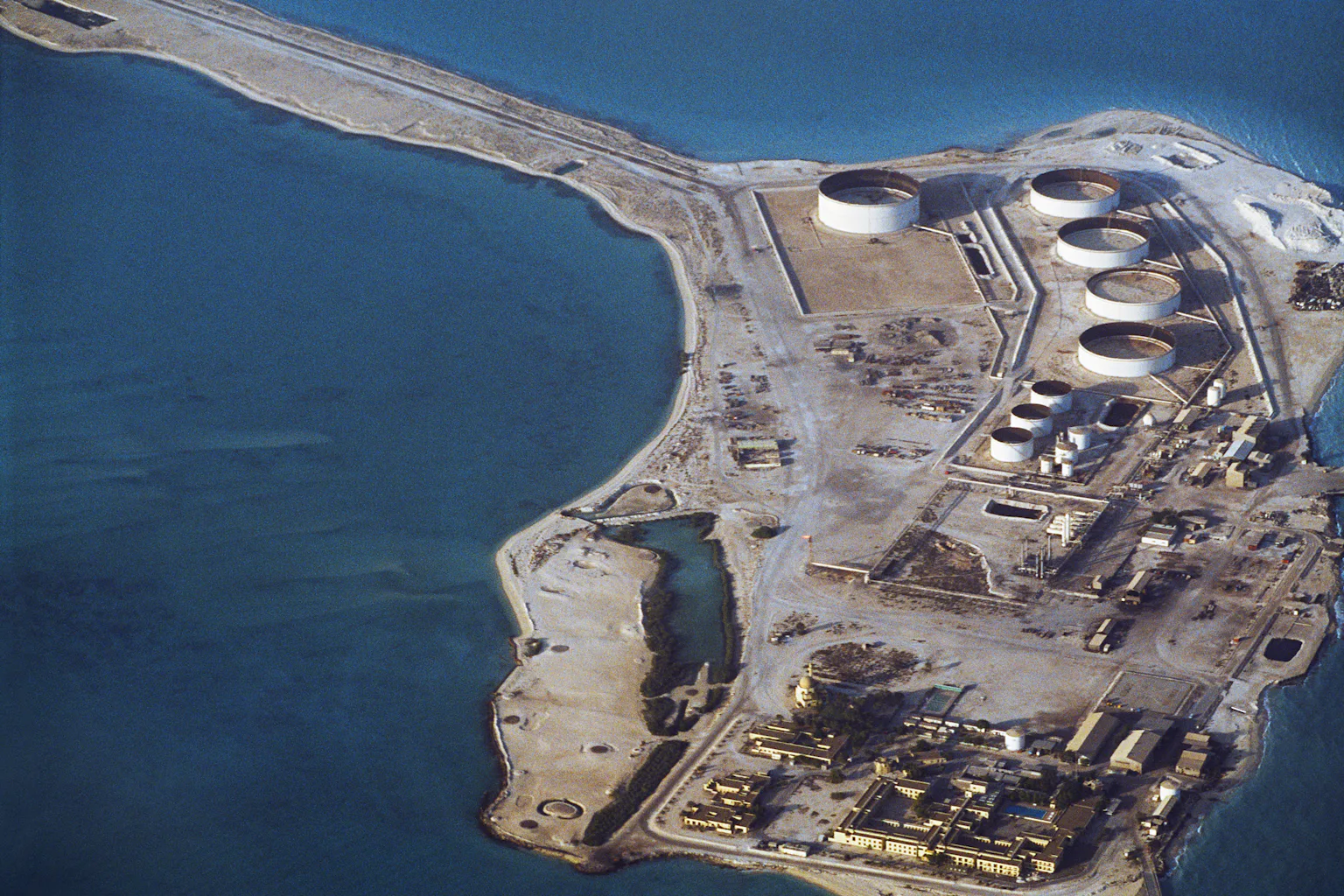
The United Arab Emirates' withdrawal from OPEC effective May 1, 2026, represents a critical inflection point for cross-border e-commerce sellers, particularly those managing logistics costs and supply chain timing. While the news centers on energy geopolitics, the operational impact on sellers is immediate and quantifiable: shipping costs, fuel surcharges, and delivery timelines face significant volatility as OPEC's production discipline fractures and the Strait of Hormuz—transporting one-fifth of global oil supplies—remains effectively closed due to regional conflict.
For sellers shipping via air freight or ocean freight, the implications are severe. Current fuel surcharges (typically 3-8% of base shipping rates) will likely spike to 10-15% as oil price unpredictability increases. The UAE's planned capacity expansion to 6 million barrels per day by 2027 (half of Saudi Arabia's output) signals a shift toward lower-cost energy exports, but this transition creates a 12-18 month window of price volatility. Sellers relying on just-in-time inventory models face particular risk: delayed shipments through the Strait of Hormuz can add 7-14 days to Asia-Pacific delivery timelines, directly impacting Amazon FBA restock cycles and eBay fulfillment commitments.
The competitive advantage shifts toward sellers with diversified logistics networks. Sellers currently routing 100% of inventory through Middle Eastern hubs (Dubai, Abu Dhabi) should immediately evaluate alternative corridors: Southeast Asian ports (Singapore, Bangkok) and Indian gateways (Mumbai, Chennai) become strategically valuable. The UAE's established relationships with China, India, Japan, and South Korea—mentioned explicitly in the news—signal that tariff arbitrage opportunities are emerging in Asia-Pacific trade corridors. Sellers can exploit the 6-12 month window before UAE production fully ramps to lock in favorable freight rates with 3PL providers before market-wide price adjustments occur.
Regional economic transformation creates secondary opportunities. Both Saudi Arabia (Vision 2030) and UAE (2031 plan) are aggressively diversifying into digital infrastructure, tourism, and financial services. This signals increased consumer spending in these sectors, creating demand spikes for electronics, tourism-related merchandise, and business services products. Sellers targeting UAE consumers should expect 15-20% higher purchasing power as oil revenues translate to fiscal surpluses (the UAE dirham's peg to the US dollar amplifies this effect). Conversely, the Saudi-UAE rivalry intensifying across Sudan, Libya, and Yemen creates geopolitical risk for sellers with inventory in conflict-adjacent regions.
Questions 8
What compliance risks emerge from Gulf geopolitical tensions for sellers?
The news reports Saudi-UAE tensions over Sudan, Libya, and Yemen, with Yemen fighting between Riyadh and Abu Dhabi-backed factions. Sellers should immediately review inventory locations and supplier relationships in these conflict zones: Sudan, Libya, and Yemen represent high-risk markets for 2026-2027. Compliance risk includes potential sanctions escalation, shipping route closures, and supplier disruption. Sellers should document supply chain transparency for Amazon Seller Central and eBay compliance audits, particularly for products sourced from or transiting through conflict-adjacent regions. The news indicates 'Gulf political cohesion retains security value,' suggesting open rupture is unlikely, but sellers should maintain 30-day inventory buffers in non-conflict regions to mitigate supply chain disruption risk.
How does UAE's diversification into digital infrastructure create seller opportunities?
The news states both Saudi Arabia and UAE pursue 'ambitious diversification plans' reducing oil dependency while developing 'digital infrastructure, tourism, and investment hubs.' UAE's 2031 plan specifically targets technology and financial services expansion. Sellers should target UAE B2B buyers in cloud infrastructure, cybersecurity, e-commerce platforms, and fintech solutions—categories where government spending will increase 20-30% through 2027. Additionally, tourism infrastructure expansion creates demand for hospitality technology, smart building systems, and logistics automation. Sellers with expertise in these categories can command 10-15% premium pricing in UAE markets due to government procurement budgets and private sector investment acceleration tied to Vision 2031 initiatives.