


Global Press Freedom Collapse | Market Transparency Risk for Cross-Border Sellers
- 52 countries now face "difficult" or "very serious" press conditions; US drops to 64th place; impacts seller trust signals and market intelligence across 180 countries















Overview
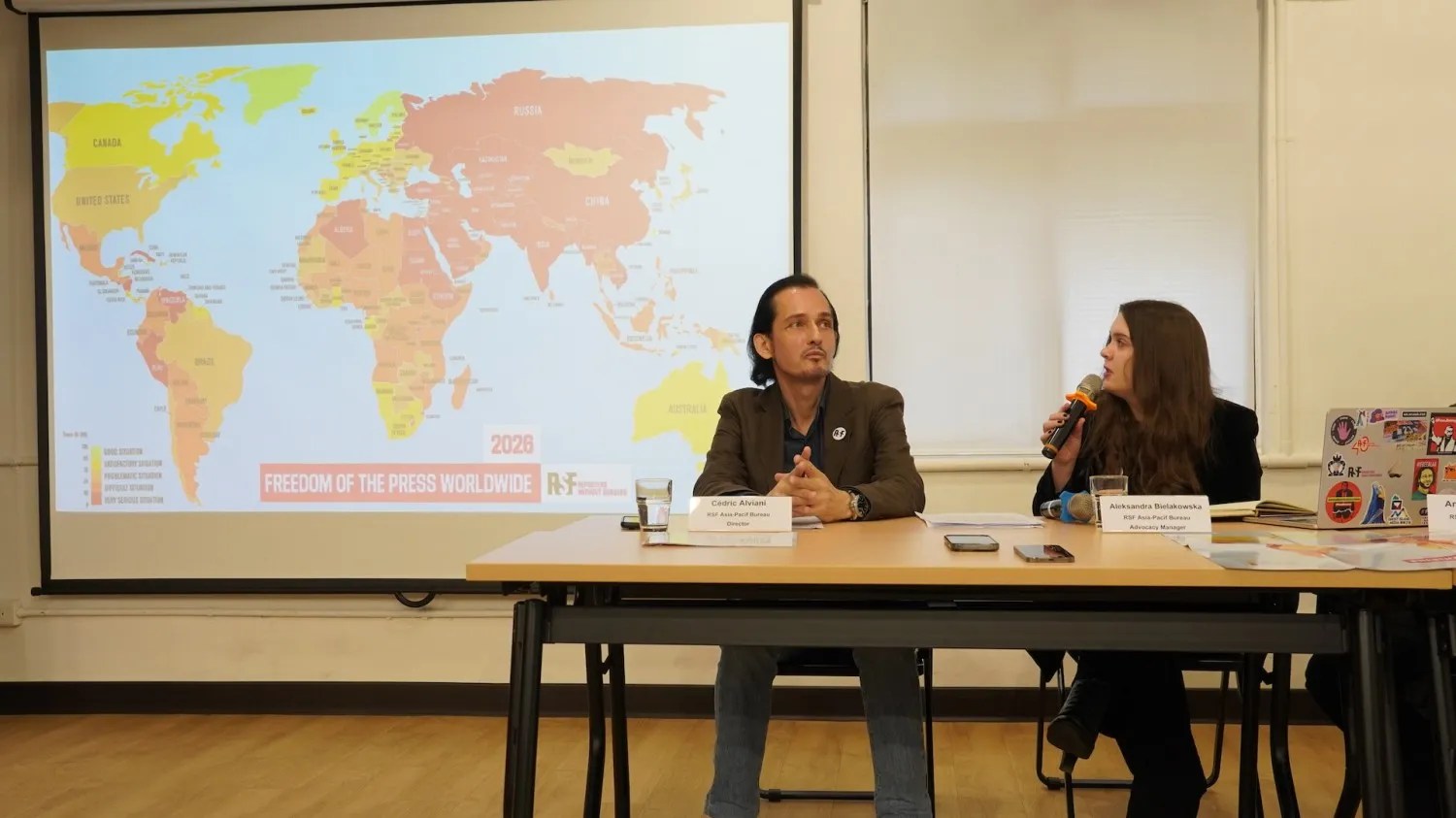
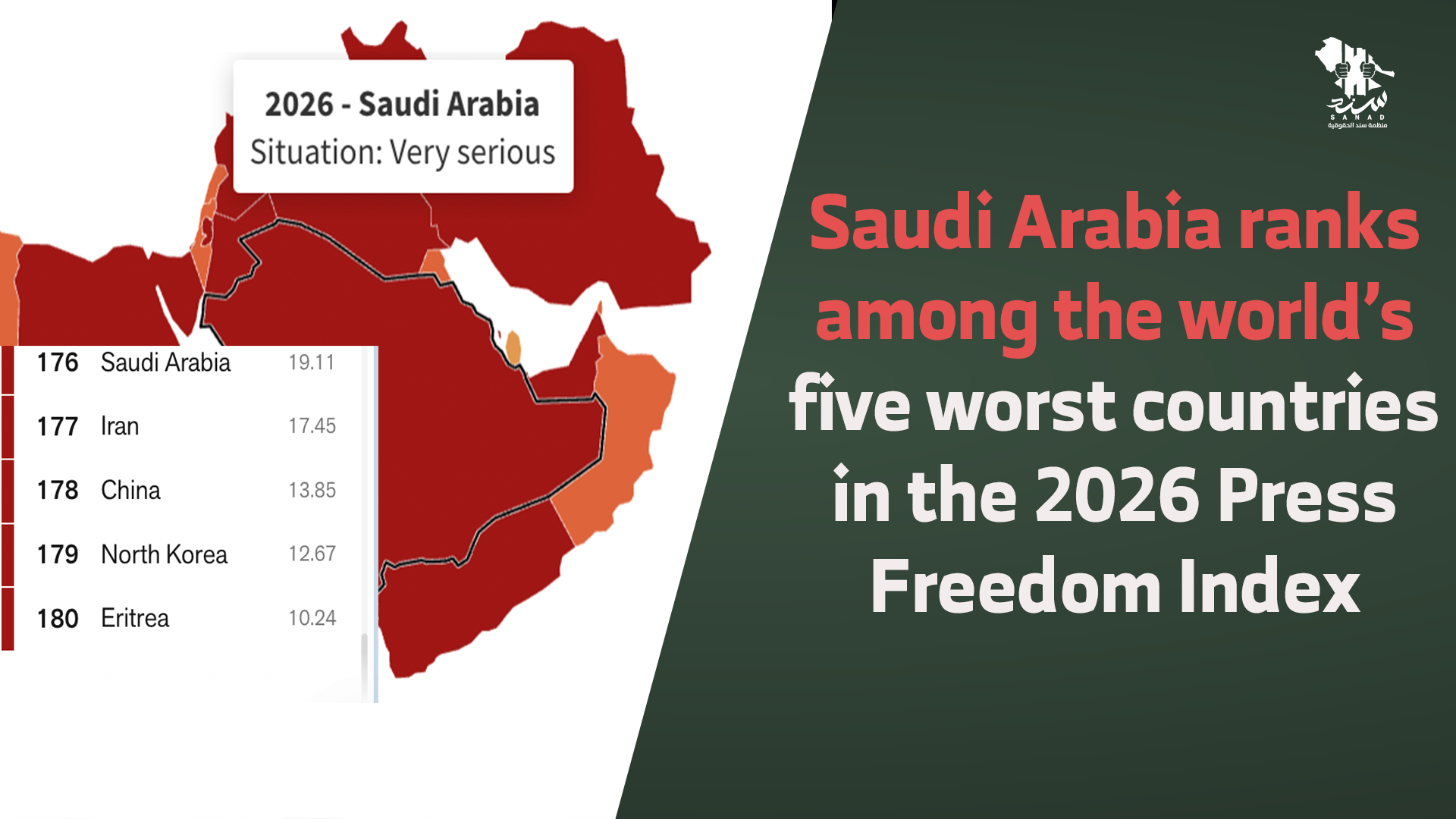
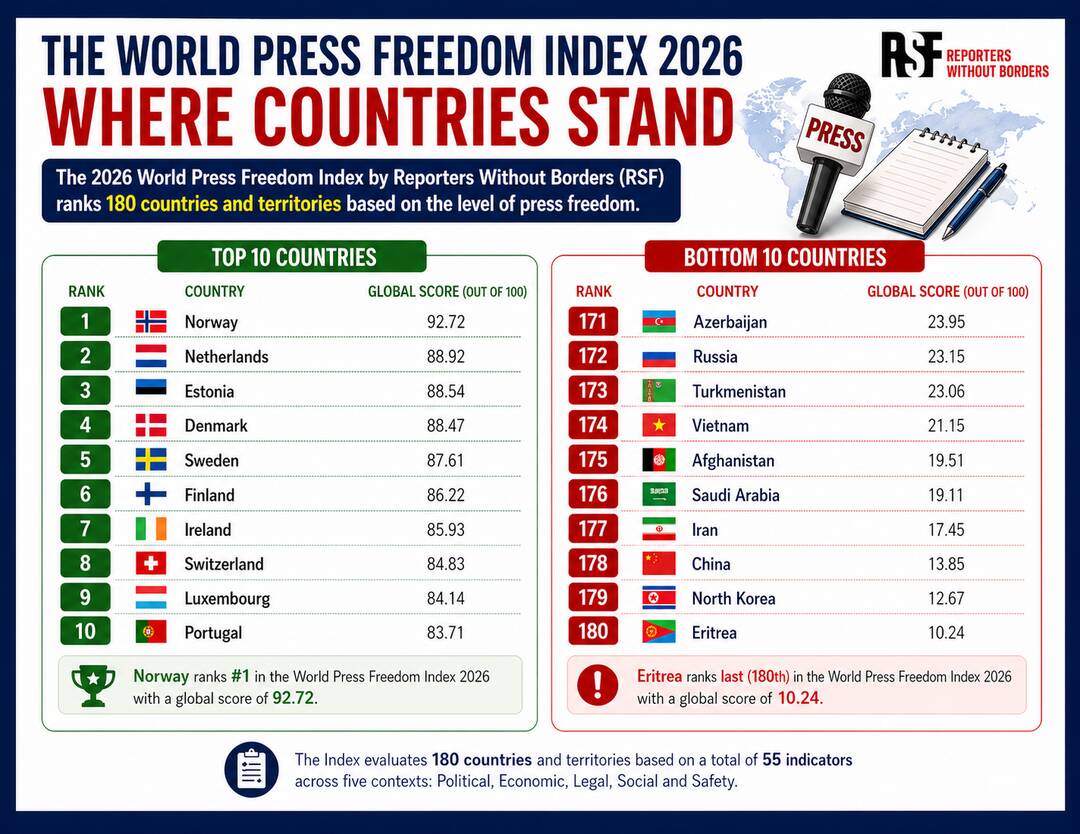
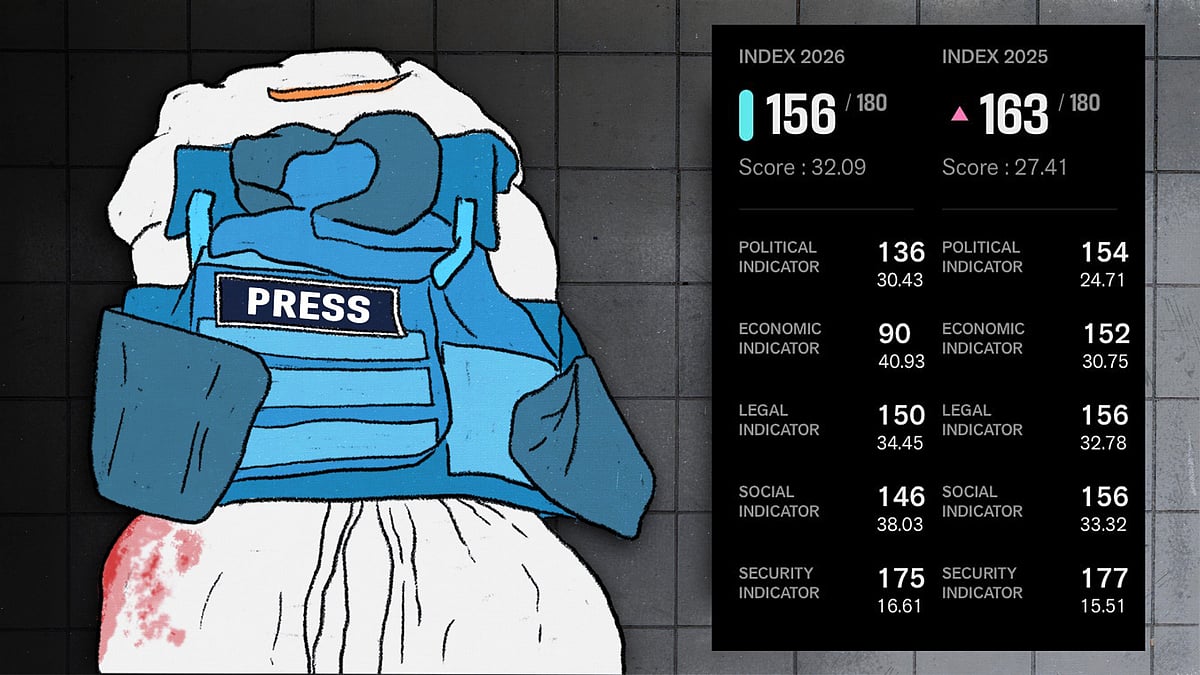
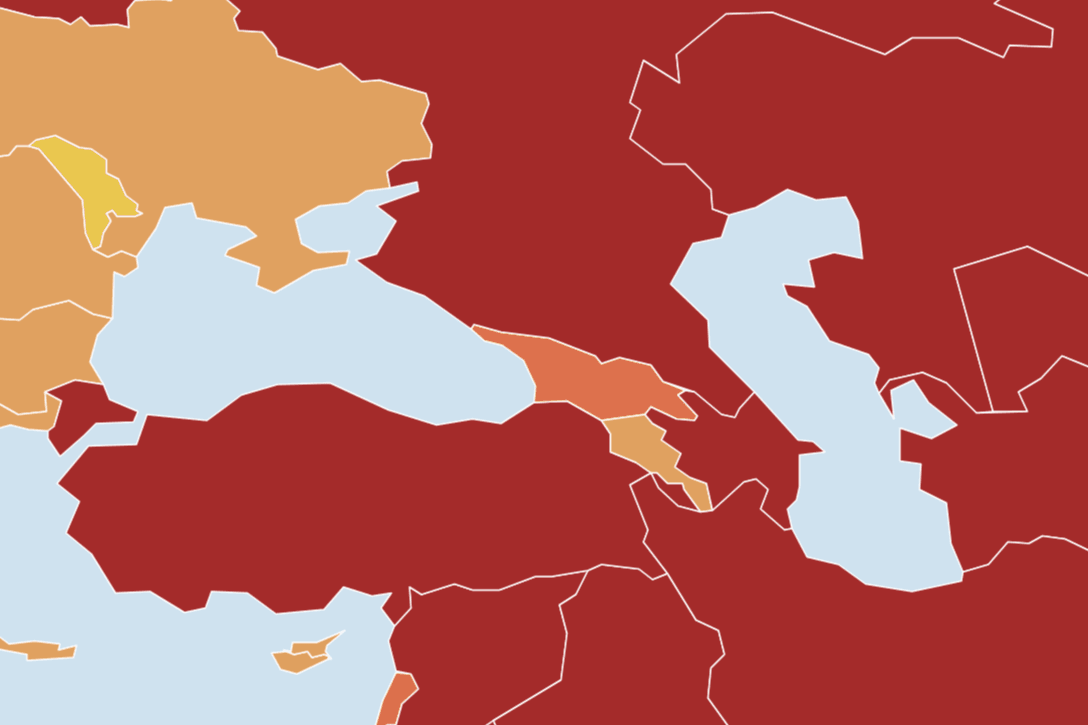
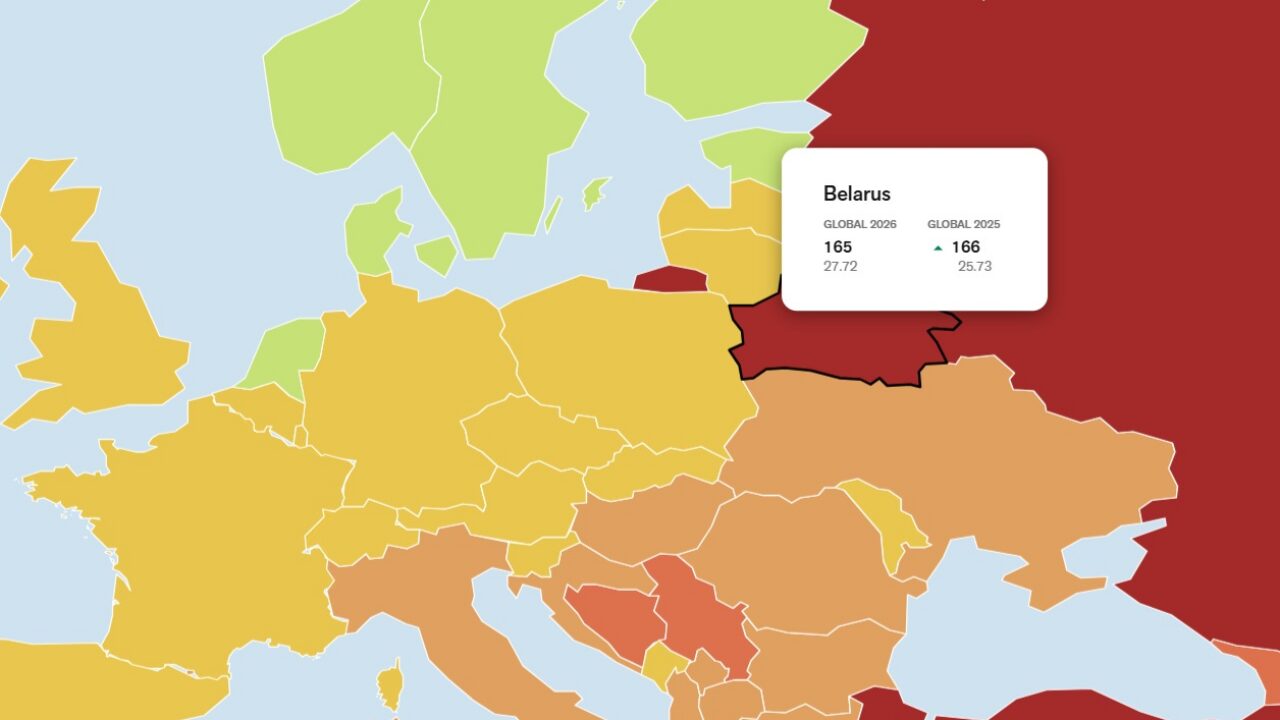
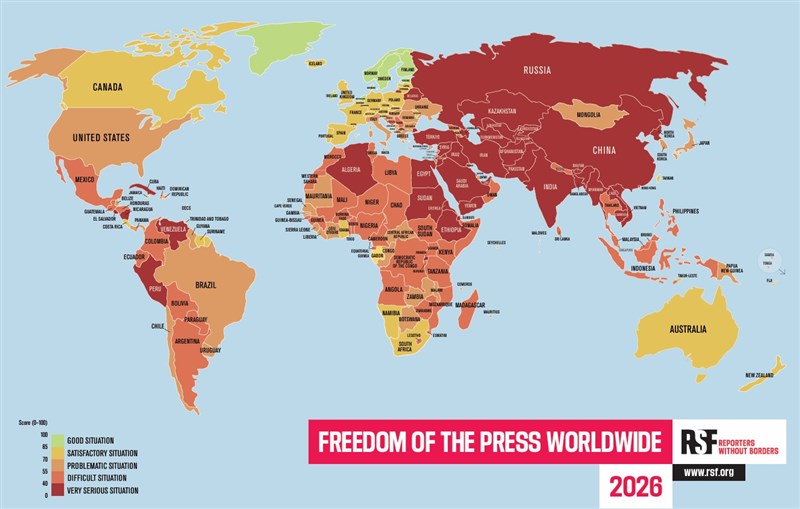
Global press freedom has reached a 25-year low, with profound implications for cross-border e-commerce sellers relying on transparent market information and regulatory predictability. The 2025-2026 Reporters Without Borders Press Freedom Index reveals that 52 countries now fall into "difficult" or "very serious" press freedom categories (up from 14 in 2002), while less than 1% of the global population lives in countries with "good" press freedom (down from 20% in 2002). The United States dropped 7 positions to 64th place, marking a decade-long decline attributed to Trump administration pressure on media, FCC licensing threats, and media consolidation among six major companies (Comcast, Disney, Warner Bros Discovery, Paramount Skydance, Sony, Amazon). Japan advanced to 62nd place but remains categorized as "problematic" due to state secrets legislation and political pressure. China ranks 178th, above only North Korea and Eritrea, while European nations dominate top rankings (Norway 1st, Netherlands 2nd, Estonia 3rd, Denmark 4th, Sweden 5th).
For cross-border sellers, this deterioration directly impacts market intelligence and business transparency. In regions with collapsing press freedom—particularly Asia-Pacific, Russia, and Middle East—sellers face reduced access to reliable information about regulatory changes, competitor activities, consumer trends, and supply chain disruptions. Russia imprisons 48 journalists and uses counter-terrorism laws to suppress reporting, creating opacity around market conditions and payment system reliability. Over 220 journalists killed in Gaza since October 2023, and Ecuador/Peru experience journalist murders by organized crime, signaling unstable business environments where sellers cannot verify market conditions or partner reliability. The FCC's licensing threat strategy creates chilling effects on US media coverage of immigration policy and trade issues—critical information for sellers managing tariffs and cross-border logistics. Media consolidation concentrating control among six companies reduces editorial diversity, meaning fewer independent voices reporting on regulatory changes, trade disputes, or platform policy shifts that directly affect seller operations.
Strategic implications for sellers: Markets with declining press freedom present elevated operational risk. Sellers cannot reliably monitor regulatory changes, currency fluctuations, or payment processor reliability in countries like Russia (48 imprisoned journalists), China (178th ranking), or regions experiencing journalist violence. The US press freedom decline signals potential restrictions on information flow regarding trade policy, tariff changes, and platform regulatory compliance—critical for sellers managing Amazon, eBay, and Shopify operations. Conversely, European markets with strong press freedom (Norway, Netherlands, Estonia, Denmark, Sweden) offer greater transparency into regulatory requirements, tax compliance deadlines, and platform policy changes. Sellers should prioritize market intelligence infrastructure in high-opacity regions and consider geographic diversification toward press-free jurisdictions where business information flows more reliably.
Questions 8
How does the global press freedom crisis affect supply chain transparency and vendor due diligence?
The global press freedom crisis reduces sellers' ability to conduct effective vendor due diligence and supply chain transparency monitoring. In countries with 'difficult' or 'very serious' press conditions, sellers cannot access independent reporting on supplier financial stability, labor practices, environmental compliance, or regulatory violations. This increases risk of supplier fraud, product quality issues, and regulatory violations (especially critical for sellers managing compliance with Amazon's Vendor Code of Conduct or eBay's supplier requirements). Sellers should implement third-party supply chain audits, use independent verification services, diversify supplier relationships across multiple countries, and maintain direct communication channels with suppliers rather than relying on media-reported information about supplier reliability.
What compliance risks emerge from FCC licensing threats and media pressure on US platforms?
FCC licensing threats and media pressure create uncertainty around US platform regulation and policy enforcement. The FCC's March investigation into broadcaster licenses for 'news distortions' regarding trade and immigration coverage signals potential regulatory shifts affecting how platforms report on seller policies and trade regulations. This creates compliance risk for sellers relying on media coverage to understand tariff changes, trade policy shifts, and platform regulatory updates. Sellers should establish direct communication channels with Amazon Seller Central, eBay Seller Hub, and Shopify support rather than relying on media interpretation of policy changes. Subscribe to official government trade policy alerts (US International Trade Commission, Commerce Department) and maintain compliance calendars tracking regulatory deadlines independently of media coverage.