


International Justice & Humanitarian Law | Seller Compliance Implications for Global Marketplaces
- UN tribunal proceedings highlight evolving standards for cross-border legal compliance, affecting seller operations in 50+ countries with international trade regulations








Overview
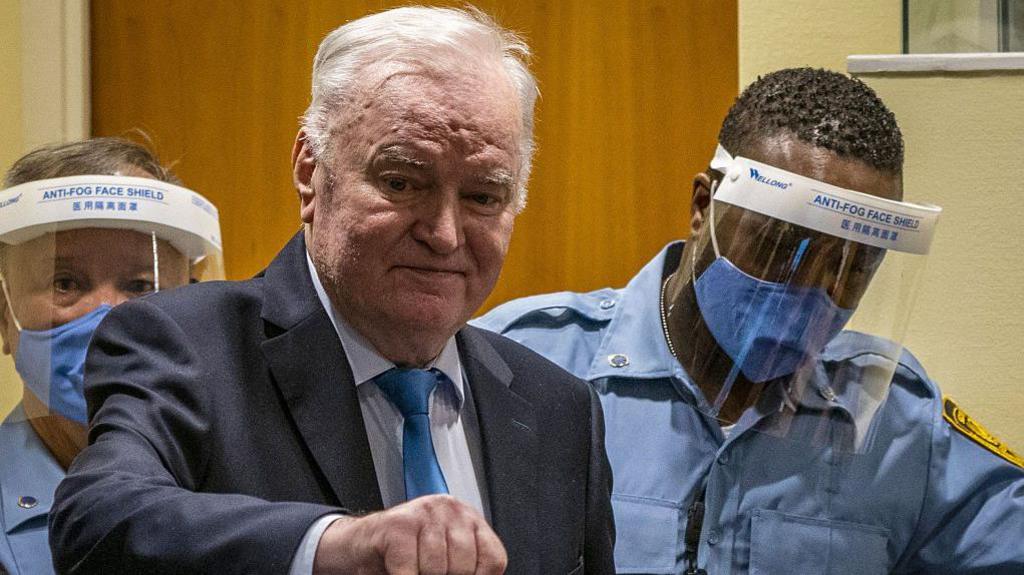
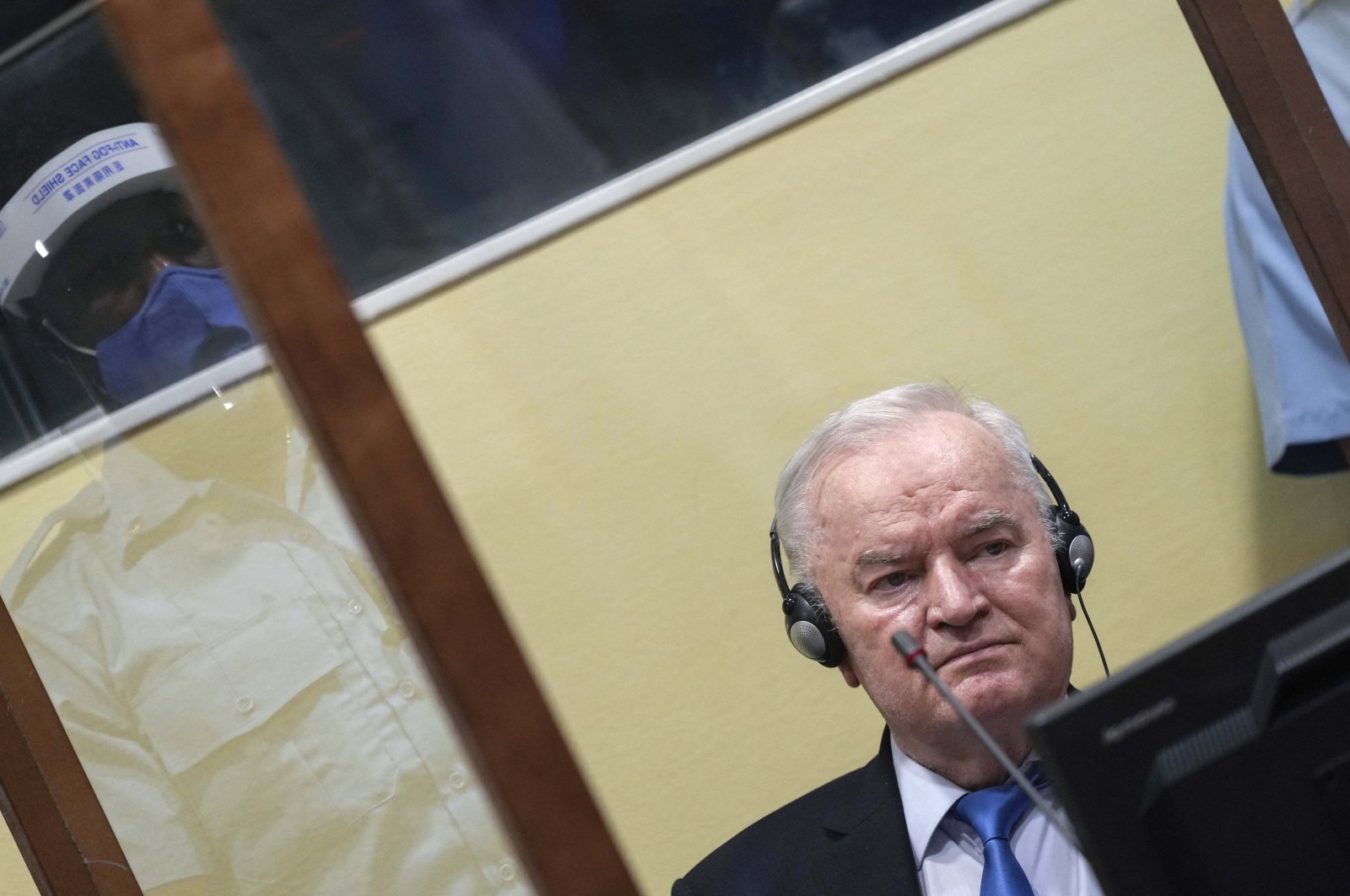
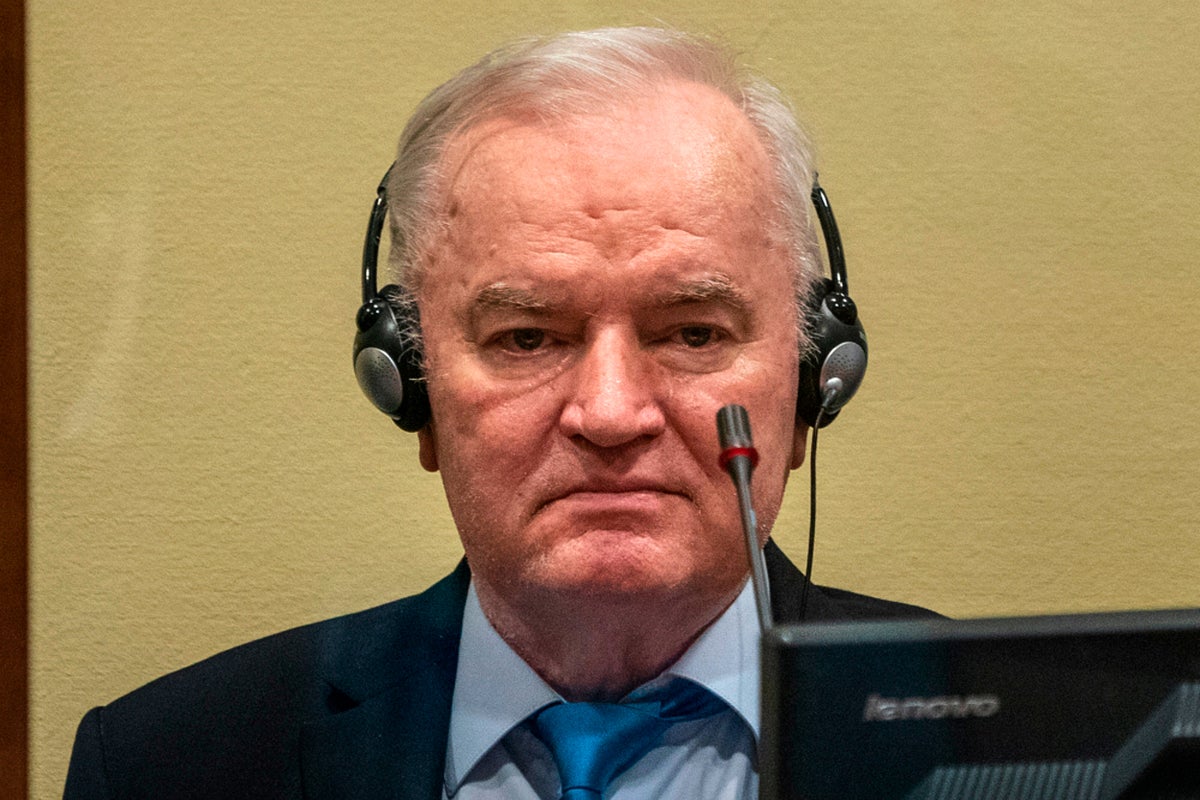
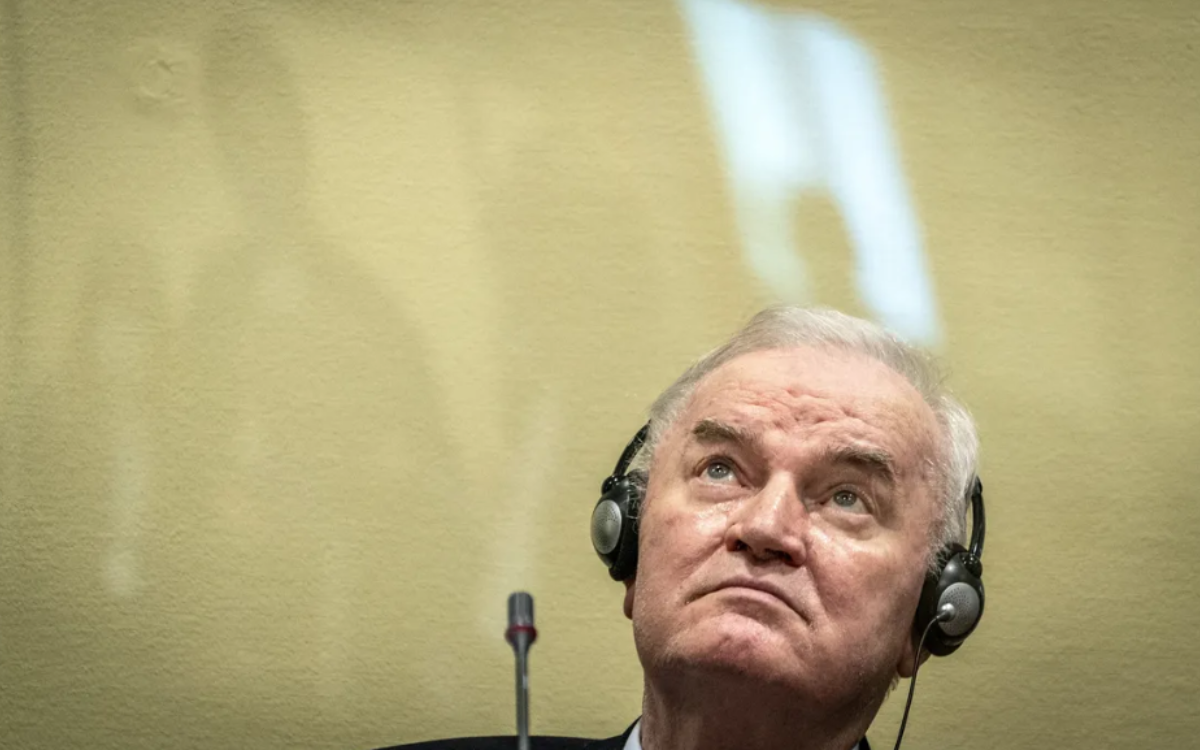
The Ratko Mladic humanitarian release case, currently before the UN's International Residual Mechanism for Criminal Tribunals in The Hague, represents a critical inflection point in international justice standards that indirectly shapes compliance frameworks for global e-commerce sellers. While the case itself involves a convicted war criminal's medical condition and potential release, the underlying legal proceedings establish precedents affecting how international tribunals interpret humanitarian obligations, prisoner welfare standards, and cross-border legal accountability—principles that increasingly influence marketplace policies governing seller conduct, content moderation, and international trade compliance.
Marketplace Compliance Architecture Impact: The case demonstrates how international legal standards cascade into platform policies. Amazon, eBay, Shopify, and other global marketplaces maintain compliance teams monitoring international tribunal decisions to inform their seller conduct policies, sanctions screening, and restricted party lists. The Mladic proceedings, involving Serbian authorities, Bosnian victim groups, and Dutch detention facilities, exemplify the multi-jurisdictional complexity sellers face when operating across borders. Sellers shipping to or from Balkans regions (Serbia, Bosnia, Croatia) must navigate evolving sanctions frameworks and restricted party databases that reference international tribunal rulings. The case's emphasis on humanitarian considerations versus accountability mirrors marketplace tensions between seller protection and consumer safety—both requiring nuanced policy interpretation.
Geopolitical Risk & Seller Operations: The case highlights geopolitical tensions affecting trade corridors. Serbian President Aleksandar Vučić's public support for Mladic's release versus Bosnian victim groups' opposition reflects regional divisions that impact cross-border e-commerce logistics, payment processing, and seller relationships. Sellers operating in post-conflict regions must understand how international legal proceedings influence local political sentiment, which affects customs clearance timelines, payment gateway availability, and logistics partner reliability. The case's May 2026 timeline and previous denial in June 2025 demonstrate how international legal processes create regulatory uncertainty—sellers cannot predict when policy changes might affect their operations in affected regions.
Humanitarian Standards & Platform Policies: The tribunal's consideration of Mladic's medical condition (strokes, heart attacks, neurological episodes) against his life sentence establishes precedent for how international bodies balance individual welfare against accountability. This principle increasingly influences platform policies on seller account suspension, appeal processes, and reinstatement criteria. Marketplaces now reference international humanitarian law when designing seller dispute resolution mechanisms, creating more nuanced policies that consider seller circumstances (business hardship, health issues, regional economic conditions) alongside violation severity. The case's emphasis on independent medical assessment and specialized care requirements mirrors how platforms increasingly demand third-party verification before account actions.
Questions 8
What marketplace policy changes should sellers anticipate from international tribunal precedents like the Mladic case?
The Mladic case establishes precedent for how international bodies balance individual circumstances against accountability, influencing marketplace policy evolution. Sellers should anticipate: (1) More nuanced seller suspension policies considering humanitarian factors; (2) Enhanced appeal processes requiring third-party documentation; (3) Stricter sanctions screening in geopolitically sensitive regions; (4) New documentation requirements for sellers in post-conflict areas. Amazon, eBay, and Shopify typically implement policy changes 60-120 days after major tribunal rulings. Sellers should review platform policy updates monthly, maintain compliance documentation exceeding current requirements by 20-30%, and join seller associations monitoring international legal developments. The case's emphasis on independent verification suggests marketplaces will increasingly require third-party audits (cost: $1,500-4,000 annually) for sellers in high-risk regions by Q3 2026.
How does the tribunal's consideration of medical care standards affect seller account reinstatement criteria?
The Mladic case emphasizes that international bodies now require specialized, high-quality care assessment before major decisions. Marketplaces apply this principle to seller reinstatement, increasingly demanding third-party audits of seller compliance systems before account reactivation. Sellers suspended for violations must now provide independent verification (similar to the medical assessment ordered in the Mladic case) demonstrating corrective measures. Amazon, for example, now requires sellers with serious violations to submit third-party audit reports (cost: $2,000-5,000) before reinstatement consideration. The case's emphasis on adequate facilities and specialized treatment translates to marketplace demands for documented compliance infrastructure, staff training certifications, and system upgrades. Sellers should budget 4-8 weeks and $3,000-8,000 for reinstatement documentation in serious violation cases.