


Border Tensions Unravel: Thailand and Cambodia's Volatile Diplomatic Standoff
- Grassroots resilience emerges as international mediation fails amid escalating military confrontations















Overview
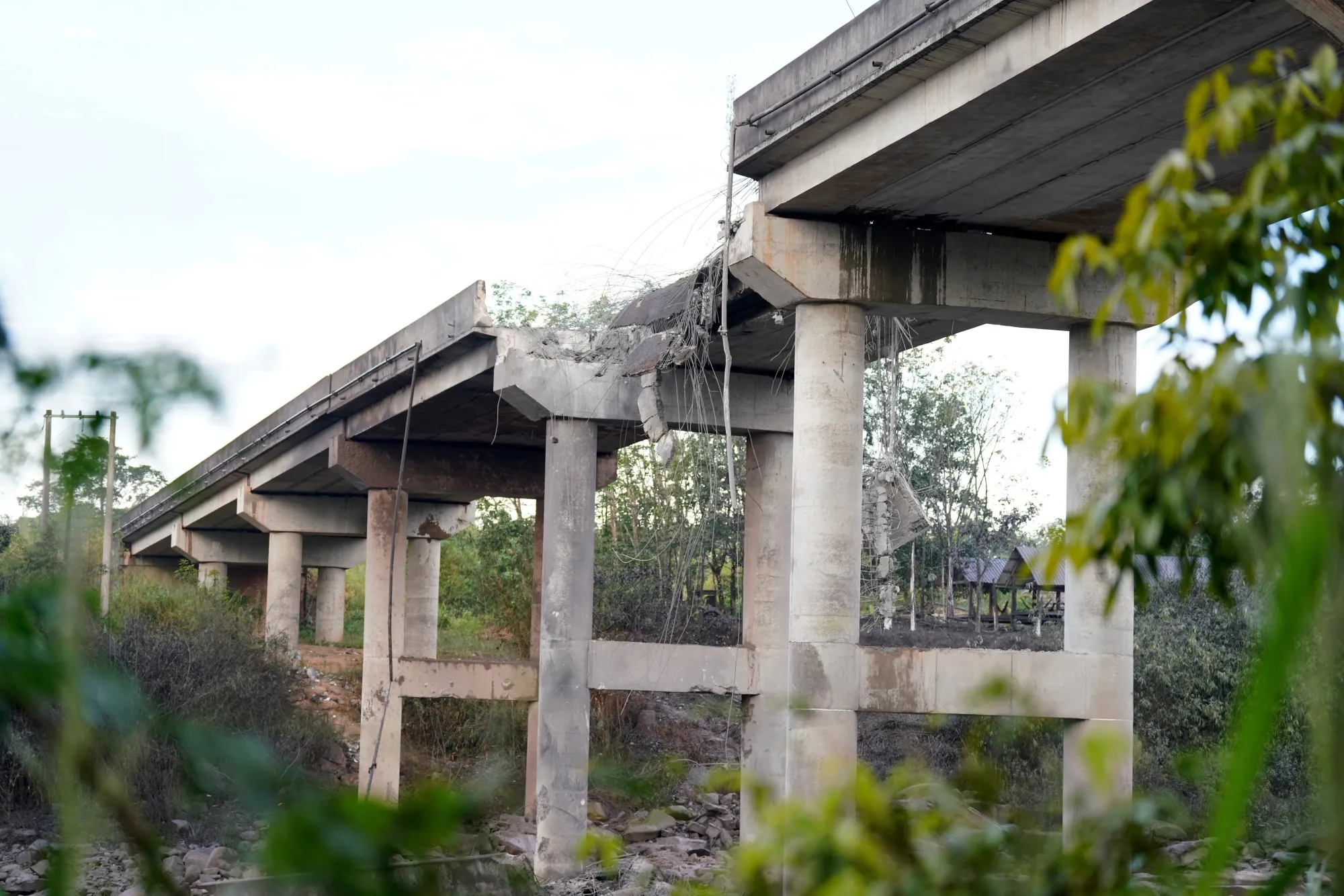
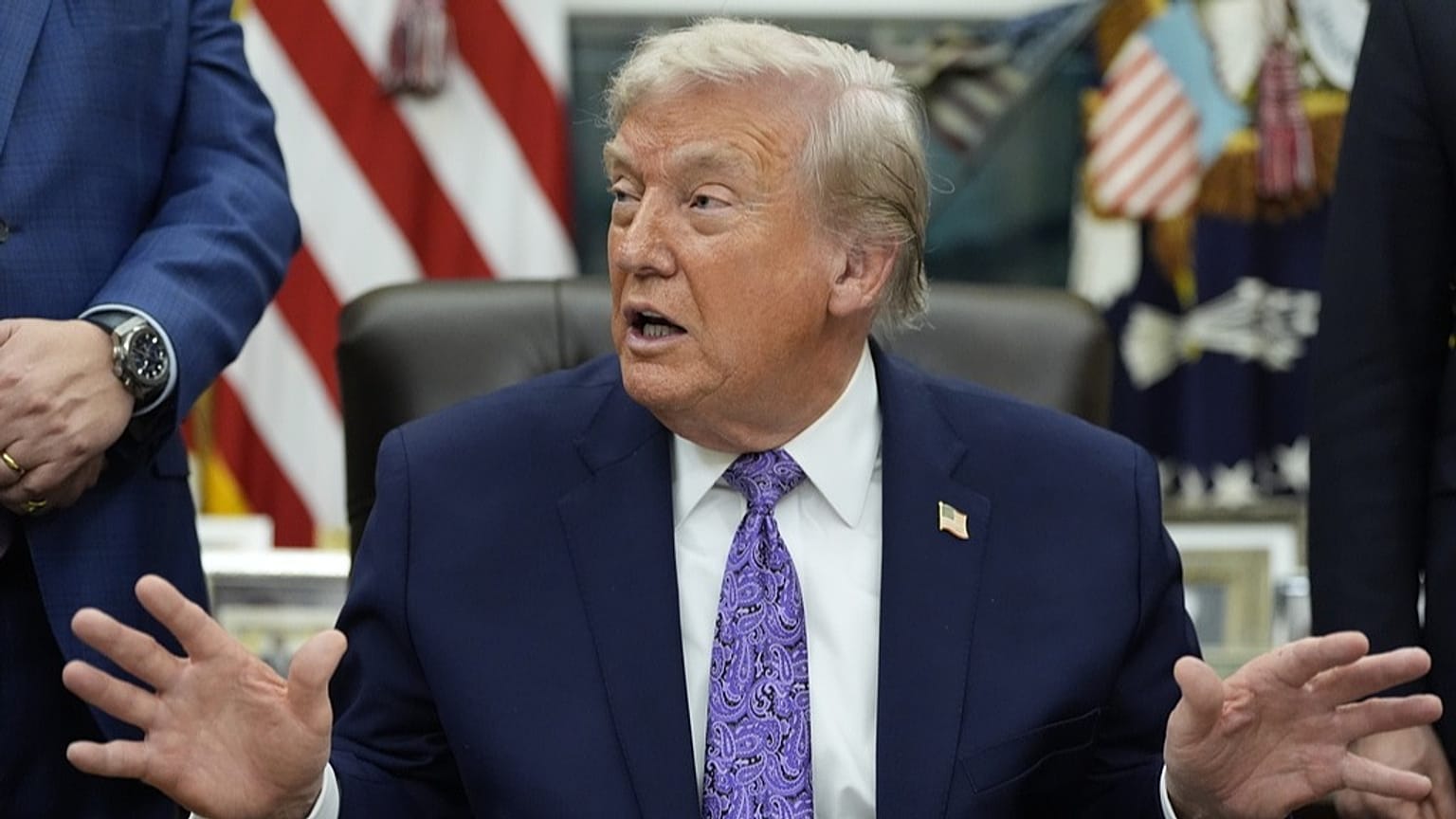
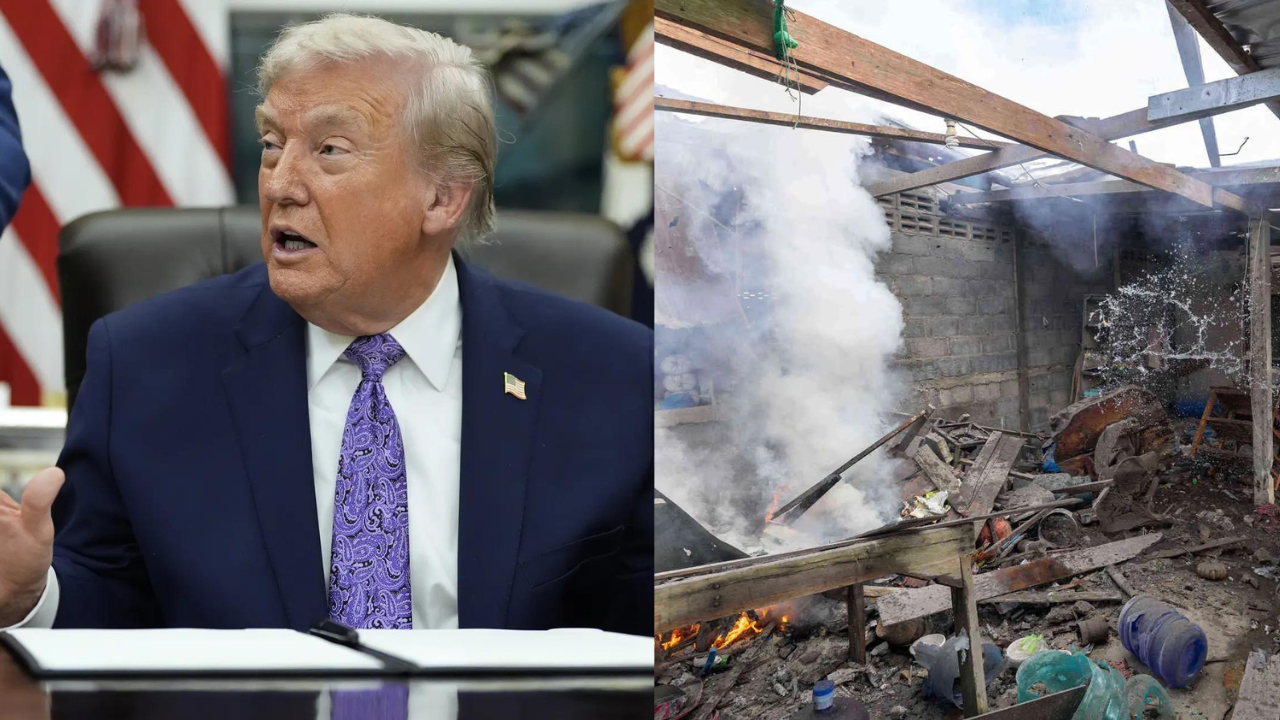
The ongoing border conflict between Thailand and Cambodia represents a complex geopolitical powder keg that exposes the fragility of diplomatic negotiations and the resilience of local communities caught in the crossfire. Despite multiple attempted interventions, including a disputed ceasefire claim by former U.S. President Donald Trump, military tensions continue to escalate along their 817-km disputed border.
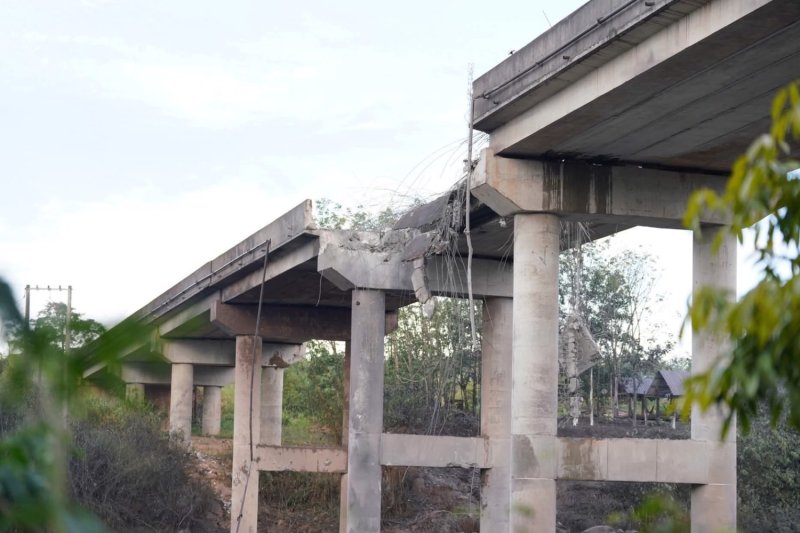
The conflict reveals a multi-layered strategic challenge. Military exchanges have been brutal, with Thai forces reporting 11 troops killed and estimating 165 Cambodian soldier fatalities, while Cambodia acknowledges 11 civilian deaths and 76 wounded. The military confrontations involve sophisticated weaponry, including Thai airstrikes and Cambodian BM-21 rocket launchers capable of firing 40 rockets simultaneously across a 30-40 kilometer range.
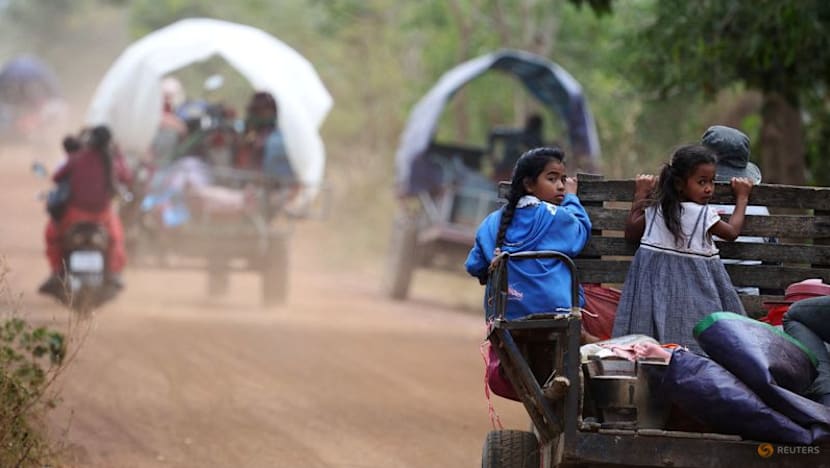
What makes this conflict particularly noteworthy is the emergence of a remarkable grassroots response. As hundreds of thousands flee the border regions, a small group of volunteer village security guards like Somjai Kraiprakon have chosen to remain, protecting abandoned properties and maintaining community infrastructure. This volunteer system represents a profound local adaptation to geopolitical instability, highlighting community resilience in the face of potential destruction.
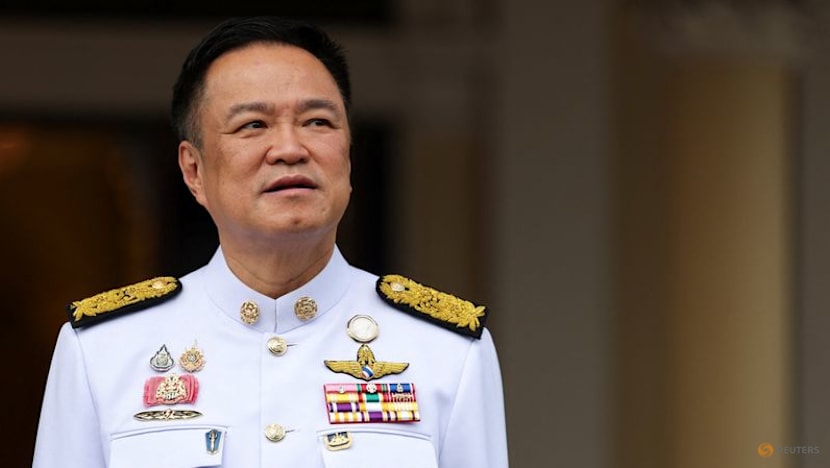
The diplomatic landscape remains treacherous. Hun Manet, Cambodia's leader, has suggested involving U.S. and Malaysian intelligence to verify which side initiated hostilities, indicating a potential diplomatic off-ramp. However, the underlying territorial disputes, dating back decades, continue to fuel periodic violent confrontations.
The conflict's broader implications extend far beyond local tensions. Regional economic stability is at risk, with cross-border trade and community life severely disrupted. The ongoing military engagement suggests that traditional diplomatic mechanisms are struggling to contain escalating regional conflicts, potentially signaling a more volatile geopolitical environment in Southeast Asia.
Questions 4
What makes the local volunteer response unique in this conflict?
Village security volunteers like Somjai Kraiprakon are staying behind during mass evacuations, protecting empty homes and community infrastructure without compensation. They carry firearms, patrol abandoned areas, and demonstrate extraordinary community resilience by maintaining social cohesion during a military crisis.
Why are Thailand and Cambodia currently in conflict?
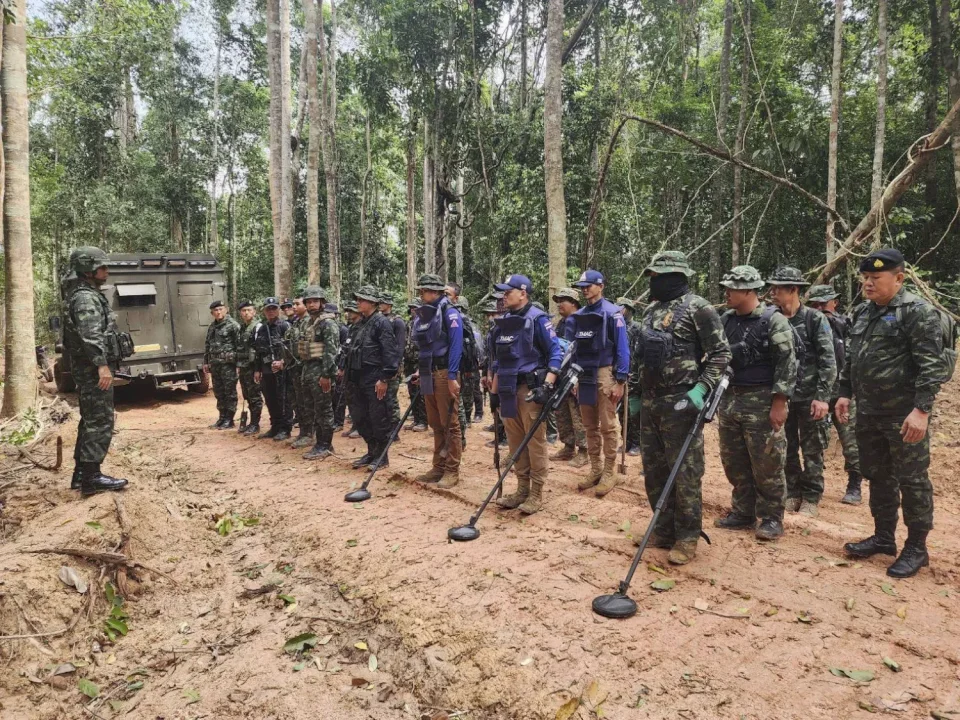
The conflict stems from long-standing territorial disputes along their 817-km border. Recent tensions escalated after Thailand suspended a previous agreement, alleging that Cambodia laid new landmines, which Cambodia denies. The dispute involves complex historical territorial claims and periodic military confrontations.