




Fed Rate Holds Through 2026 | E-Commerce Sellers Face Higher Borrowing Costs & Demand Headwinds
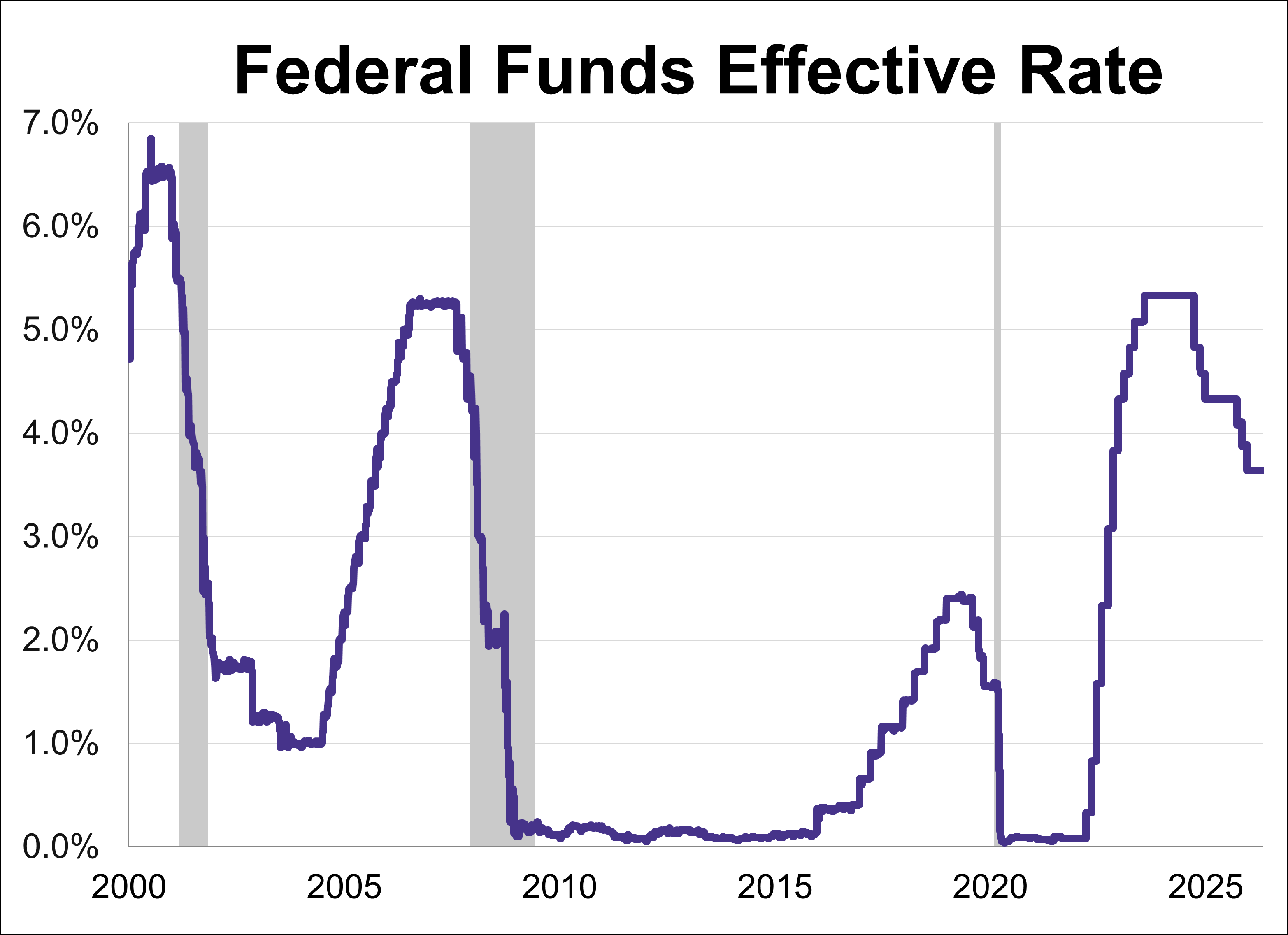
- Federal funds rate locked at 3.50-3.75% with 80% probability of no cuts through 2026; inflation at 3.5% annually threatens consumer discretionary spending and seller financing accessibility


Overview
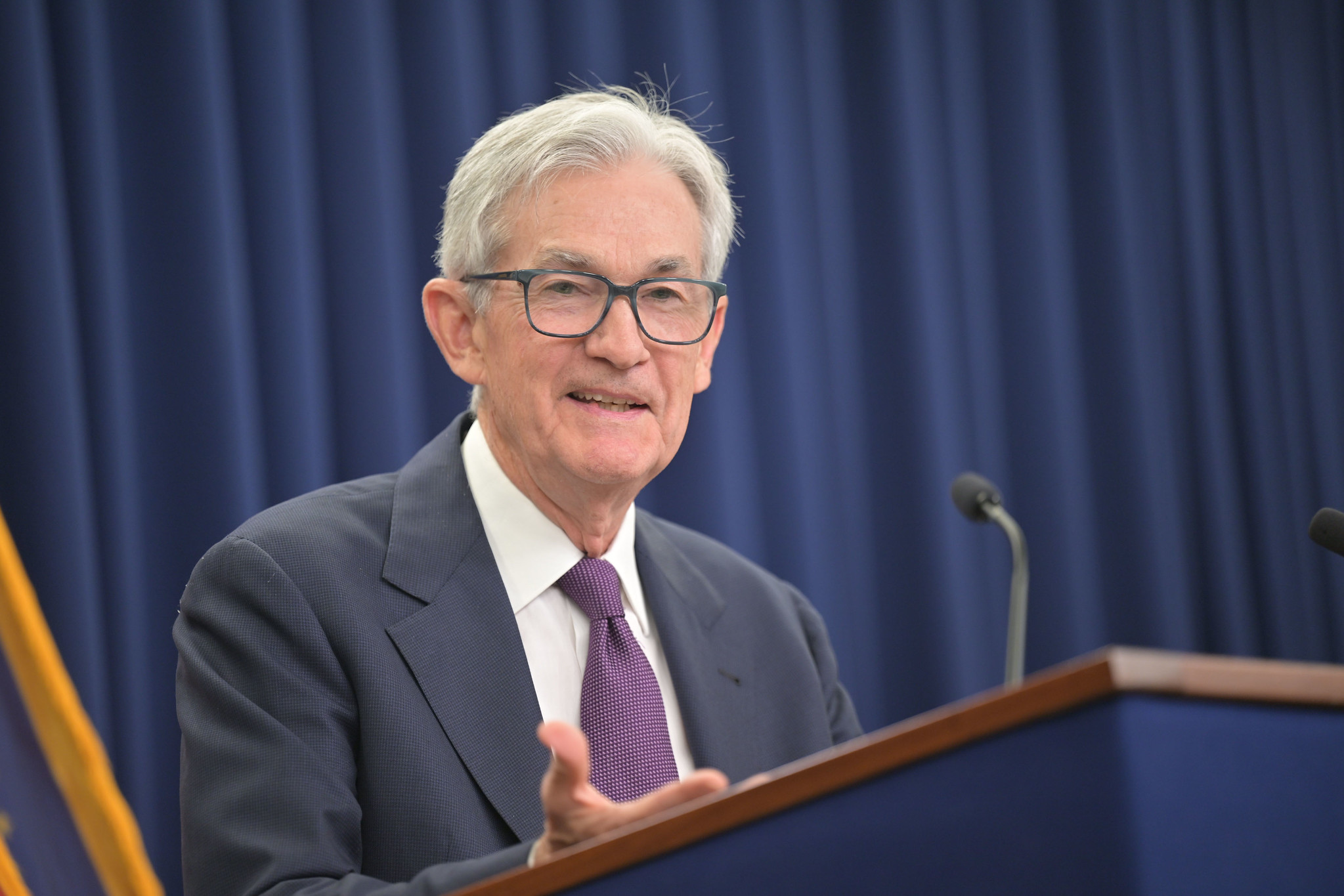
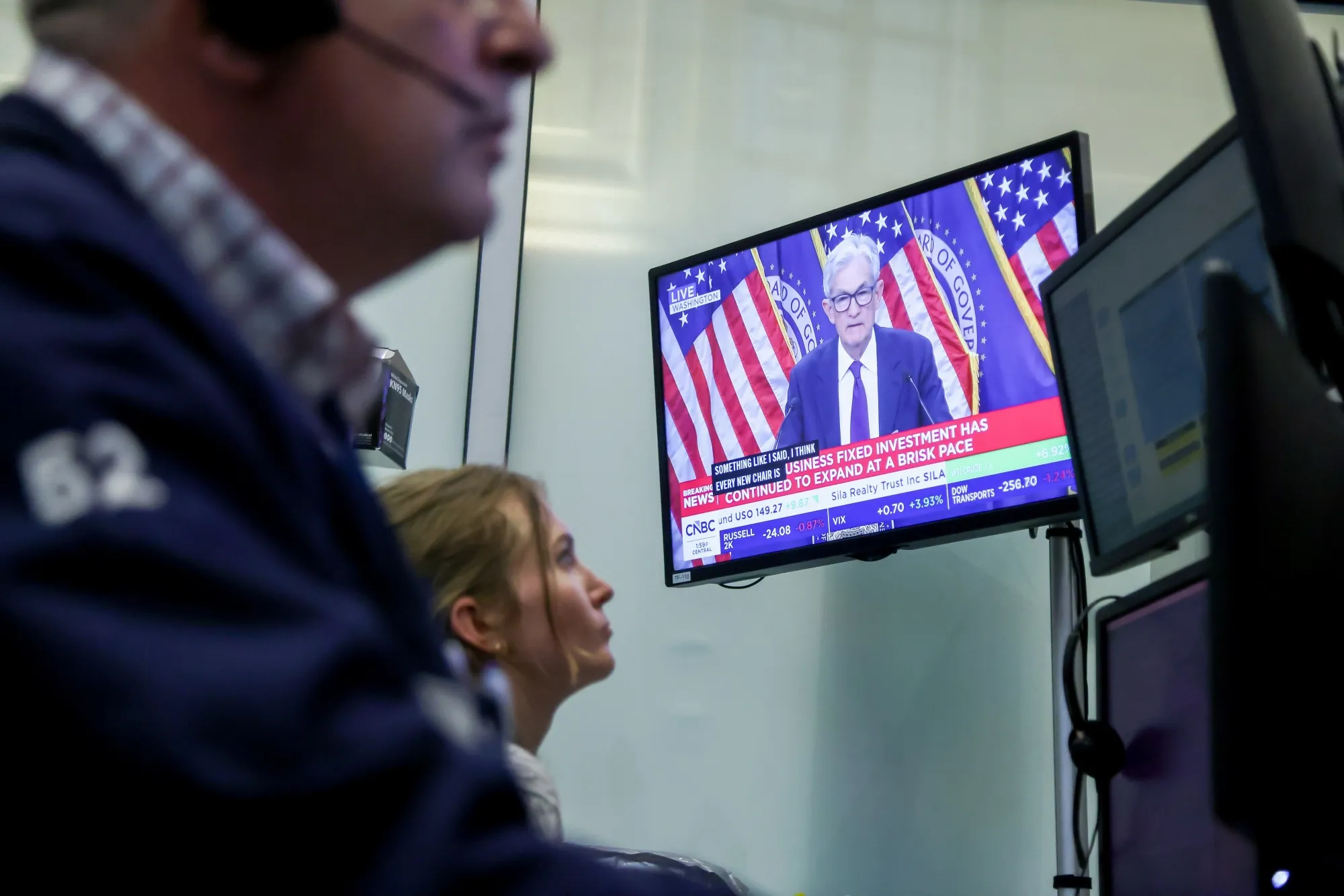
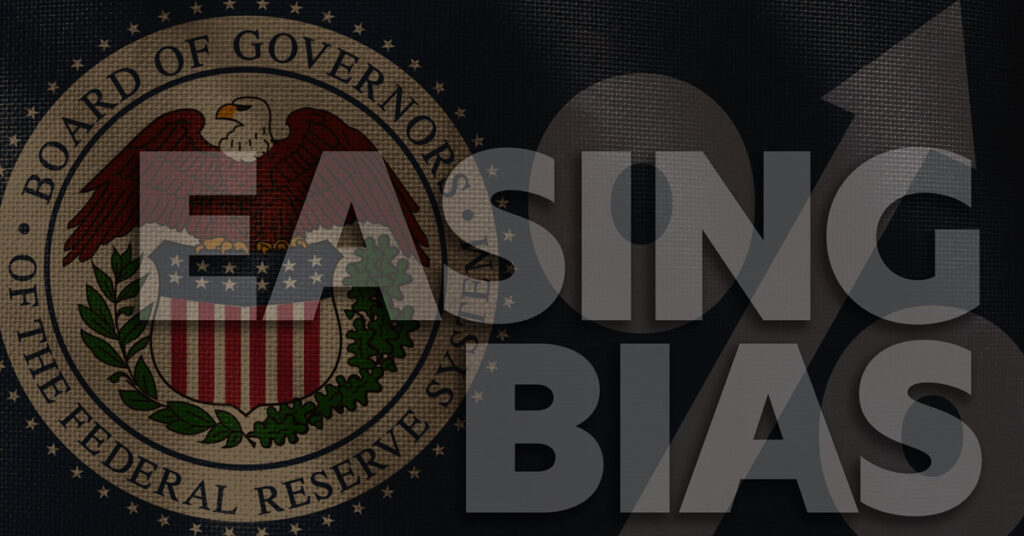
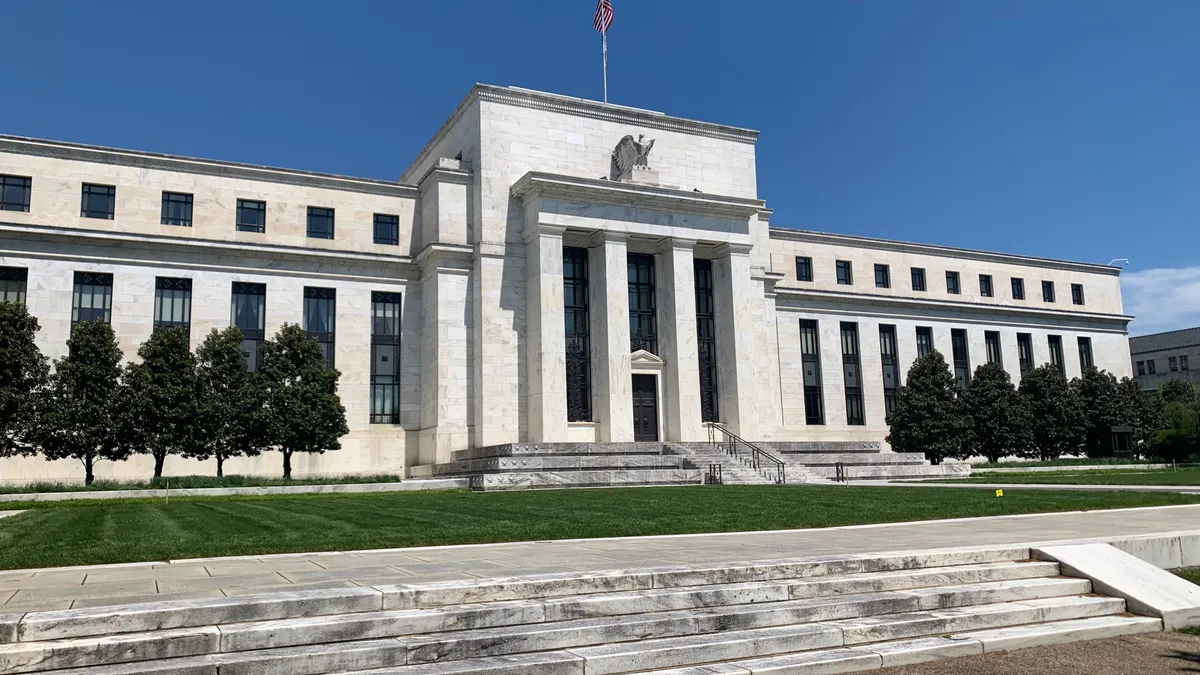
The Federal Reserve's April 29, 2026 FOMC meeting signals a critical inflection point for e-commerce sellers navigating tightening financial conditions. The committee maintained the federal funds rate at 3.50-3.75% with unprecedented internal dissent—four voting members (25% of the committee) opposing the easing bias, marking the highest dissent level in 34 years. Market expectations now assign over 80% probability to rate holds throughout 2026, effectively ending hopes for the relief that six rate cuts since September 2024 had provided.
Direct Impact on E-Commerce Seller Economics: Higher interest rates directly compress seller margins through multiple channels. Sellers relying on inventory financing through Amazon Lending, traditional bank lines of credit, or 3PL working capital facilities face increased borrowing costs of 50-150 basis points annually. For a mid-sized seller carrying $500K in inventory financed at variable rates, this translates to $2,500-$7,500 in additional annual interest expense. Simultaneously, elevated rates dampen consumer discretionary spending—the S&P 500's Shiller CAPE Ratio sits at its second-highest valuation in 155 years, signaling potential market volatility that historically precedes consumer pullbacks in non-essential categories (apparel, electronics, home goods).
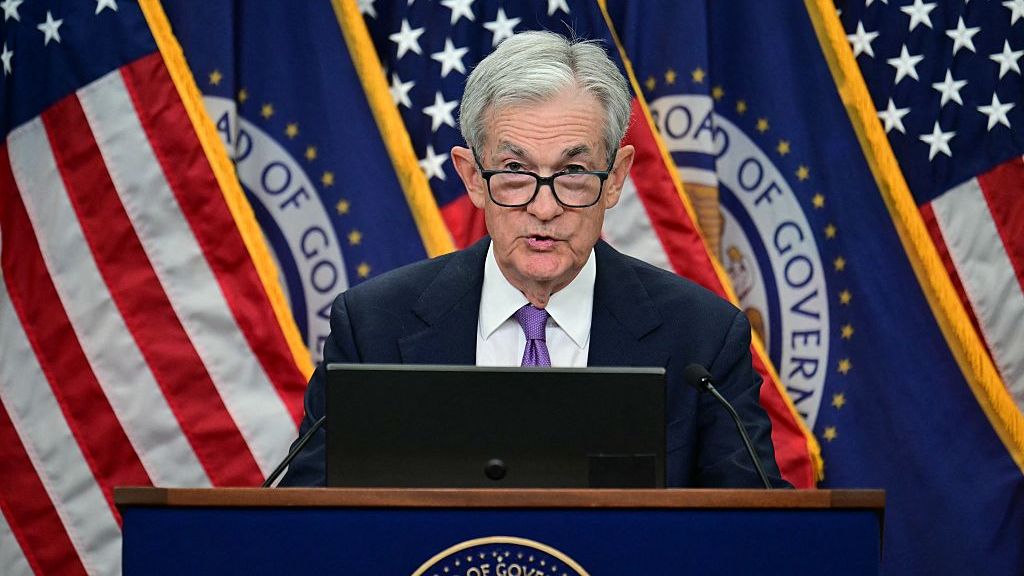
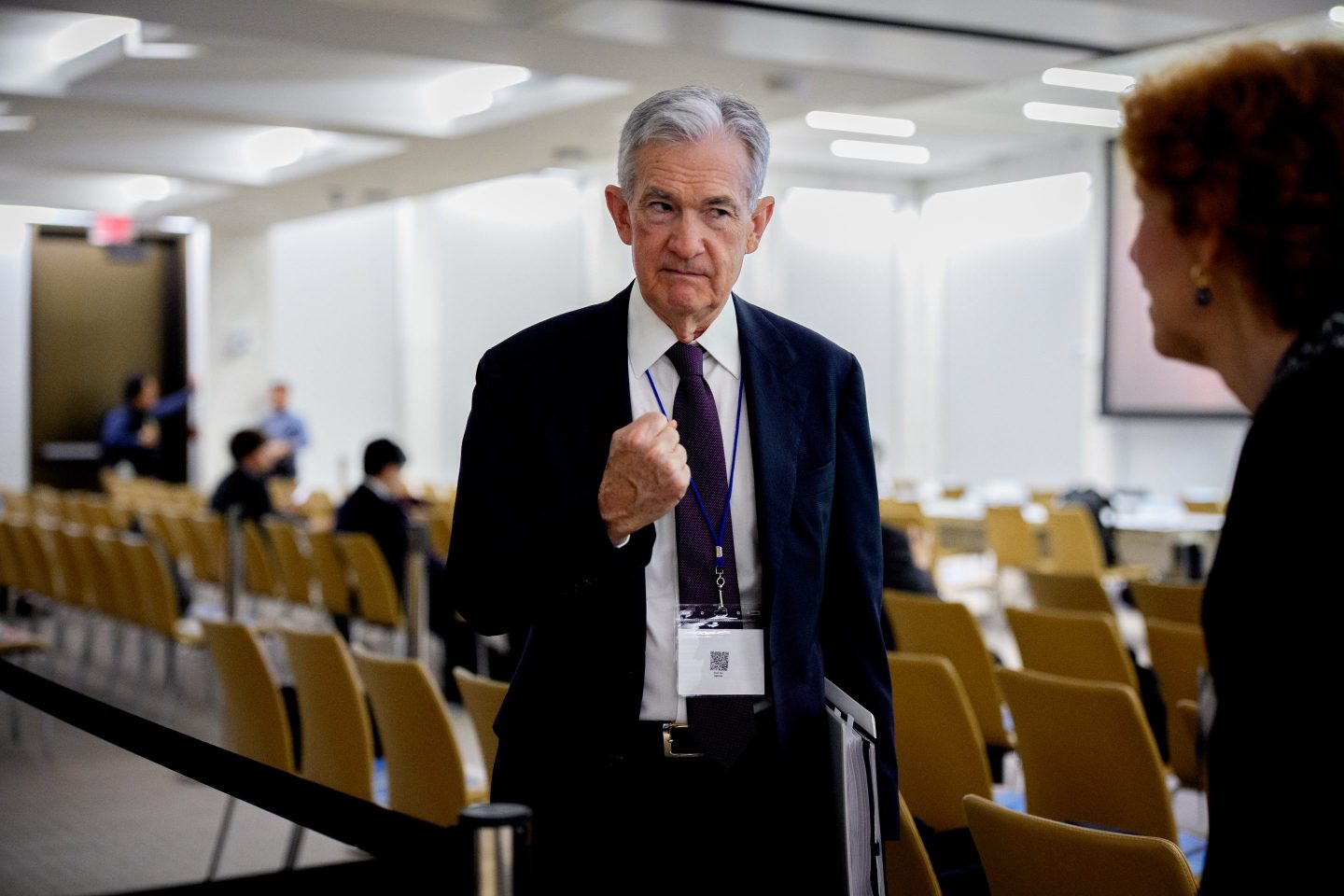
Leadership Uncertainty Compounds Volatility: Jerome Powell's transition to Kevin Warsh (confirmed May 15, 2026) introduces policy uncertainty through January 31, 2028, when Powell's board term expires. Powell's decision to remain as a board governor creates potential "shadow chair" dynamics, with economists warning of dissent-driven policy gridlock. This institutional friction prevents the monetary stimulus that sellers had anticipated, forcing recalibration of 2026-2027 demand forecasts. Inflation remains elevated at 3.5% annually (March 2026), driven partly by geopolitical oil market tensions, further pressuring consumer purchasing power in price-sensitive categories.
Currency and Cross-Border Implications: For sellers operating across multiple currencies, Fed rate holds strengthen the US dollar relative to EUR, GBP, and emerging market currencies. This creates headwinds for US sellers exporting to Europe (reduced competitiveness) while benefiting sellers importing from Asia-Pacific regions. Cross-border transaction costs rise as currency volatility increases without rate-cut stabilization. Sellers should monitor CME FedWatch data weekly, as any shift toward rate cuts would immediately improve financing accessibility and consumer demand trajectories.
Questions 8
How can sellers monitor Fed policy changes that might affect their business?
Subscribe to CME FedWatch Tool (cmegroup.com) for real-time rate expectations—currently showing 80%+ probability of holds through 2026. Follow Federal Reserve press releases (federalreserve.gov) for FOMC meeting outcomes and policy guidance. Monitor inflation data (CPI releases monthly) and employment reports, as these drive Fed decisions. Set calendar alerts for FOMC meeting dates (typically 8 per year) and review the policy statement within 30 minutes of release. Track your category's sales velocity against consumer confidence indices (Conference Board, University of Michigan) to correlate demand with Fed policy signals.
What immediate actions should sellers take given the Fed's rate hold outlook?
Immediate actions (next 30 days): (1) Review all variable-rate financing agreements and lock in fixed rates before potential further increases; (2) Audit inventory levels and reduce non-essential SKUs by 15-20% to lower financing costs; (3) Negotiate extended payment terms (45-60 days) with suppliers to improve cash flow; (4) Analyze your product category's historical correlation with consumer confidence to forecast demand; (5) Set up CME FedWatch alerts for rate expectation changes. Strategic adjustments (1-6 months): Shift 20-30% of inventory to 3PL providers with fixed-cost models, reducing exposure to variable financing rates. Evaluate alternative marketplaces (Shopify, eBay) with lower fee structures to offset margin compression from higher borrowing costs.