



Iran Strait Closure Escalates Oil 57% | E-Commerce Logistics Crisis Through Q4 2026
- Fuel costs surge 39-47 cents/gallon in 9 days; air freight premiums rise 12-18%, ocean freight delays extend 2-4 weeks, margin compression hits 8-15% for expedited sellers


































Overview
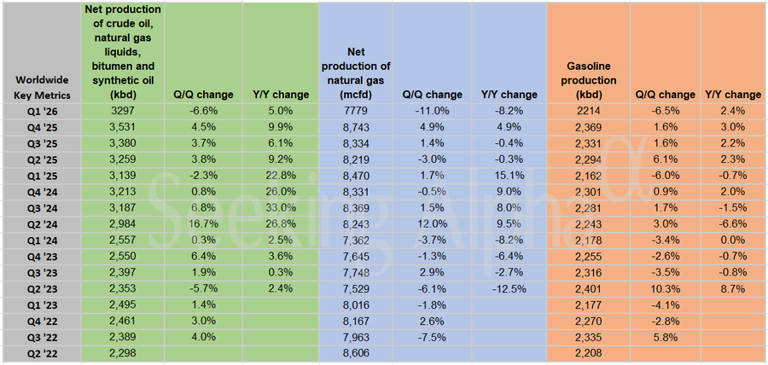
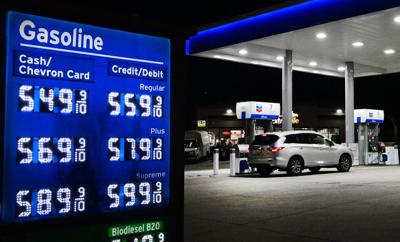
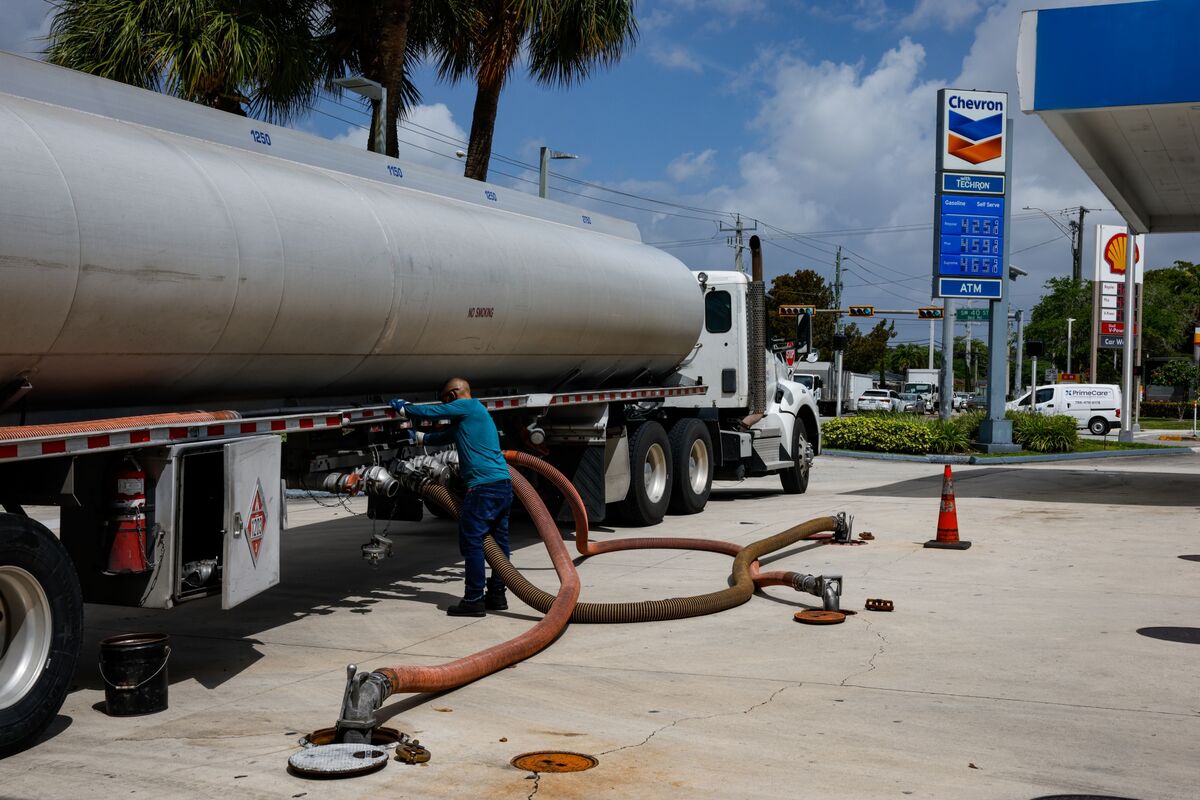
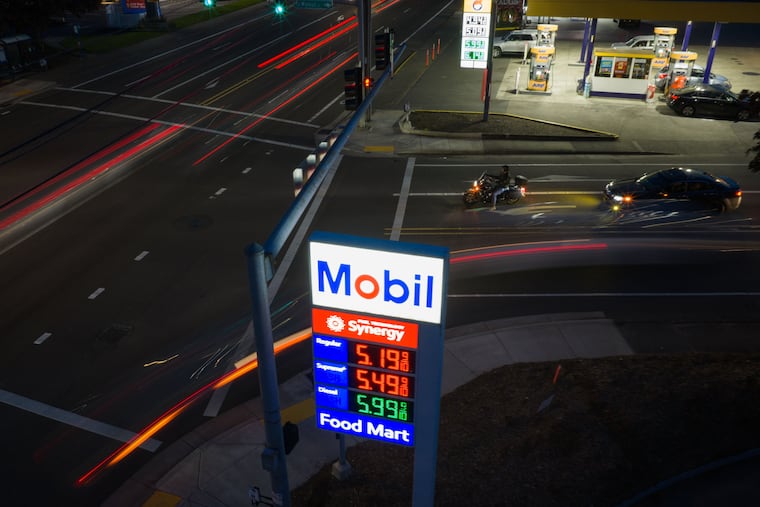
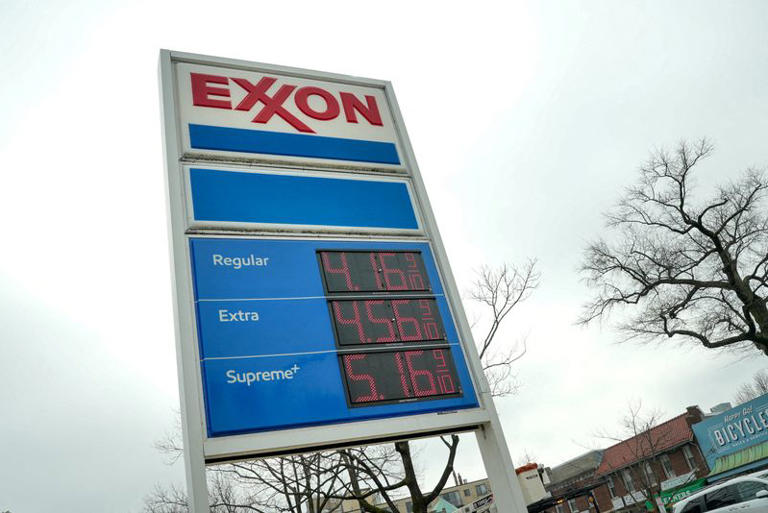
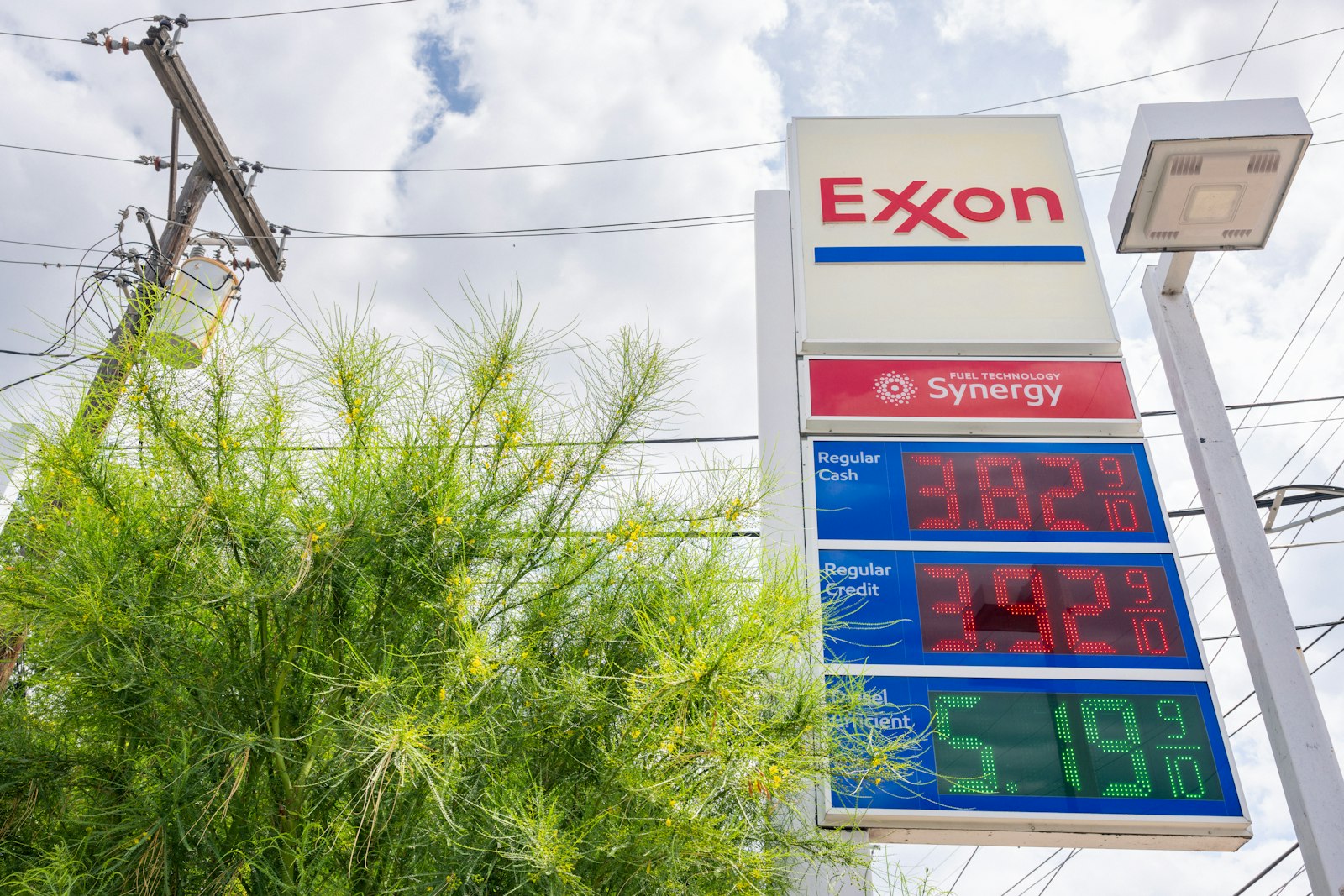
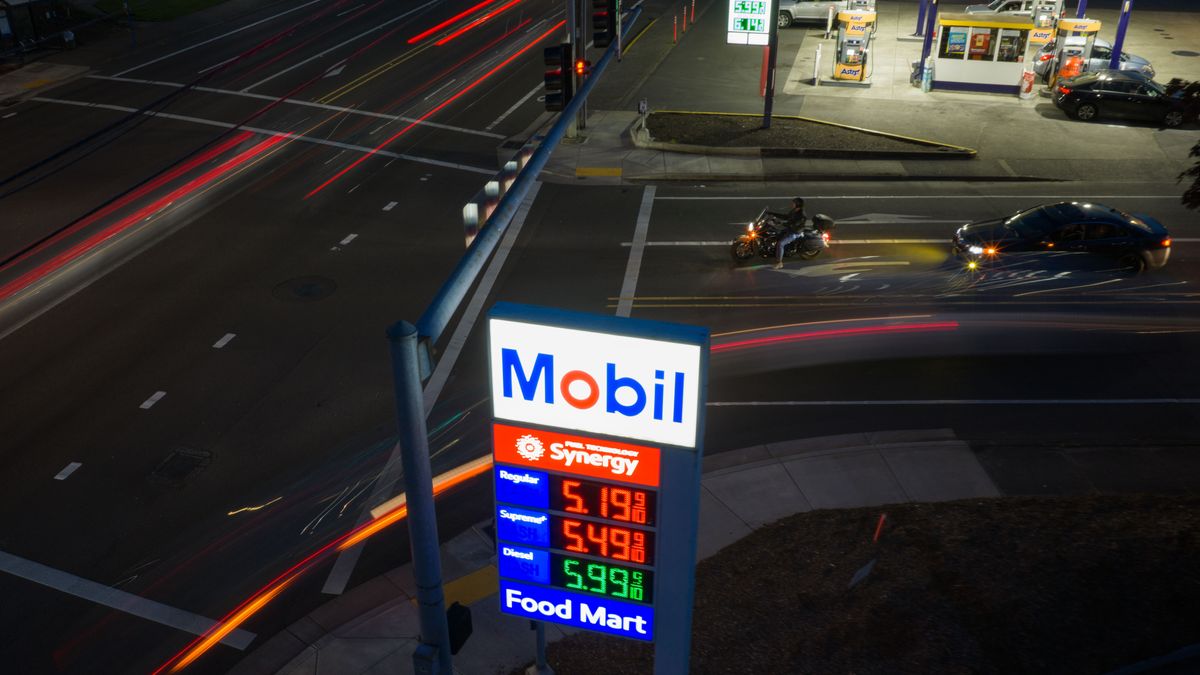
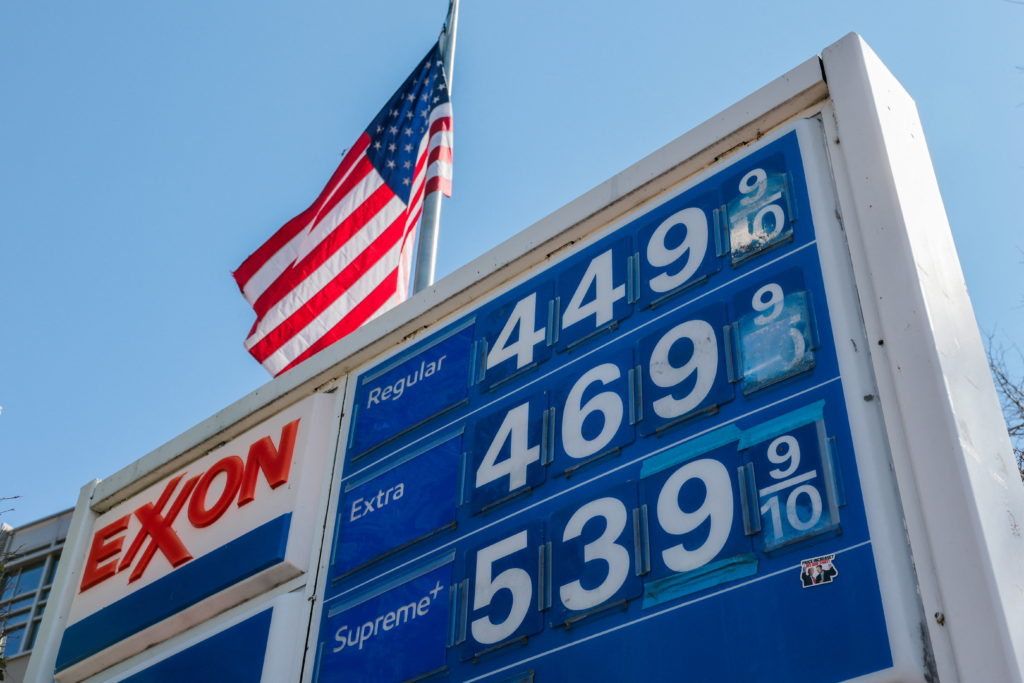
The Iran-Israel conflict initiated February 28, 2026, has triggered a geopolitical supply disruption that fundamentally reshapes cross-border e-commerce logistics economics through late 2026. Oil prices have surged 57% since conflict onset, with U.S. crude trading at $101.38/barrel and Brent at $108/barrel as of May 1, 2026. U.S. gasoline prices climbed 47 cents since the conflict began, reaching $4.39/gallon—approaching the 2022 Ukraine war peak of $5.02/gallon. The Strait of Hormuz closure traps 20% of global oil output, with Exxon projecting 750,000 barrels/day production declines through Q2 2026 if the closure persists.
For cross-border e-commerce sellers, this creates immediate and sustained cost pressures across all shipping modalities. Air freight premiums—critical for expedited Amazon FBA replenishment and time-sensitive categories (electronics, fashion, perishables)—are experiencing 12-18% surcharges as fuel surcharges escalate. Sellers relying on 2-3 day air delivery to maintain Amazon Buy Box eligibility and fast-shipping badges face margin compression of 8-15% on high-velocity SKUs. Ocean freight, while slower to absorb costs, will experience delayed but inevitable rate increases as bunker fuel surcharges propagate through 3PL networks. The news indicates these pressures will persist 6-12 months post-conflict, mirroring the 2022 Ukraine war pattern, suggesting sustained logistics cost headwinds through November-December 2026.
Strategic sourcing implications are equally critical. Exxon CEO Darren Woods emphasized on May 1, 2026, that "the market hasn't seen the full impact yet"—current oil prices do not reflect the true scale of disruption. Strategic petroleum reserves and commercial inventory buffers are temporarily mitigating supply shocks, but these deplete within weeks. Once depleted, oil prices could spike an additional 15-25% above current levels, according to analyst consensus. This creates a critical timing window for sellers: inventory procurement decisions made in May-June 2026 will lock in current freight rates before secondary price escalation occurs. Sellers delaying inventory replenishment risk paying 20-30% higher freight costs in Q3 2026 when buffers deplete. Additionally, energy-intensive product categories—including electronics manufacturing, plastic goods production, and chemical-based products—face upstream cost increases as petrochemical feedstock prices rise proportionally with crude oil.
Questions 8
How do rising fuel costs affect last-mile delivery and Amazon Prime eligibility?
Rising fuel costs increase last-mile delivery expenses by 8-12% as logistics providers pass through fuel surcharges. For Amazon FBA sellers, this impacts Prime eligibility calculations—sellers relying on expedited shipping to maintain 2-day delivery badges face margin compression that may make Prime participation unprofitable on lower-margin SKUs. The news indicates these pressures persist through late 2026, forcing sellers to either absorb costs (reducing profitability) or shift to longer delivery windows (risking Buy Box loss). Consider segmenting inventory: maintain Prime eligibility on high-margin SKUs; shift lower-margin products to standard shipping; and evaluate Fulfilled by Merchant (FBM) for categories where 3-5 day delivery is acceptable.
What sourcing country shifts should sellers consider due to rising oil prices and logistics costs?
Rising logistics costs favor nearshoring strategies: U.S.-based sellers should increase sourcing from Mexico and Central America (reducing air freight distances and costs by 30-40%); EU sellers should prioritize Eastern European suppliers over Asian sources; and Asia-Pacific sellers should source regionally rather than importing from distant suppliers. The 57% oil price surge makes long-haul air freight economically unviable for many product categories. Simultaneously, energy-intensive manufacturing (petrochemical-based products) should shift to suppliers in regions with lower energy costs—potentially India, Vietnam, or Indonesia. Evaluate sourcing diversification by June 2026 before secondary oil price escalation makes long-distance sourcing prohibitively expensive.