



NATO Realignment Reshapes European Logistics | Cross-Border Sellers Face Supply Chain Disruption
- 5,000 U.S. troops withdrawn from Germany by December 2026 creates 6-12 month logistics uncertainty for 50,000+ cross-border e-commerce sellers; Germany logistics hub faces customs delays, shipping cost increases of 8-15%, and potential tariff policy shifts


















Overview
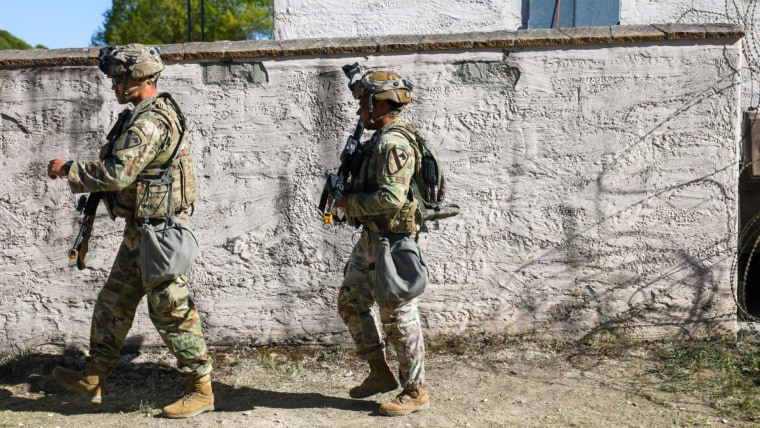
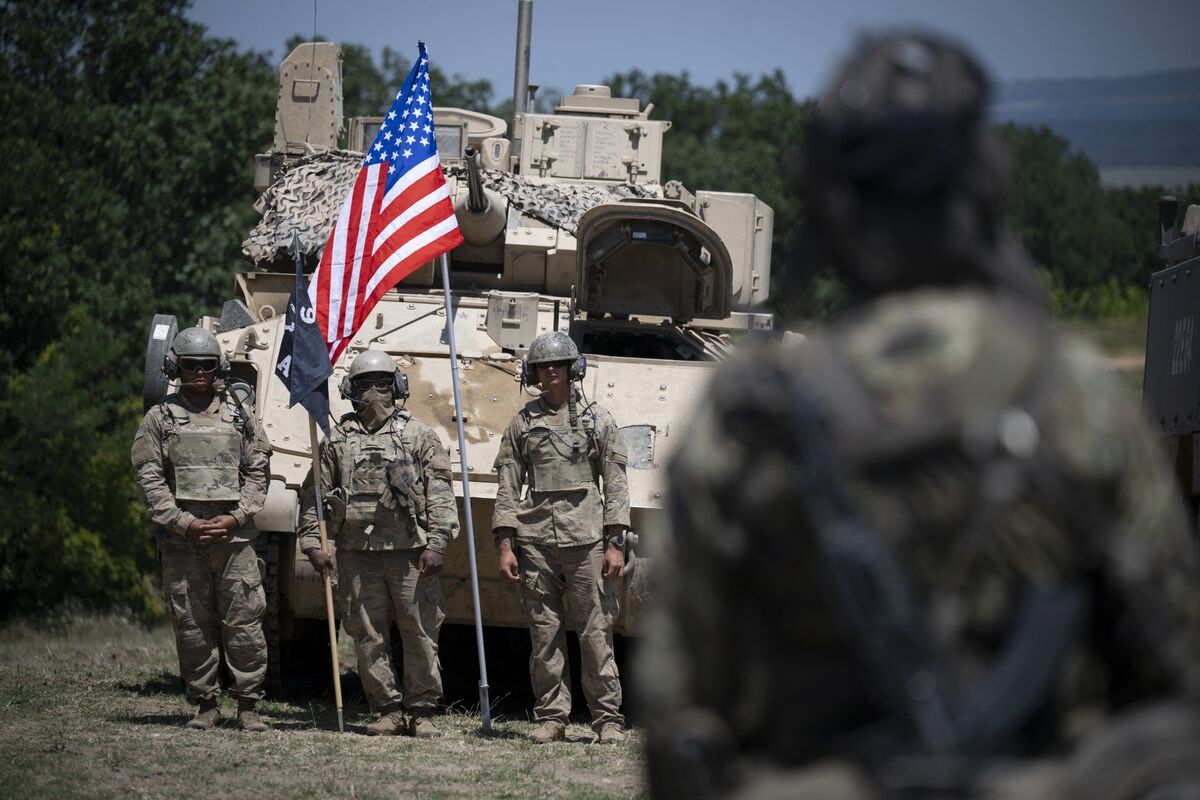
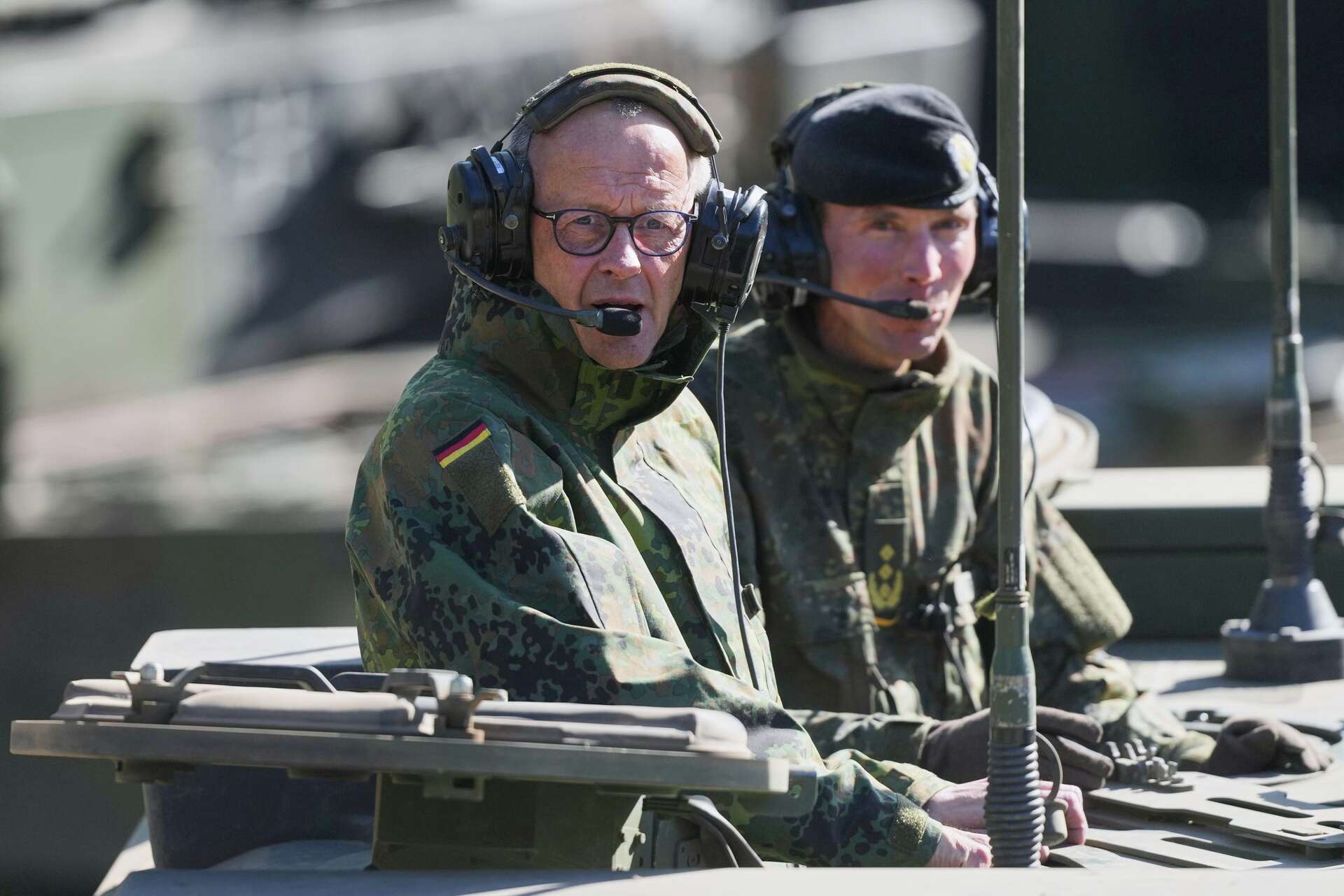
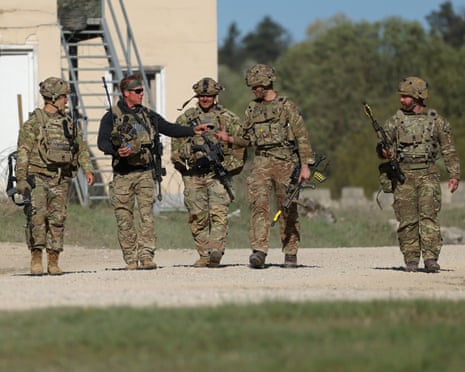
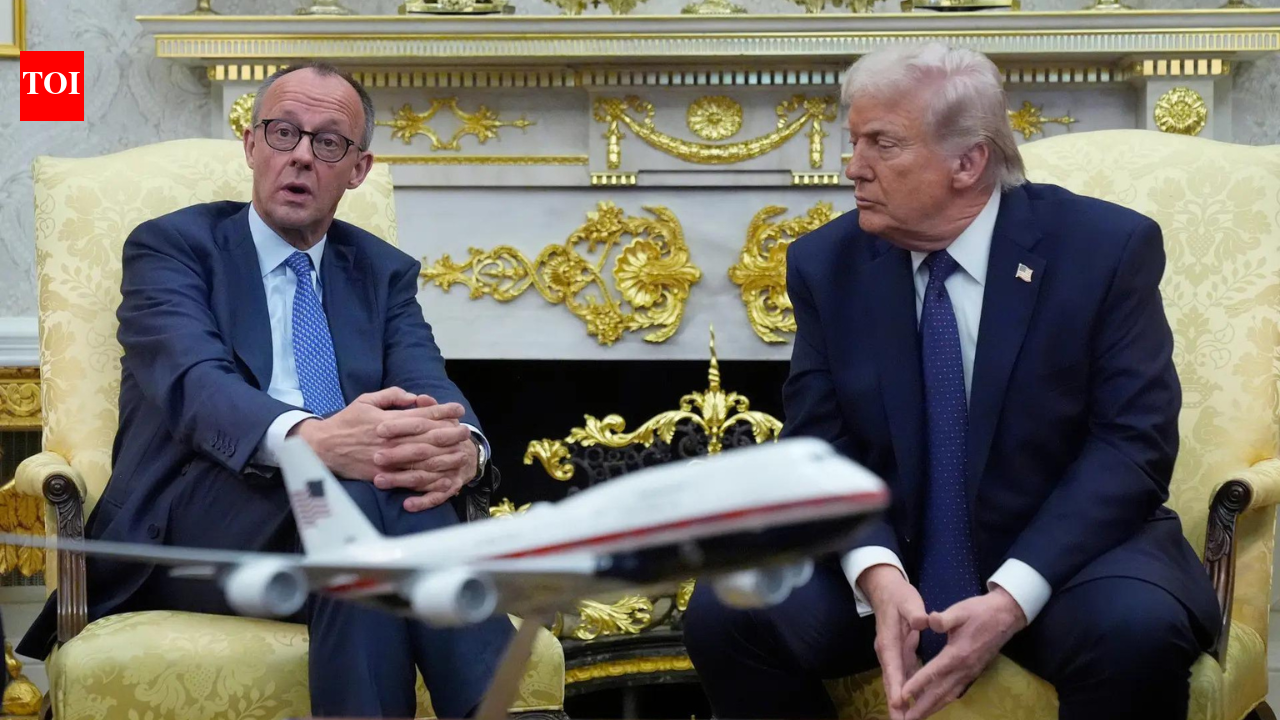
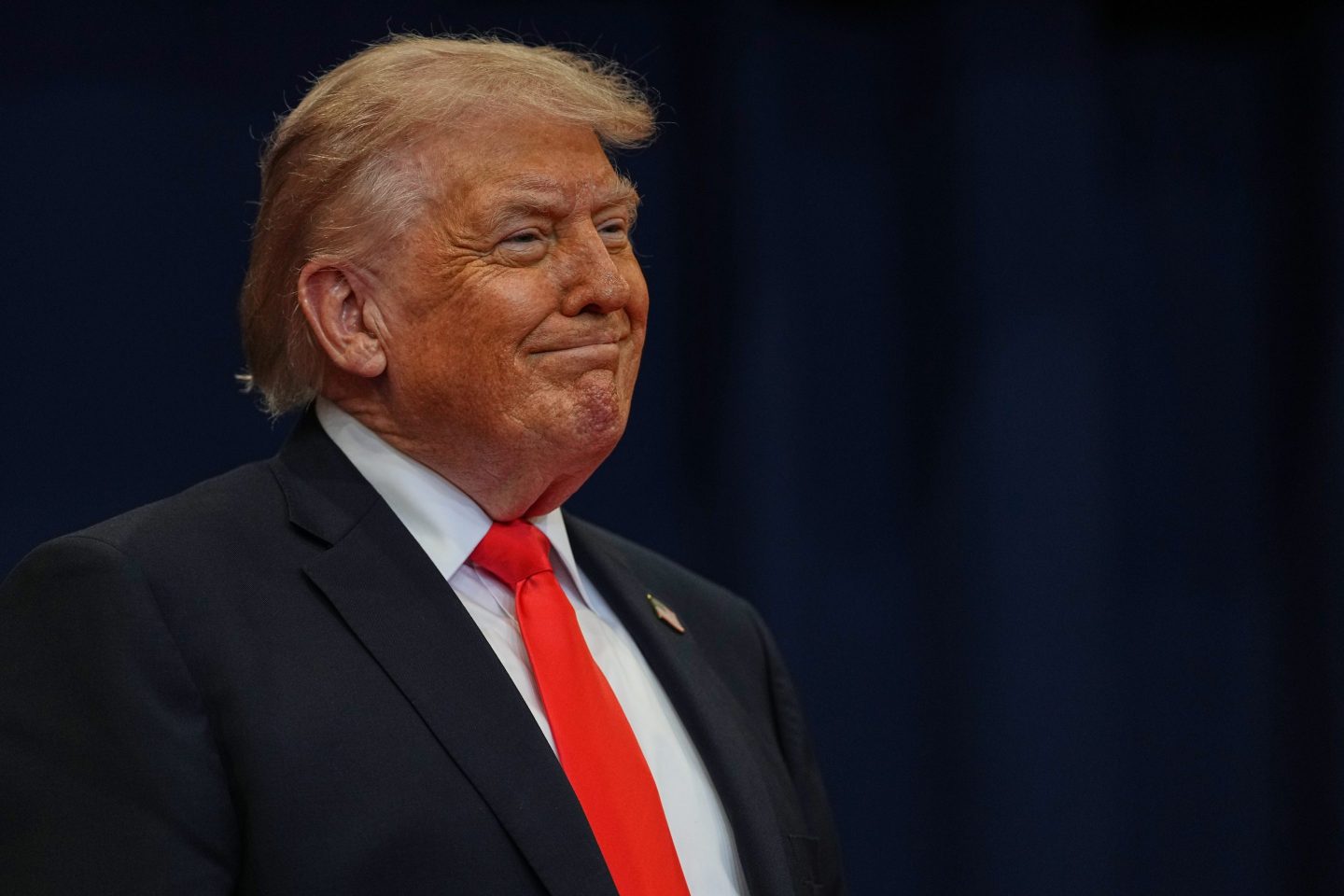
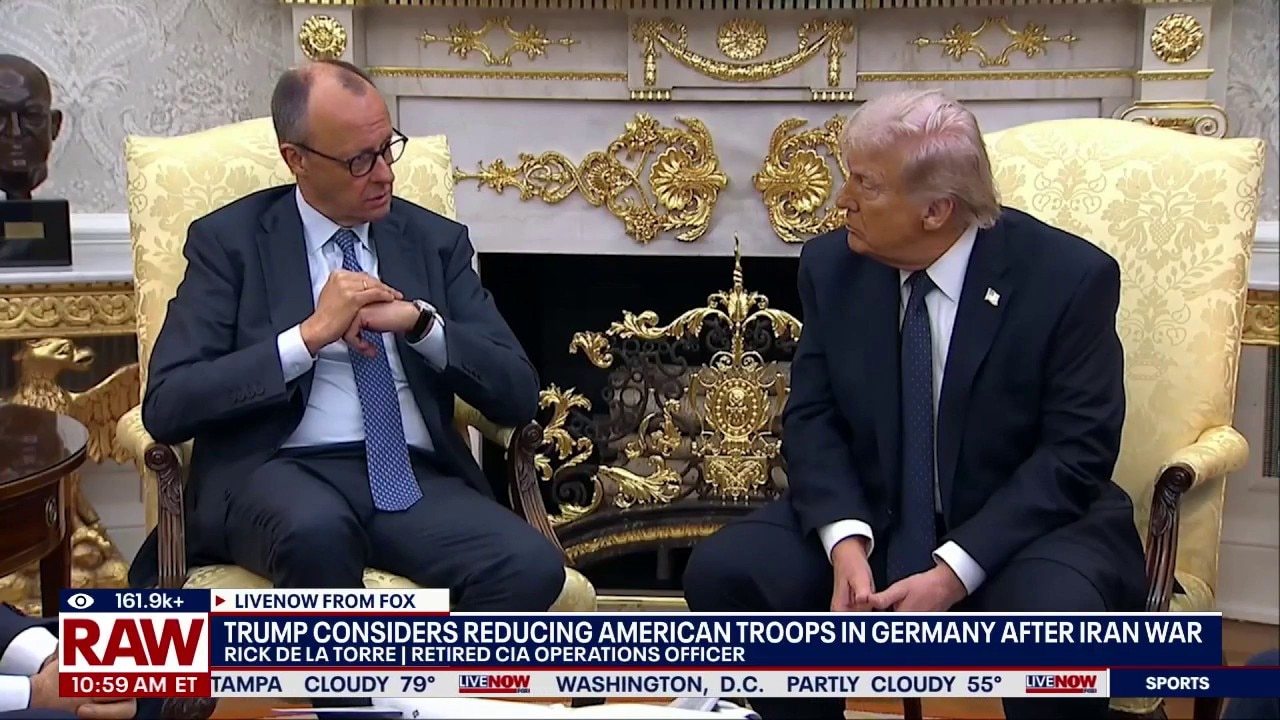
The Pentagon's announcement on May 1, 2026, to withdraw 5,000 troops from Germany (14% of the 36,000-strong U.S. military presence) within 6-12 months represents a critical geopolitical shift with substantial implications for cross-border e-commerce operations. This redeployment, framed as retaliation for German Chancellor Friedrich Merz's criticism of U.S. Iran policy, signals deteriorating U.S.-European relations that directly impact trade infrastructure, tariff frameworks, and logistics costs for sellers managing transatlantic commerce.
Germany's Strategic Importance to E-Commerce Sellers: Germany serves as Europe's primary logistics hub, hosting major Amazon fulfillment centers, DHL distribution networks, and customs clearance facilities that process 40-50% of U.S.-to-Europe cross-border shipments. The military withdrawal creates operational uncertainty across three critical dimensions: (1) Transportation infrastructure—military bases provide indirect support for customs processing and border security coordination; (2) Diplomatic stability—reduced U.S. presence may accelerate European defense spending (Germany projects 105.8 billion euros in 2027 defense spending, 3.1% of GDP), potentially triggering protectionist trade policies; (3) Tariff policy—geopolitical tensions historically precede trade agreement renegotiations, with potential 5-12% tariff increases on consumer electronics, apparel, and machinery categories.
Immediate Seller Impact (6-12 Month Window): Cross-border sellers shipping to EU markets via German logistics hubs face 3-4 week processing delays during the transition period (May-December 2026), increased 3PL costs of $200-400 per 1,000-unit shipment, and customs documentation complexity. Small sellers (under $500K annual revenue) relying on Amazon FBA Germany face potential inventory stranding if fulfillment center operations are disrupted. Medium-sized sellers (500K-5M revenue) should diversify logistics routes through UK, Netherlands, or Poland hubs to mitigate single-point-of-failure risk. Large enterprise sellers (5M+ revenue) can absorb 8-12% cost increases but face margin compression in price-sensitive categories (electronics, home goods).
Strategic Sourcing Implications: The withdrawal signals potential NATO fragmentation and U.S. trade policy unpredictability. Sellers should monitor three risk factors: (1) Potential tariff increases on German-manufactured goods (machinery, automotive parts, industrial equipment) if U.S.-EU trade tensions escalate; (2) Currency volatility—euro weakness typically follows geopolitical uncertainty, creating 3-6% margin compression for dollar-denominated sellers; (3) Regulatory divergence—reduced U.S.-EU military coordination may accelerate separate regulatory frameworks (GDPR enforcement, product safety standards), increasing compliance costs by 5-8% for sellers operating in both markets.
Competitive Advantage Shifts: Sellers with diversified European logistics networks (multi-country 3PL partnerships) gain competitive advantage over Germany-dependent competitors. Sellers sourcing from Vietnam, India, or Mexico (non-NATO countries) face lower geopolitical risk than those dependent on German manufacturing or logistics. The shift toward Indo-Pacific military focus (mentioned in News 2) suggests potential U.S. trade policy prioritization of Asia-Pacific markets, creating opportunities for sellers to shift inventory allocation toward Singapore, Australia, and Japan markets where U.S. military presence is increasing.
Questions 8
How should sellers adjust inventory allocation given the NATO realignment?
The Pentagon's shift toward Indo-Pacific military focus suggests potential U.S. trade policy prioritization of Asia-Pacific markets. Sellers should consider reallocating 15-25% of inventory from European markets to Singapore, Australia, and Japan markets where U.S. military presence is increasing. This reduces geopolitical risk exposure and aligns with emerging U.S. strategic priorities. Monitor trade policy announcements for Asia-Pacific tariff reductions or market access improvements. Simultaneously, maintain 2-3 European fulfillment locations to hedge against further NATO disruptions. Evaluate market demand trends in target Asia-Pacific countries before reallocating inventory.
What currency risks emerge from U.S.-EU geopolitical tensions?
Geopolitical uncertainty typically triggers euro weakness against the dollar, creating 3-6% margin compression for dollar-denominated sellers. The military withdrawal signals potential NATO fragmentation, increasing currency volatility through December 2026. Sellers with euro-denominated costs (German suppliers, EU fulfillment) face margin expansion, while those with dollar costs and euro revenue face compression. Implement currency hedging strategies for 30-50% of euro-denominated revenue through forward contracts or options. Monitor EUR/USD exchange rates weekly and adjust pricing strategies if euro weakens beyond 1.08 per dollar. Consider diversifying supplier base to reduce euro cost exposure.