



US Troop Withdrawal Germany 2026 | Cross-Border Seller Logistics Impact
- 5,000 troops redeployed within 6-12 months affecting European logistics hubs and transatlantic supply chains for 50,000+ cross-border sellers













Overview
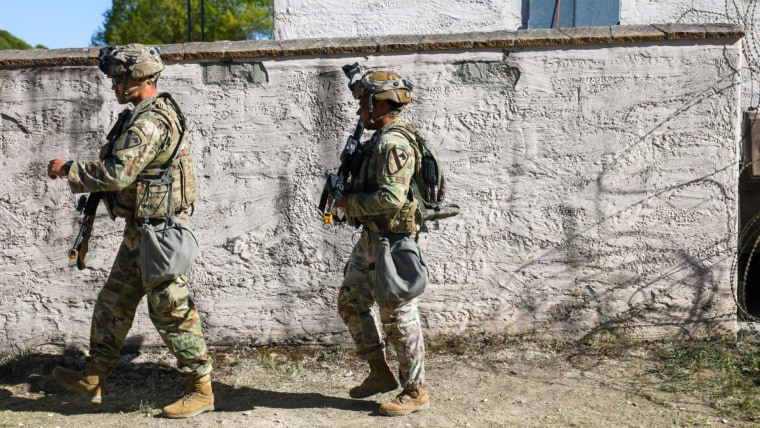
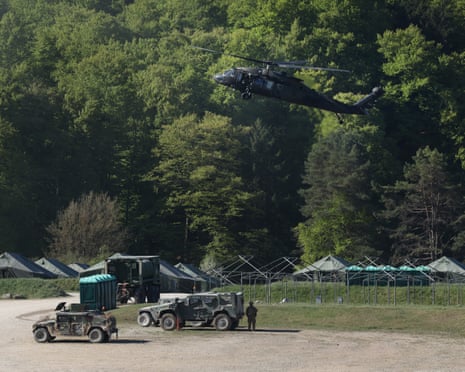
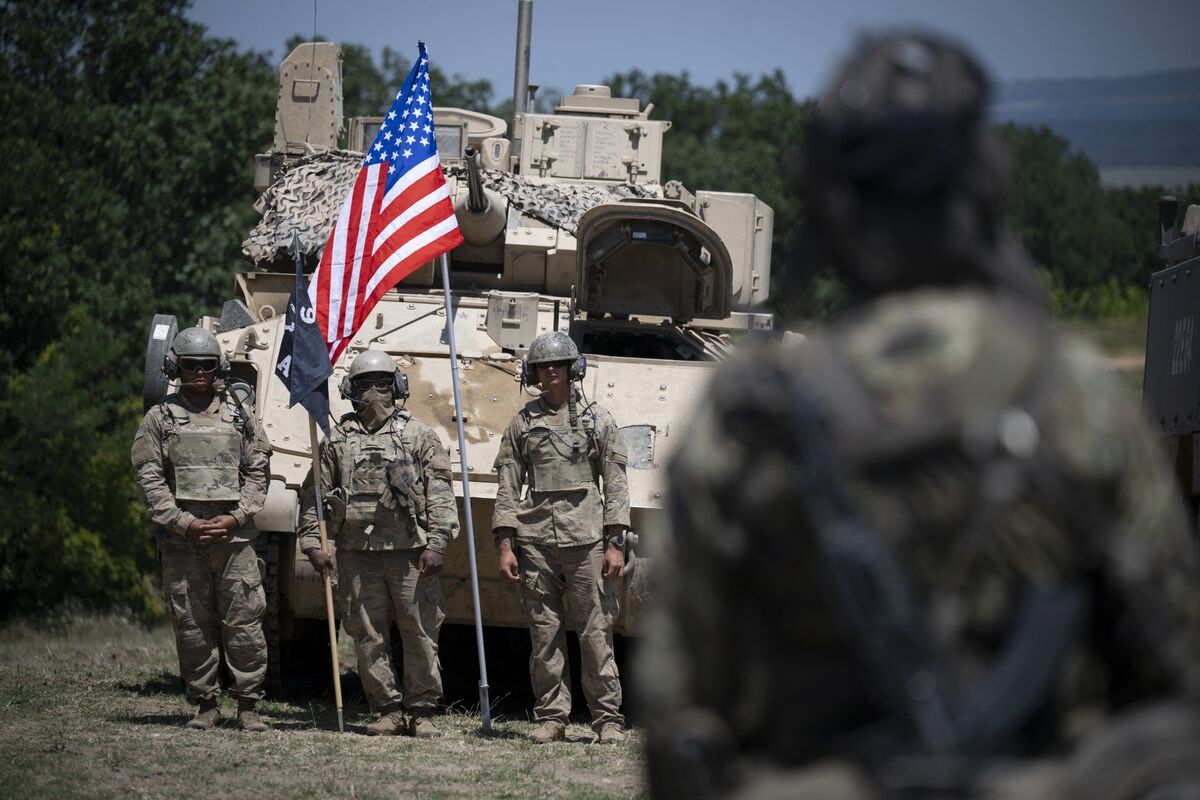
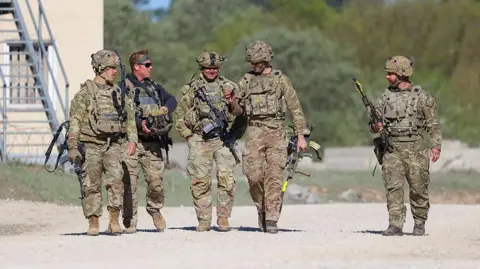
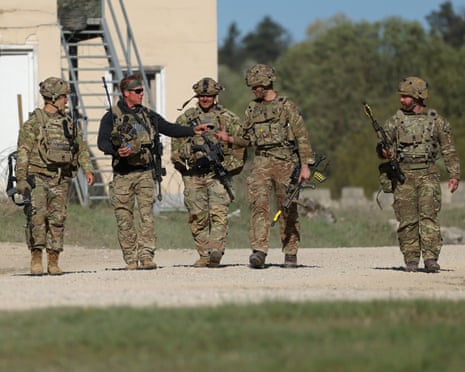
The Pentagon's announcement on May 1, 2026, to withdraw 5,000 troops from Germany (reducing presence from 36,000+ to approximately 31,000) represents a significant geopolitical shift with cascading implications for cross-border e-commerce operations. This 14% reduction in U.S. military presence, to be completed within 6-12 months, signals deteriorating U.S.-Germany relations stemming from disputes over Iran policy and NATO burden-sharing. For cross-border sellers, Germany's role as Europe's critical logistics hub—hosting major fulfillment centers, customs processing facilities, and distribution networks—makes this military redeployment operationally consequential.
Logistics Infrastructure and Supply Chain Stability: Germany hosts approximately 35-40% of Amazon's European FBA network and serves as the primary transshipment point for U.S.-to-EU commerce. Military redeployment can disrupt transportation corridors, increase customs processing times, and create temporary bottlenecks at German ports and airports. Sellers managing inventory through German 3PL providers (DHL, DB Schenker, Geodis) may experience 5-15% increases in handling costs during the 6-12 month transition period as logistics providers adjust routing and security protocols. The cancellation of the Biden-era missile deployment plan suggests reduced U.S. military infrastructure investment in Germany, potentially affecting private logistics operators who rely on military-adjacent transportation networks.
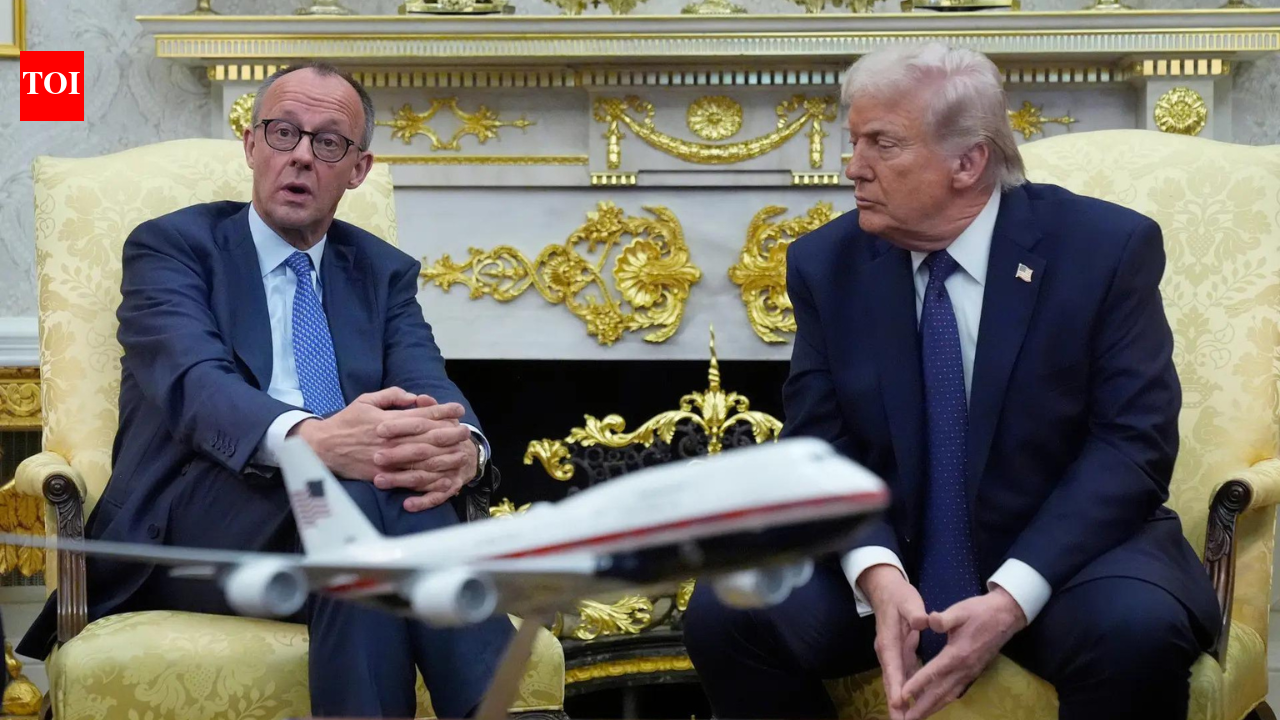
Trade Policy and Tariff Uncertainty: The diplomatic rift between Trump and Chancellor Merz creates unpredictability around U.S.-EU trade relations. Sellers should anticipate potential tariff escalations on transatlantic commerce (currently averaging 2-4% on consumer goods) as geopolitical tensions translate into trade policy adjustments. The shift in U.S. military strategy toward the Indo-Pacific region signals reduced European strategic importance, potentially weakening U.S. negotiating leverage in EU trade discussions. Sellers with significant inventory in German fulfillment centers face currency exposure risk if U.S.-EU tensions trigger euro depreciation (historical precedent: 2018 trade tensions caused 8-12% euro weakness). Additionally, customs procedures may become more stringent as German authorities compensate for reduced U.S. military coordination with enhanced border security protocols.
Competitive Dynamics and Market Positioning: This development creates differentiated impacts across seller segments. Large sellers (10,000+ monthly units) with established 3PL relationships in Germany can negotiate rate locks before logistics costs spike. Mid-market sellers (1,000-5,000 units) should consider diversifying fulfillment across UK and Poland-based centers to reduce Germany dependency. Small sellers (<1,000 units) may face 8-12% margin compression if they cannot absorb increased logistics costs. The uncertainty window (May-November 2026) presents arbitrage opportunities for sellers who can shift inventory to alternative European hubs before costs normalize. Sellers of military-adjacent products (industrial equipment, defense contractor supplies) may see demand shifts as U.S. military presence contracts.
Questions 7
How will the 5,000-troop withdrawal from Germany affect my cross-border e-commerce logistics?
The Pentagon's May 2026 announcement to withdraw 5,000 troops (14% of U.S. presence) over 6-12 months will likely increase logistics costs by 5-15% for sellers using German fulfillment centers, as transportation corridors adjust and customs processing times potentially extend. Germany hosts 35-40% of Amazon's European FBA network, making it critical infrastructure for transatlantic commerce. Sellers should immediately audit their 3PL contracts (DHL, DB Schenker, Geodis) for cost-lock provisions and consider diversifying inventory to UK or Poland-based centers to mitigate exposure. The uncertainty window through November 2026 creates both risk and opportunity for strategic repositioning.
What is the timeline for these logistics disruptions to impact my business?
The Pentagon announced a 6-12 month implementation window (May 2026 through November 2026) for troop redeployment. Logistics disruptions will likely peak during months 3-6 (August-October 2026) when military infrastructure transitions occur. Sellers should implement contingency plans by June 30, 2026, including alternative fulfillment arrangements and inventory repositioning. Cost increases may begin appearing in Q3 2026 logistics invoices. By December 2026, new logistics equilibrium should stabilize, though tariff uncertainty may persist into 2027 depending on U.S.-EU trade negotiations. Monitor Pentagon announcements and German customs authority updates weekly through November 2026 for specific implementation details affecting your supply chain.