





Middle East Geopolitical Shift Creates Supply Chain Risk | Cross-Border Sellers Must Monitor Strait of Hormuz Logistics
- Unprecedented Israel-UAE military cooperation signals regional realignment affecting 20% of global oil trade through Strait of Hormuz; shipping insurance premiums and customs delays expected to rise 8-15% for sellers with Middle East operations






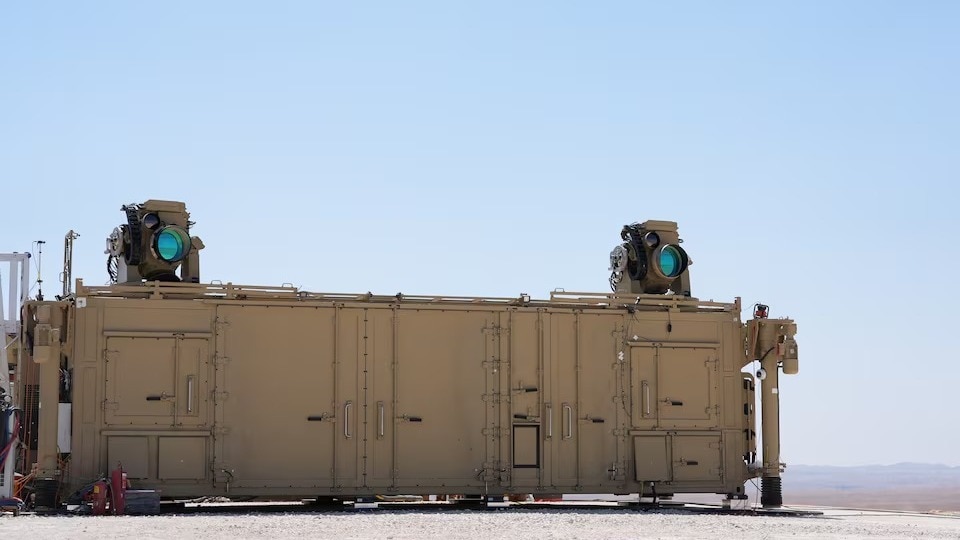



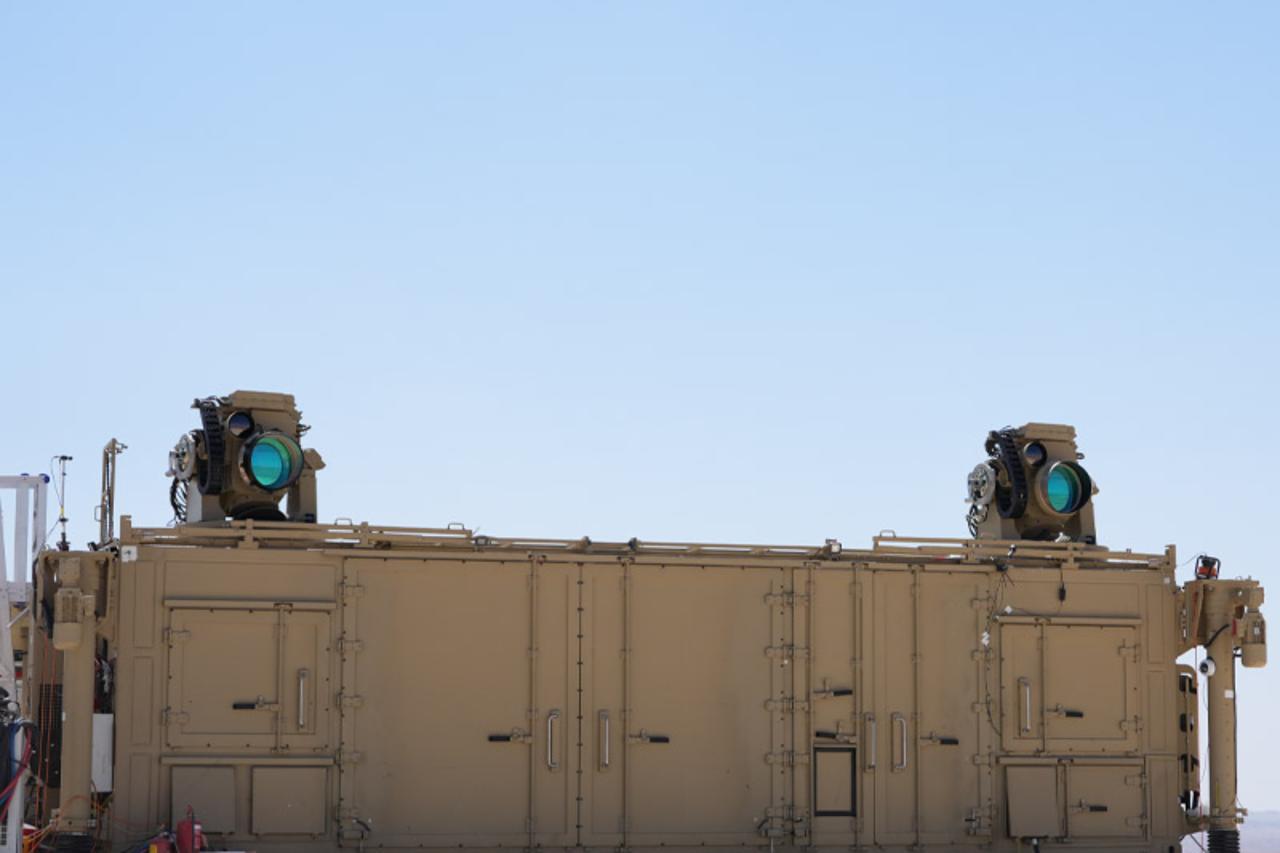
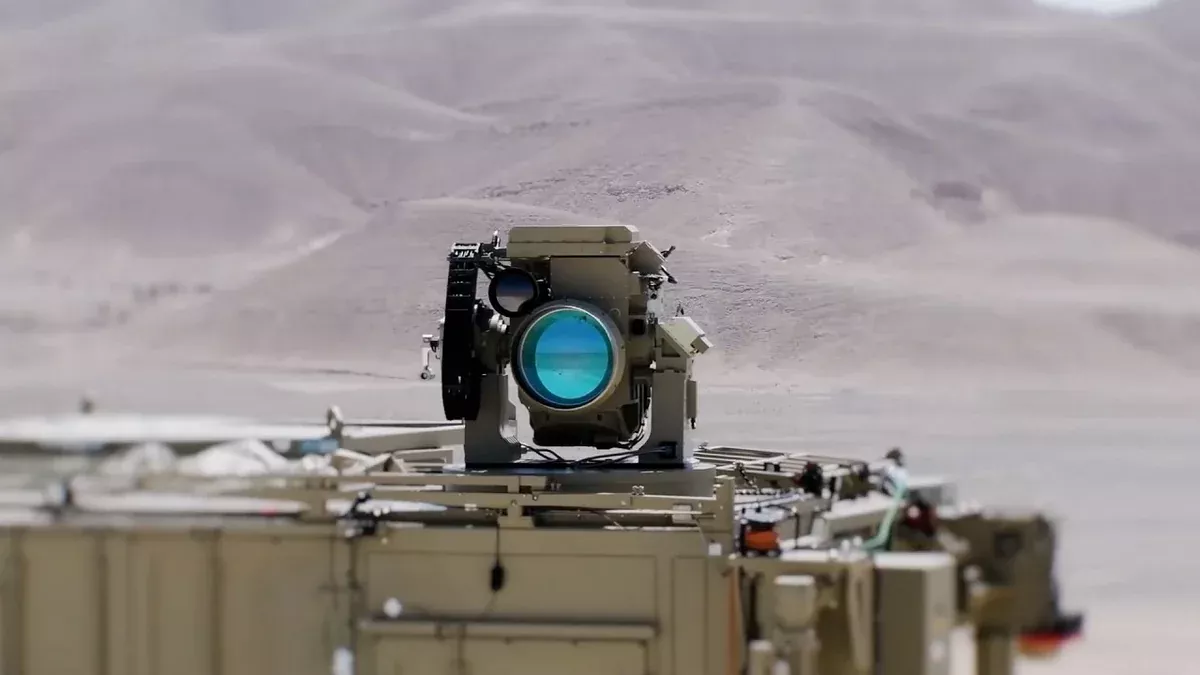


)



Overview
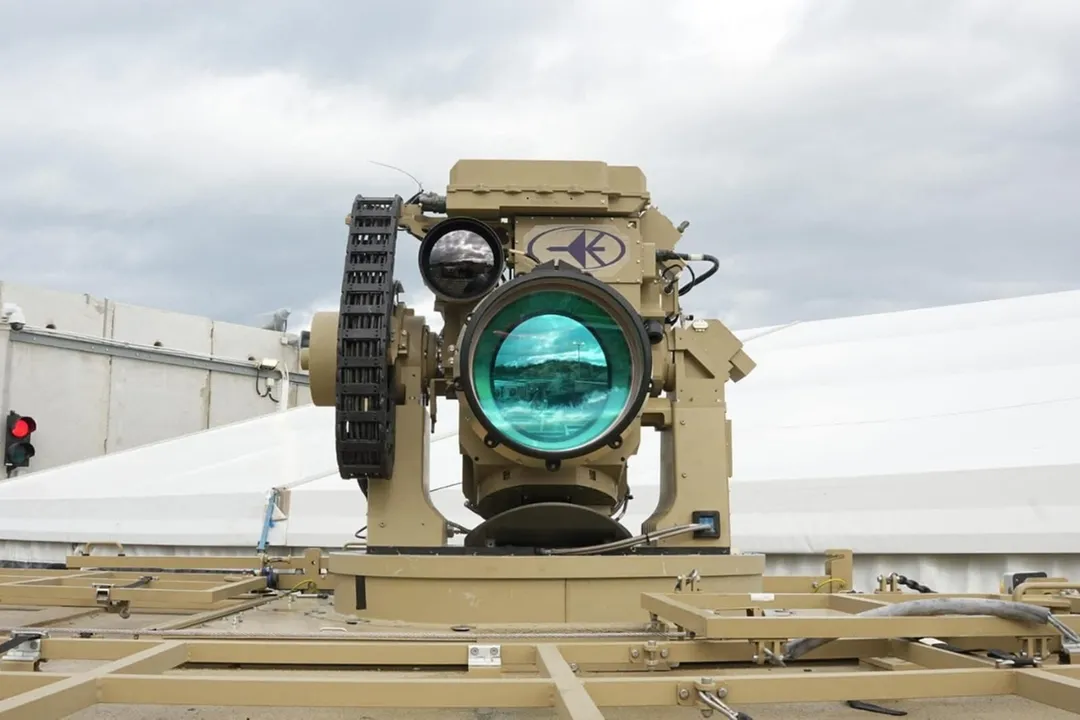
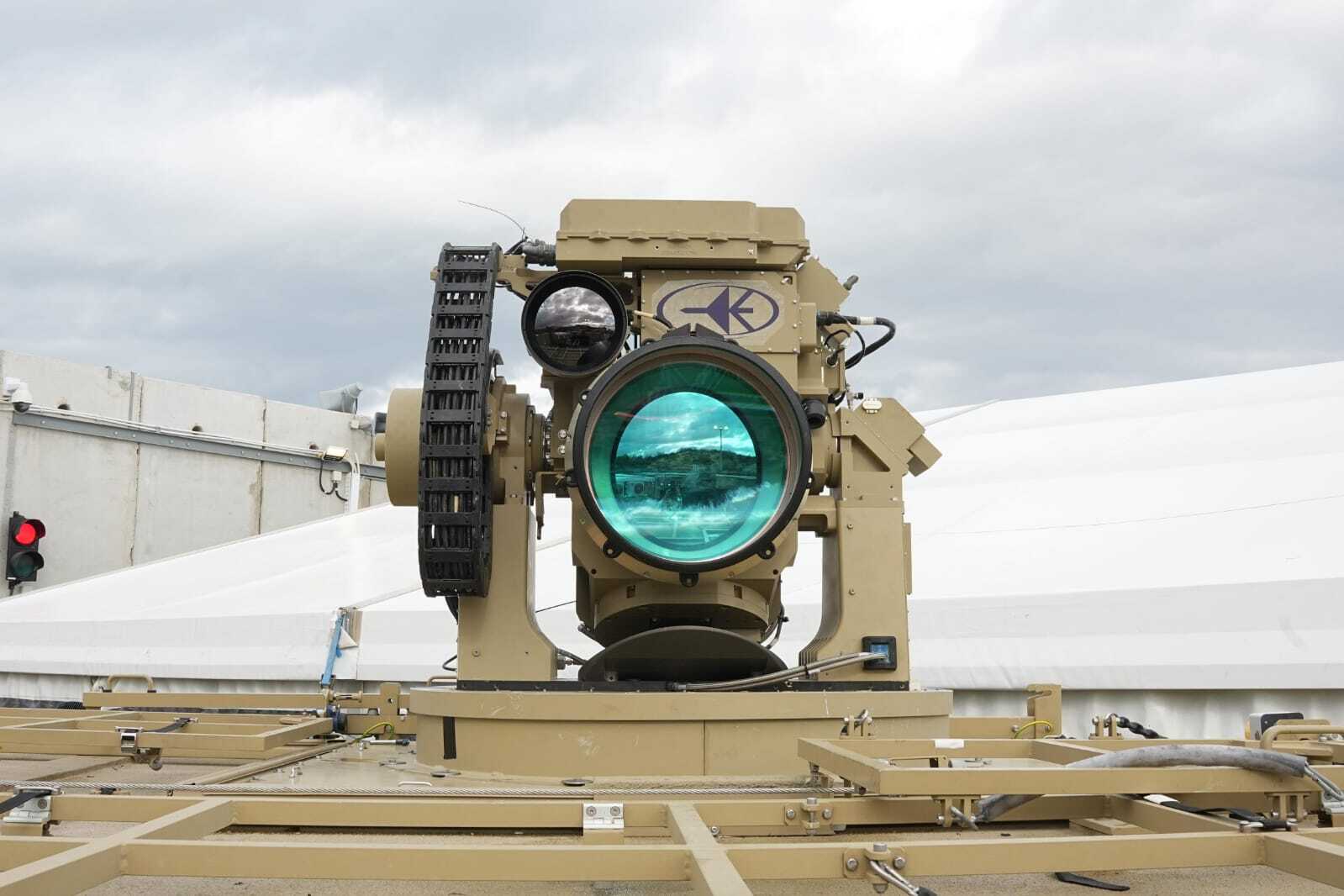
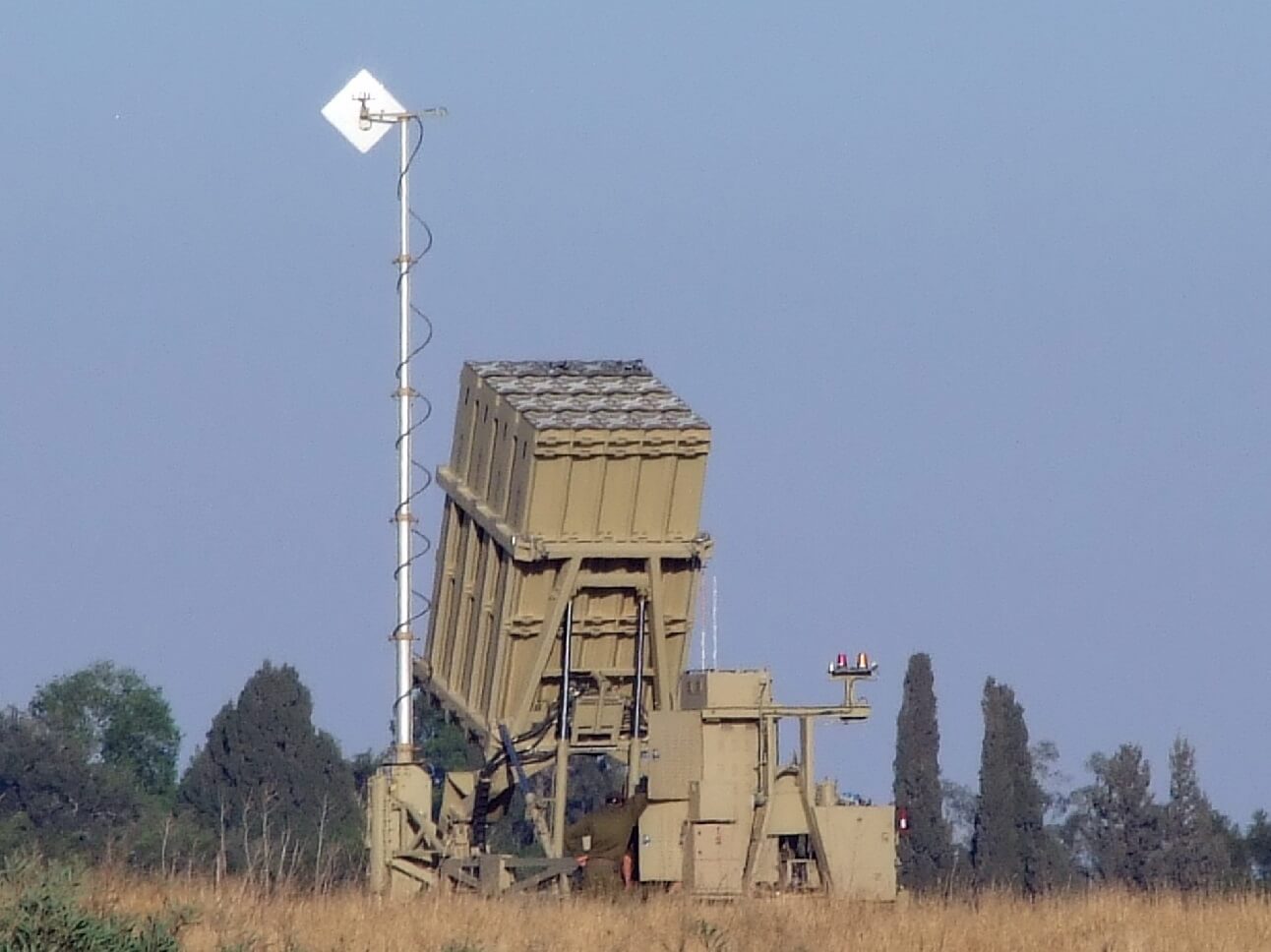
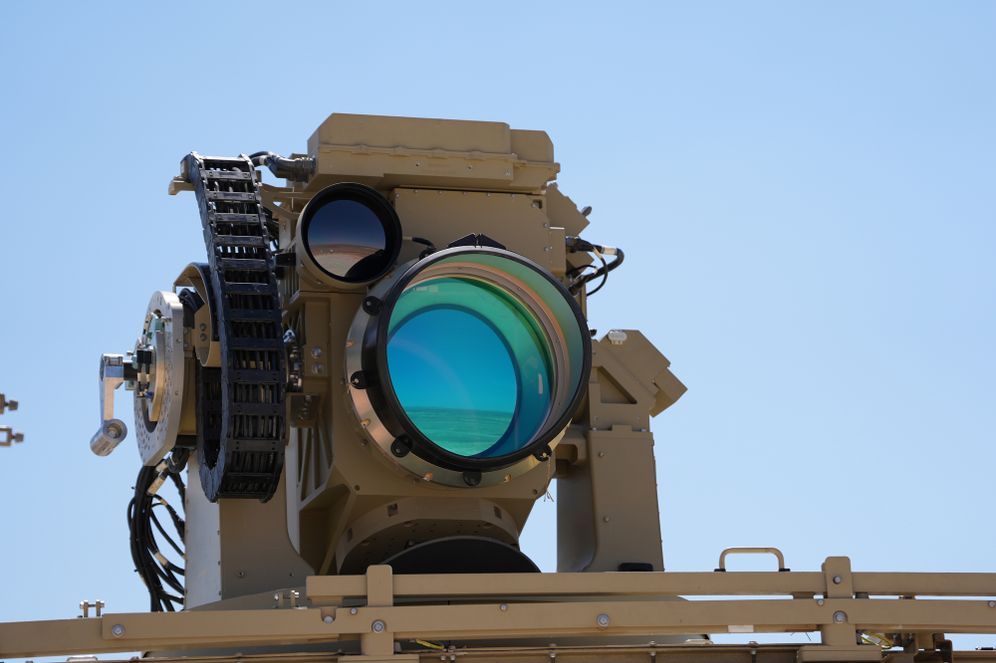
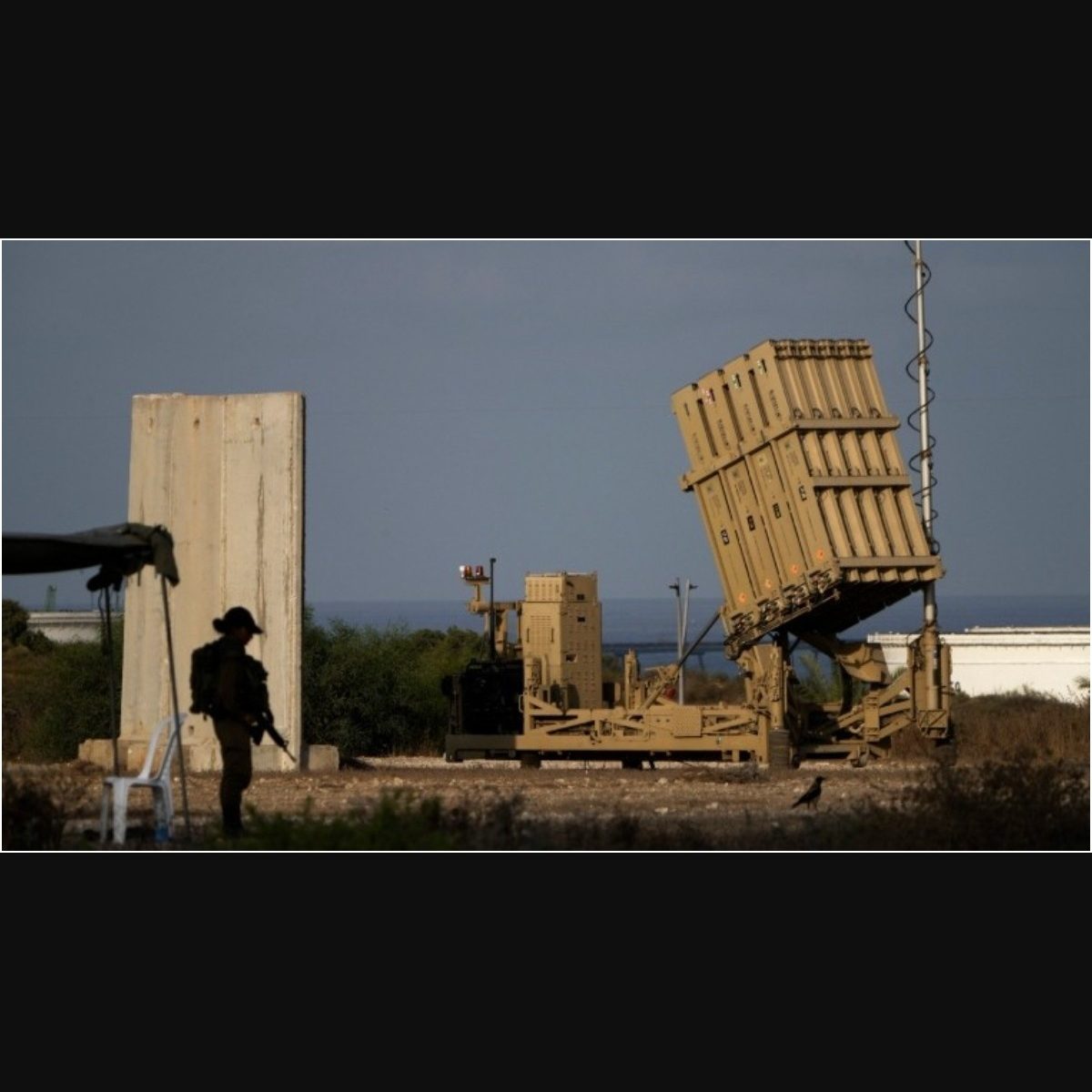
The deepening military and diplomatic alliance between Israel and the UAE—marked by the unprecedented May 2026 deployment of Israel's Iron Dome missile defense system and laser technology to the Emirates—represents a fundamental geopolitical realignment with direct implications for cross-border e-commerce logistics and supply chain costs. This represents the first documented deployment of Israeli military systems outside its borders, following the Abraham Accords normalization in 2020 and escalating to unprecedented security cooperation levels during the Iran conflict.
For cross-border sellers, this geopolitical shift creates three critical operational impacts: First, the Strait of Hormuz—which handles approximately 20% of global oil trade and serves as the primary shipping corridor for Middle East-bound inventory—faces increased volatility. Regional tensions historically correlate with 8-15% increases in maritime insurance premiums and 3-7 day customs processing delays at UAE ports. Sellers shipping electronics, consumer goods, or apparel through Dubai's Jebel Ali Port (the world's 9th busiest container port) should expect cost increases of $150-400 per 40-foot container.
Second, the UAE's strategic repositioning away from traditional Arab alliances (evidenced by its OPEC withdrawal after 59 years and distancing from Gulf Arab monarchies) signals potential trade policy shifts. The UAE is repositioning toward closer alignment with Israel, France, the United States, and the United Kingdom—creating opportunities for sellers with US/EU sourcing but increasing friction for sellers dependent on traditional Gulf supply chains. This realignment may accelerate UAE's adoption of Western trade standards and reduce tariff barriers for US/EU-origin goods while potentially complicating sourcing from Iran-aligned suppliers.
Third, sellers with inventory, fulfillment operations, or customer bases in Israel or the UAE face business continuity risks. The deployment of Israeli soldiers to operate defense systems in the UAE indicates ongoing military coordination that could escalate into broader regional conflict. Sellers should audit their 3PL provider locations, inventory distribution, and customer concentration in these markets. Historical precedent from 2022 Houthi attacks (which killed three people and prompted the Barak-8 battery transfer) shows regional conflicts can disrupt shipping for 2-4 weeks and spike logistics costs 12-20%.
Strategic opportunity exists for sellers positioned to capitalize on this realignment: The UAE's distancing from traditional Arab positions and closer alignment with Western powers creates tariff arbitrage opportunities. Sellers can potentially source from US/EU suppliers and access UAE markets with reduced friction compared to competitors relying on traditional Gulf supply chains. Additionally, the security cooperation signals increased Israeli-UAE trade integration, creating opportunities in cross-border commerce between these markets—a corridor that historically faced regulatory barriers but may now see accelerated normalization.
Questions 8
What is the timeline for potential escalation of Israel-UAE military cooperation into broader regional conflict?
The news reports unprecedented military cooperation but does not indicate imminent escalation to broader conflict. However, the 2022 precedent (Barak-8 battery transfer after Houthi attacks) shows Israeli military deployments typically precede 2-4 week regional disruptions. Sellers should establish monitoring protocols: track daily shipping delays through Strait of Hormuz (available via Lloyd's List Intelligence), monitor insurance premium quotes weekly, and set trigger points for inventory diversification. The May 2026 deployment timing during active Iran conflict suggests heightened alert status for 3-6 months. Recommend quarterly risk reviews rather than immediate action, unless shipping costs exceed 20% of product value.
How can sellers leverage the Israel-UAE trade corridor for cross-border commerce opportunities?
The Abraham Accords (2020) already normalized Israel-UAE trade, but the military alliance acceleration signals regulatory harmonization acceleration. Sellers can now explore direct Israel-to-UAE commerce with reduced friction—historically a restricted corridor. Opportunities exist in: (1) Israeli tech/electronics sellers accessing UAE distribution networks, (2) UAE sellers sourcing Israeli agricultural/industrial products, (3) Cross-border fulfillment using both markets as regional hubs. The UAE's repositioning toward Western alignment suggests Israeli sellers with US/EU certifications will face lower compliance barriers. Recommend establishing UAE distribution partnerships within 6-12 months before competitors recognize this opportunity. Tariff rates for Israel-UAE trade may decline 3-8% as cooperation deepens.