


Spirit Airlines Collapse Triggers 60% Fare Surge | Air Cargo Costs Spike for E-Commerce Sellers
- First major US airline bankruptcy in 25 years eliminates 2% domestic capacity, increases shipping costs 15-25% for cross-border sellers relying on air freight























Overview
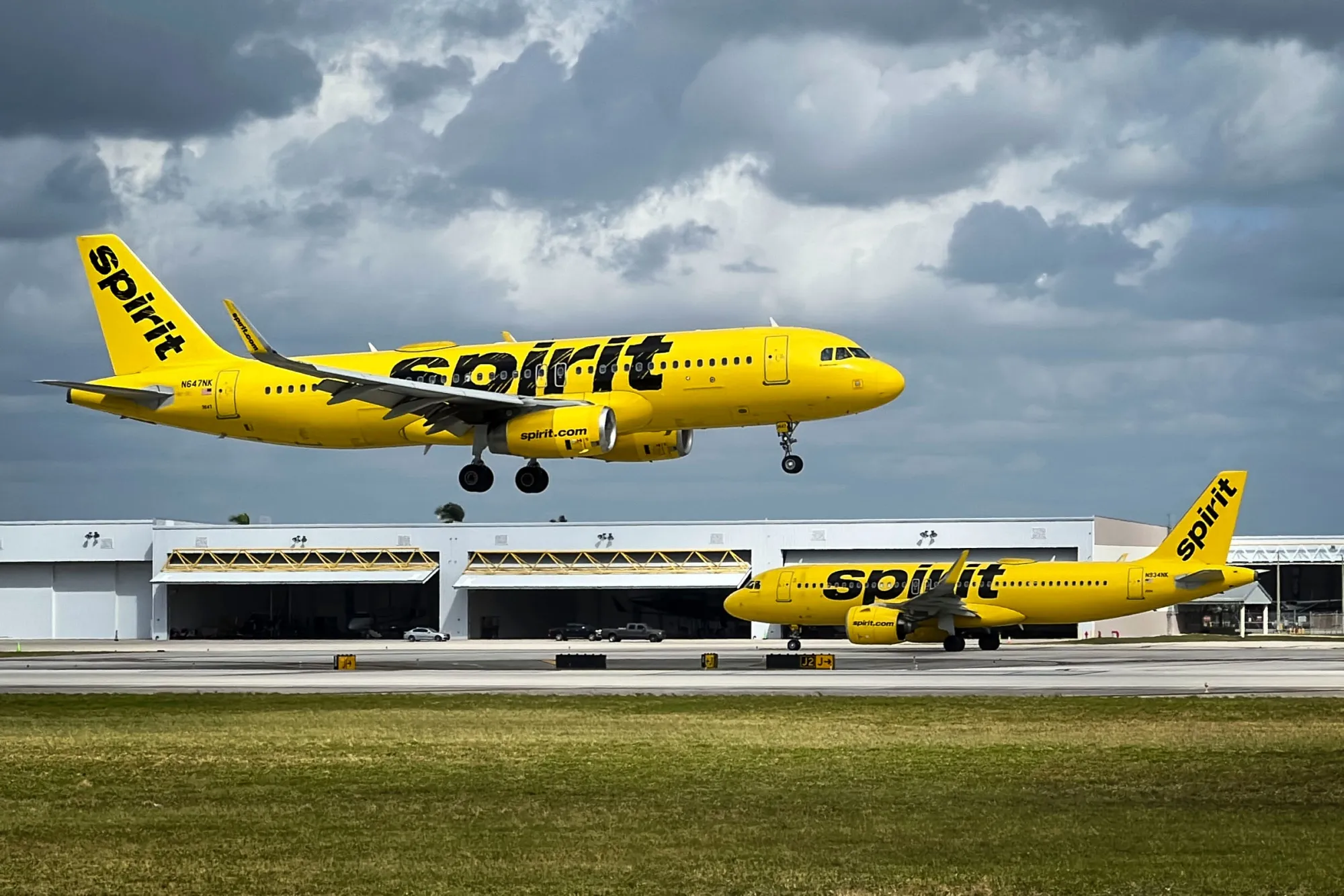
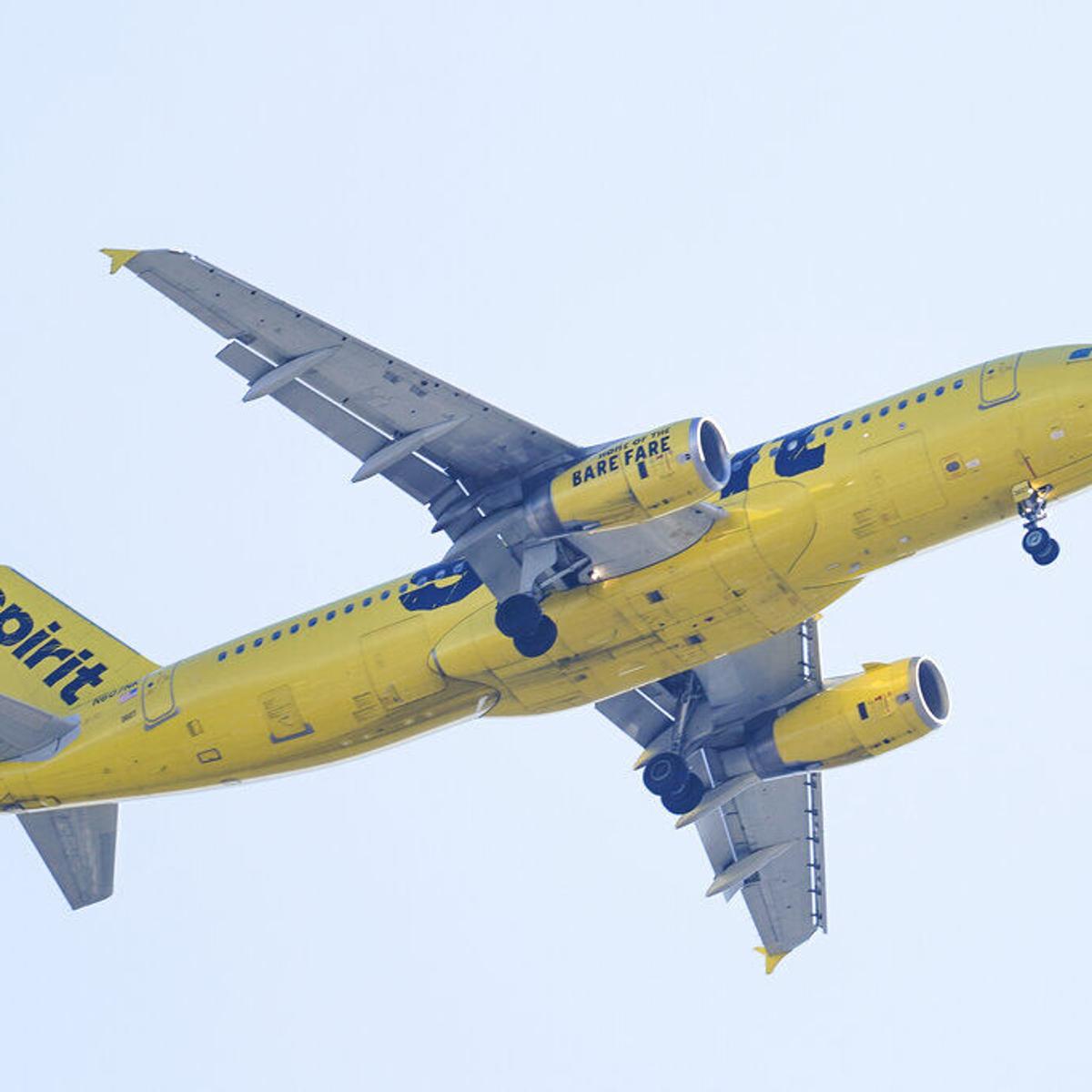
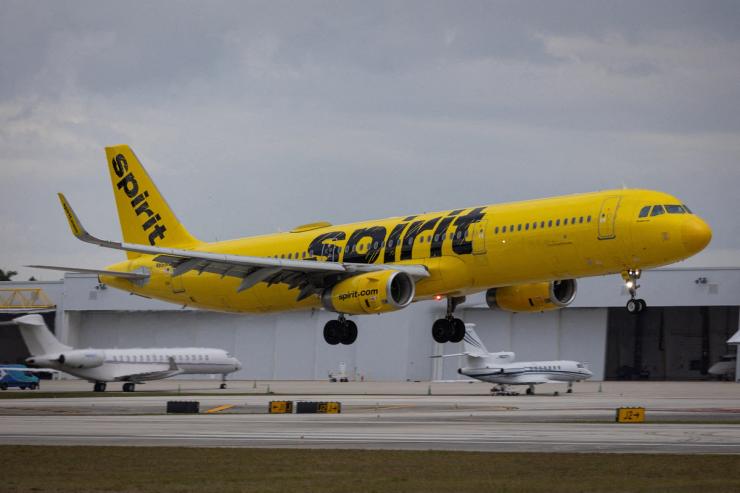
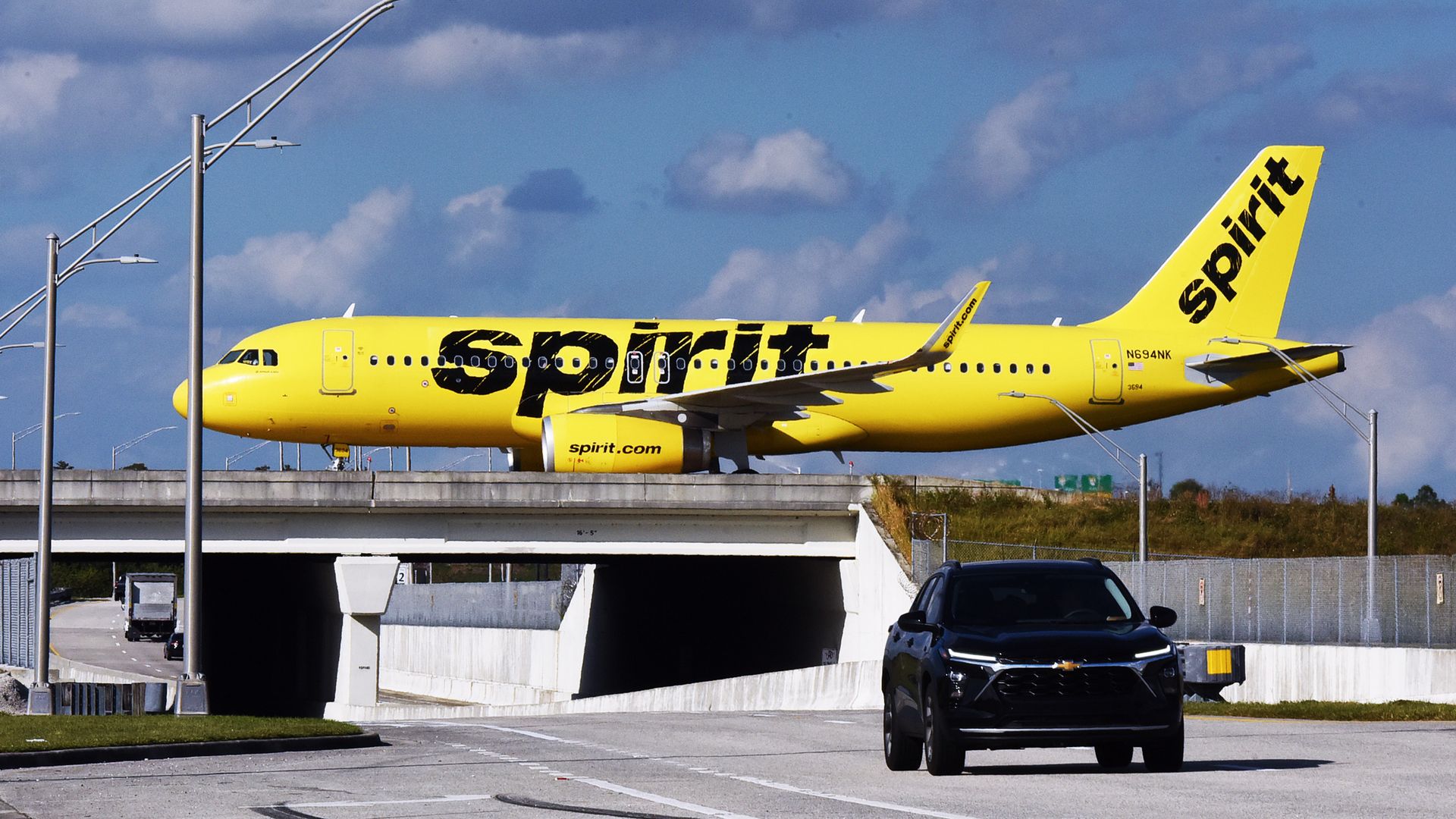
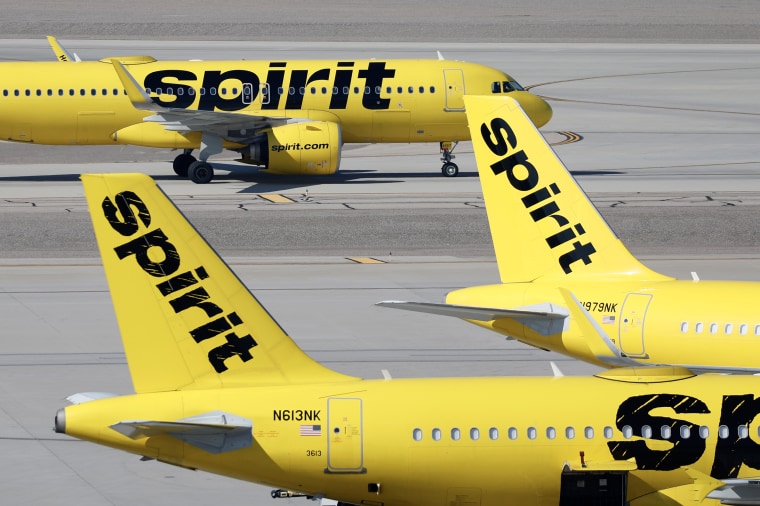
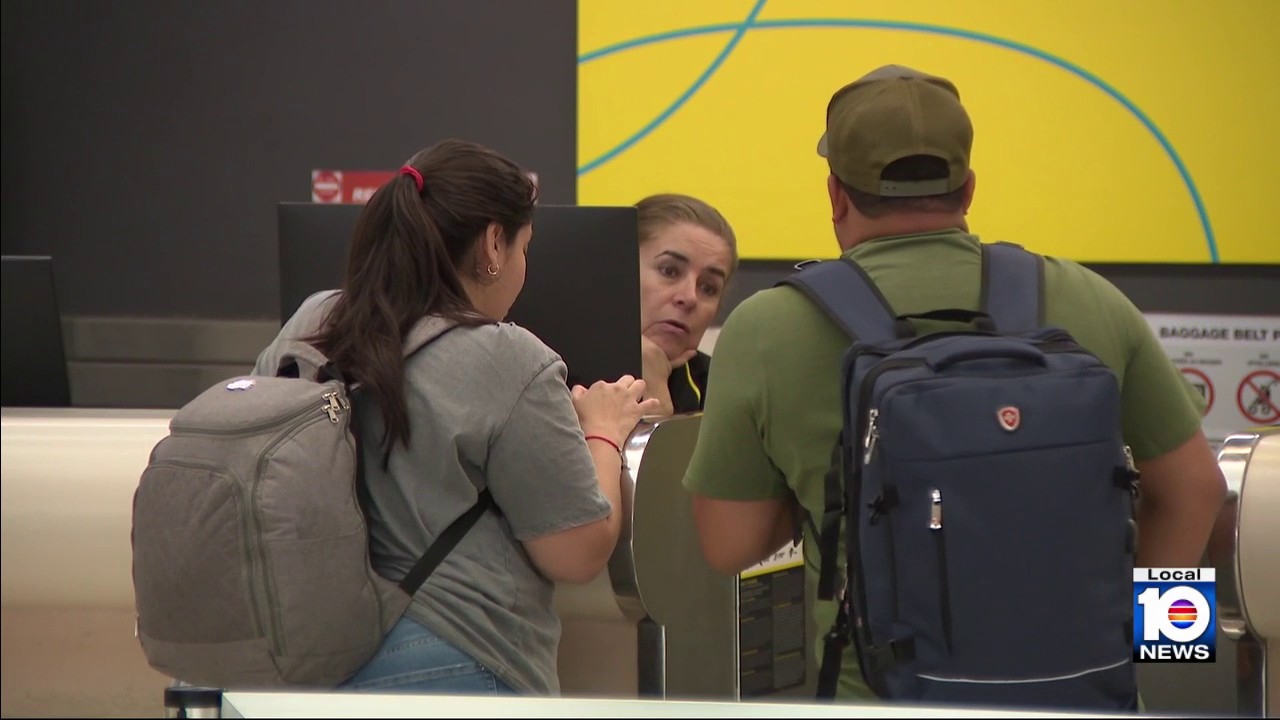
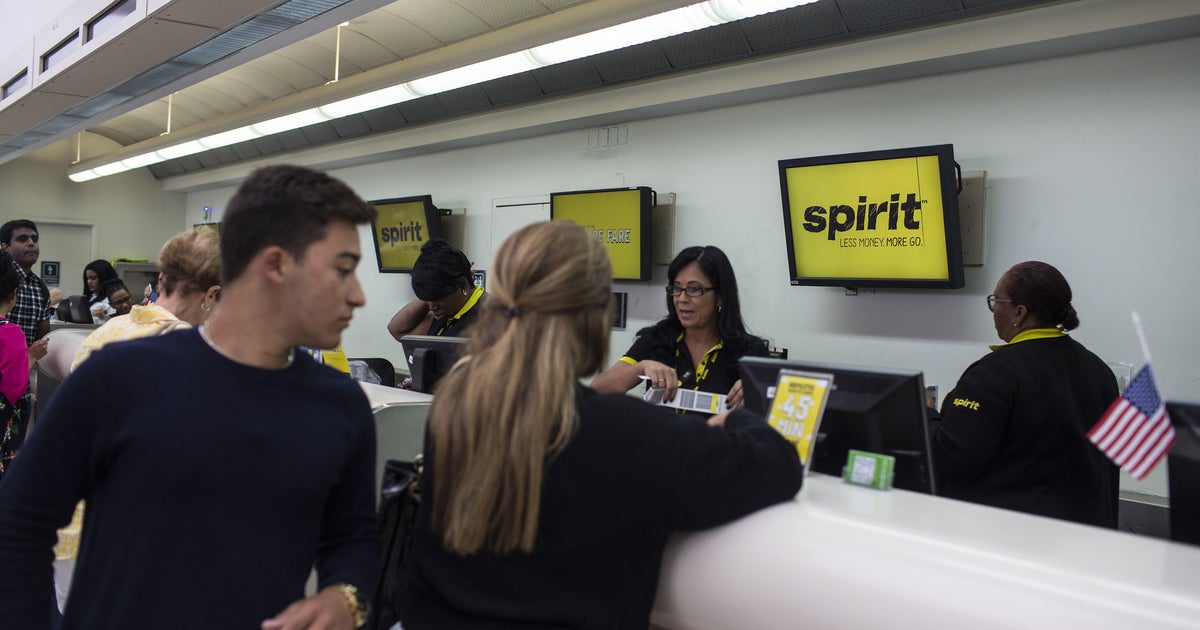
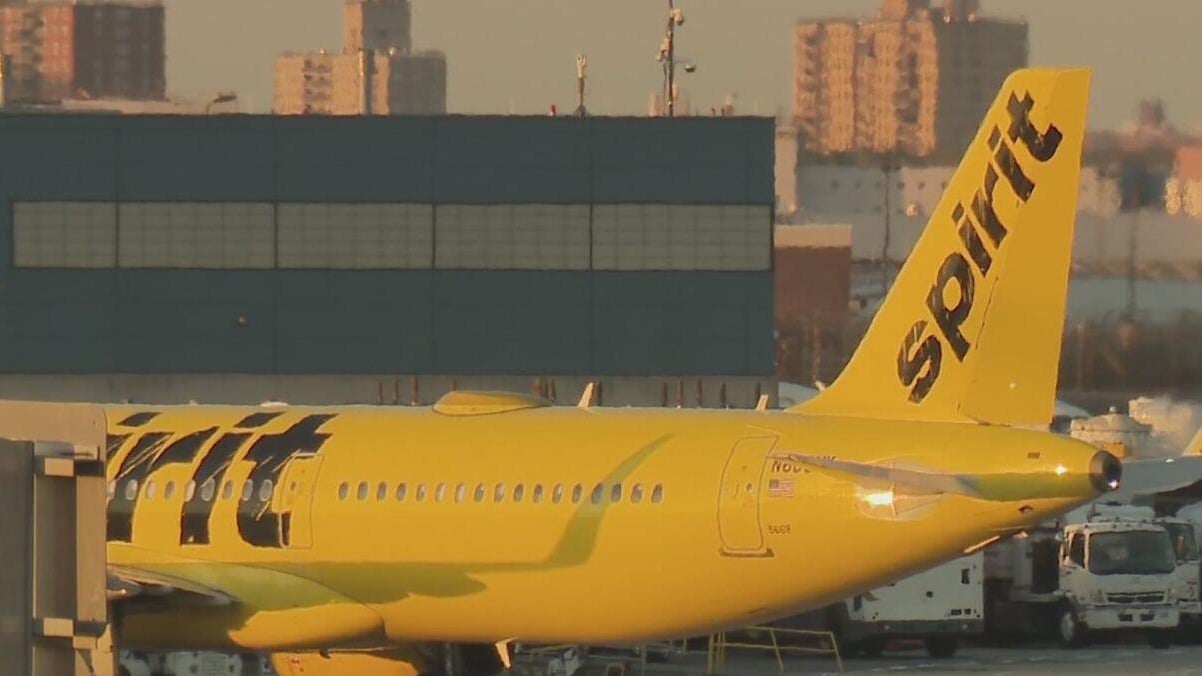
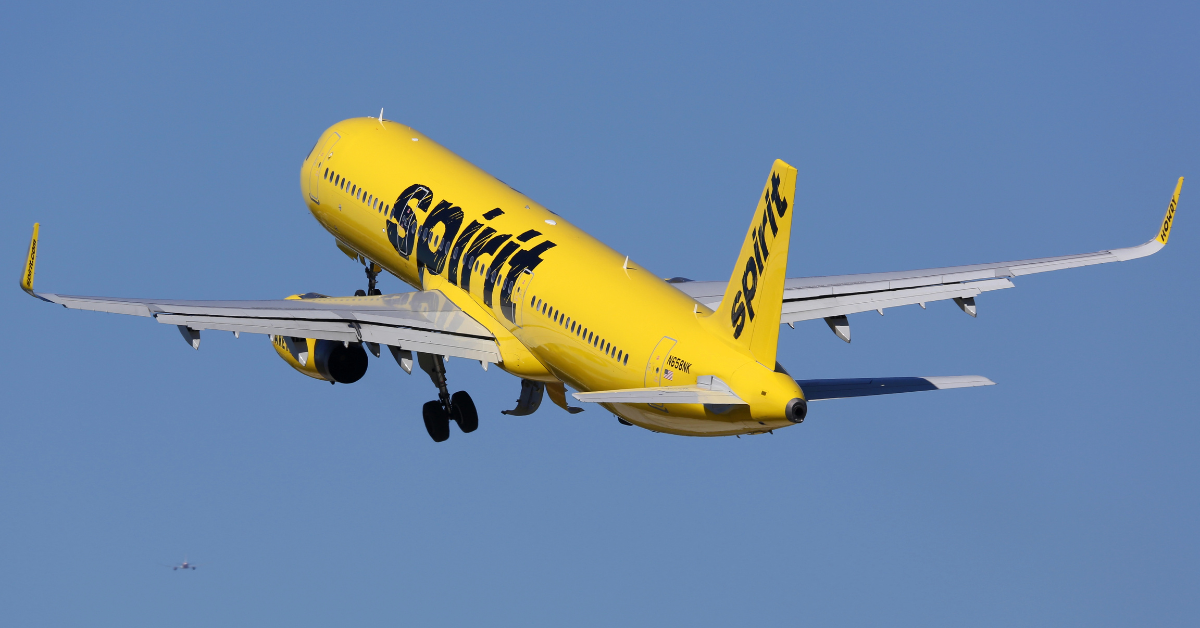
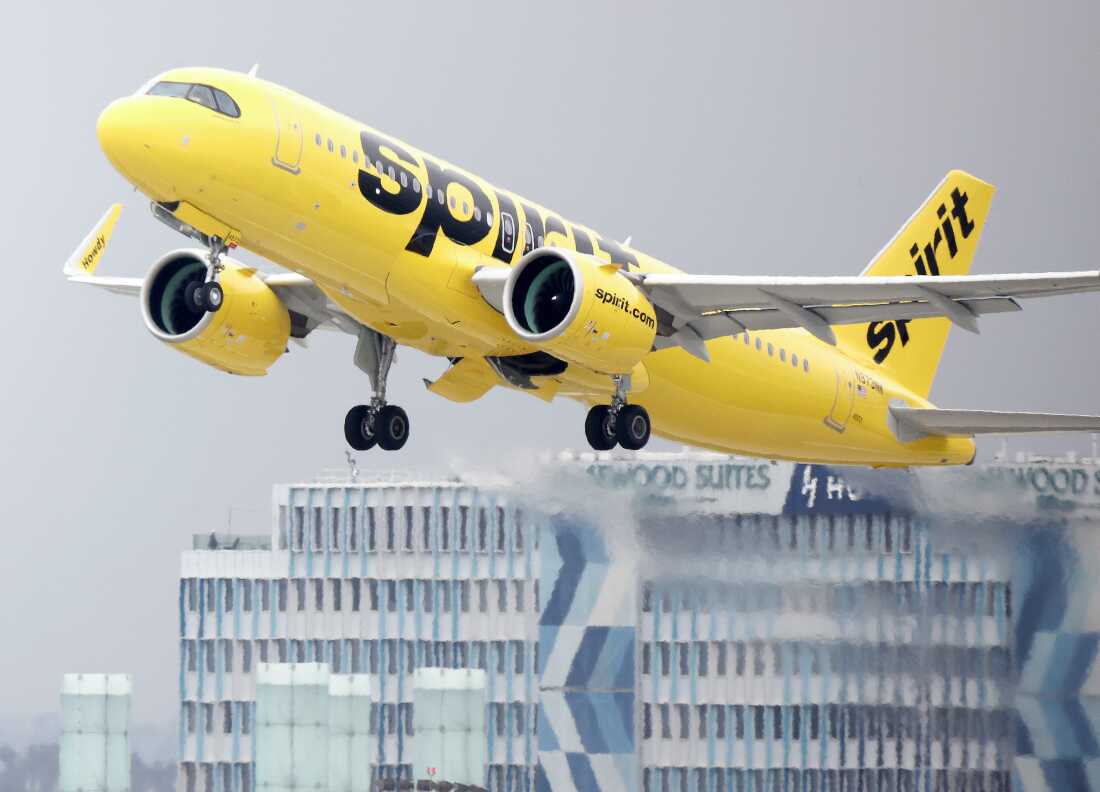
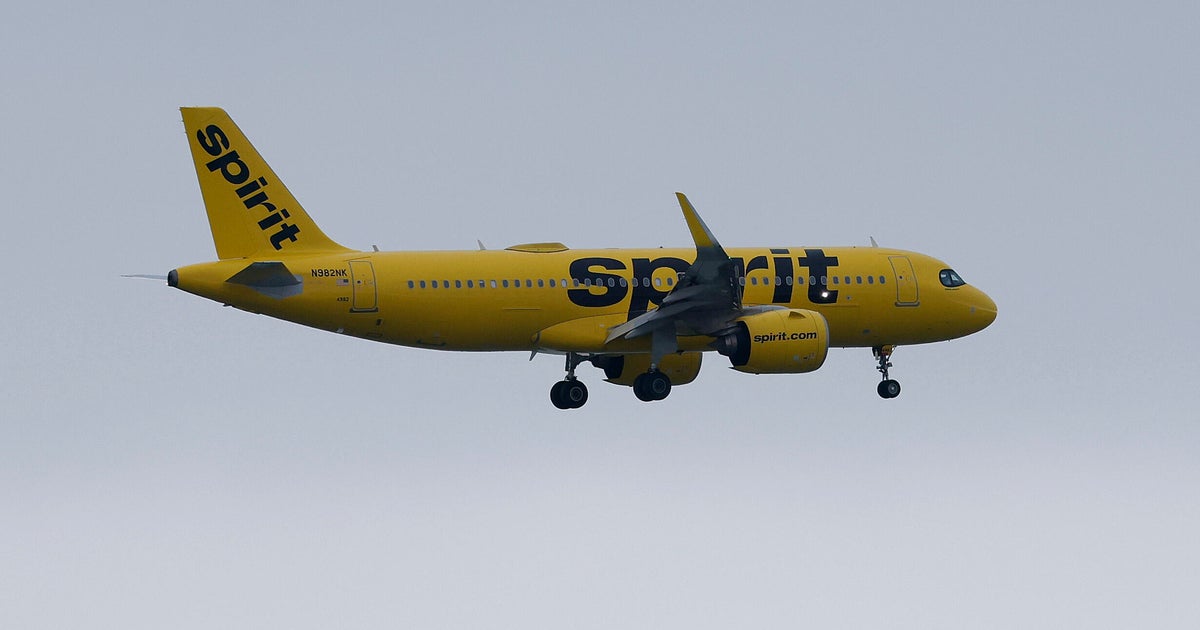
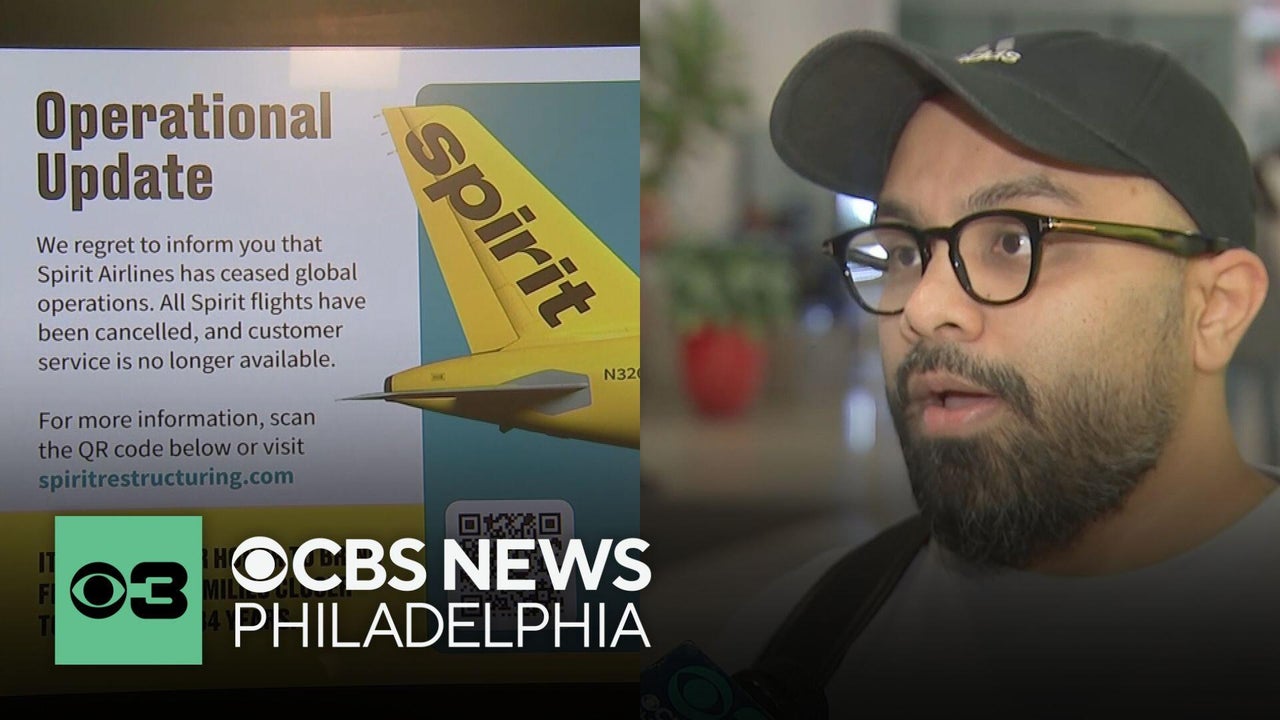
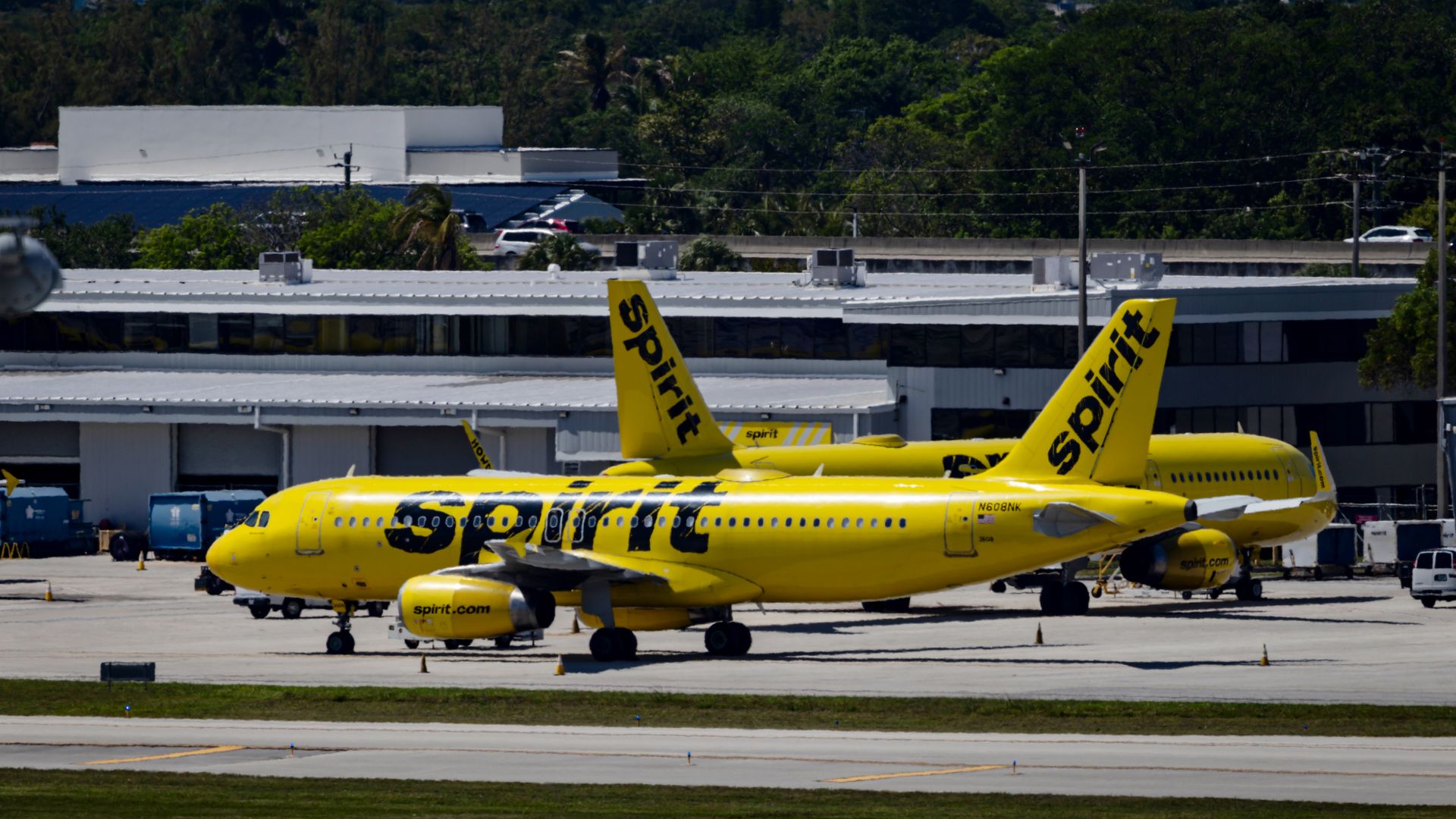
Spirit Airlines' permanent shutdown on May 2, 2026, represents the first major U.S. airline failure in 25 years, creating immediate supply chain disruptions for cross-border e-commerce sellers. The ultra-low-cost carrier's collapse—triggered by a 20% jet fuel price surge following the Iran conflict and failed $500 million Trump administration bailout—eliminates 2% of domestic U.S. flight capacity and concentrates 80% of remaining seats among four major carriers (United, American, Delta, Southwest). Historical data shows Spirit's market exit correlates with 60% fare increases ($23-60 per round-trip), directly impacting seller logistics costs for expedited international shipments.
For e-commerce sellers, the operational impact is immediate and severe. Spirit Airlines operated extensive cargo networks supporting time-sensitive shipments of high-value and perishable goods across North America. The sudden capacity loss creates a two-tier pricing environment: major carriers absorb displaced freight at premium rates while budget alternatives (Frontier, Allegiant, Breeze) face 3-6 month delays before backfilling routes. Sellers dependent on air cargo for expedited delivery face 15-25% cost increases on international shipments, with particular pressure on categories like electronics, cosmetics, and temperature-controlled goods. The shutdown eliminated 17,000 jobs (14,000 Spirit employees plus contractors), reducing labor availability for ground handling and logistics support at major hubs.
Market consolidation accelerates competitive disadvantages for smaller sellers. With major carriers now controlling 80% of capacity, pricing power shifts decisively away from price-sensitive shippers. The Association of Value Airlines requested $2.5 billion in government assistance, signaling broader sector vulnerability to fuel cost shocks. Sellers who previously leveraged Spirit's competitive pricing for cost arbitrage must now negotiate with consolidated carriers offering limited discounts. The 1.8 million passengers disrupted across 9,000 scheduled flights through May's end created temporary rescue fare programs (Southwest $200-400, JetBlue $99 one-way), but these represent short-term relief rather than structural capacity recovery. Freight rates will likely remain elevated through summer 2026 as alternative carriers absorb displaced volume, compressing margins for sellers shipping perishables, electronics, and time-sensitive merchandise to North American markets.
Strategic sourcing and logistics diversification become critical. Sellers should immediately audit air cargo dependencies and shift 20-30% of expedited shipments to ocean freight with extended lead times, or consolidate shipments to reduce per-unit air costs. The 3-6 month window before budget carriers backfill routes represents peak pricing pressure—sellers should lock in Q3 shipping contracts by June 15, 2026. Consider alternative gateways: Miami, Atlanta, and Dallas hubs (less Spirit-dependent) may offer better rates than Philadelphia or Fort Lauderdale. Diversifying 3PL providers across multiple carriers reduces exposure to future consolidations. The precedent of government bailout failure signals reduced intervention likelihood in future airline bankruptcies, making private logistics partnerships more critical than policy-dependent solutions.
Questions 7
How does Spirit Airlines shutdown affect Amazon FBA and Shopify seller shipping options?
Amazon FBA sellers relying on air cargo for expedited inventory replenishment face 15-25% cost increases on inbound shipments through summer 2026. FBA's fulfillment network depends on reliable air cargo capacity for time-sensitive inventory management—Spirit's closure reduces options and increases costs for sellers shipping from Asia-Pacific or Europe to U.S. fulfillment centers. Shopify sellers using third-party logistics (3PL) for international fulfillment experience similar pressures. Both platforms' sellers should evaluate alternative shipping methods: consolidate shipments to reduce per-unit air costs, shift to ocean freight with extended lead times, or negotiate volume discounts with remaining carriers. Amazon Seller Central and Shopify admin dashboards don't reflect real-time carrier capacity changes—sellers must proactively contact their freight forwarders to understand rate impacts. Consider shifting 20-30% of inventory to regional fulfillment centers (Canada, Mexico) to reduce air freight distances and costs.
What government policies or industry assistance is available for sellers affected by Spirit Airlines closure?
The Trump administration's failed $500 million bailout attempt signals limited government intervention in airline bankruptcies. The Association of Value Airlines requested $2.5 billion in government assistance for smaller carriers facing fuel-cost pressures, but no direct seller compensation programs exist. Transportation Secretary Sean Duffy coordinated rescue fare programs for passengers (Southwest $200-400, JetBlue $99 one-way) but these don't extend to commercial cargo. Sellers should monitor for potential tariff adjustments or trade policy changes that could affect fuel costs or carrier pricing. The precedent of bailout failure indicates sellers cannot rely on government solutions—private logistics partnerships and supply chain diversification are critical. Consider joining industry associations (National Retail Federation, E-Commerce Shippers Council) advocating for carrier competition and capacity expansion. No immediate policy relief is expected; sellers must adapt independently through logistics optimization and cost management.