

US-Germany Military Realignment Reshapes EU Trade & Tariff Dynamics
- 5,000 troop withdrawal signals NATO burden-shift, accelerates EU defense spending, creates tariff arbitrage opportunities for sellers in automotive, defense tech, and logistics categories




















Overview
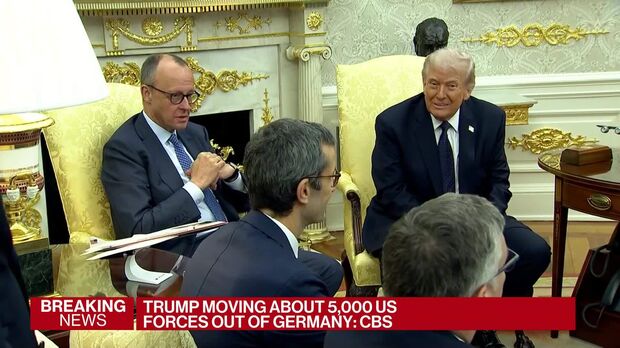
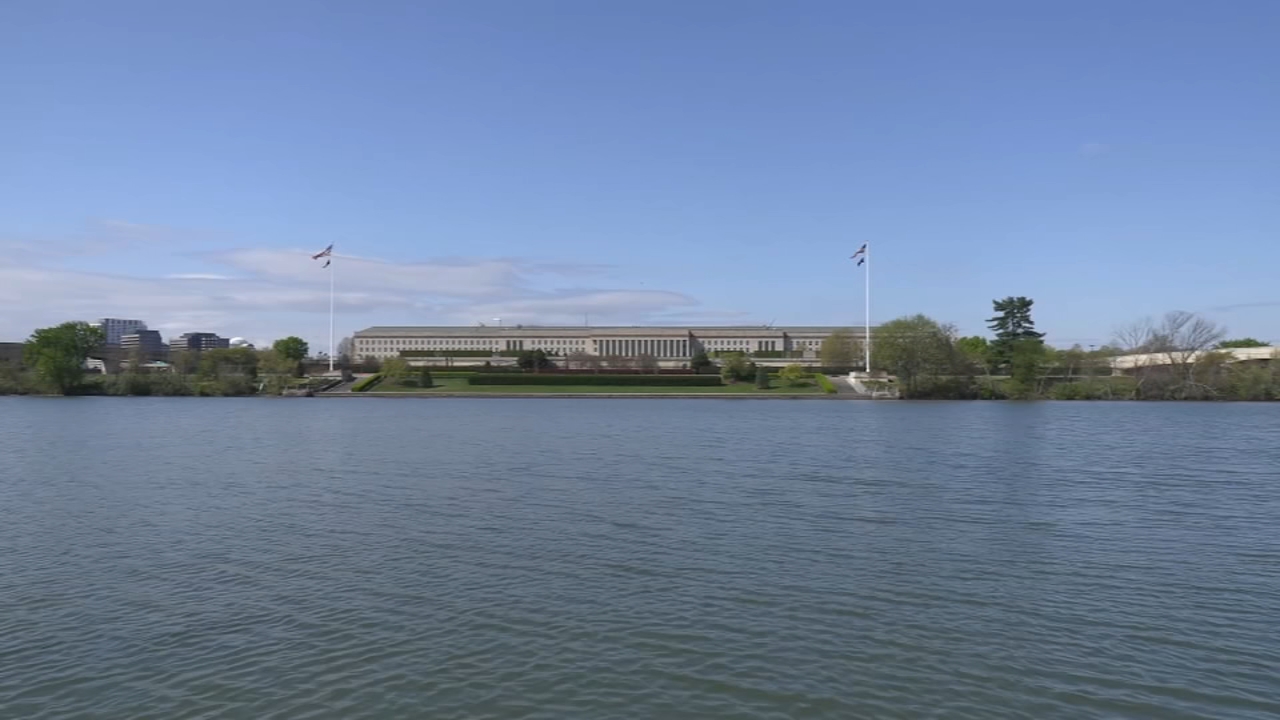
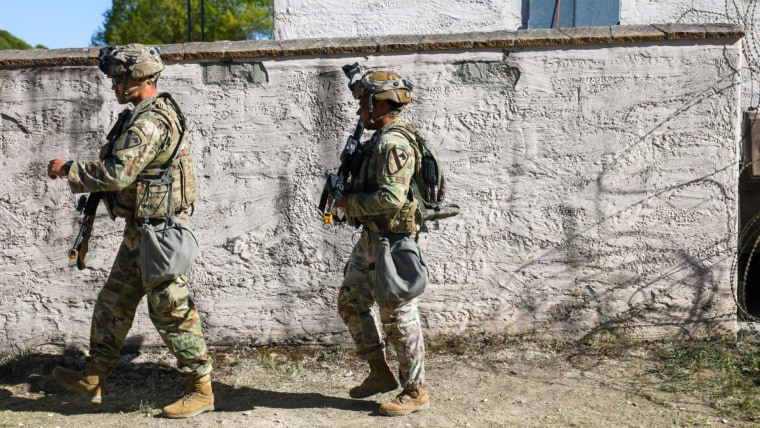
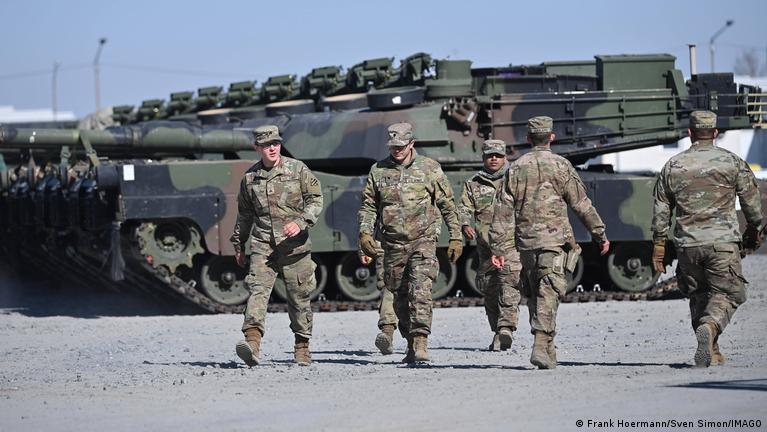
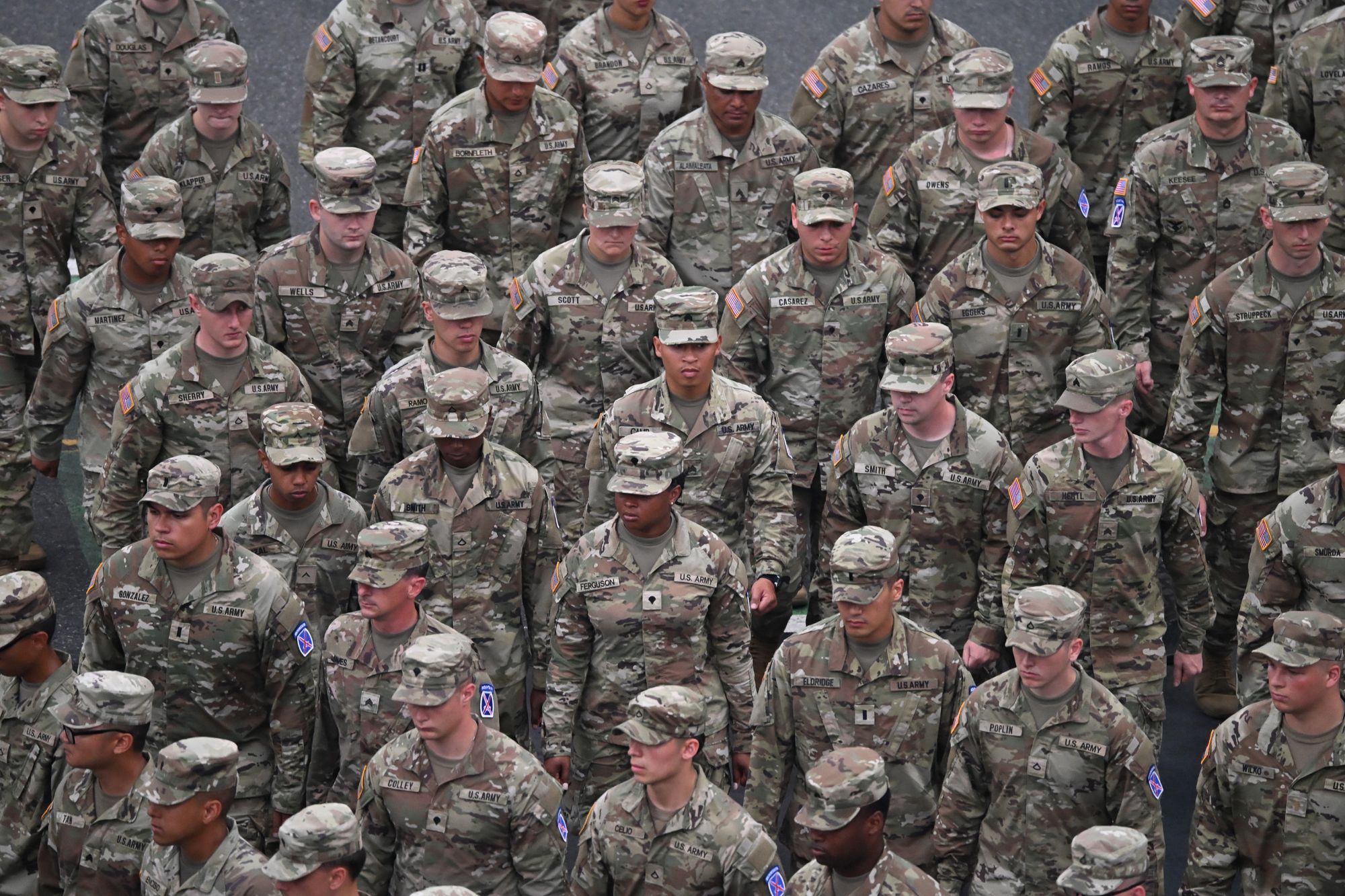
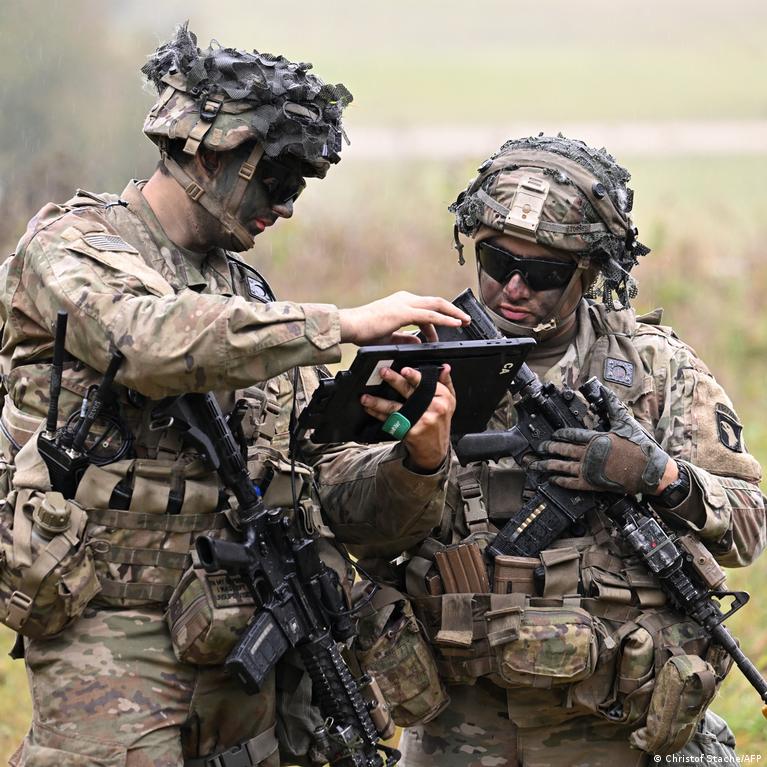
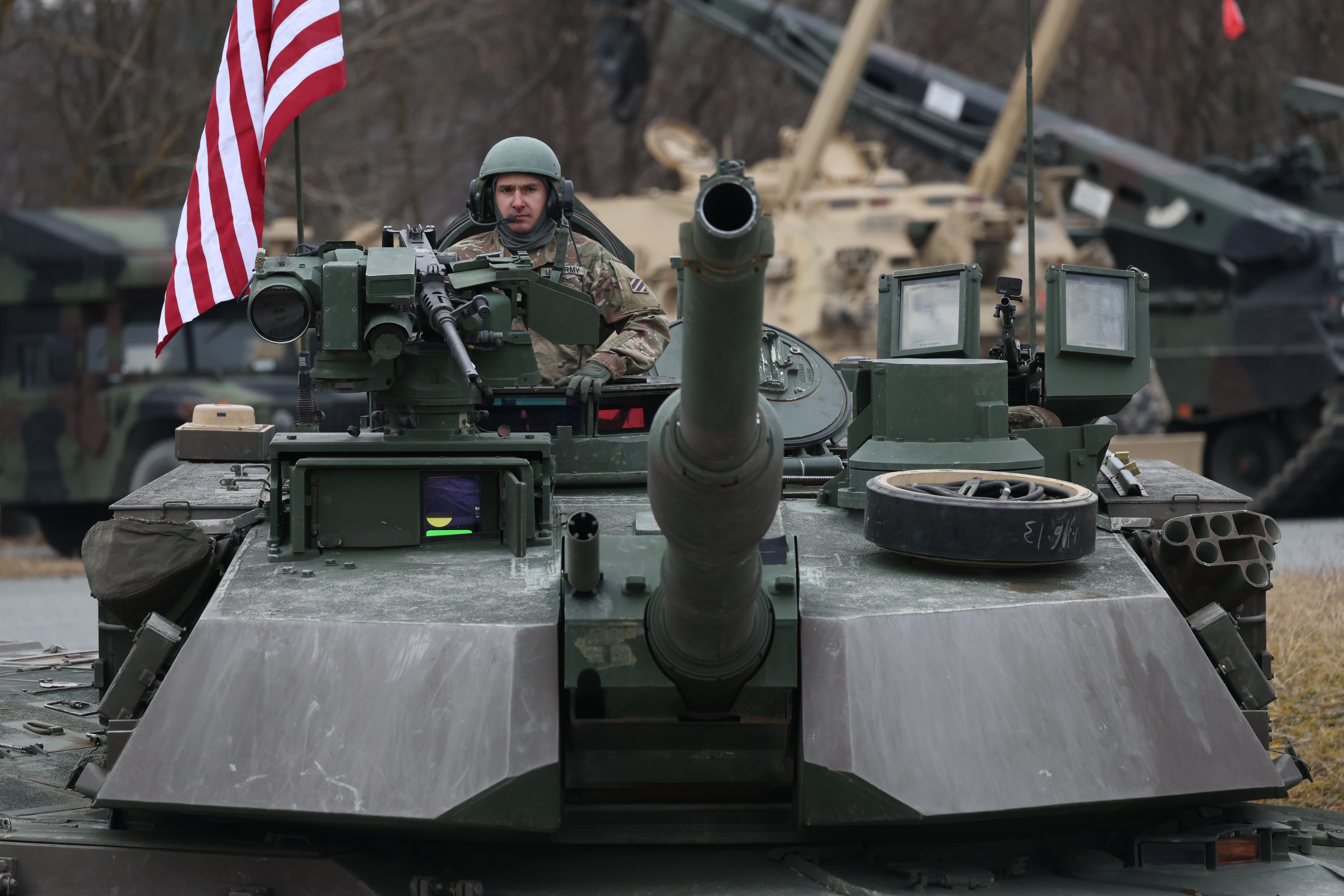
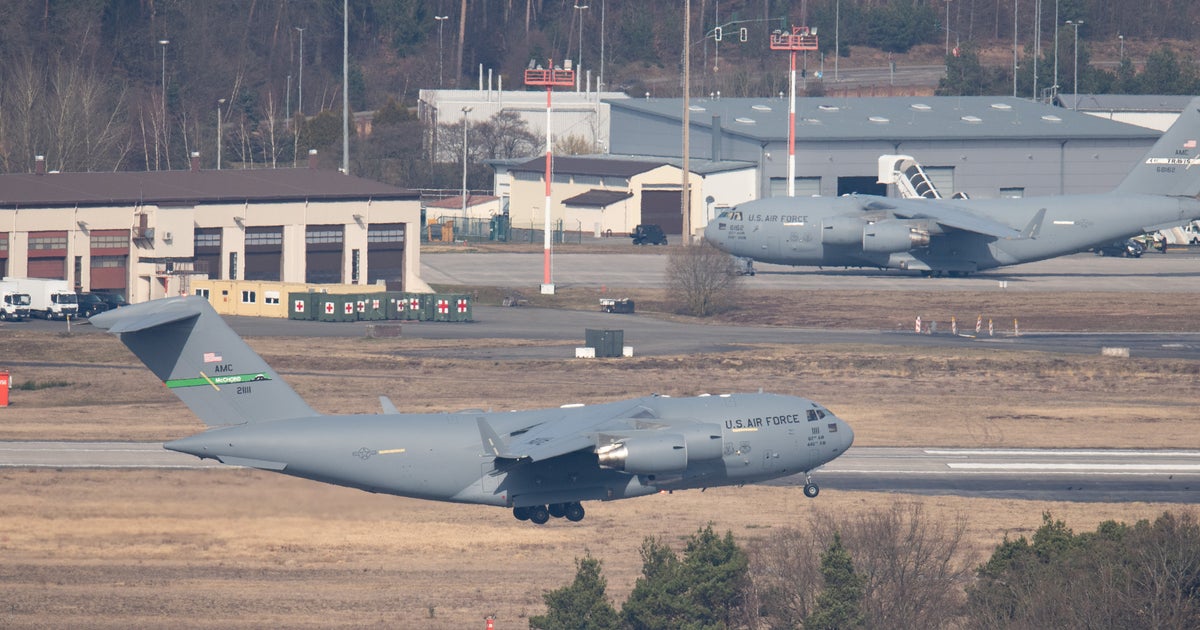
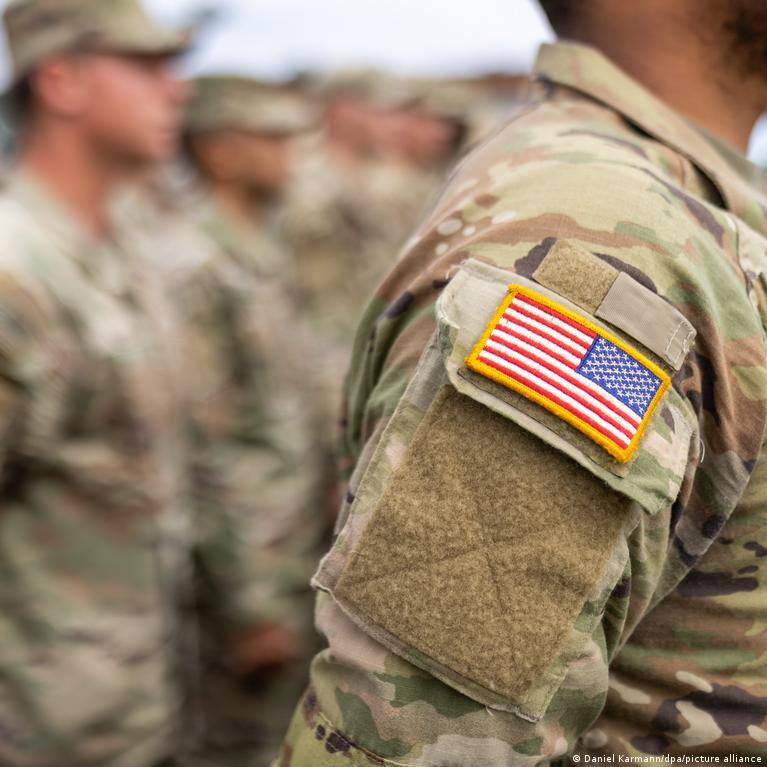
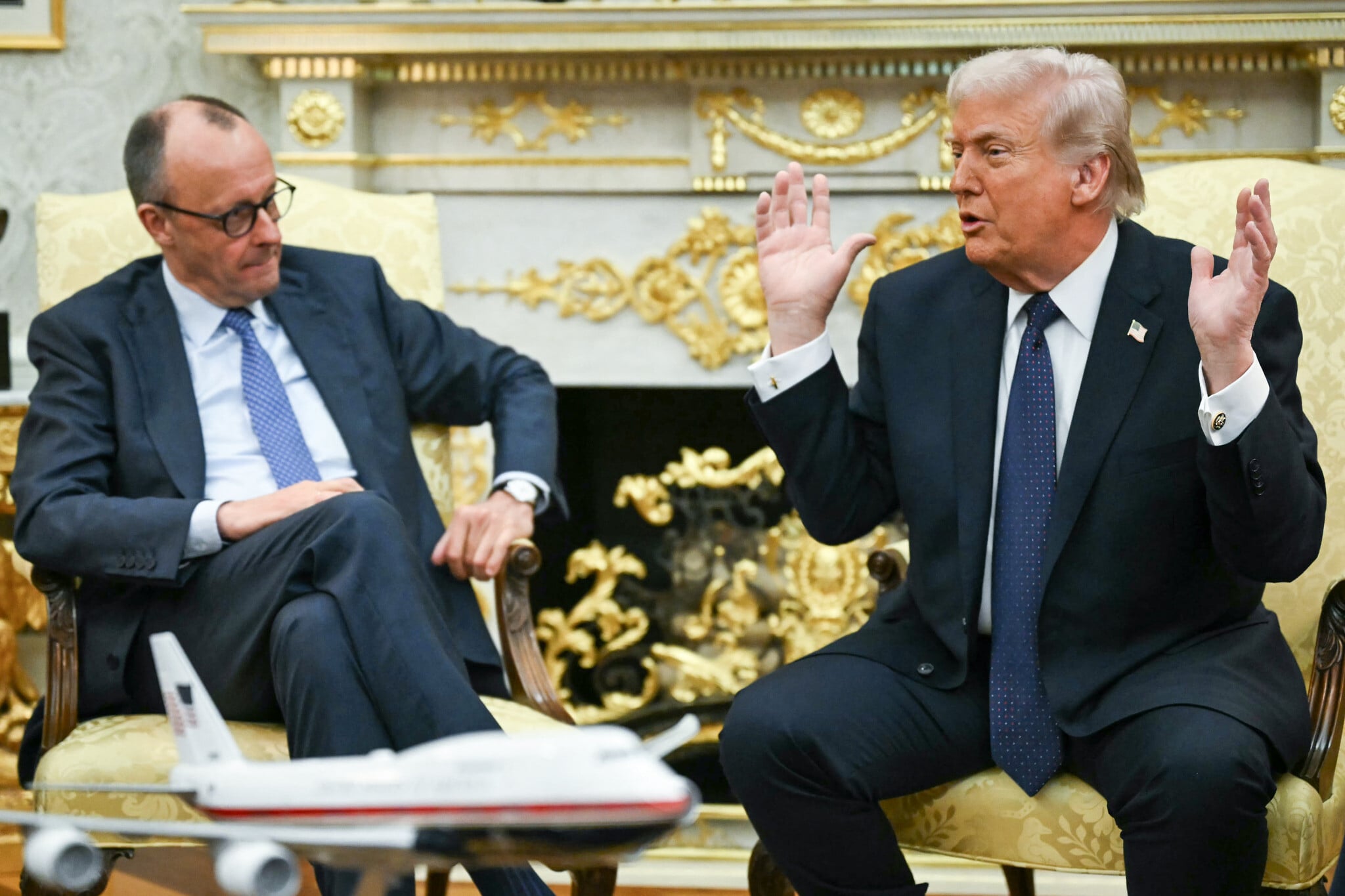
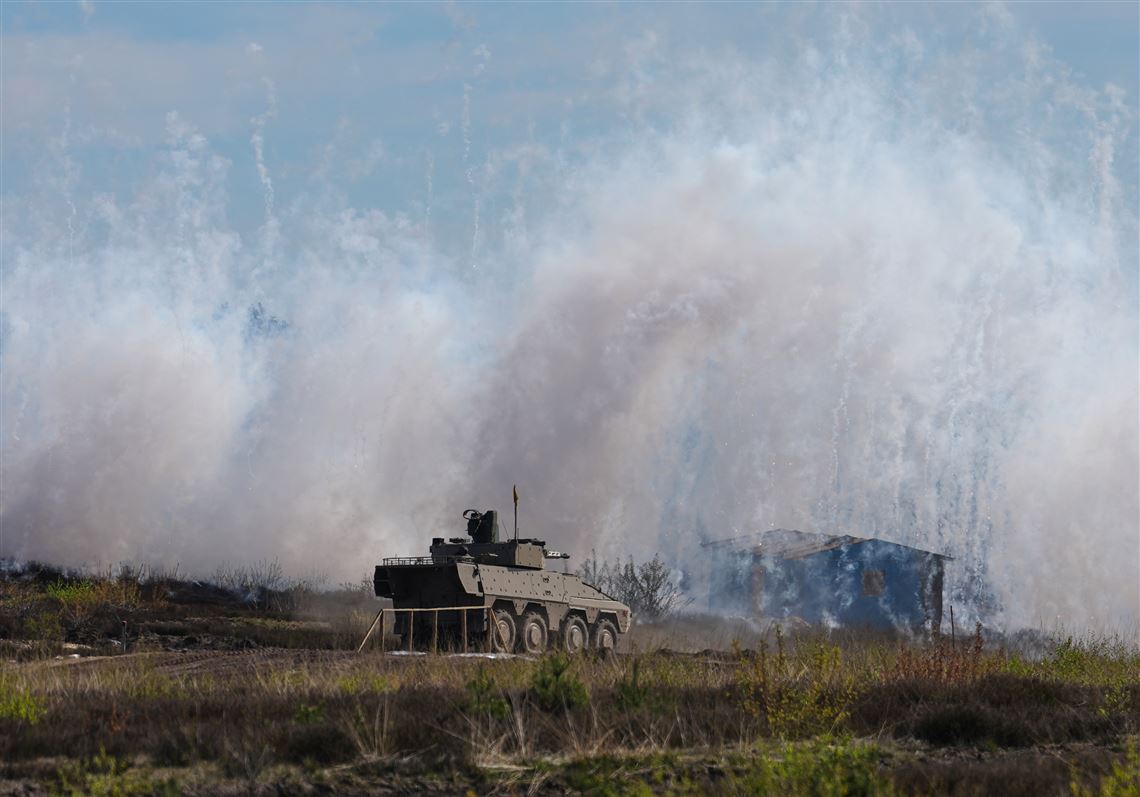
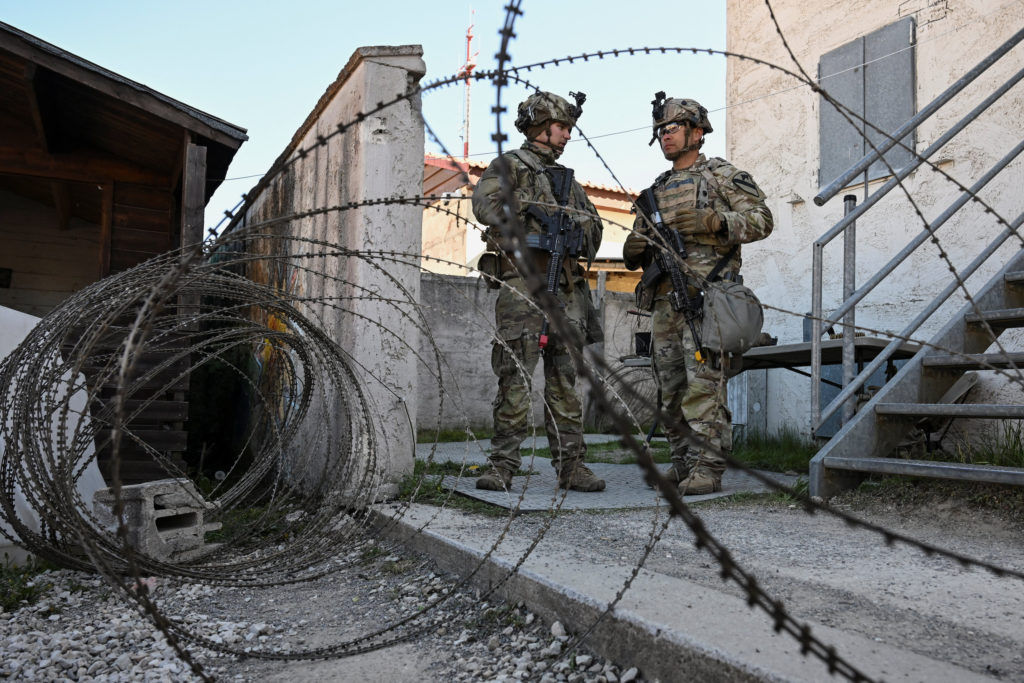
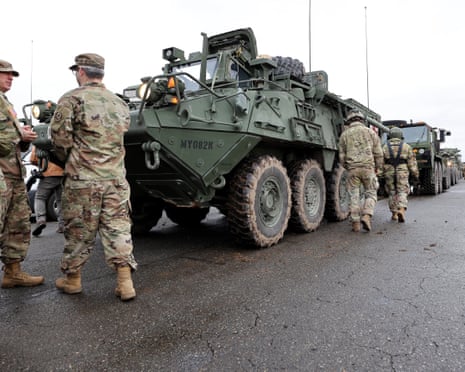
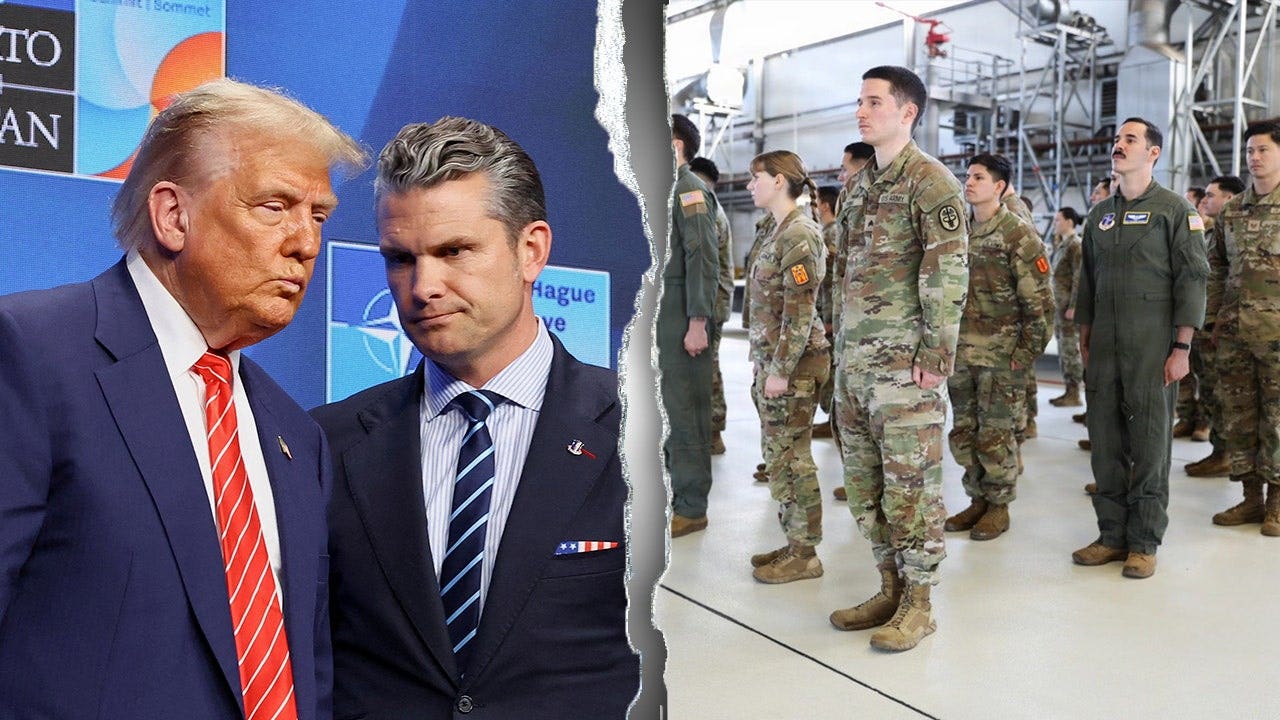
The Pentagon's announcement of a 5,000-troop withdrawal from Germany (14% reduction from 36,000+ personnel) over 6-12 months represents a critical geopolitical inflection point with direct implications for cross-border sellers. This military realignment, coupled with Trump's concurrent tariff threats on EU automotive (disproportionately affecting German manufacturers), creates a three-layer opportunity structure: tariff arbitrage windows, supply chain repositioning, and market access shifts.
Tariff Arbitrage & Sourcing Dynamics: Germany's automotive sector faces elevated tariff pressure while the country simultaneously commits to increased defense spending and military modernization. This creates a 12-18 month window where German manufacturers may accept lower margins to maintain US market share before tariffs fully implement. Sellers sourcing automotive components (HS codes 8704-8708: vehicle parts, engines, transmissions) from German suppliers can negotiate 8-15% cost reductions during this transition period. Concurrently, the Strait of Hormuz shipping crisis (vessel traffic collapsed from 3,000 monthly to 154 in March 2025) creates 25-40% freight cost increases for Asia-sourced goods, making European sourcing temporarily cost-competitive despite tariff headwinds.
Market Access & Competitive Shifts: The withdrawal signals US strategic pivot away from Europe, accelerating Germany's defense spending commitment and creating new procurement opportunities in defense technology, aerospace components, and industrial electronics. German defense contractors will increase domestic sourcing to reduce US dependency, creating supply gaps that non-German EU suppliers and US-based sellers can fill. Sellers in industrial automation (HS 8537-8538), electronic components (HS 8542-8548), and precision machinery (HS 8456-8461) can target German defense modernization contracts worth €50B+ over 5 years. The OFAC sanctions warnings on Strait of Hormuz shipping create compliance-driven demand for alternative logistics providers and supply chain software—a $2-3B opportunity for sellers offering compliance-as-a-service solutions.
Timing Windows & Competitive Advantage: The 6-12 month implementation window creates first-mover advantages for sellers who: (1) lock in German supplier contracts before tariffs escalate, (2) establish alternative sourcing from UK/Italy (next-largest US military presences), and (3) pivot inventory toward European defense/industrial categories. Small-to-medium sellers (10-50 SKUs) can exploit this window more efficiently than large competitors by targeting niche German suppliers with direct relationships. The geopolitical uncertainty also depresses German export valuations, creating 15-25% acquisition opportunities for sellers with capital to acquire distressed inventory or supplier relationships.
Questions 8
Which non-German EU suppliers benefit from the US-Germany tensions?
The US maintains significant military presences in Italy and UK (next-largest after Germany), and has threatened additional troop reductions in Italy and Spain. This creates competitive advantages for suppliers in Italy, UK, and Spain who can position themselves as alternatives to German suppliers facing tariff pressure. Italian automotive suppliers (HS 8704-8708), UK aerospace components (HS 8803-8806), and Spanish industrial machinery (HS 8456-8461) can gain market share from German competitors. Sellers sourcing from these countries can negotiate improved terms as suppliers seek to replace lost German market share. The competitive window is 12-18 months before tariff structures stabilize. Sellers should evaluate supplier diversification across Italy, UK, and Spain to reduce Germany-specific tariff exposure.
How should sellers adjust inventory strategy given the geopolitical uncertainty?
Sellers should implement a three-phase inventory strategy: (1) Immediate (0-30 days): Audit current German supplier contracts and lock in pricing before tariff announcements; (2) Short-term (30-90 days): Reduce inventory concentration in German-sourced goods by 20-30% and diversify to Italy/UK/Spain suppliers; (3) Medium-term (90-180 days): Monitor tariff implementation and adjust sourcing based on actual tariff rates. Sellers reliant on just-in-time inventory models face highest risk due to Strait of Hormuz shipping delays (25-40% freight cost increases). Sellers should increase safety stock for high-velocity SKUs by 15-20% and establish alternative sourcing relationships. The geopolitical uncertainty creates 15-25% margin compression for sellers who don't adjust strategy within 60 days. Sellers should document all supplier contract changes and tariff exposure in their inventory management systems for quarterly review.