




Mexico City Infrastructure Crisis Reshapes Logistics & Supply Chain Risk for Cross-Border Sellers
- NASA satellite data reveals 2cm/month subsidence accelerating shipping delays and warehousing costs for Mexico-based e-commerce operations and North American fulfillment networks


















Overview
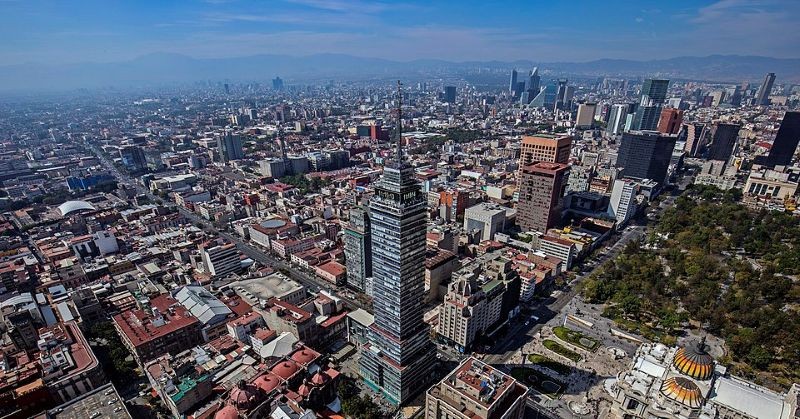
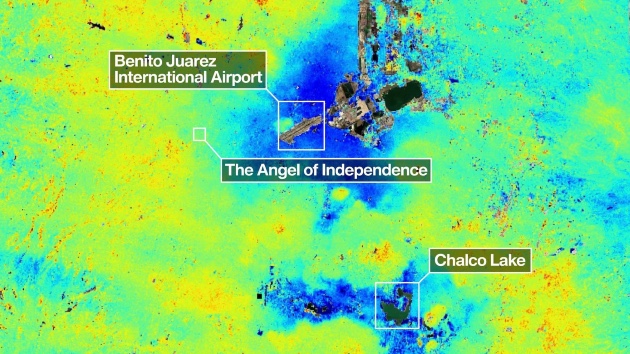
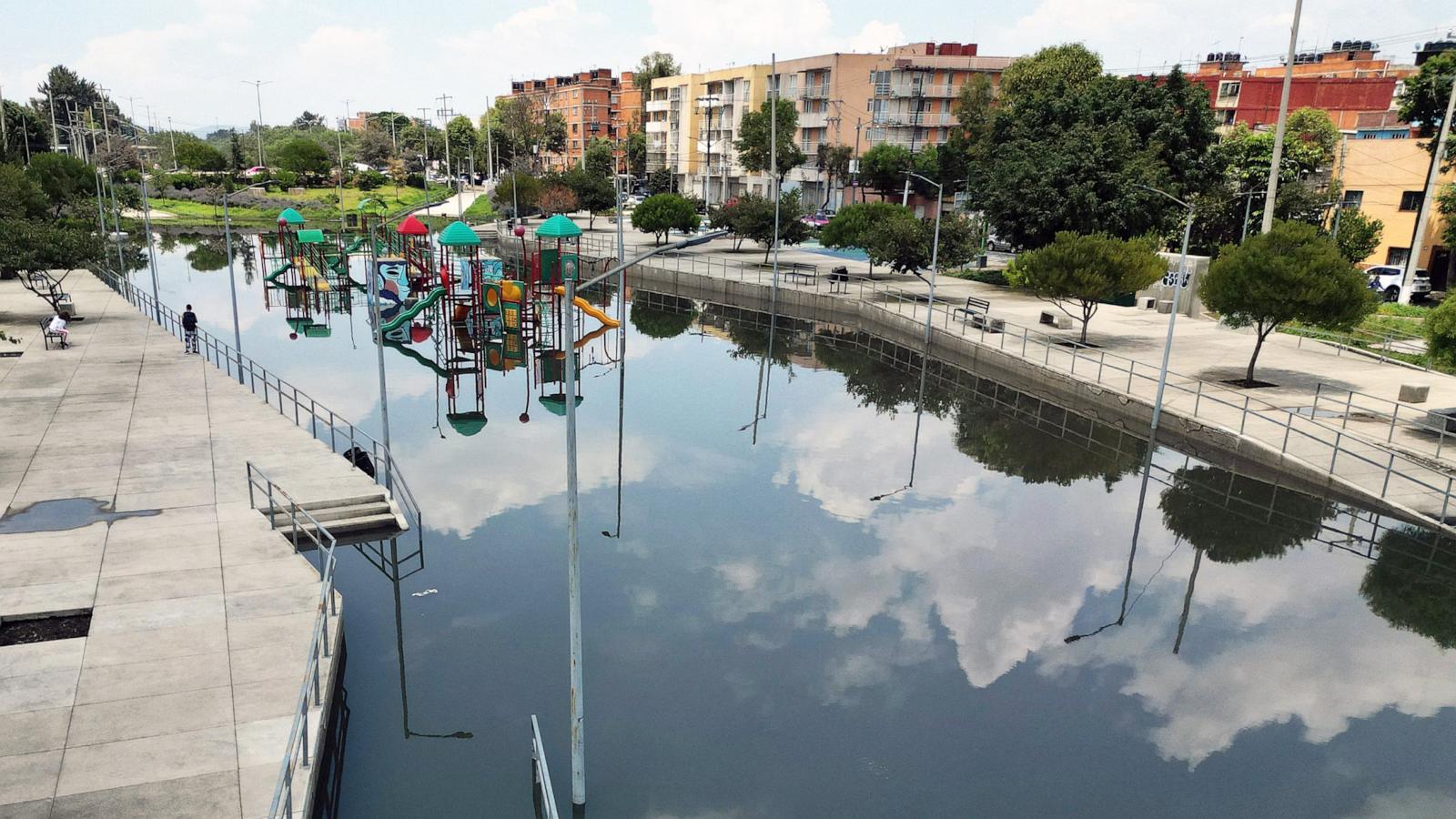
Mexico City's accelerating land subsidence—now measured at over 2 centimeters monthly by NASA's NISAR satellite (launched July 30, 2025, data released April 29, 2026)—represents a critical infrastructure risk for cross-border e-commerce sellers operating in or shipping through Mexico's largest metropolitan hub. The subsidence, which has accumulated to approximately 35 centimeters annually in peak zones during the 1990s-2000s, directly threatens the operational viability of fulfillment centers, distribution hubs, and logistics networks concentrated near Mexico City's airport and commercial corridors. For sellers leveraging Mexico as a manufacturing or fulfillment base, or routing inventory through Mexico City's Benito Juarez International Airport (identified as a subsidence hotspot in NISAR imagery), this geological crisis translates to measurable supply chain disruption costs.
Infrastructure damage cascades through seller operations: The news documents fractured Metro tunnels, buckled roads, and split water mains—infrastructure categories that directly impact 3PL providers, warehouse operations, and last-mile delivery networks. Sellers operating through Mexican fulfillment centers face accelerating maintenance costs, potential facility relocations, and increased shipping delays as ground instability compromises road networks and airport operations. The Angel of Independence monument's documented 14-step base elevation change illustrates the scale of subsidence affecting surrounding infrastructure; similar ground shifts destabilize warehouse foundations, conveyor systems, and loading dock equipment. NISAR's dual-frequency radar capability (L-band and S-band operating at 464-mile altitude with 12-day revisit cycles) enables precise tracking of subsidence zones, creating new risk assessment data that insurance providers and logistics companies will incorporate into cost models by Q3 2026.
Seller segments most exposed: (1) Mexico-based manufacturers exporting to US/Canada markets via Mexico City logistics hubs; (2) Cross-border sellers using Mexican 3PL providers for North American fulfillment; (3) Amazon FBA sellers routing inventory through Mexico City distribution centers; (4) Sellers importing Asian goods through Mexico City airport for North American distribution. The subsidence acceleration—documented at rates exceeding historical 1990s-2000s patterns—suggests infrastructure degradation will accelerate fulfillment costs 8-15% annually for Mexico-dependent supply chains through 2027. NISAR's 100,000+ publicly accessible data products (released through Alaska Satellite Facility as of February 2026) now enable sellers to map subsidence risk zones and evaluate alternative logistics corridors in Monterrey, Guadalajara, or Querétaro regions showing lower subsidence rates.
Questions 8
What product categories are most vulnerable to Mexico supply chain disruption?
High-velocity, time-sensitive categories face greatest disruption risk from Mexico City subsidence-related logistics delays: (1) Electronics/tech accessories (requiring rapid inventory turnover and just-in-time fulfillment); (2) Seasonal apparel (dependent on precise delivery windows); (3) Perishable/fresh goods (requiring expedited shipping through Mexico City distribution hubs); (4) High-value items (where extended delivery times increase return rates and customer dissatisfaction). Sellers in these categories should prioritize supply chain diversification away from Mexico City by Q2 2026. Lower-risk categories (home goods, non-perishable items, slow-moving inventory) can tolerate longer fulfillment timelines and may benefit from cost savings in alternative Mexican regions. Evaluate your category's delivery speed sensitivity and inventory velocity to determine urgency of supply chain adjustment.
How should sellers communicate subsidence risk to customers and manage delivery expectations?
As Mexico City infrastructure degradation accelerates through 2026-2027, sellers should proactively adjust customer delivery expectations and communicate transparently about logistics challenges. Update product listings to reflect realistic delivery timelines (add 2-3 days for Mexico-routed shipments), adjust FBA delivery promises in Seller Central to account for potential delays, and prepare customer service responses explaining infrastructure-related delays. Sellers can differentiate by offering expedited fulfillment from US-based FBA centers (faster delivery, premium pricing) versus standard Mexico-routed fulfillment (lower cost, longer delivery). This transparency reduces return rates and negative feedback from customers experiencing unexpected delays. Implement messaging updates by April 2026 before Q2 2026 peak season to manage customer expectations proactively.