




UK Social Unrest Reshapes Consumer Markets | Seller Opportunity in Diaspora Products & Safety-Focused Goods
- 742 UK-to-Israel emigrations in 2025 (40-year high) signals 61% Jewish population considering relocation; creates demand surge for diaspora goods, religious items, and relocation services across Amazon, eBay, and specialty marketplaces







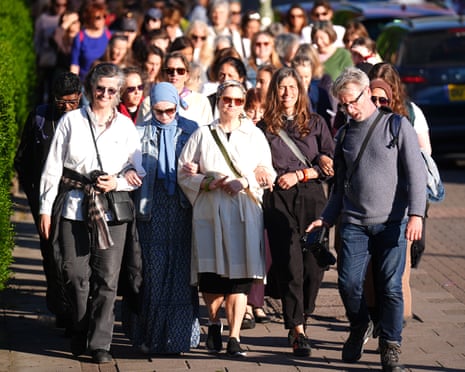



















Overview
The escalating antisemitism crisis in the UK (3,700 reported incidents in 2025, double the 2022 figure) is creating measurable demographic shifts with direct e-commerce implications. Data from the Institute for Jewish Policy Research documents 742 UK-to-Israel emigrations in 2025—the highest annual total in over 40 years—while 61% of surveyed British Jews indicated they had considered leaving the country. This represents a significant consumer behavior shift affecting multiple product categories and seller opportunities across cross-border platforms.
Market Opportunity Analysis: The emigration trend creates immediate demand in three seller categories. First, diaspora and relocation services products (moving guides, international shipping supplies, documentation organizers) targeting families planning emigration to Israel, Panama, and other destinations. Second, religious and cultural goods (prayer books, ceremonial items, Hebrew-language educational materials, Jewish holiday merchandise) experiencing increased purchase velocity as communities strengthen cultural identity amid safety concerns. Third, security and safety products (personal safety devices, home security systems, travel safety guides) showing elevated demand as 61% of the population reassesses security needs. The news documents specific incidents including stabbings in Golders Green and arson attacks on Jewish community ambulances (March 23, 2026), indicating heightened consumer anxiety about personal and family safety.
Regional and Demographic Targeting: The crisis is concentrated in London's Golders Green neighborhood and broader UK urban centers, but emigration patterns show diversification—families considering relocation to Israel (742 documented in 2025), Panama's Jewish communities, and other diaspora destinations. This creates cross-border selling opportunities for sellers targeting UK-based Jewish consumers preparing for relocation, as well as sellers in Israel and Panama positioning products for incoming UK emigrants. Barry Frankfurt, a brand consultant and synagogue chair, represents the professional demographic (40-60 age range with established careers) most likely to purchase premium relocation services and cultural goods. His 16-year-old daughter's experience with antisemitic harassment at a concert exemplifies younger demographic engagement with safety concerns, creating opportunities in youth-focused security and identity products.
Platform and Compliance Considerations: The social unrest context requires sellers to implement inclusive marketplace policies and culturally sensitive product categorization. Amazon, eBay, and Shopify sellers should monitor community feedback on religious product listings and ensure accurate representation of Jewish cultural items to avoid misclassification. The political dimension—with 81% of Muslim respondents closely following Iran conflicts and government discussions of "muscular liberalism" and potential march moratoriums—suggests sellers should avoid politicized product descriptions while maintaining respectful cultural representation. Sellers in the UK should prepare for potential logistics disruptions in high-tension areas and consider diversifying fulfillment networks away from concentrated London locations.
Competitive Intelligence: The emigration trend indicates established sellers in Israel and Panama should prepare for increased demand from UK-origin customers. Sellers specializing in Hebrew-language products, Israeli cultural goods, and relocation services are positioned to capture market share. Additionally, sellers offering "diaspora packages" (bundled relocation guides, cultural preservation products, international shipping supplies) can differentiate in underserved market segments. The 40-year emigration high suggests this is not a temporary trend but reflects structural changes in UK Jewish community confidence, warranting long-term product strategy adjustments.
Questions 8
How should sellers position products for the UK market amid social cohesion challenges?
Baroness Falkner's commentary emphasizes 'muscular liberalism' and the importance of minorities defending each other's rights, which influences how sellers should frame products. Position relocation and cultural products as tools for preserving heritage and maintaining community connections, rather than products driven by fear or despair. Emphasize community solidarity, interfaith cooperation, and cultural pride in product descriptions and marketing materials. Highlight how products support families maintaining religious practices, educating children about cultural heritage, and building connections within diaspora communities. This positioning aligns with community leaders' calls for positive action and whole-of-society responsibility, making products more appealing to buyers seeking to actively preserve their culture rather than simply flee threats.
How should sellers monitor and respond to the ongoing UK social unrest affecting consumer behavior?
Sellers should establish monitoring systems for antisemitism-related news and community sentiment, as the crisis directly impacts consumer purchasing behavior and emigration decisions. The Community Security Trust documented 3,700 antisemitic incidents in 2025 (double 2022 figures), indicating accelerating trends. Set up Google Alerts for 'UK antisemitism,' 'Jewish emigration,' and 'UK social cohesion' to track developments affecting your target market. Monitor Amazon and eBay community forums for feedback on religious and cultural product listings. Adjust inventory planning based on emigration data—the 40-year high of 742 2025 emigrations suggests this is a structural trend, not temporary. Consider diversifying fulfillment networks away from concentrated London locations (Golders Green neighborhood documented as high-tension area) to ensure supply chain resilience. Engage with community leaders and organizations to understand evolving consumer needs and maintain trust with your target demographic.