



Next-Gen Radiation Shielding Materials Drive B2B Tech Supply Chain Opportunities for Advanced Materials Sellers
- South Korean breakthrough in carbon/boron nitride nanotubes creates $2-5B addressable market for aerospace, medical device, and industrial safety equipment suppliers selling to enterprise buyers



Overview
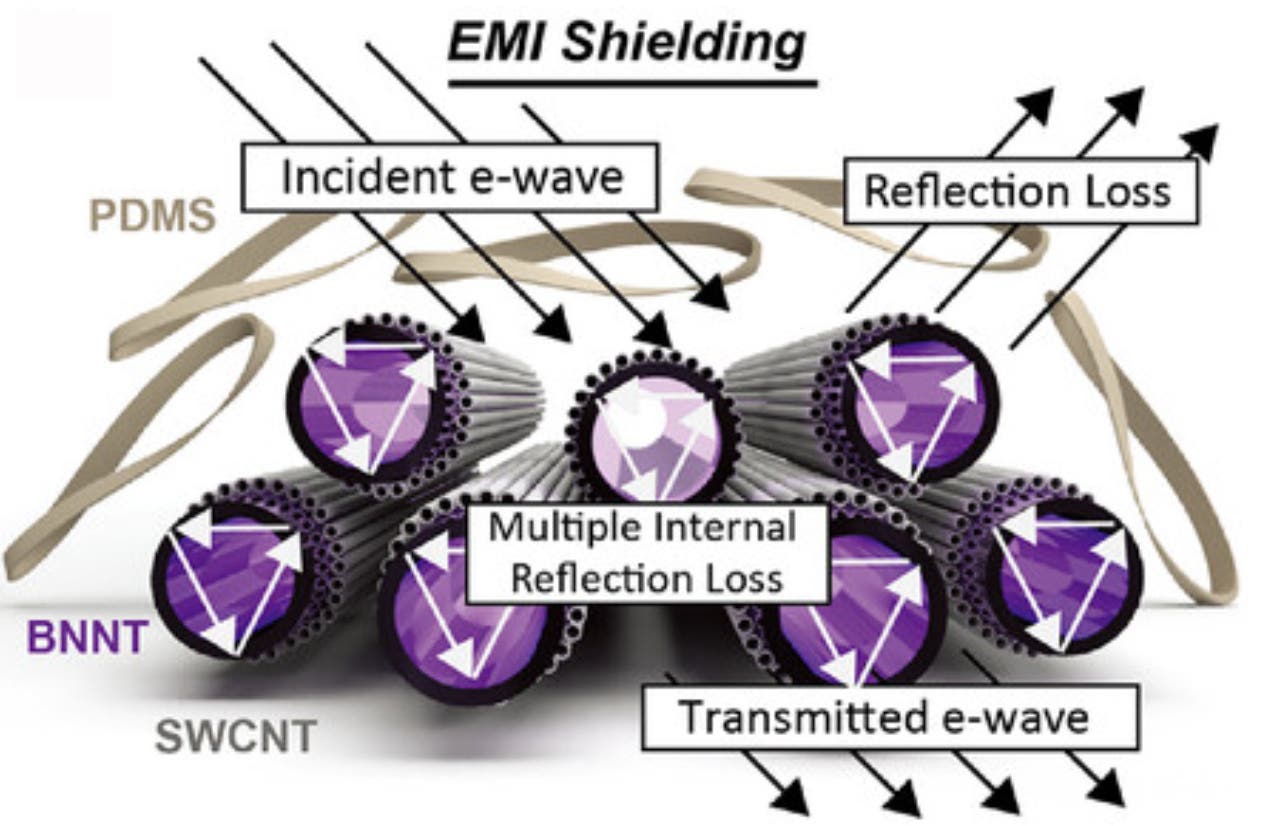
The Korea Institute of Science and Technology's development of ultra-thin, flexible radiation-shielding material represents a significant inflection point in the advanced materials supply chain, with direct implications for B2B sellers and industrial suppliers. Published in Advanced Materials (March 2024), the breakthrough combines carbon nanotubes (CNTs) and boron nitride nanotubes (BNNTs) to create a composite material thinner than human hair that blocks 99.999% of electromagnetic waves and reduces neutron radiation by 72%—while maintaining elasticity to stretch double its original length and withstand temperatures from -196°C to 250°C.
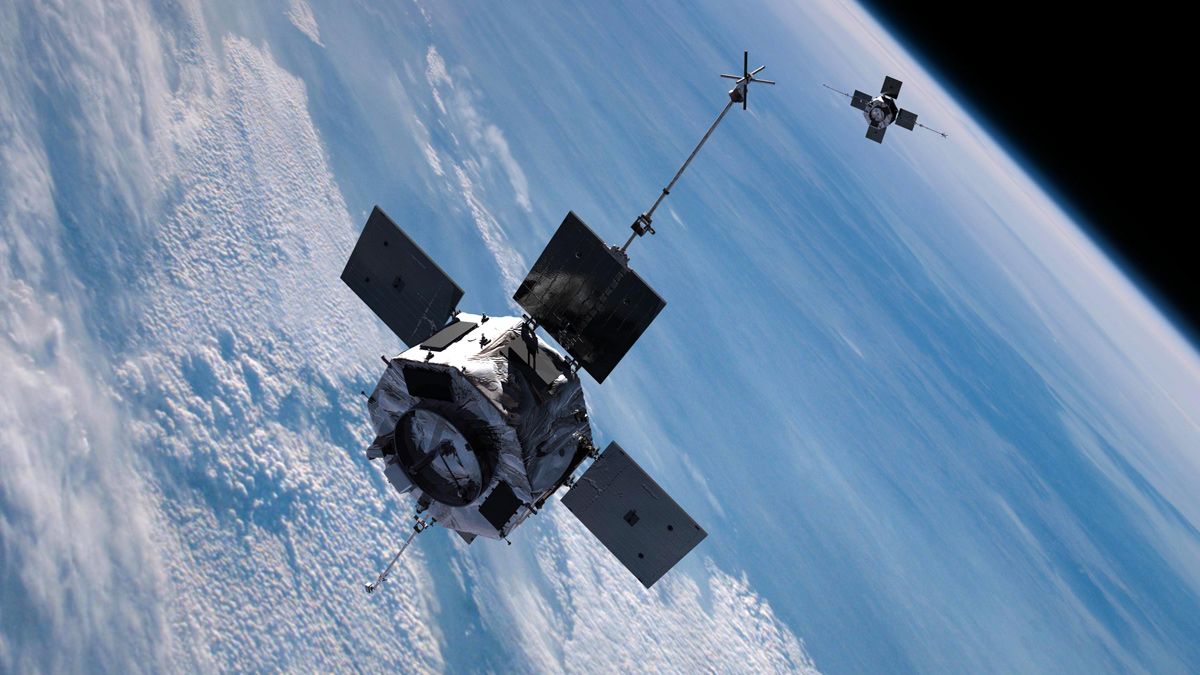
This innovation creates immediate market opportunities for sellers in three critical segments: (1) Aerospace & Space Exploration: The material's 15% efficiency improvement when 3D-printed into honeycomb structures directly addresses NASA's Artemis program requirements and commercial space ventures (SpaceX, Blue Origin) seeking weight reduction to lower launch costs. Sellers can target procurement departments at aerospace contractors, satellite manufacturers, and space agencies with protective gear, shielding components, and specialized equipment. (2) Medical Device Manufacturing: The material's radiation-blocking properties and biocompatibility potential position it for cancer treatment equipment, diagnostic imaging shielding, and wearable protective gear for medical professionals—a $45B+ global market with 8-12% annual growth. (3) Industrial Safety & Nuclear Facilities: Traditional lead-based shielding represents a $3-4B market; this lightweight alternative enables retrofitting existing facilities and new construction with superior protection at lower installation costs.
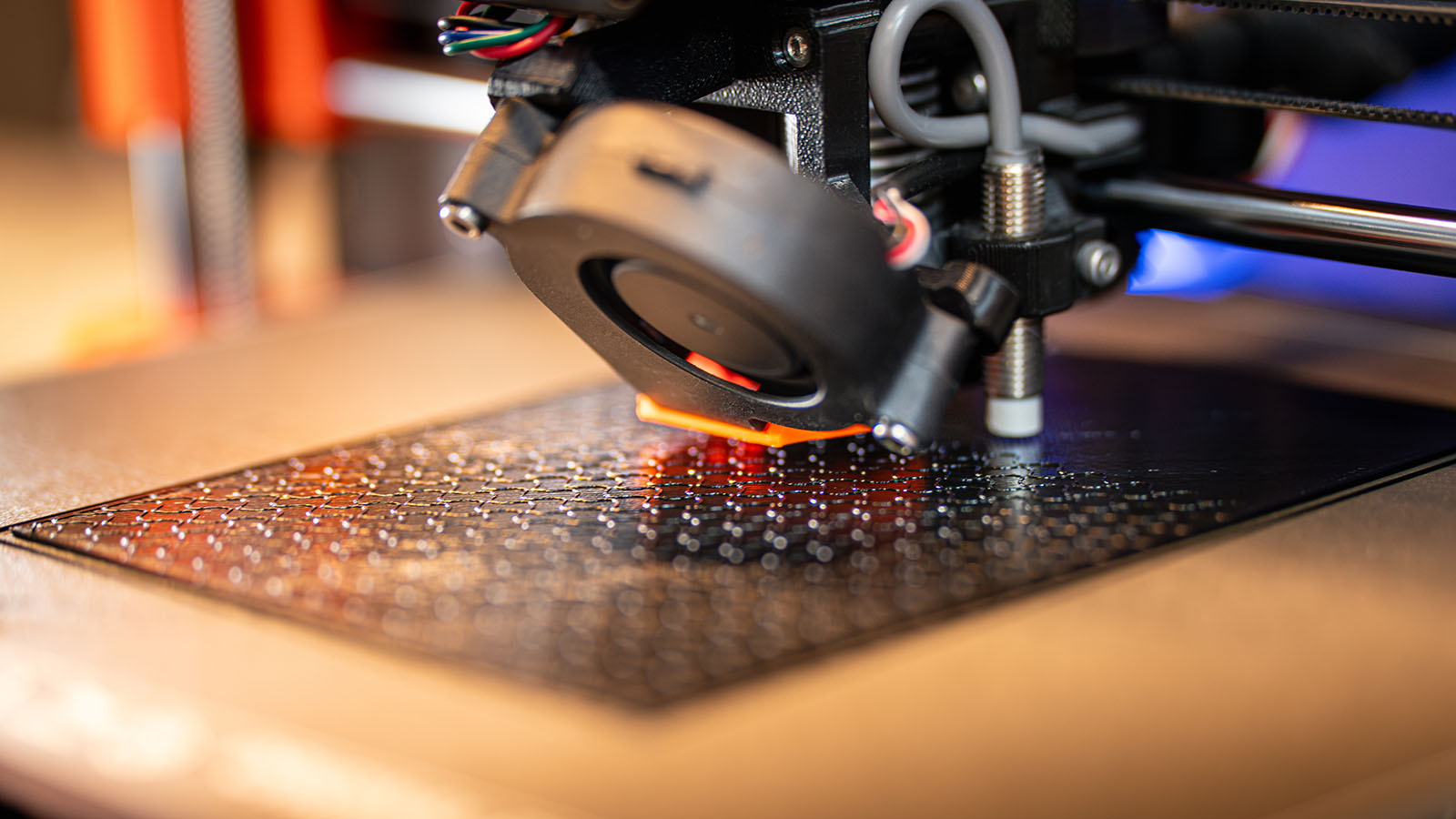
The 3D-printing capability (direct ink writing/DIW technology) is particularly significant for sellers: The material's printability into custom geometries enables customized solutions without tooling costs, creating opportunities for sellers to offer bespoke shielding solutions to enterprise buyers. This aligns with broader industry trends toward miniaturization and weight optimization—the same drivers pushing adoption of advanced materials across aerospace, electronics, and medical sectors. South Korea's emphasis on "domestic production infrastructure for space-age materials" signals government support and potential subsidies for suppliers establishing manufacturing partnerships in the region, creating sourcing advantages for sellers with Korean supply chain connections.
Market timing is critical: Following Artemis 2's successful launch and accelerating commercial space activity, procurement cycles for next-generation spacecraft and satellite shielding are opening. Medical device manufacturers are simultaneously upgrading radiation protection systems to meet updated safety standards. Sellers with early access to KIST's technology or partnerships with Korean manufacturers can capture first-mover advantage in enterprise procurement cycles that typically span 12-24 months from specification to deployment.
Questions 7
What is the timeline for commercialization and market availability of this material?
The research was published in Advanced Materials (March 2024), with Dr. Joo Yong-ho indicating plans for performance optimization and industrial application expansion. Typical commercialization timelines for advanced materials range from 2-4 years from publication to initial production, with enterprise adoption following 12-24 months of qualification testing. South Korea's emphasis on developing domestic production infrastructure suggests government-backed manufacturing facilities may emerge within 18-36 months. Sellers should monitor KIST announcements for licensing partnerships, manufacturing agreements, and pilot production schedules. Early engagement with Korean materials suppliers and aerospace contractors can provide first-mover advantage, as procurement cycles for Artemis program components and next-generation satellite designs are currently active.
What are the regulatory and compliance considerations for selling this material?
Nanotube-based materials face evolving regulatory scrutiny regarding occupational exposure, environmental impact, and biocompatibility—particularly for medical device applications. Sellers must ensure compliance with FDA regulations for medical device components, OSHA guidelines for worker safety during manufacturing and handling, and EU REACH regulations for chemical substances. The material's temperature stability (-196°C to 250°C) and flexibility enable compliance with aerospace qualification standards (MIL-SPEC, NASA standards) and medical device safety certifications (ISO 13485). Sellers should verify that manufacturing partners maintain appropriate certifications and conduct biocompatibility testing for medical applications, as regulatory approval timelines can extend 6-12 months and significantly impact market entry.