


SFO Labor Protests Drive $30/Hour Wage Demands | Supply Chain Cost Pressures for Bay Area E-Commerce Sellers
- Unionized airport workers demand 40-50% wage increases; political support signals regulatory momentum; logistics costs may rise 8-15% for sellers using SFO-dependent fulfillment networks











Overview
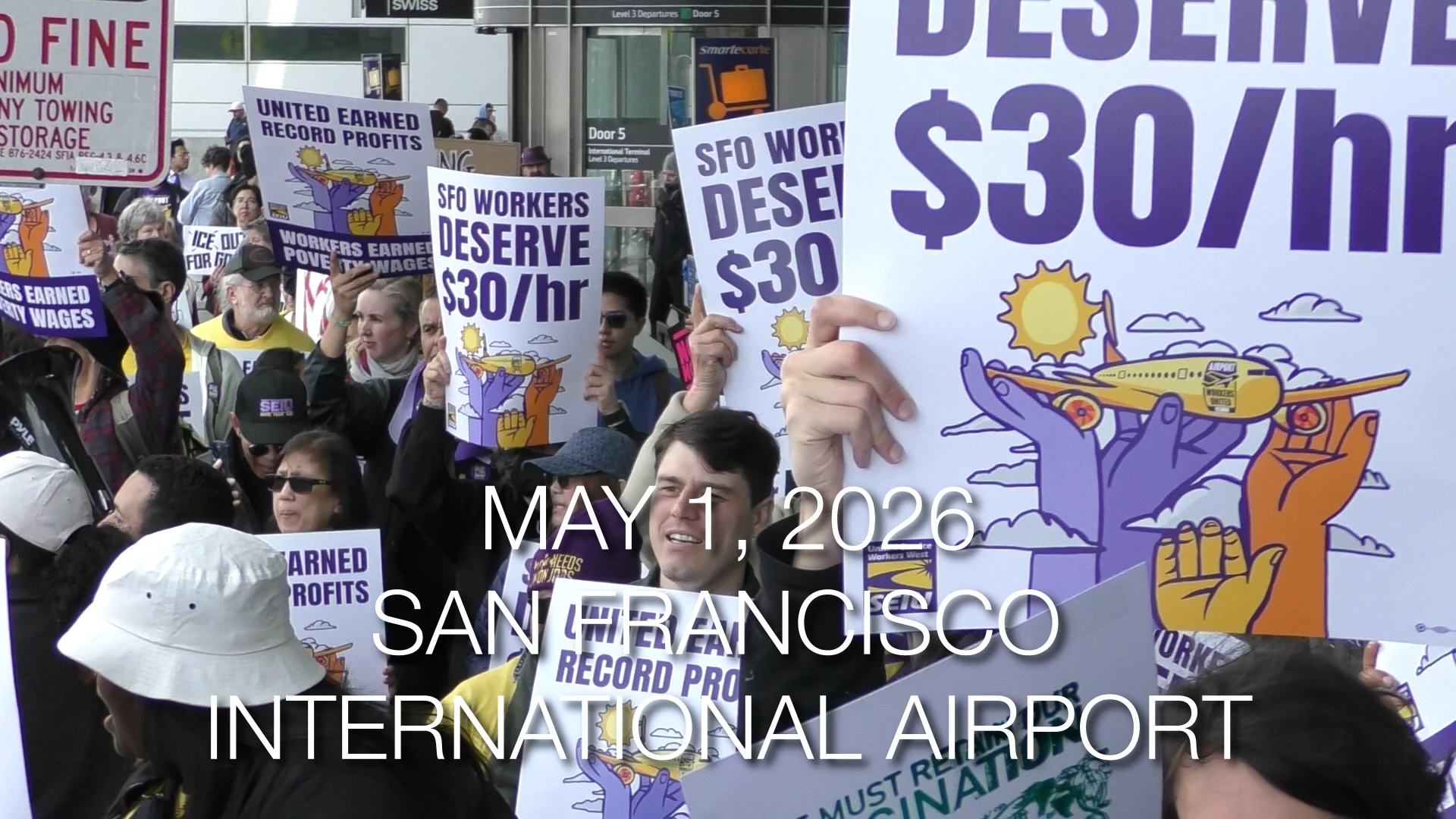
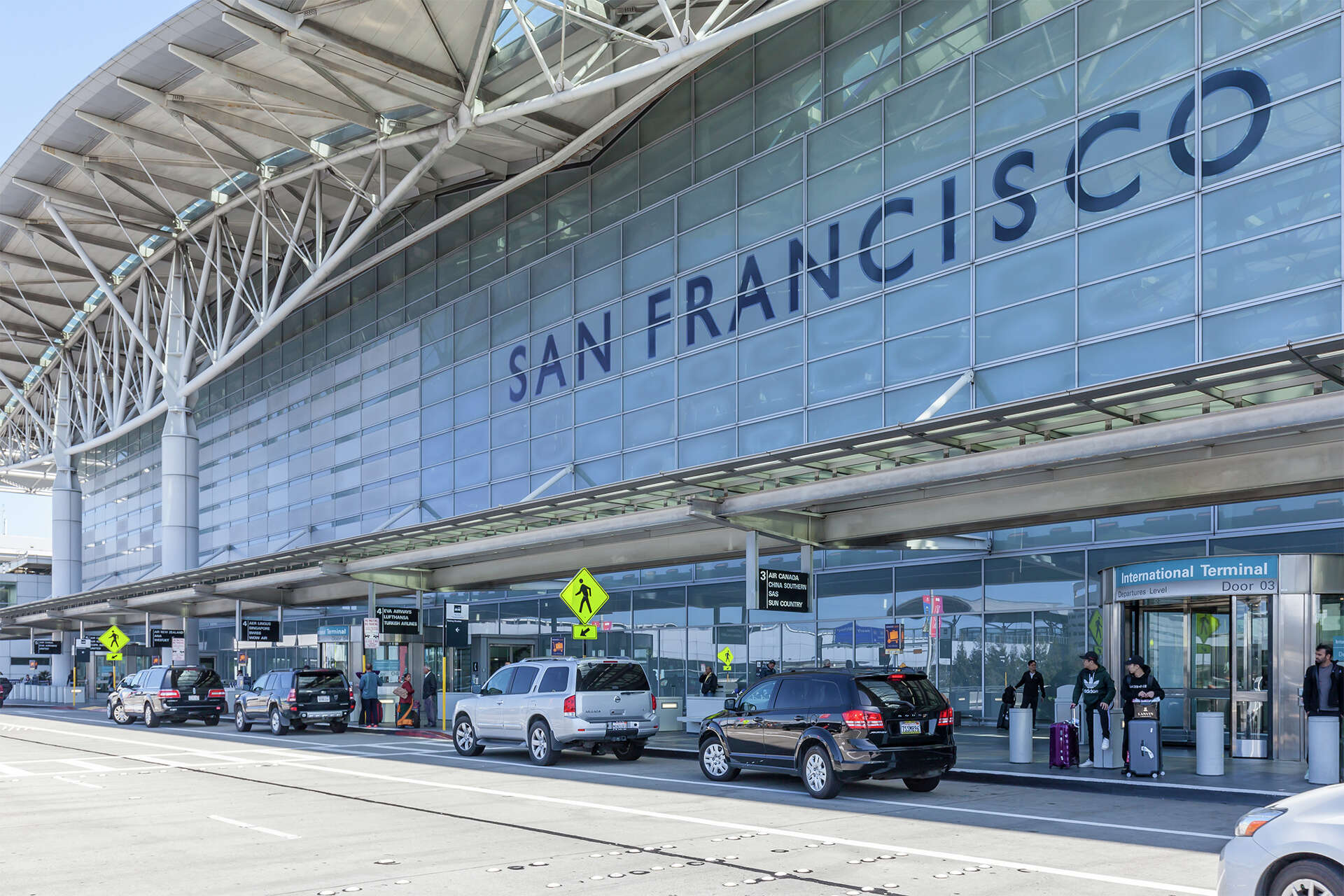
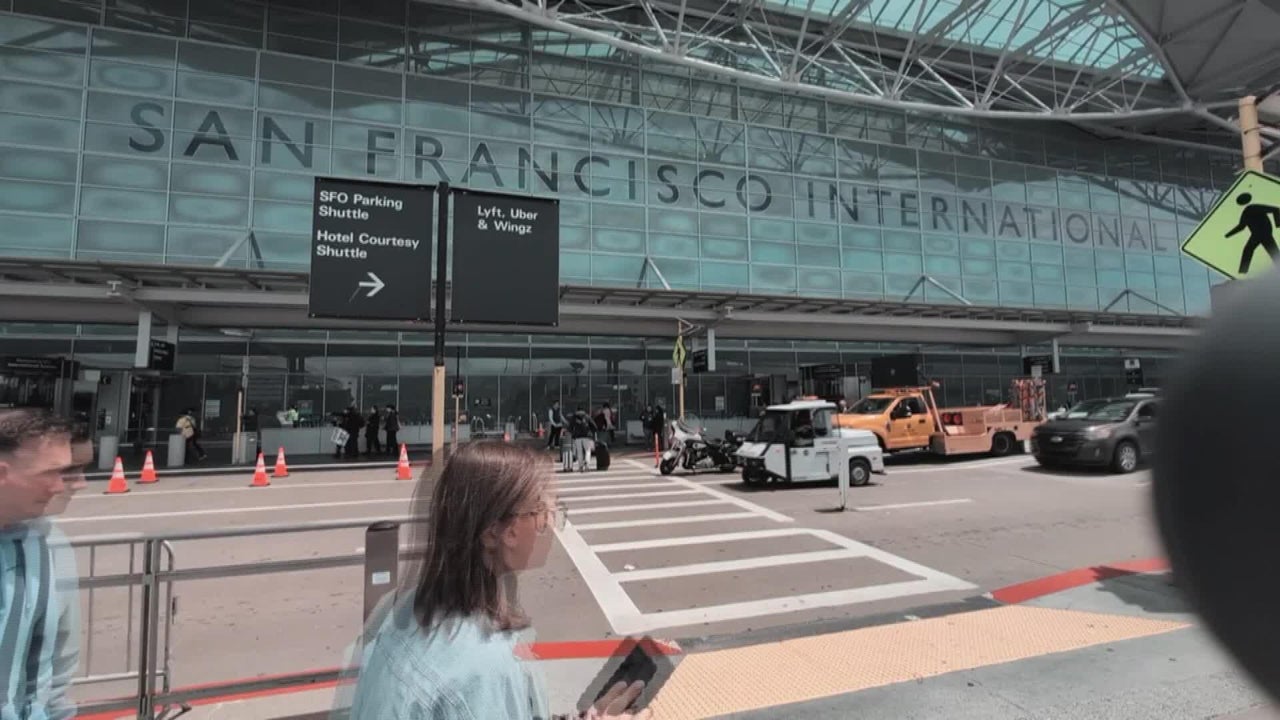
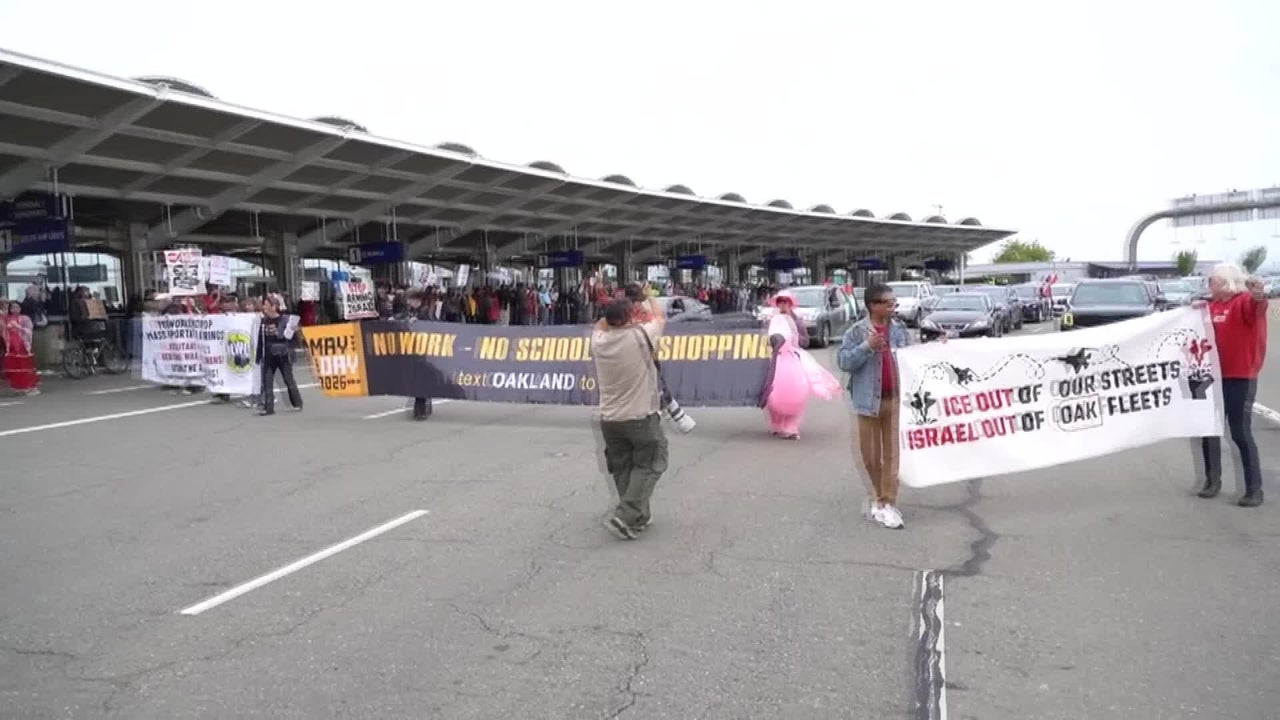
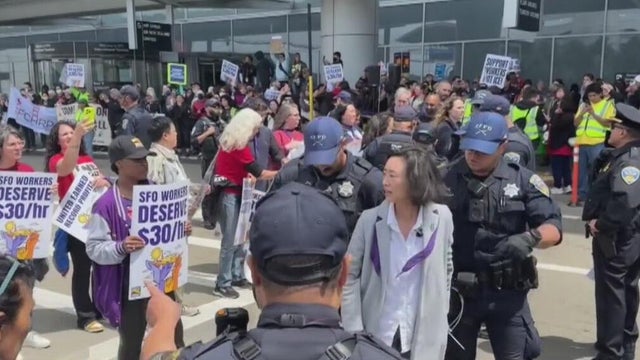
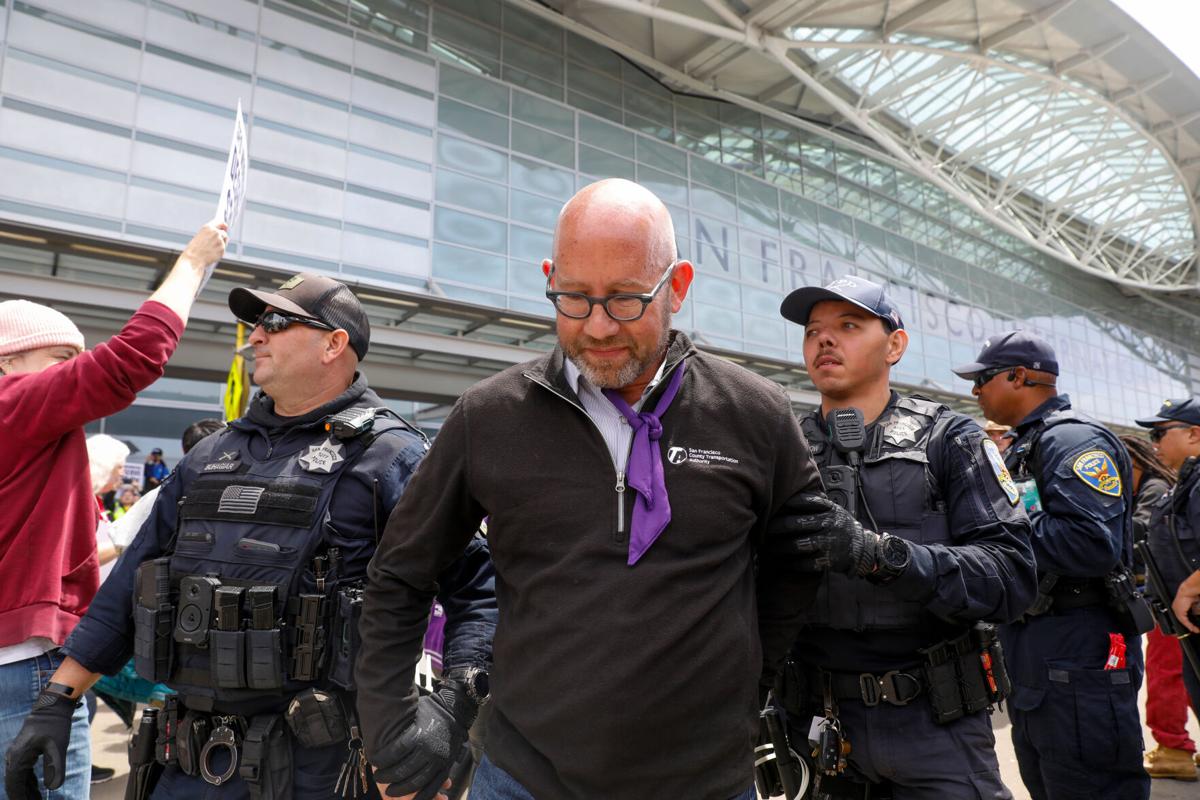
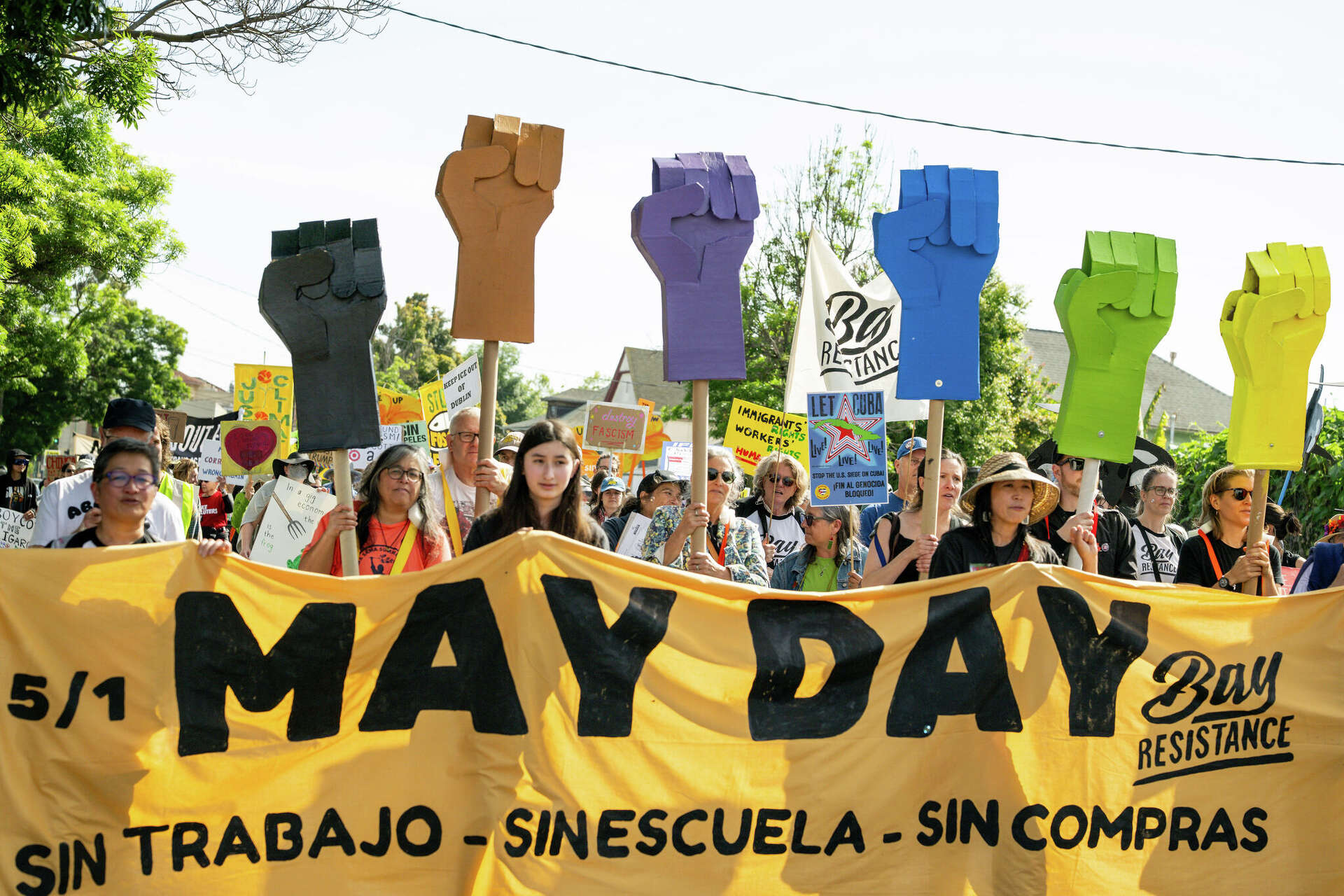
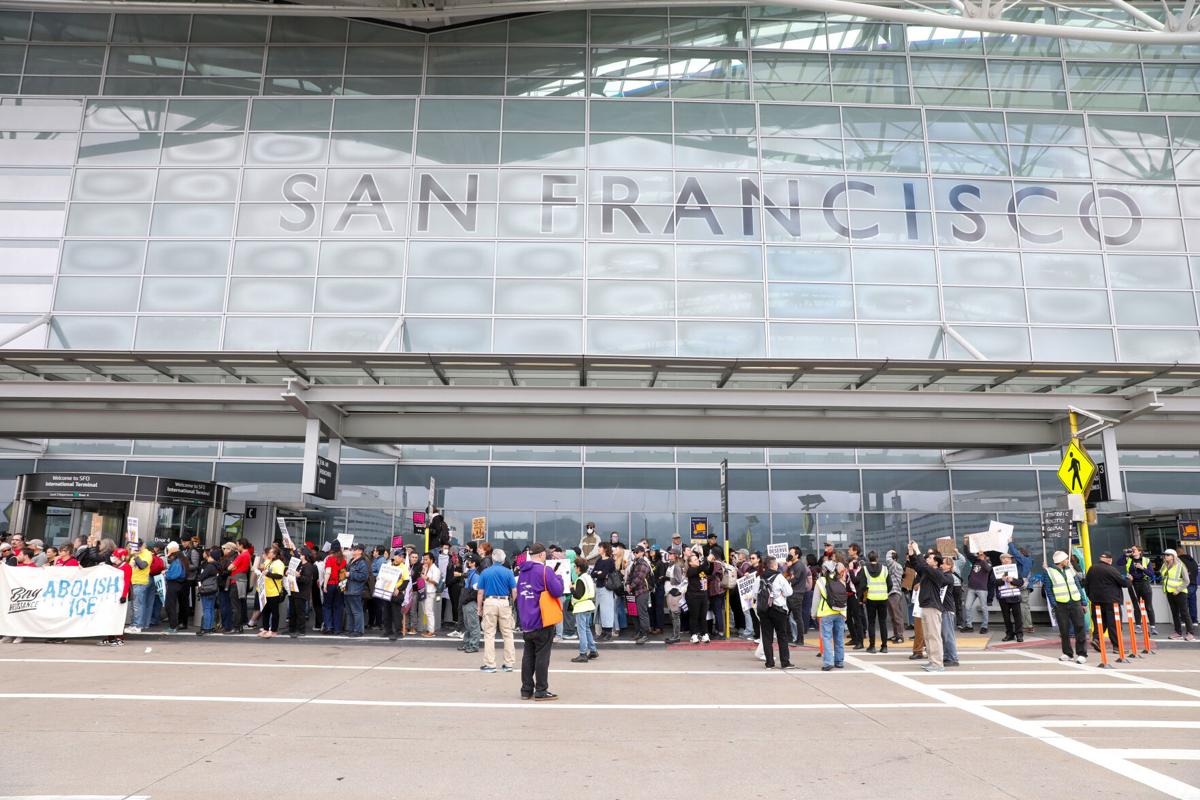
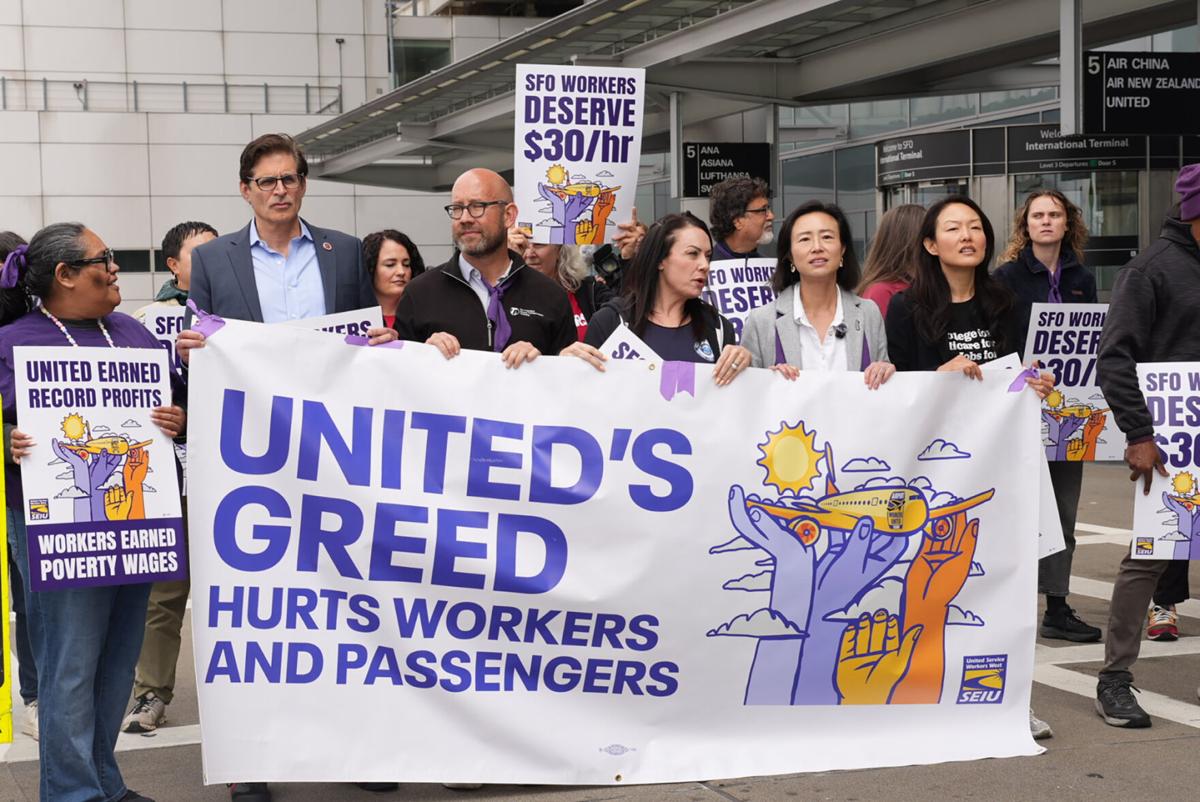
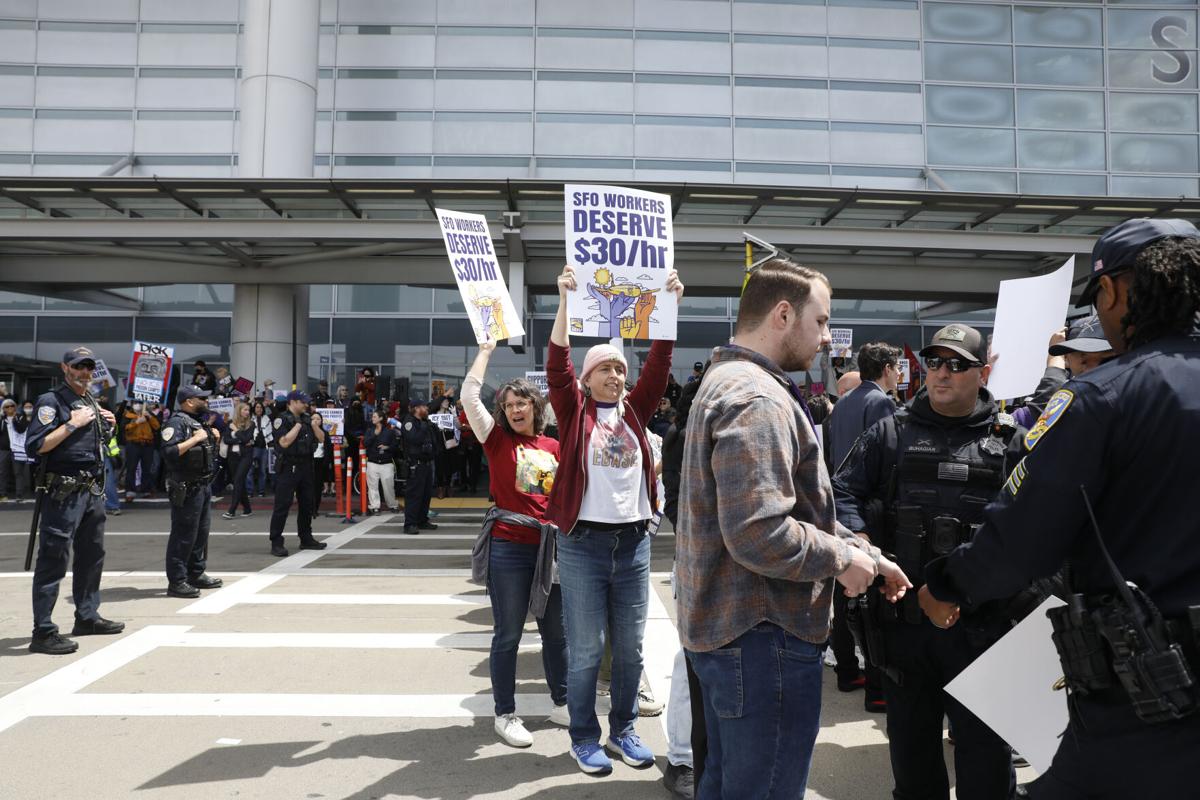
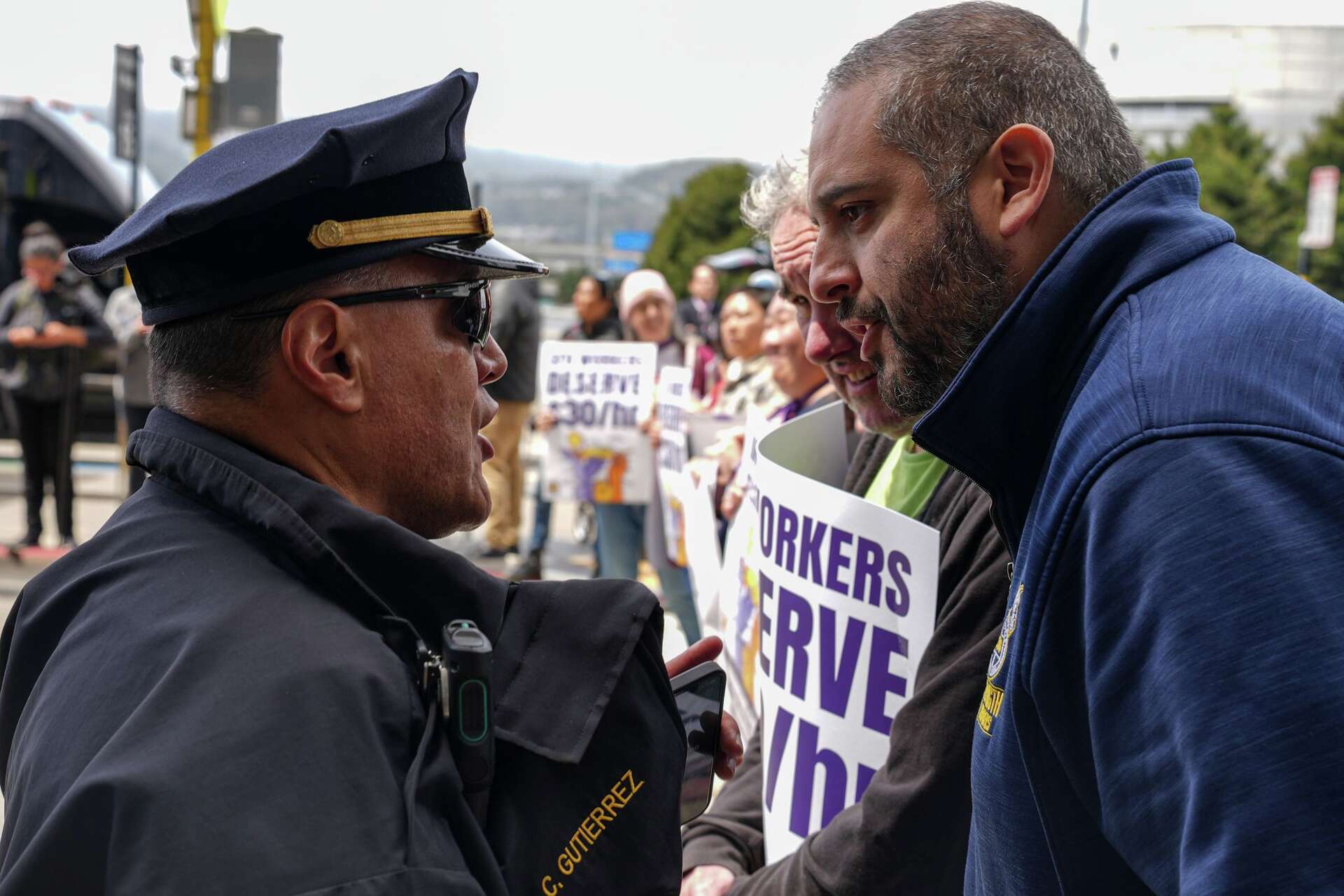
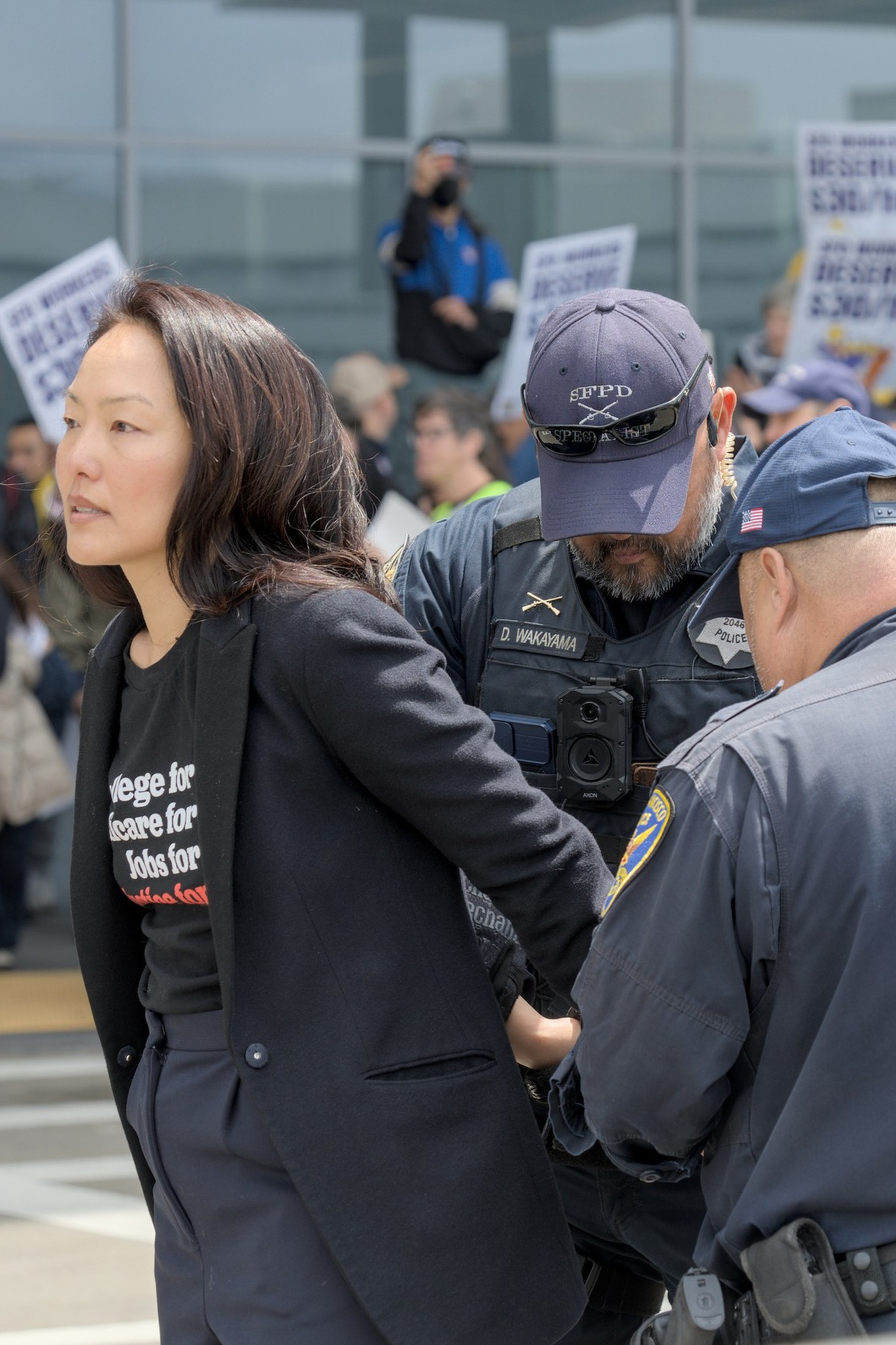
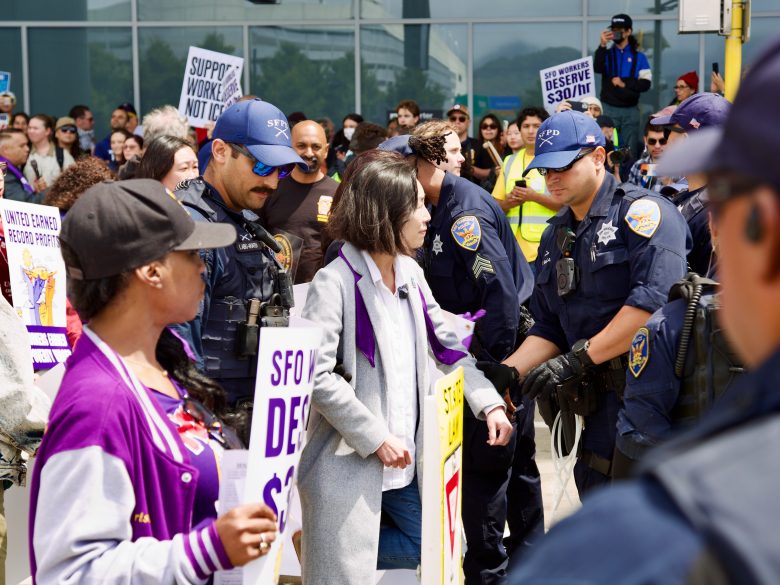
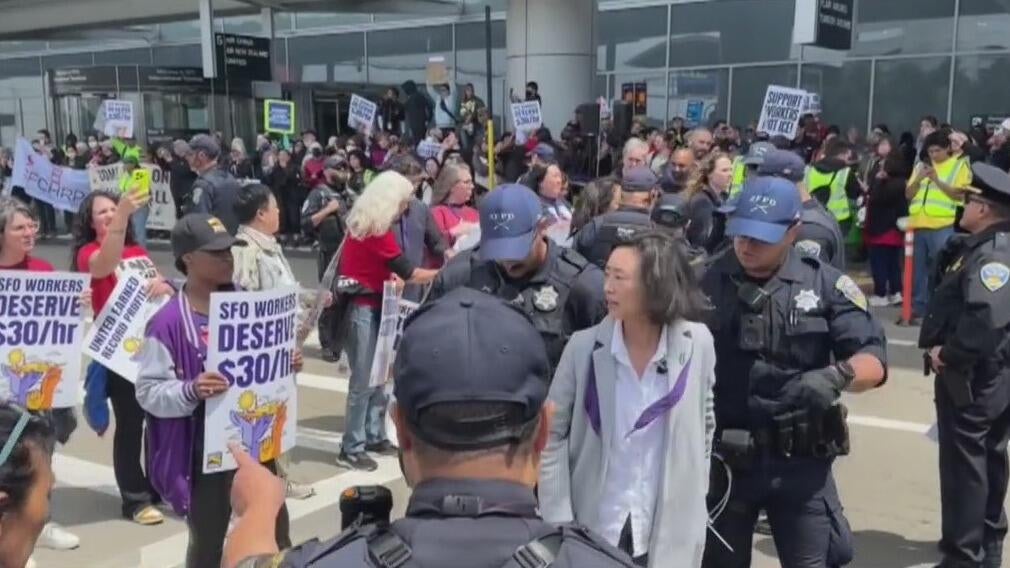
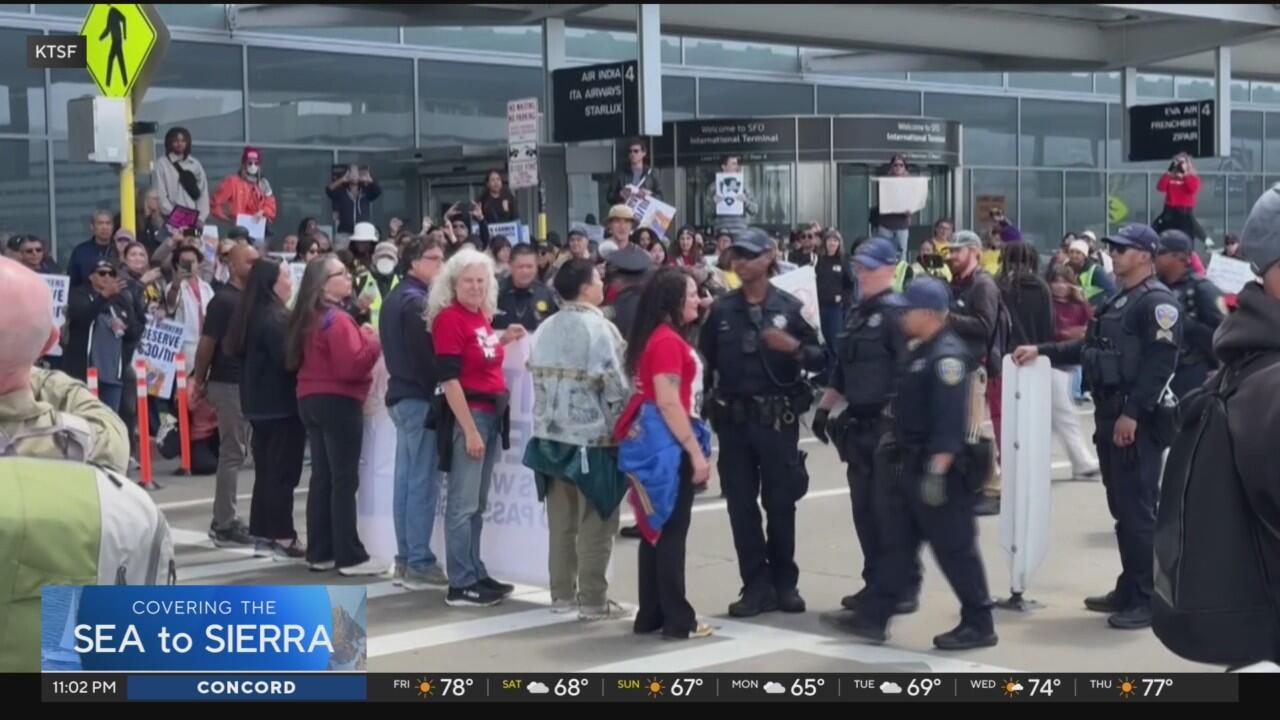
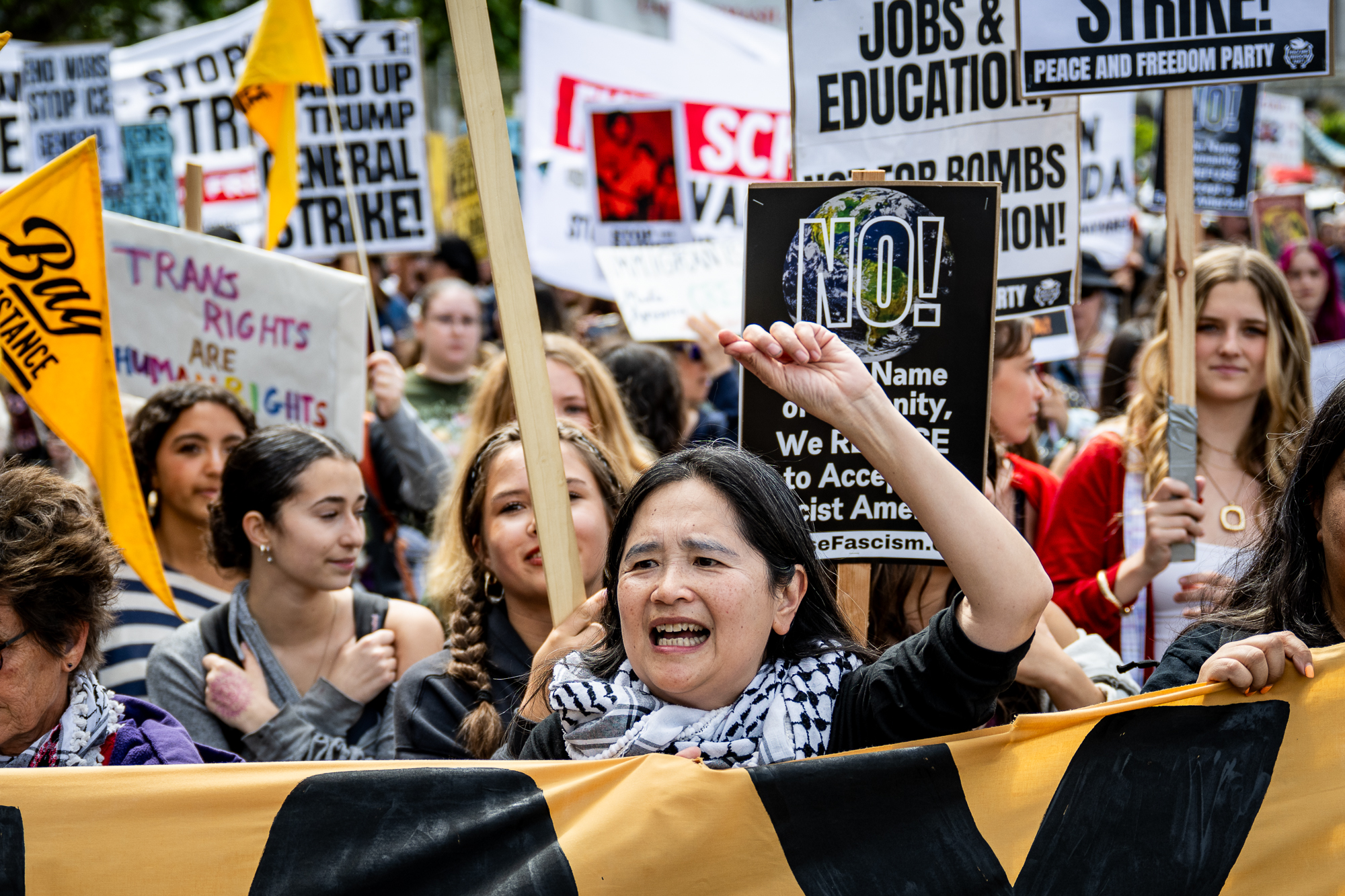
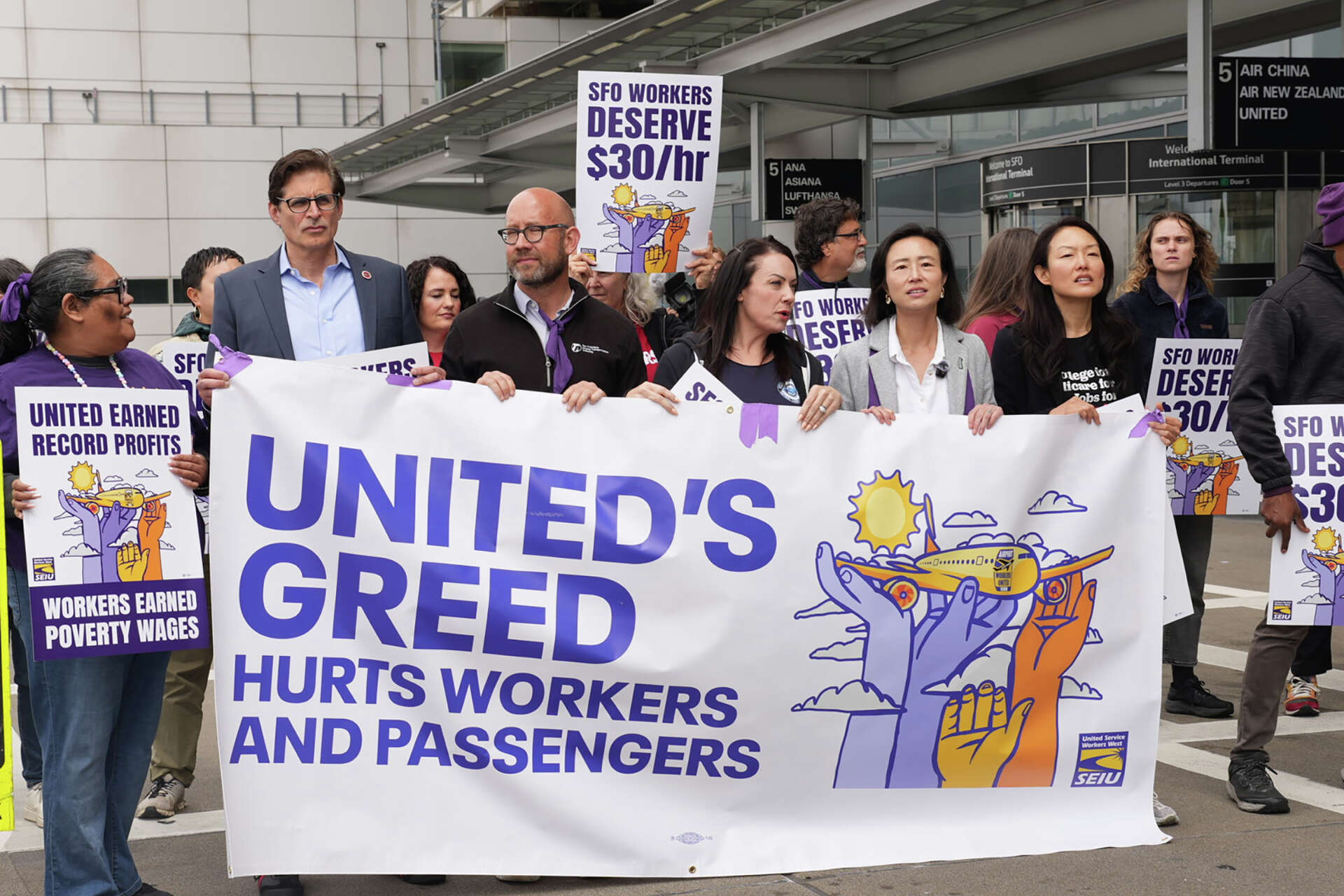
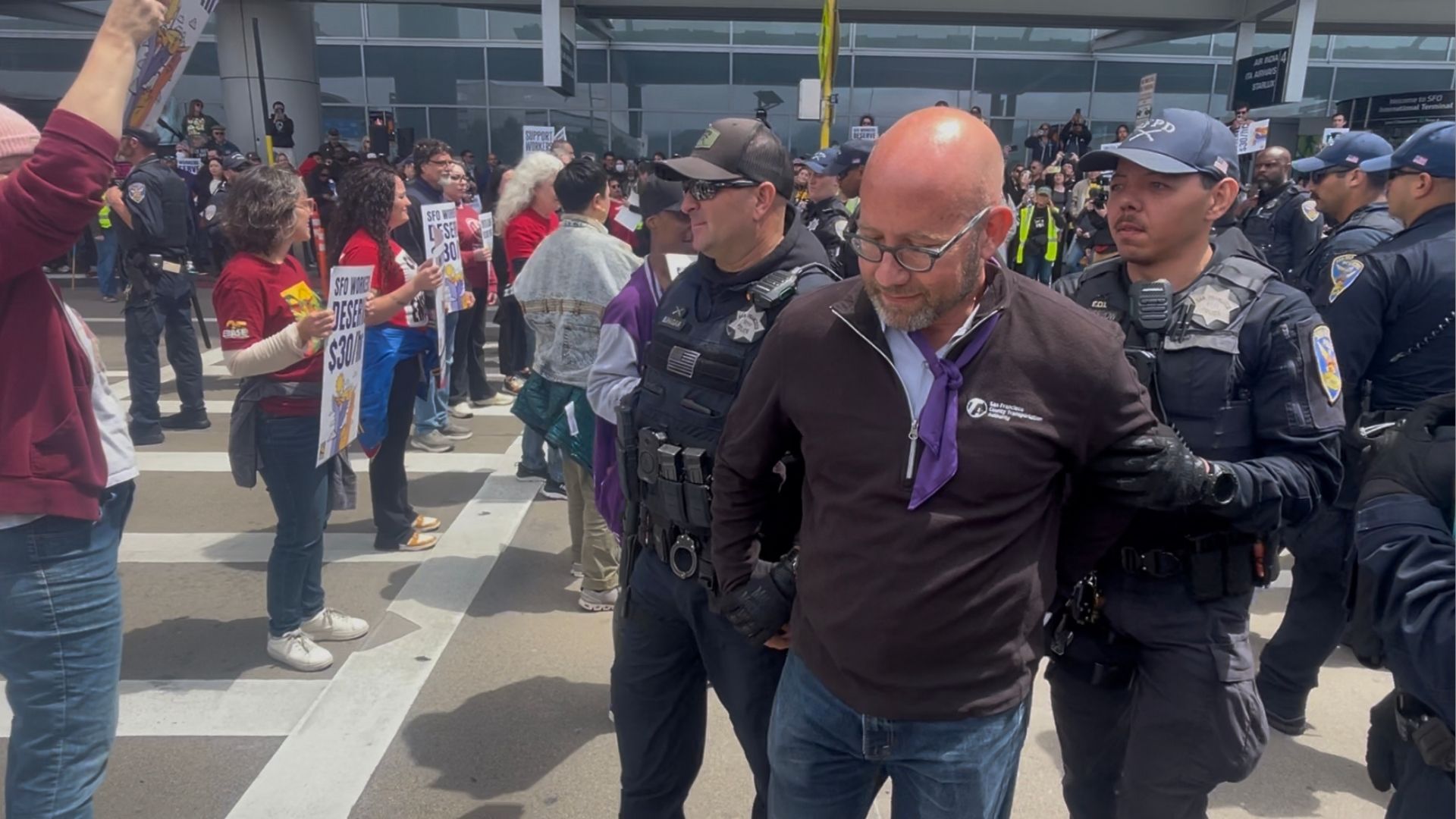
Bay Area labor activism is intensifying supply chain cost pressures for e-commerce sellers relying on San Francisco International Airport logistics infrastructure. On May 1st, 2025-2026, SEIU United Service Workers West organized coordinated protests across the Bay Area demanding a $30 per hour minimum wage for airport service workers (cabin cleaners, baggage handlers, wheelchair attendants), representing a 40-50% increase from current compensation levels. The protests escalated to include 25 arrests of prominent elected officials—State Senator Josh Becker, Board of Supervisors President Rafael Mandelman, and Supervisors Connie Chan and Jane Kim—signaling strong political support for labor demands and increasing likelihood of wage concessions within 12-18 months.
For e-commerce sellers, this creates measurable cost implications across three operational vectors. First, airport ground handling and logistics costs will likely increase 8-15% if wage demands are met, directly affecting sellers using SFO for international fulfillment, 3PL operations, or air freight shipments. Sellers shipping high-value electronics, apparel, or time-sensitive goods via SFO-based carriers (FedEx, UPS, DHL) should anticipate surcharges of $0.50-$2.00 per unit by Q3 2025. Second, regional labor cost inflation extends beyond airport operations—the coordinated protests across Oakland, San Jose, and San Francisco indicate broader wage pressure affecting warehouse workers, delivery personnel, and fulfillment center staff throughout the Bay Area. Sellers operating 3PL facilities or Amazon FBA warehouses in Northern California should budget for 5-8% labor cost increases in 2025-2026. Third, political momentum for sanctuary city policies and ICE enforcement restrictions (highlighted in News 4's March 22 detention incident) may accelerate California labor regulations favoring immigrant worker protections, potentially increasing compliance costs for sellers managing diverse workforces.
Strategic implications for cross-border sellers are significant. The Bay Area represents 12-15% of US e-commerce fulfillment capacity, with SFO handling approximately 2.5M+ international passengers annually and substantial cargo volume. Sellers with inventory concentrated in Northern California 3PLs should diversify fulfillment networks toward Texas, Georgia, or Arizona facilities where labor costs remain 15-20% lower. Sellers shipping internationally via SFO air freight should lock in carrier rates before Q2 2025 and consider shifting to ocean freight for non-urgent shipments. Additionally, the political visibility of these protests—with state-level elected officials participating—suggests California may implement sector-specific wage floors or labor protections within 18-24 months, creating compliance requirements for sellers managing Bay Area operations.
Questions 8
What's the risk of supply chain disruptions from future SFO protests?
SEIU leadership indicated 'additional actions are possible if negotiations do not progress,' suggesting potential work slowdowns, strikes, or expanded protests. Historical precedent: 2002 West Coast port lockout cost $1B daily in disruptions. While full airport strikes are unlikely (federal law restricts TSA employee strikes), ground handling slowdowns could delay cargo processing 24-72 hours. Sellers should build 5-7 day buffer into international shipment timelines and maintain 15-20% safety stock for fast-moving SKUs. Monitor SEIU announcements and SFO labor news monthly. Consider diversifying to Oakland International Airport (OAK) or Los Angeles International (LAX) for backup capacity.
How should I adjust pricing strategy for increased logistics costs?
Implement tiered pricing adjustments by Q2 2025: increase international shipping fees 5-8% for air freight, maintain ocean freight pricing (less affected), and add 2-3% to product prices for high-margin categories (electronics, apparel) where customers absorb costs. For Amazon FBA sellers, expect fulfillment fee increases 3-5% by mid-2025; adjust pricing to maintain 30-35% net margins. Monitor competitor pricing weekly—sellers who raise prices first gain advantage before cost increases become industry-wide. Use dynamic pricing tools (Repricing software) to optimize margins as costs change. For Shopify/WooCommerce sellers, implement shipping cost calculators that reflect real-time carrier rates.