





Zambia Conference Cancellation Signals Geopolitical Risk for Cross-Border Event Commerce
- 3,700+ international delegates lose travel/accommodation bookings; reveals supply chain vulnerability for event-dependent sellers in African markets











Overview
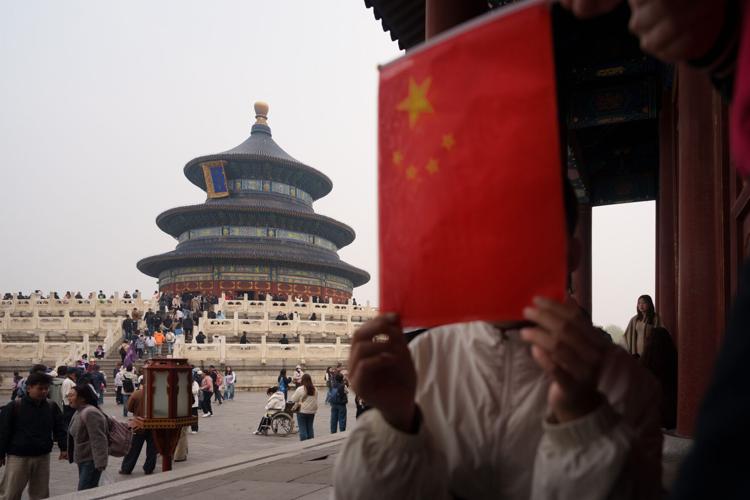
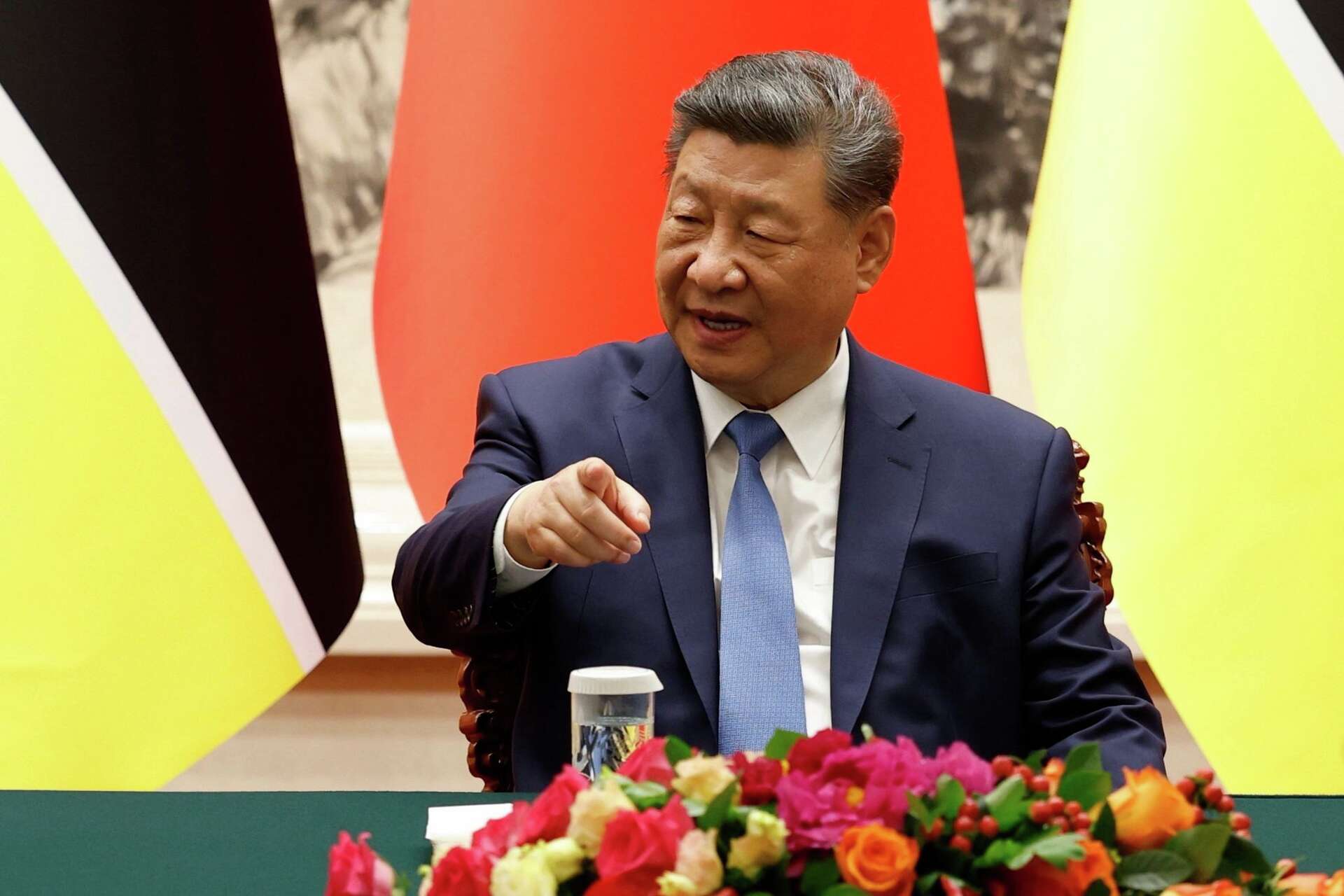
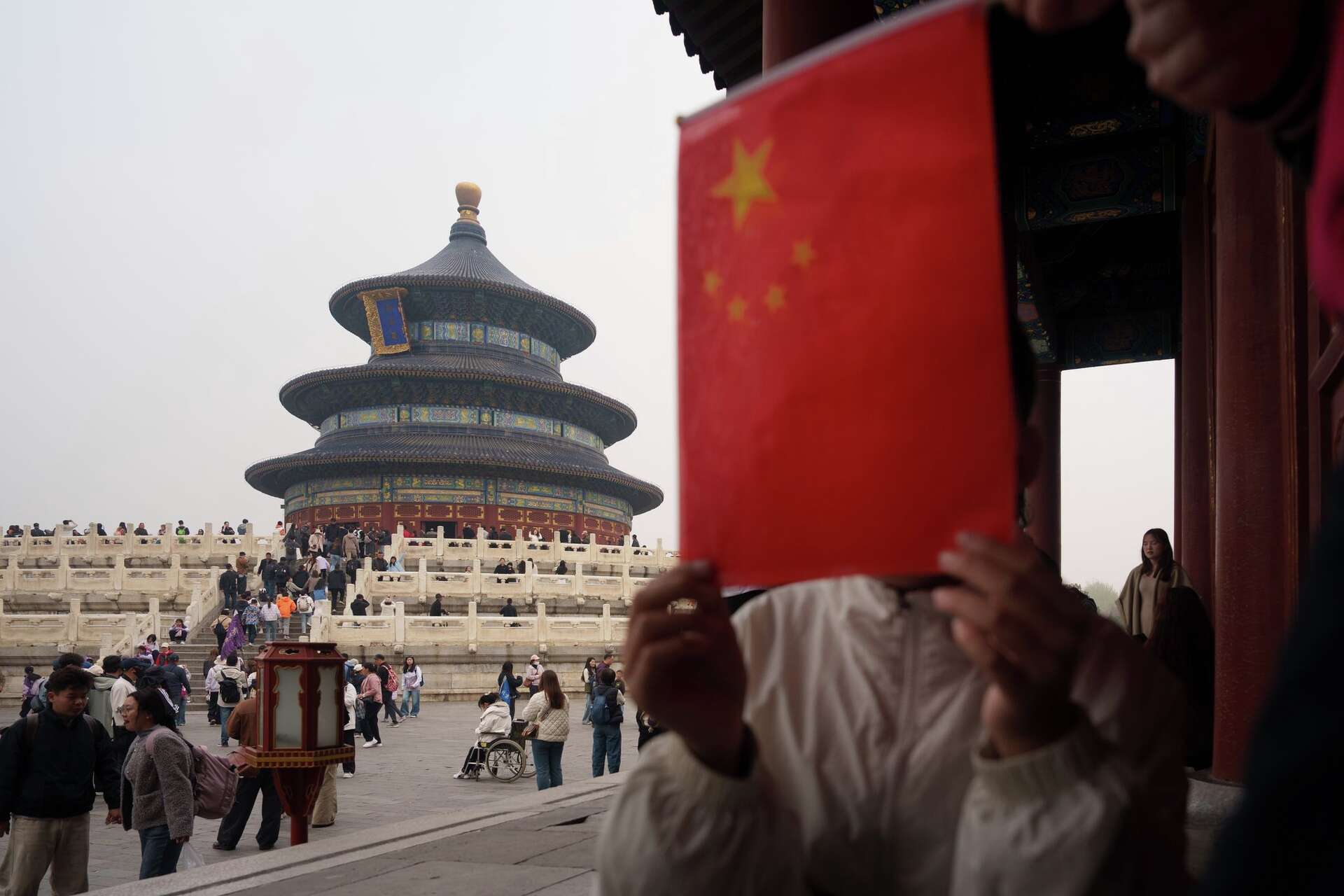
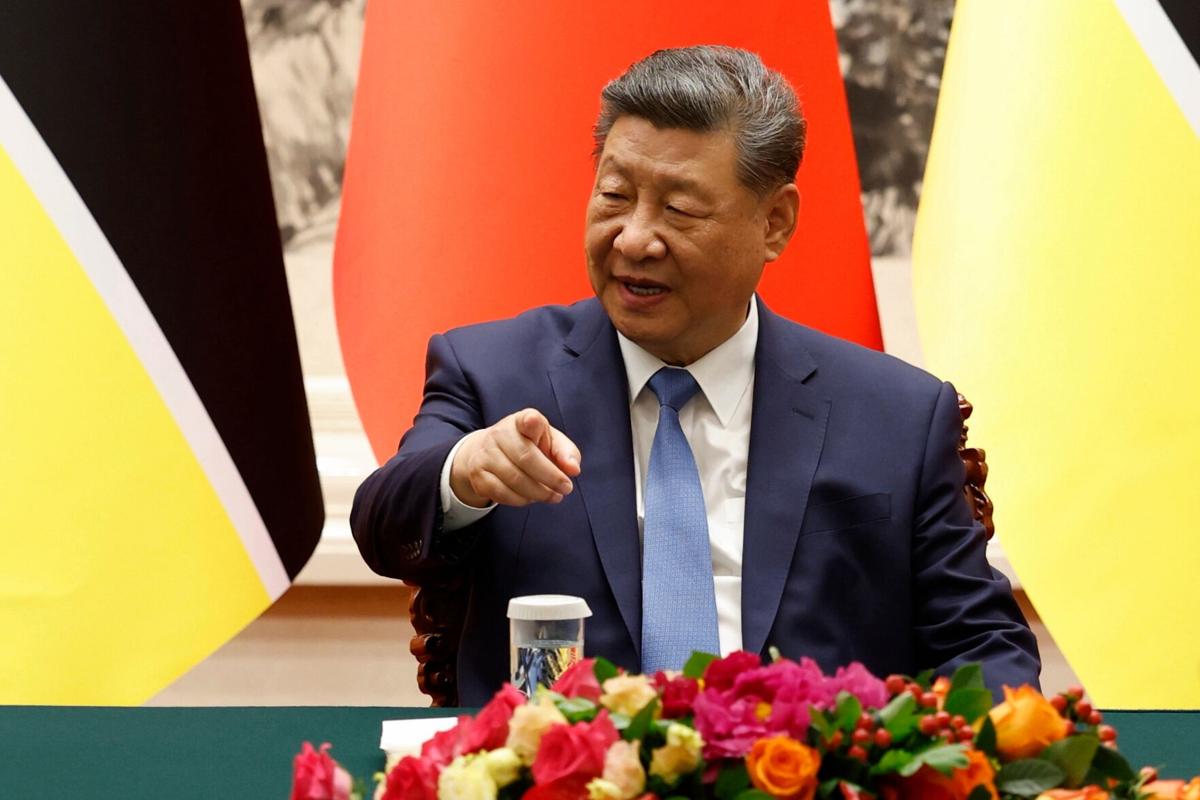
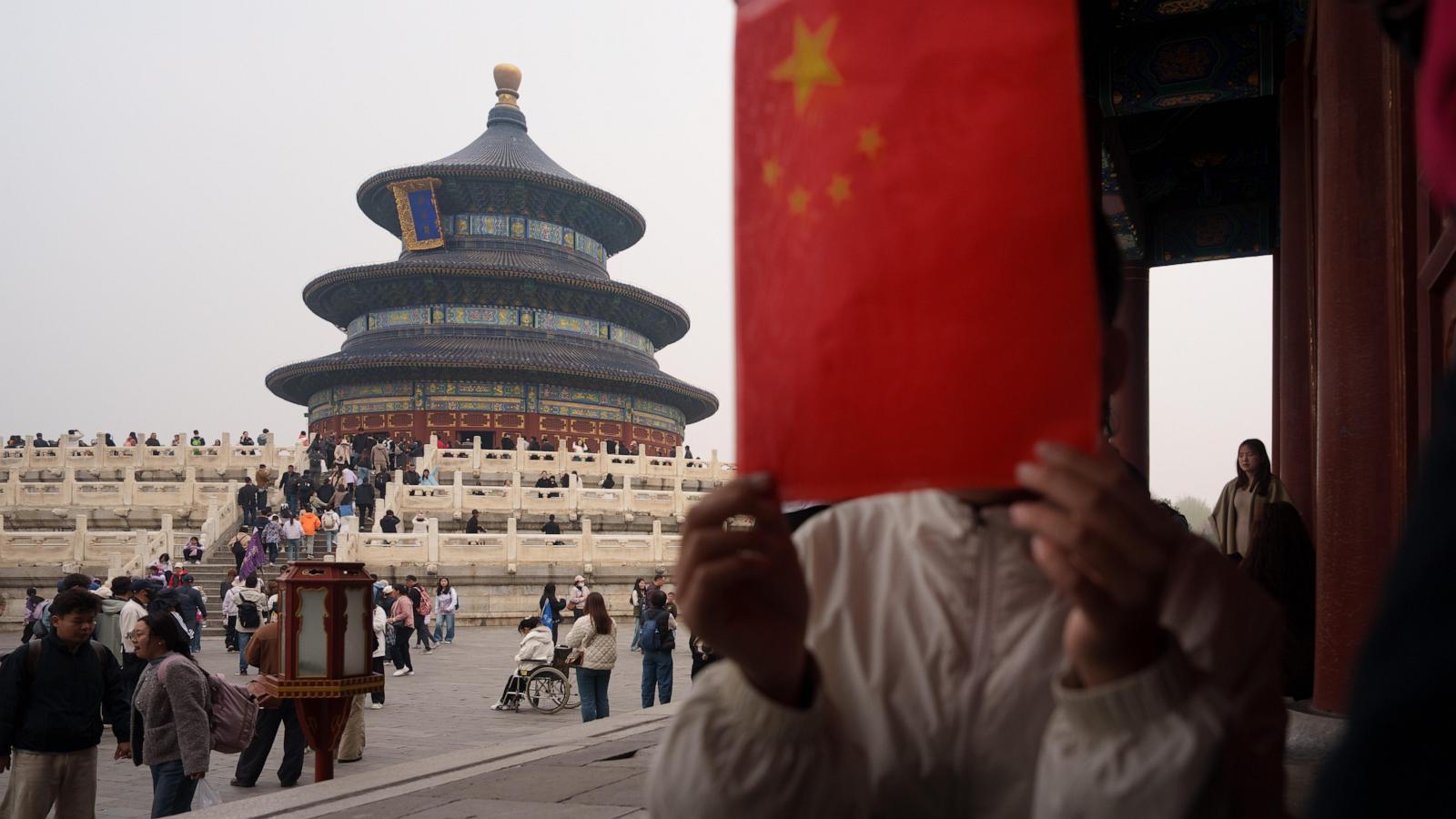
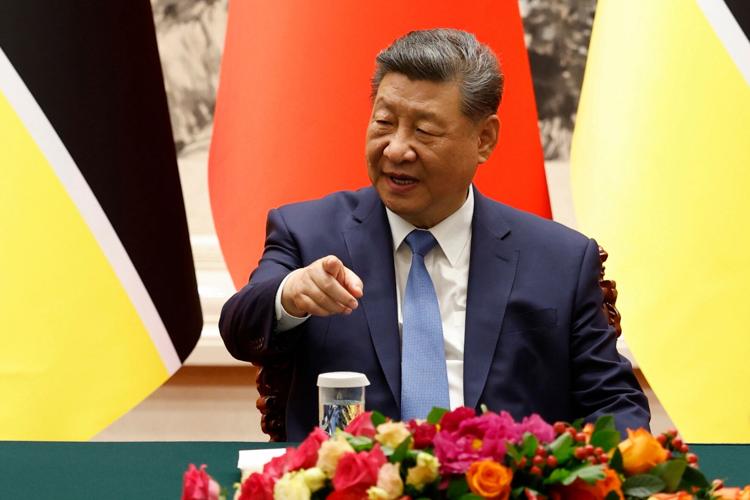
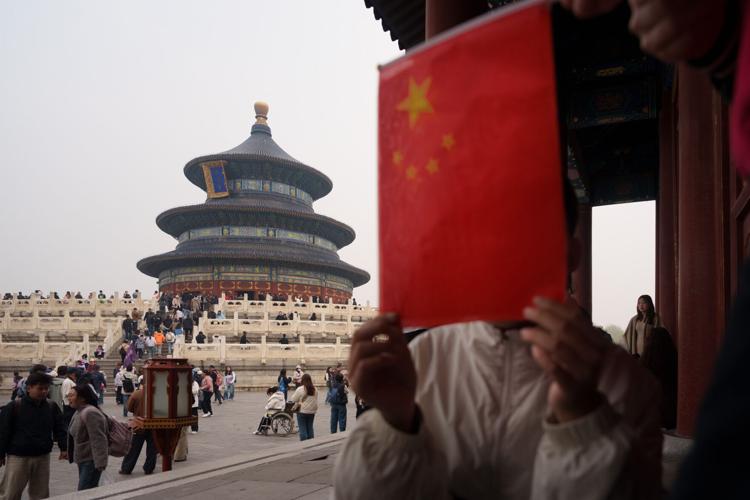
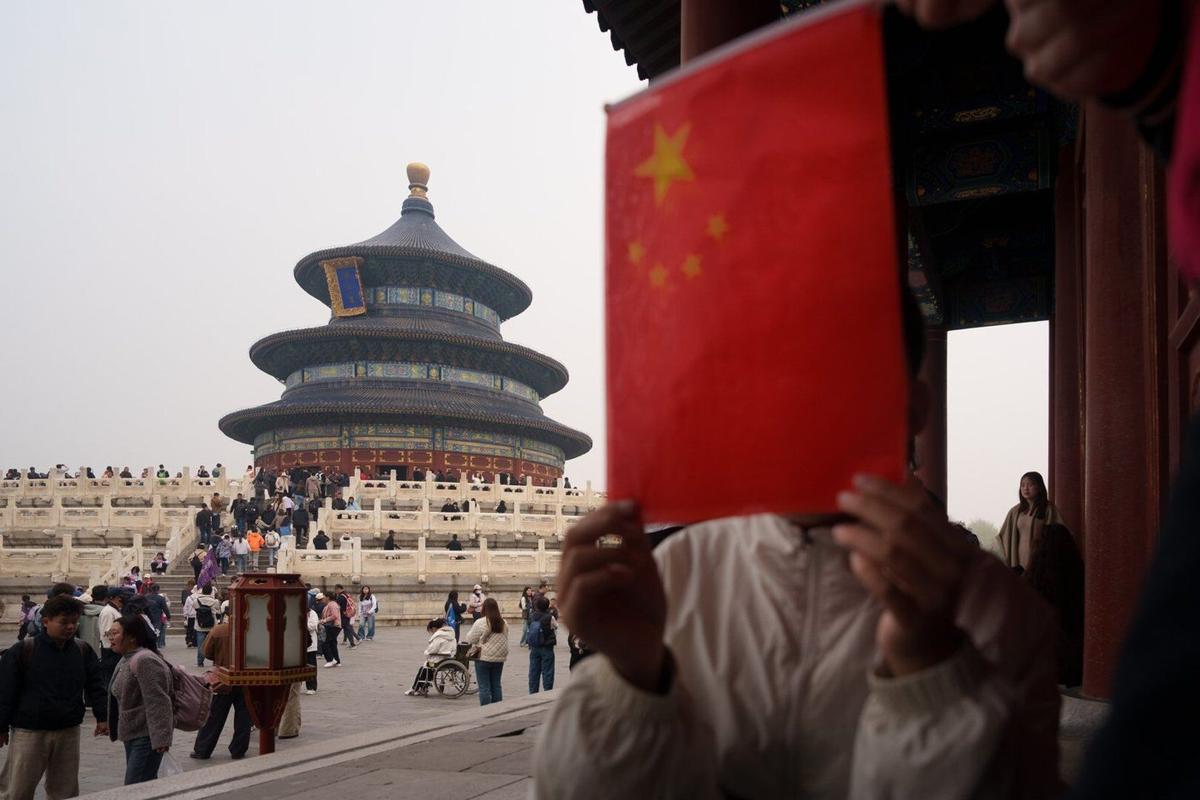
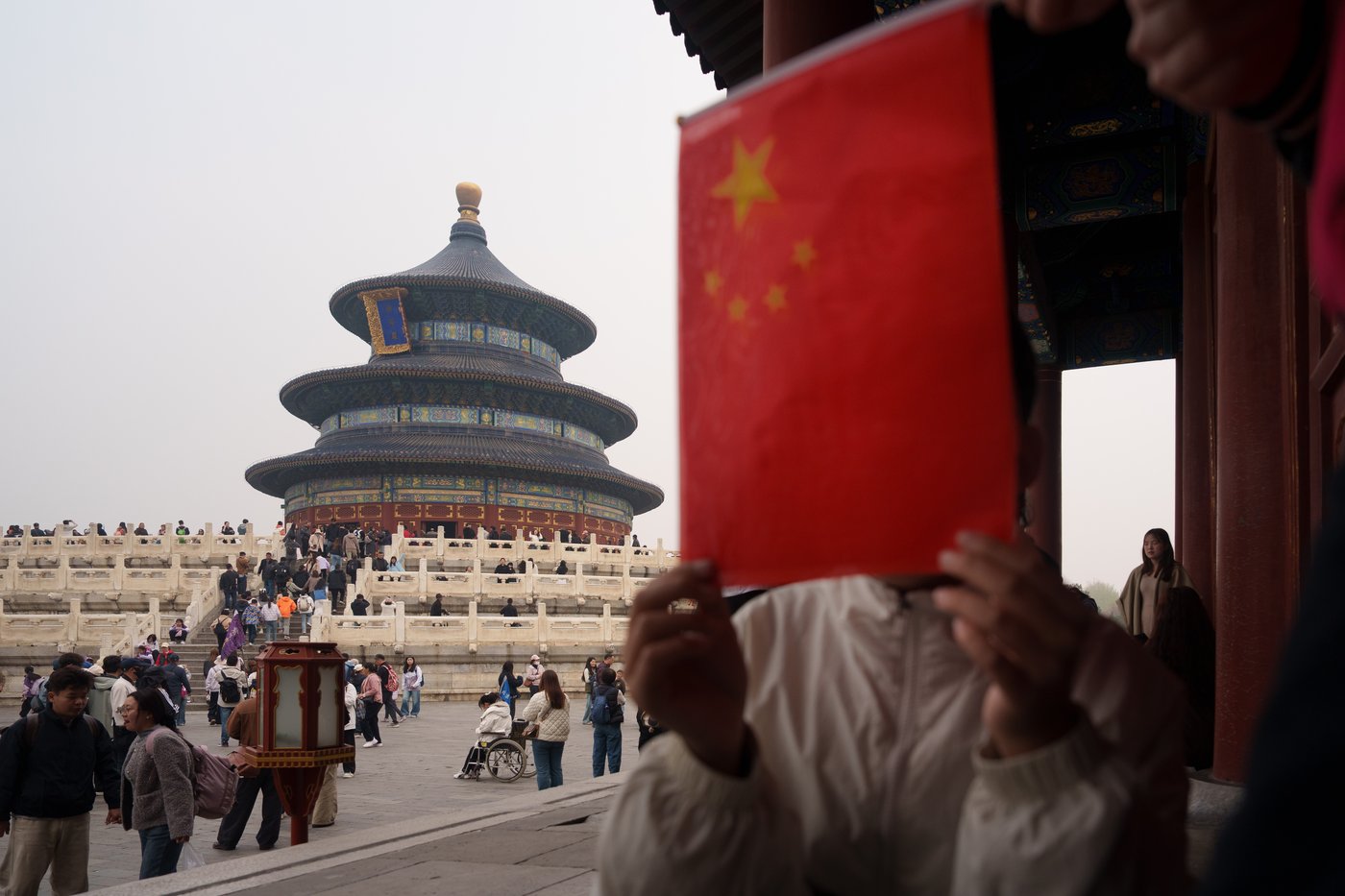
The cancellation of RightsCon 2026 in Zambia just days before its May 5-8 start represents a critical case study in geopolitical risk affecting cross-border event commerce and digital marketplace operations. The summit, expected to attract 3,700+ participants (2,600 in-person, 1,100 online) from 150+ countries, was canceled after Chinese government pressure on Zambia to exclude Taiwanese delegates—demonstrating how political interference directly disrupts international travel, accommodation, and event-related e-commerce transactions worth an estimated $8-12M in ancillary spending.
For cross-border sellers, this incident reveals three operational vulnerabilities: First, event-dependent commerce (travel packages, accommodation, event merchandise, conference materials) faces sudden cancellation risk in geopolitically sensitive regions. Sellers who had positioned inventory for the 3,700-person gathering—including conference badges, promotional merchandise, tech accessories, and hospitality products—faced immediate write-offs and logistics costs. Second, the cancellation demonstrates how government-level political pressure can override contractual commitments, affecting sellers' ability to rely on confirmed event calendars for inventory planning. Third, the incident highlights risks for sellers operating in African markets where Chinese economic influence (particularly mining interests in Zambia) creates unpredictable policy environments.
The broader market context shows escalating geopolitical tensions affecting commerce: Taiwan reported simultaneous pressure on Madagascar, Mauritius, and Seychelles to deny airspace access to President Lai Ching-te, indicating coordinated efforts to restrict Taiwan-related activities across Africa. This pattern suggests sellers should expect increased event cancellations, travel restrictions, and market access challenges in regions where China exercises economic leverage. The RightsCon cancellation also signals growing restrictions on digital rights discussions—directly impacting sellers of privacy tools, VPN services, cybersecurity products, and digital safety merchandise that depend on conferences for B2B networking and market validation.
Operational implications for sellers: Event-dependent product categories (conference merchandise, travel accessories, tech gadgets for business travelers) face demand volatility in politically unstable regions. Sellers should diversify event exposure across multiple geographies, implement cancellation insurance for inventory positioned for major conferences, and monitor geopolitical tensions affecting African markets. The incident also creates opportunities for sellers offering alternative event solutions—virtual conference platforms, digital merchandise delivery, and online networking tools that bypass geographic restrictions.
Questions 8
What opportunities emerge from conference cancellations for alternative service providers?
The RightsCon cancellation creates demand for virtual conference platforms, digital merchandise delivery systems, and online networking tools that bypass geographic restrictions. Sellers offering alternative event solutions—including virtual booth services, digital conference merchandise, and online networking platforms—can capture market share from traditional event commerce. The incident demonstrates growing demand for decentralized event models that don't depend on single geographic locations. Sellers should consider developing hybrid event solutions that combine in-person and virtual components to reduce geographic and political risk.
How does Taiwan-China tension affect seller operations in African markets?
The RightsCon cancellation reflects broader Taiwan-China tensions affecting African commerce. Taiwan reported simultaneous pressure on Madagascar, Mauritius, and Seychelles to restrict travel and airspace access, indicating coordinated efforts to limit Taiwan-related activities across the continent. Sellers with Taiwan-based suppliers or Taiwan-focused product lines should monitor these geopolitical tensions, as they may face market access restrictions in Chinese-influenced African nations. The incident suggests sellers should diversify supplier bases and maintain contingency sourcing from non-Taiwan origins for products sold in politically sensitive African markets.