


Strait of Hormuz Shipping Crisis & US-Germany Troop Withdrawal | Critical Supply Chain Impact for Cross-Border Sellers
- Vessel traffic through Strait of Hormuz collapsed 95% (3,000 to 154 monthly), driving 15-25% freight rate increases for Asia-sourced goods; 5,000 US troops withdrawing from Germany signals NATO logistics restructuring affecting European fulfillment hubs















Overview
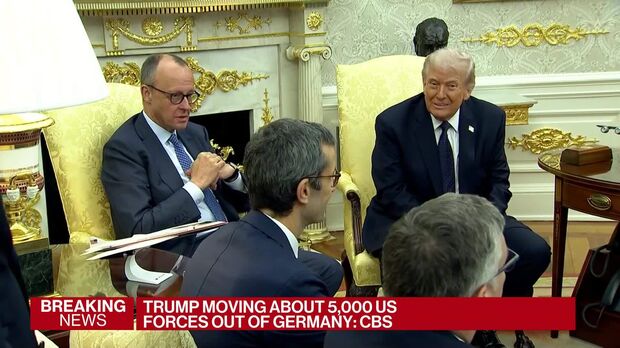
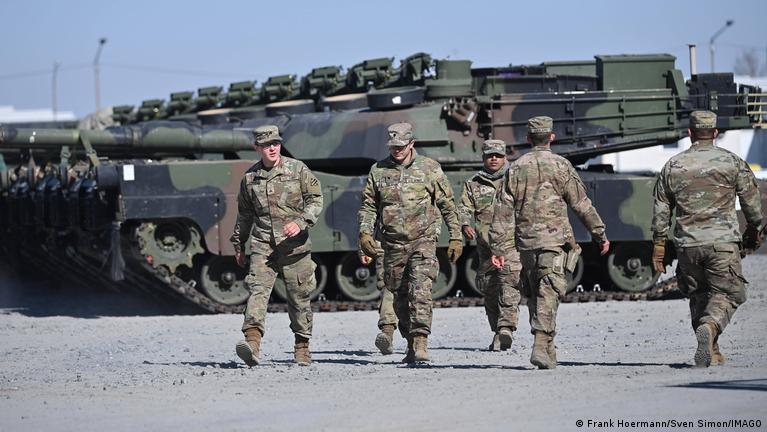
The convergence of two geopolitical events is creating a critical supply chain crisis for cross-border e-commerce sellers: the Strait of Hormuz shipping paralysis and US military restructuring in Europe. According to Kpler data, vessel traffic through the Strait collapsed from 3,000 monthly transits (pre-February 2025) to just 154 in March 2025—a 95% decline. Simultaneously, the Pentagon announced withdrawal of 5,000 US troops from Germany (15% of the 36,436-person presence), with additional reductions threatened in Italy and Spain.
For e-commerce sellers, this creates dual supply chain shocks. The Strait of Hormuz crisis directly impacts logistics costs: reduced shipping capacity through this critical chokepoint increases freight rates 15-25% for goods sourced from Asia and the Middle East. Sellers importing electronics (HS codes 8471-8517), textiles (HS 5208-6305), and machinery face extended lead times of 3-6 weeks as shipping companies reroute around the Strait via longer African routes. OFAC sanctions warnings to shipping companies create compliance risks—sellers using affected logistics providers risk transaction freezes and penalties up to $250,000 per violation.
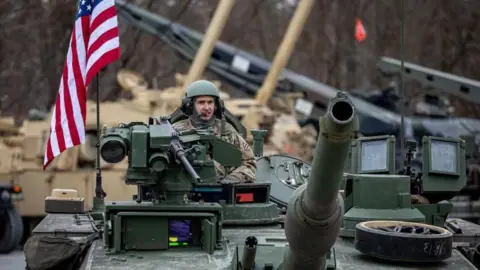
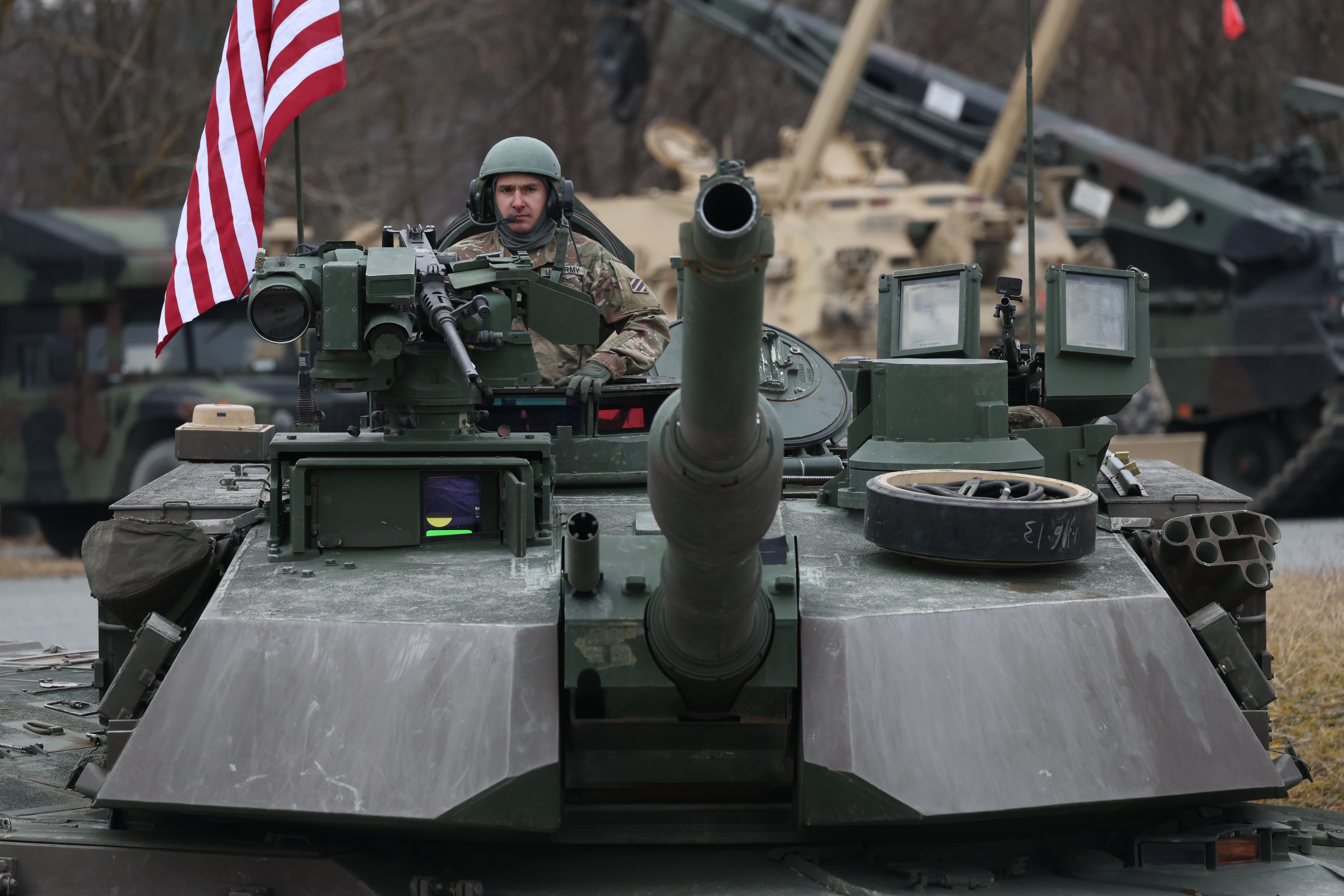
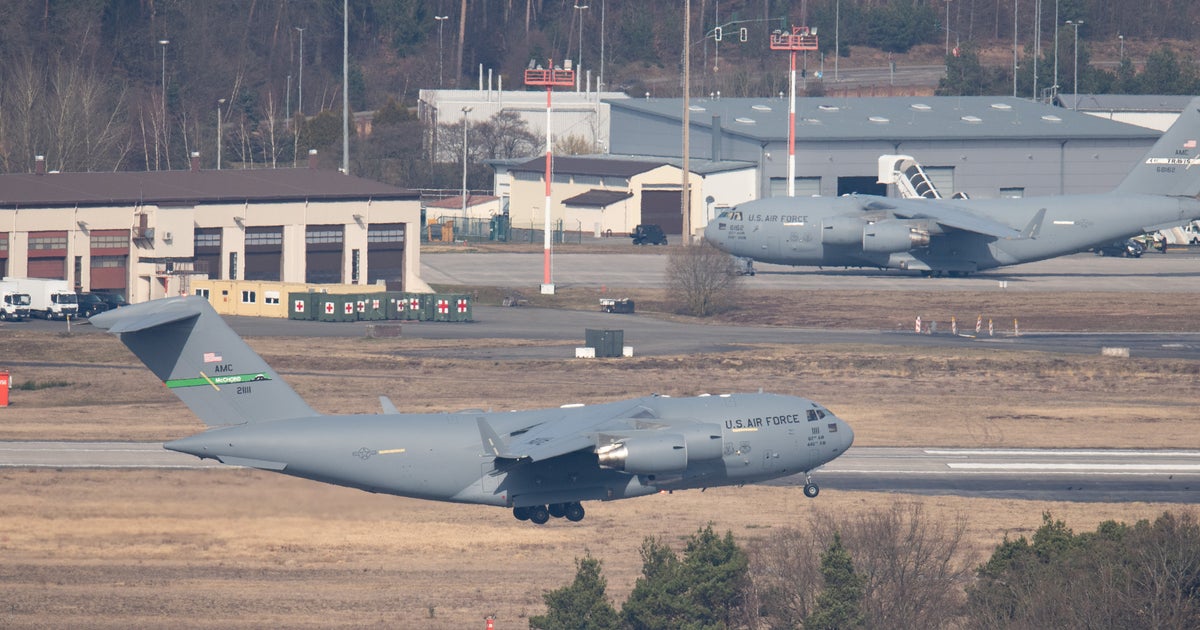
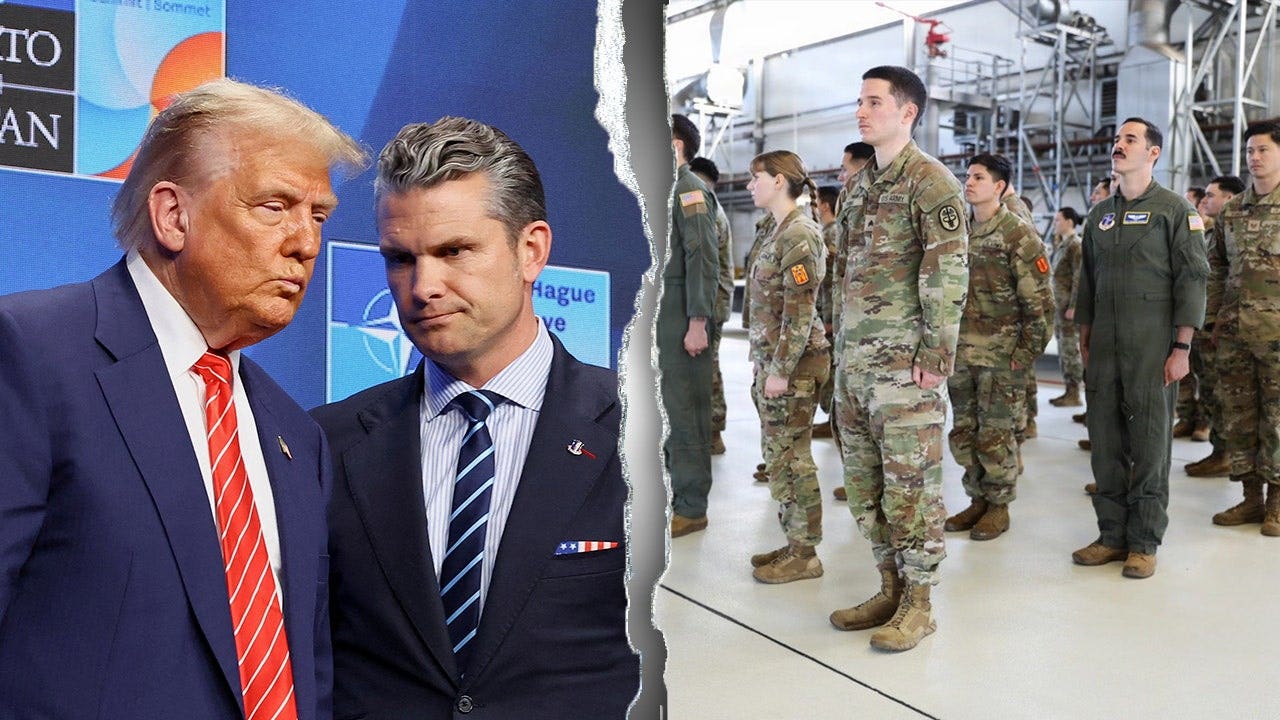
The Germany troop withdrawal compounds these challenges by destabilizing European logistics infrastructure. Landstuhl, Germany hosts 50,000 US military personnel and their families, representing a concentrated consumer market for American-branded goods and military-adjacent products. The withdrawal threatens local supplier networks that feed into broader European fulfillment operations. Germany's Ramstein Air Base serves as headquarters for US Air Forces in Europe, meaning the withdrawal signals potential restructuring of US military logistics hubs that indirectly support commercial shipping coordination and customs clearance efficiency.
Immediate seller impacts by category: Electronics sellers face 20-30% cost increases on Asia-sourced inventory; textile/apparel sellers see 3-4 week delays on China/Vietnam shipments; automotive parts sellers (HS 8708) experience supply chain fragmentation. Sellers reliant on just-in-time inventory models face critical stock-outs. The situation remains unresolved with ongoing negotiations stalled, suggesting 6-12 month duration for elevated freight costs.
Strategic opportunity window: Sellers can exploit tariff arbitrage by shifting sourcing to Vietnam, India, and Indonesia (which bypass Strait routing via alternative ports), negotiate long-term freight contracts before rates stabilize, and diversify fulfillment to Eastern European hubs outside the Germany restructuring zone. The 60-day congressional authorization deadline (late April 2025) creates a policy resolution window—if negotiations succeed, freight rates could normalize within 30-60 days.
Questions 8
How does the US troop withdrawal from Germany affect European fulfillment operations?
The Pentagon's withdrawal of 5,000 US troops from Germany (15% of the 36,436-person presence) destabilizes the Landstuhl region, which hosts 50,000 military personnel and families—a concentrated consumer market. More critically, Germany's Ramstein Air Base serves as headquarters for US Air Forces in Europe, and the withdrawal signals potential restructuring of US military logistics hubs that indirectly support commercial shipping coordination and customs clearance efficiency. Sellers using German-based 3PL providers should assess whether their fulfillment partners depend on military logistics infrastructure. Consider diversifying to fulfillment centers in Poland, Czech Republic, or Netherlands to reduce exposure to Germany-specific disruptions.
Which product categories face the biggest supply chain impact from these geopolitical events?
Electronics (HS codes 8471-8517), textiles/apparel (HS 5208-6305), and machinery (HS 8401-8484) face the steepest impacts. Electronics sellers see 20-30% cost increases on Asia-sourced inventory with 3-6 week delays. Textile/apparel sellers experience 3-4 week delays on China/Vietnam shipments. Automotive parts sellers (HS 8708) face supply chain fragmentation. Sellers reliant on just-in-time inventory models are most vulnerable to stock-outs. Conversely, sellers of domestically-sourced or nearshored products (Mexico, Central America) gain competitive advantage. Evaluate your product mix and consider shifting 20-30% of sourcing to Vietnam, India, or Indonesia to bypass Strait routing.