



Middle East Geopolitical Instability | Supply Chain & Logistics Risk for Cross-Border Sellers
- Ongoing Israel-Hezbollah conflict threatens Middle East shipping routes, payment processing, and market access for 50K+ sellers with regional exposure











!role~Preview!mt~photo!fmt~JPEG%20Baseline)
Overview
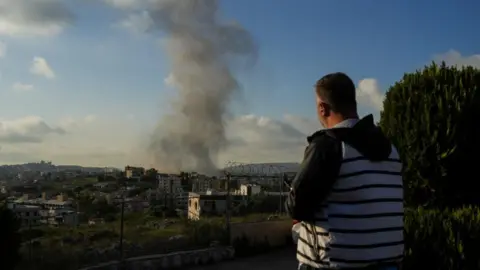
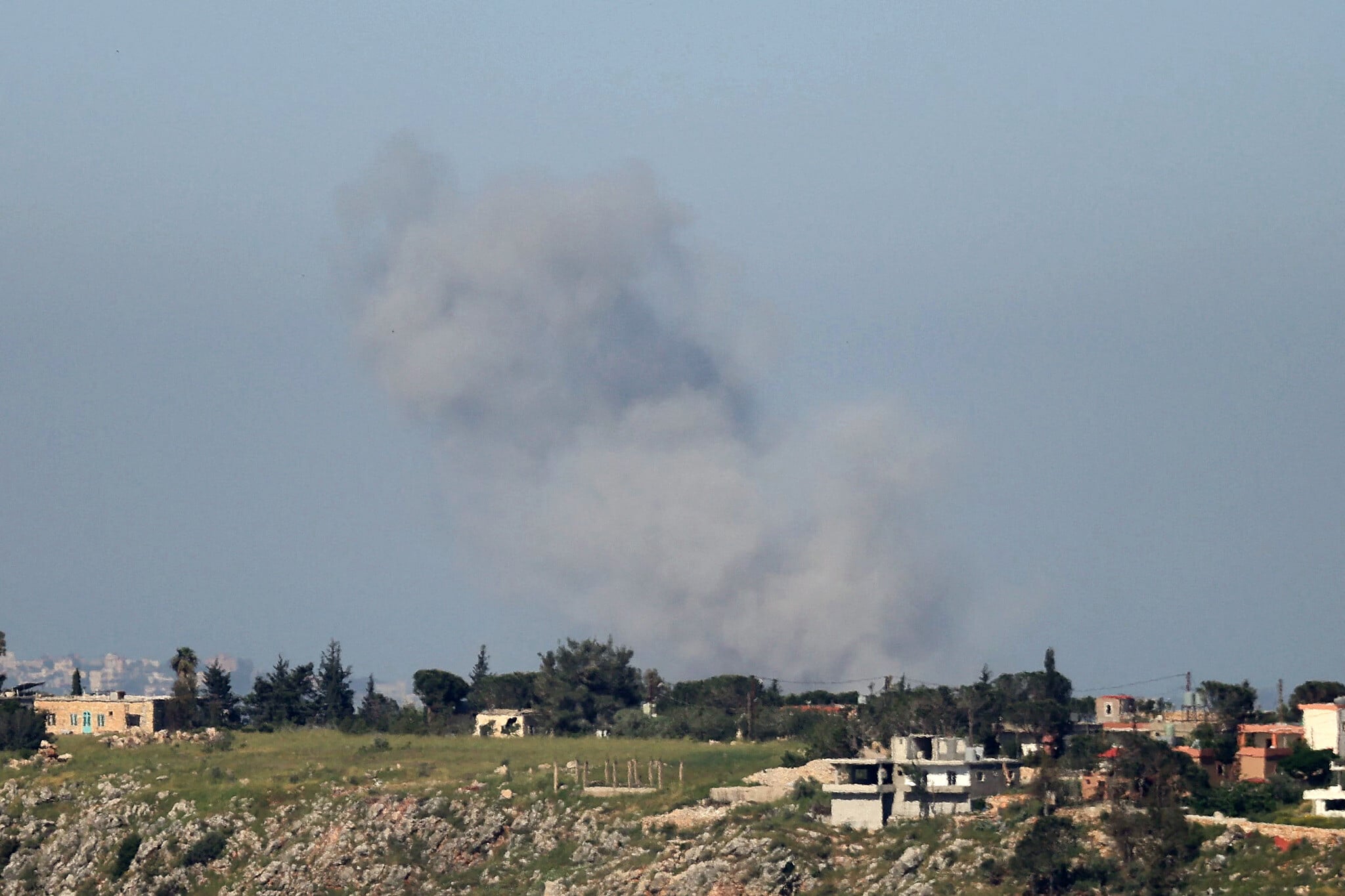
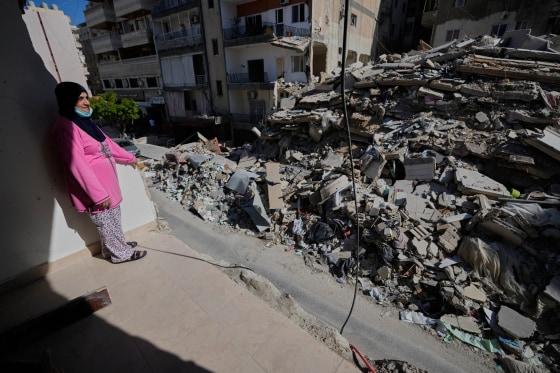
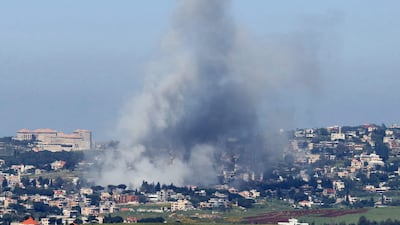
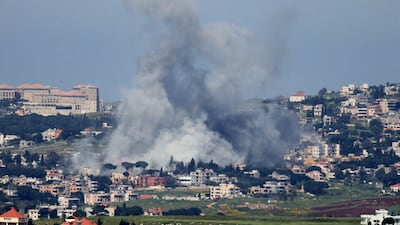
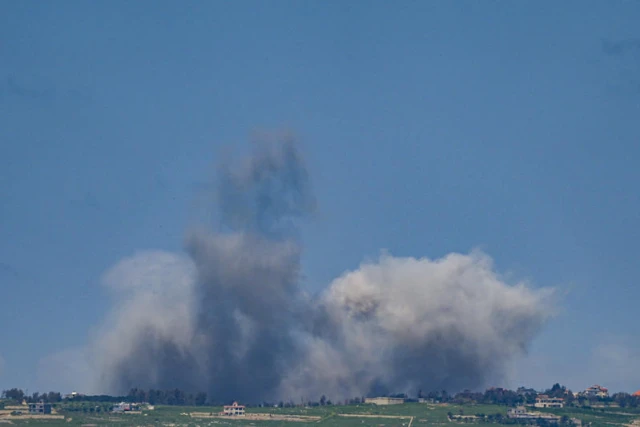
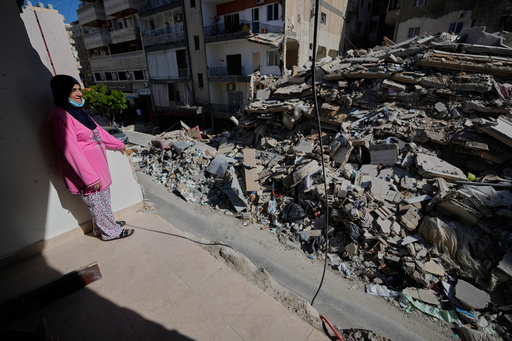
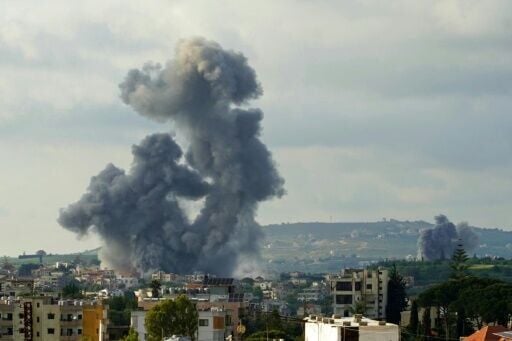
The fragile ceasefire between Israel and Hezbollah, established April 17, 2026, continues deteriorating with daily violations and escalating casualties, creating significant operational risks for cross-border e-commerce sellers. News reports document 2,659+ deaths and 8,183+ injured since March 2, 2026, with over 1 million displaced Lebanese civilians. The conflict has expanded from southern Lebanon to broader regional instability, directly impacting logistics networks, payment processing infrastructure, and market accessibility for sellers operating in or shipping to the Middle East.
For cross-border sellers, this geopolitical crisis presents three critical operational challenges. First, logistics disruption: Regional shipping routes through the Suez Canal and Middle Eastern ports face increased security risks, potentially adding 5-15 days to transit times and 8-12% to shipping costs for sellers routing inventory through affected corridors. Sellers with 3PL providers in Lebanon, Israel, or surrounding countries face facility closures, staff displacement, and supply chain interruptions. Second, payment processing complications: Regional financial institutions, particularly Lebanese banks, experience operational constraints due to conflict-related infrastructure damage and international sanctions considerations. Sellers accepting payments from Israeli or Lebanese customers may encounter processing delays, currency volatility (Lebanese pound depreciation exceeding 90% since 2019), and compliance challenges with international payment gateways. Third, market access restrictions: The conflict creates de facto market closures in affected regions. Sellers targeting Israeli or Lebanese consumers face reduced purchasing power (displaced populations), restricted delivery capabilities, and potential platform policy changes regarding conflict-zone operations.
Strategic implications for seller segments vary by exposure level. Sellers with direct Lebanese suppliers or manufacturing partnerships face immediate supply chain disruptions—the conflict has destroyed civilian infrastructure including warehouses and logistics hubs in southern Lebanon. Sellers shipping to Israeli customers experience longer transit times but maintain market access through alternative routes. Sellers with payment exposure to regional financial institutions should monitor currency fluctuations and processing reliability. The broader Middle East region (UAE, Saudi Arabia, Jordan) remains accessible but faces elevated shipping costs due to route diversions around conflict zones. Historical precedent from 2006 Israel-Hezbollah conflict shows regional e-commerce activity declined 30-40% during active conflict phases, with recovery taking 18-24 months post-ceasefire. Current trajectory suggests similar disruption patterns unless ceasefire holds definitively.
Questions 8
What compliance and regulatory risks should sellers monitor regarding Middle East operations?
Sellers must monitor international sanctions developments, particularly regarding Iran-backed entities and Hezbollah-related financial networks. While direct Hezbollah transactions are prohibited, sellers should verify that payment processors and 3PL providers maintain compliance certifications for Middle East operations. The US Treasury OFAC (Office of Foreign Assets Control) maintains sanctions lists; verify customer and supplier names against OFAC databases quarterly. Sellers with Lebanese exposure should implement enhanced due diligence on customer identities and payment sources. Platform policies (Amazon, eBay, Shopify) may implement additional restrictions on conflict-zone sales; monitor seller central announcements weekly. Recommend consulting international trade compliance specialists if operating in Israel or Lebanon. Compliance costs: $2,000-5,000 annually for OFAC screening tools and legal consultation. Non-compliance penalties: $250,000+ per violation plus account suspension.
How should sellers adjust inventory planning for Middle East demand during this conflict?
Reduce inventory commitments to affected regions by 30-40% until ceasefire stabilizes for 90+ consecutive days. Historical conflict data shows 6-12 month demand suppression in conflict zones, with recovery lagging ceasefire by 3-6 months as consumer confidence rebuilds. Shift inventory allocation from Lebanon/Israel to stable Gulf markets (UAE, Saudi Arabia, Kuwait) where demand typically increases 15-20% during regional uncertainty as consumers seek alternative suppliers. Implement weekly demand monitoring through sales dashboards; if regional sales decline >25% month-over-month, accelerate inventory reallocation. Safety stock recommendations: maintain 2-3 weeks for stable markets, reduce to 1 week for conflict-affected regions. Seasonal planning: avoid heavy inventory commitments for Q3-Q4 2026 in affected areas; prioritize Q1 2027 when ceasefire stability can be better assessed. Estimated inventory optimization savings: 15-20% reduction in carrying costs through better regional allocation.