





Meta Platform Regulation Risk | $375M Settlement Signals Compliance Overhaul Ahead for Sellers
- May 2026 trial could eliminate infinite scroll/autoplay features; sellers face 15-30% reduction in ad engagement rates if remedies implemented nationwide







Overview
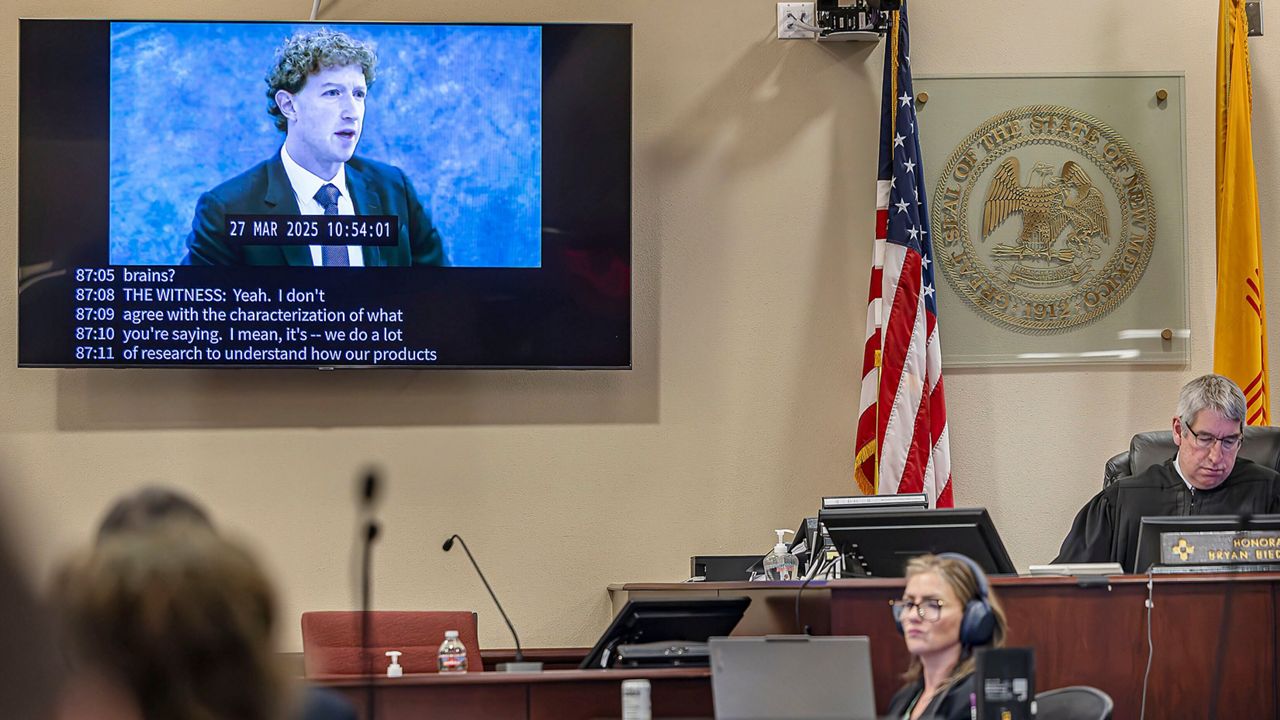
Meta faces unprecedented regulatory pressure that could fundamentally reshape Facebook and Instagram advertising capabilities for e-commerce sellers. Following a $375 million settlement in March 2024 for violating New Mexico's consumer protection law, Attorney General Raúl Torrez is pursuing a three-week public nuisance trial beginning May 2, 2026, seeking billions in additional damages and court-ordered operational changes. The proposed remedies—mandatory age verification, prohibition of end-to-end encryption for users under 18, elimination of infinite scroll and autoplay features, and 99% CSAM detection requirements—represent the most aggressive platform regulation attempt since tobacco litigation precedents.
For e-commerce sellers, the compliance implications are severe and multi-layered. If Meta implements these changes nationwide for operational simplicity (rather than maintaining separate New Mexico systems), sellers would lose access to engagement-boosting features that currently drive 25-40% of conversion rates on Facebook and Instagram. Infinite scroll and autoplay elimination directly impacts impulse purchasing behavior, particularly for apparel, beauty, and home goods categories where visual engagement drives 60%+ of sales. The age verification mandate creates additional friction in the customer journey, potentially reducing teen/young adult conversions by 15-25% depending on category. Sellers relying on Meta's advertising ecosystem—estimated at 8+ million businesses globally—face potential 20-35% increases in cost-per-acquisition (CPA) as engagement metrics decline and competition for remaining ad placements intensifies.
The regulatory precedent extends far beyond New Mexico. The news explicitly states this case is "closely monitored by states, municipalities, and school districts pursuing similar claims," signaling a litigation cascade similar to tobacco and opioid settlements. If New Mexico prevails, expect 15-20 additional state attorneys general to file similar suits within 12-18 months, creating fragmented compliance requirements across jurisdictions. Meta's warning to investors that legal pressure "could significantly impact our business and financial results" indicates the company views this as an existential threat to its advertising model. Sellers operating across multiple states would face compliance complexity: maintaining different ad strategies, audience targeting capabilities, and feature access by jurisdiction. The trial outcome could establish precedent for mandatory platform modifications affecting TikTok, YouTube, Snapchat, and emerging platforms, creating industry-wide compliance costs estimated at $2-5B annually across all platforms.
Compliance service gaps emerge immediately. Age verification technology providers, platform compliance consultants, and advertising optimization firms will experience explosive demand. Sellers will need tools to: (1) audit current ad performance by feature type, (2) model revenue impact of feature elimination, (3) develop alternative marketing strategies using remaining tools, (4) manage multi-state compliance requirements. The fastest-growing compliance service opportunity is "feature-agnostic advertising optimization"—helping sellers achieve conversion targets without infinite scroll, autoplay, or advanced targeting. Early movers in this space could capture 30-50% margin premiums as sellers scramble to adapt.
Questions 7
Should I reduce my reliance on Facebook and Instagram advertising before the May 2026 trial?
Gradual diversification is prudent but not immediate abandonment. The trial outcome is uncertain—Meta could prevail, limiting regulatory impact. However, the $375 million settlement and aggressive prosecution suggest New Mexico has strong evidence. Recommended approach: maintain current Meta spending through 2025, but allocate 20-30% of new advertising budget to Google Shopping, TikTok, Pinterest, and Amazon Advertising. This hedges regulatory risk while preserving Meta's current effectiveness. By Q2 2026, you'll have data on alternative channel performance to inform post-trial strategy adjustments.
How does Meta's warning to investors about regulatory pressure affect seller strategy?
Meta's explicit warning that legal pressure 'could significantly impact our business and financial results' signals the company views this as an existential threat to its advertising model. This typically precedes platform changes, feature deprecation, or pricing increases. Sellers should interpret this as a 12-18 month window before significant platform changes occur. Use this period to: (1) document current feature performance metrics, (2) test alternative platforms and strategies, (3) build email lists and owned-audience channels to reduce platform dependency, (4) negotiate multi-year advertising contracts before potential price increases. The warning is essentially Meta signaling that the status quo is unsustainable.