


Amazon Fashion Expansion Signals Major Seller Opportunity | Bezos Inner Circle Strategy Reshapes Category
- Amazon's 14-year fashion industry integration reveals $50B+ category investment; luxury and designer segments now priority for FBA sellers and brand partnerships

















)


Overview
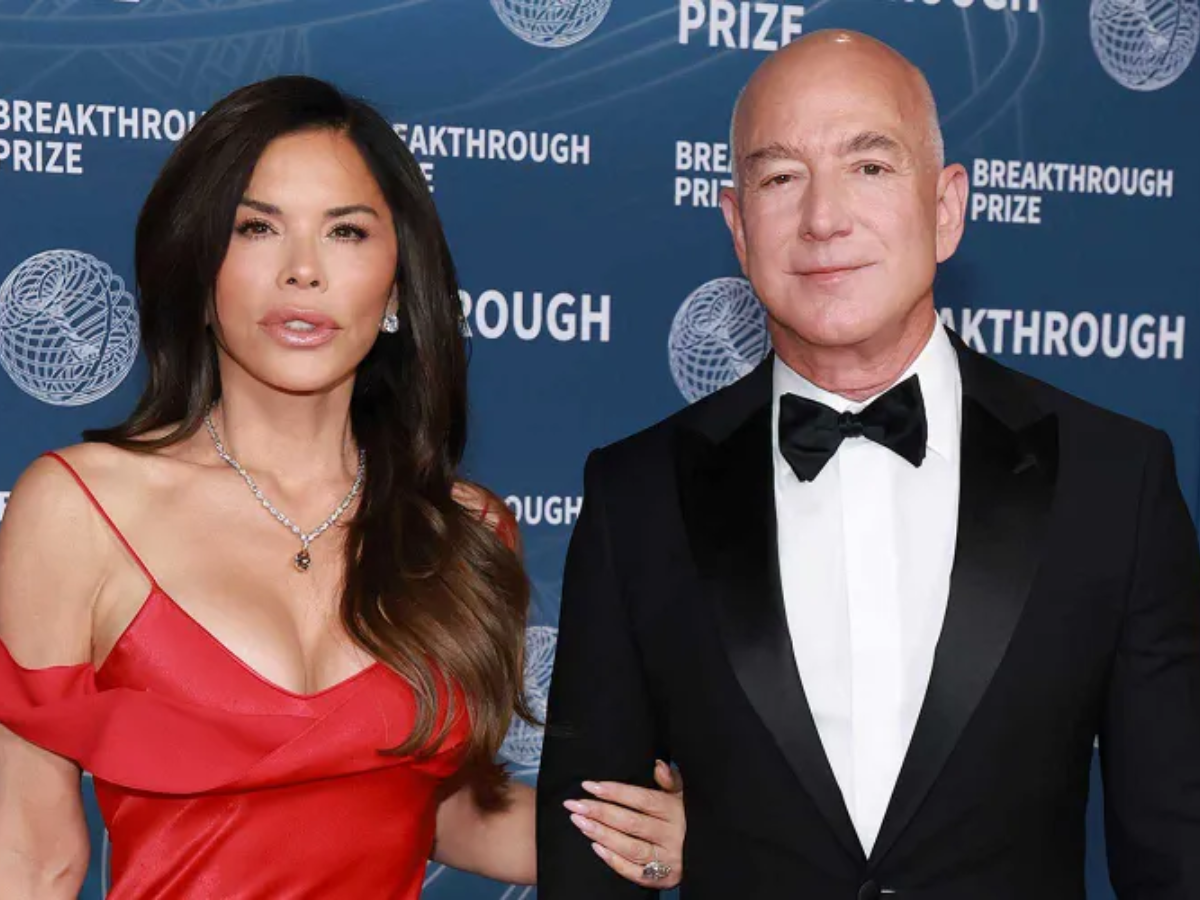
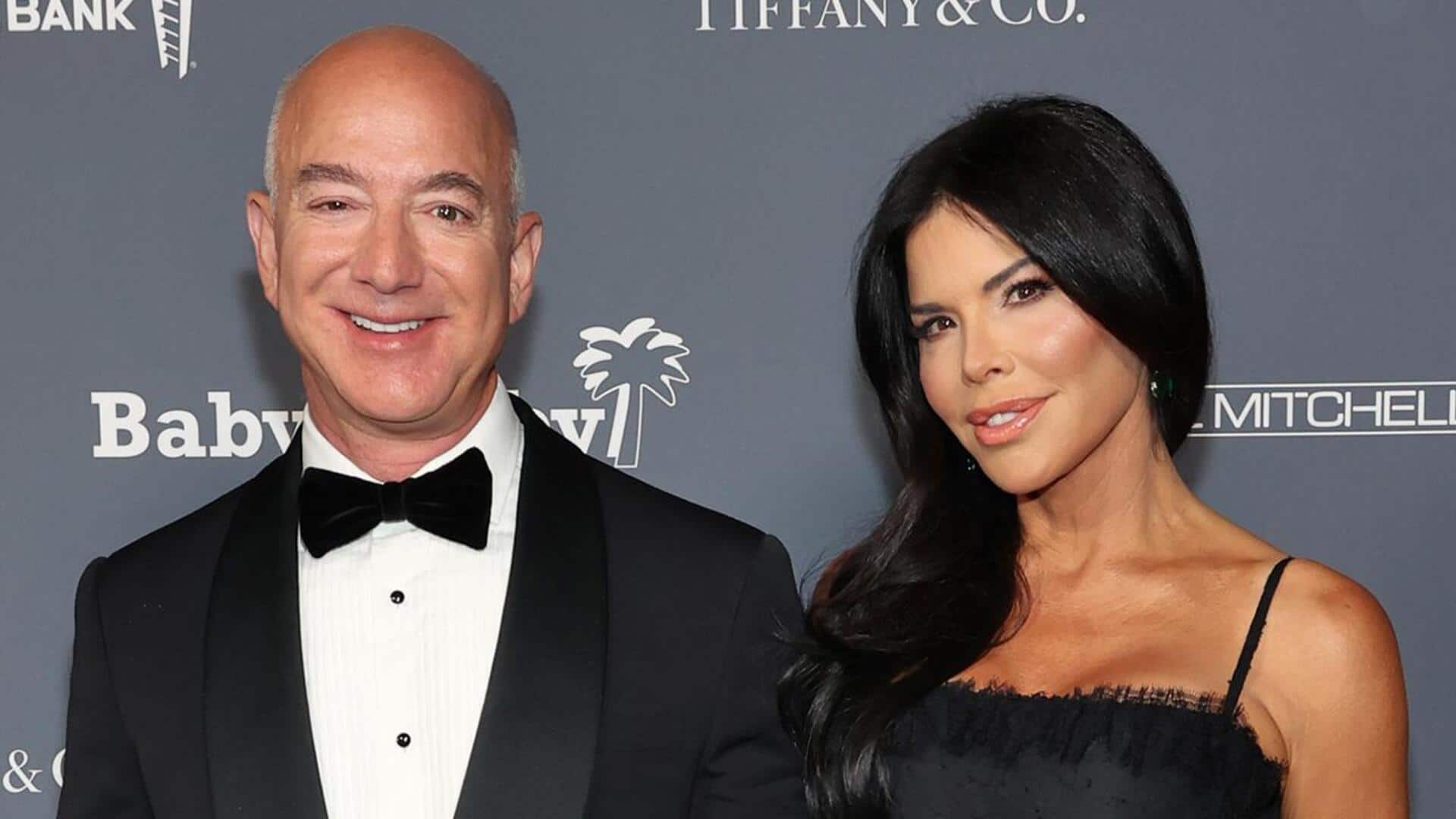
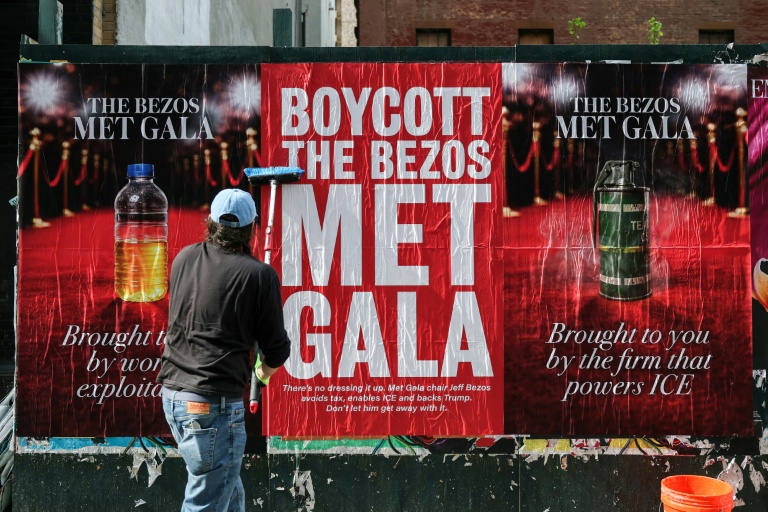
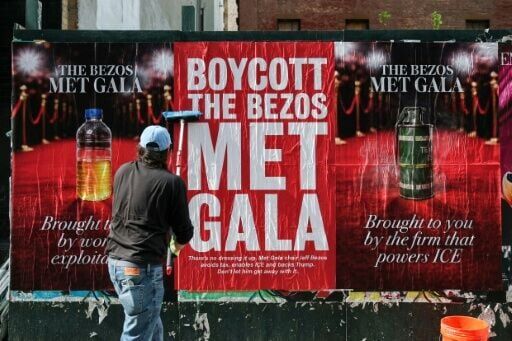
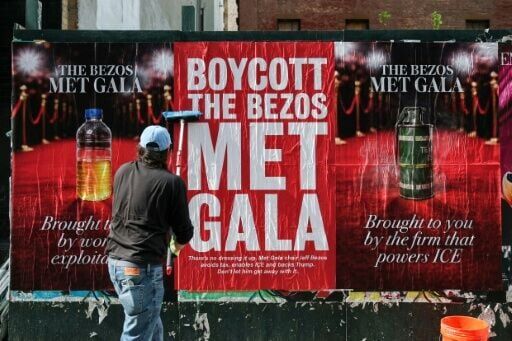
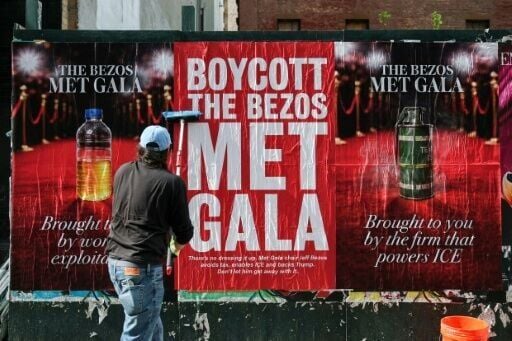
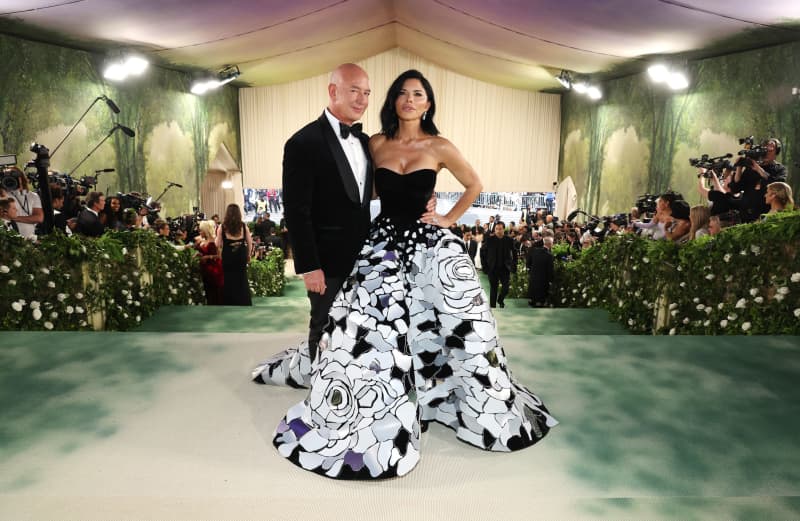
Amazon's strategic pivot into fashion's elite circles represents a fundamental shift in platform priorities that directly impacts seller opportunities and category investment. The news reveals that Jeff Bezos's transformation from fashion outsider (2012 Met Gala attendance where he admitted not knowing his own clothing brands) to fashion insider signals Amazon's aggressive expansion into the $380B+ global fashion market. Since Amazon's initial Met Gala sponsorship in 2012, the company has systematically built credibility within fashion's exclusive networks through corporate partnerships and philanthropic initiatives—a pattern that historically precedes major platform resource allocation.
For e-commerce sellers, this development carries three critical implications. First, Amazon's leadership attention to fashion indicates increased investment in category-specific features, seller tools, and inventory curation. Sellers in apparel, footwear, and accessories categories should expect enhanced Buy Box algorithms favoring established brands and premium inventory. The Bezos family's elevated status within fashion circles suggests Amazon will prioritize luxury and designer segments—categories where margins are 35-50% higher than fast-fashion. Second, the 14-year integration timeline (2012-2026) demonstrates Amazon's commitment to competing directly with specialized fashion retailers like SSENSE, Farfetch, and Vestiaire Collective. This competitive pressure will likely manifest in stricter brand verification requirements, enhanced product photography standards, and increased enforcement of counterfeit policies. Third, Amazon's use of corporate sponsorships and charitable giving as market-entry mechanisms reveals the company's willingness to invest heavily in category legitimacy—suggesting sellers who align with premium positioning and brand authenticity will receive algorithmic preference.
The operational impact for fashion sellers is substantial. Sellers currently operating in mid-market apparel (average ASP $25-75) should anticipate increased competition from Amazon's own private-label brands and curated designer partnerships. However, sellers in niche luxury segments (ASP $150+), sustainable fashion, and emerging designer categories face reduced competition as Amazon focuses on established luxury houses. FBA storage costs for seasonal fashion inventory (typically 40-60% of annual volume concentrated in Q3-Q4) may increase as Amazon prioritizes premium category space. Additionally, sellers should monitor Amazon's evolving brand registry requirements and enhanced authentication standards—the company's fashion industry credibility depends on eliminating counterfeit products, which will require sellers to maintain detailed supply chain documentation and third-party certifications.
Questions 8
What compliance and documentation requirements apply to fashion sellers on Amazon?
Amazon's integration into fashion's exclusive networks requires sellers to maintain rigorous compliance standards to prevent counterfeiting and ensure brand authenticity. Required documentation includes: (1) Proof of trademark registration in primary markets (US, EU, UK), (2) Detailed supplier agreements and manufacturing certifications, (3) GS1 barcodes for all products, (4) Supply chain transparency documentation (factory locations, batch numbers), and (5) Regular audits for high-value items. Sellers should also maintain records of all inventory movements, including purchase orders, invoices, and shipping documentation. Non-compliance can result in listing suspension, account restrictions, or permanent removal from the platform. Sellers operating in luxury categories should consider hiring compliance consultants to ensure documentation meets Amazon's evolving standards and prepare for potential third-party audits.
How can sellers capitalize on Amazon's fashion industry partnerships?
Amazon's 14-year integration into fashion's elite circles creates partnership opportunities for sellers aligned with the platform's premium positioning strategy. Sellers can capitalize by: (1) Applying for Amazon Brand Registry to gain enhanced listing controls and counterfeit protection, (2) Pursuing Vendor Central partnerships if operating established brands (requires $500K+ annual revenue), (3) Participating in Amazon Fashion Week events and seasonal promotions, (4) Leveraging Sponsored Brands and Sponsored Products advertising during peak fashion seasons (Q3-Q4), and (5) Building relationships with Amazon's fashion category managers through consistent quality and compliance. Sellers should also monitor Amazon's emerging initiatives in sustainable fashion and emerging designer categories, where the platform is actively seeking partnerships. Success requires maintaining premium positioning, authentic brand storytelling, and rigorous quality standards—sellers competing primarily on price will not benefit from Amazon's fashion industry credibility.