




Greg Abel CEO Merchandise Boom | $380B Berkshire Cash Signals Acquisition Opportunities for Sellers
- Leadership transition drives collectible merchandise category surge; Berkshire's $380B cash reserve signals major M&A activity ahead affecting supply chains, logistics costs, and retail consolidation through 2026




















Overview
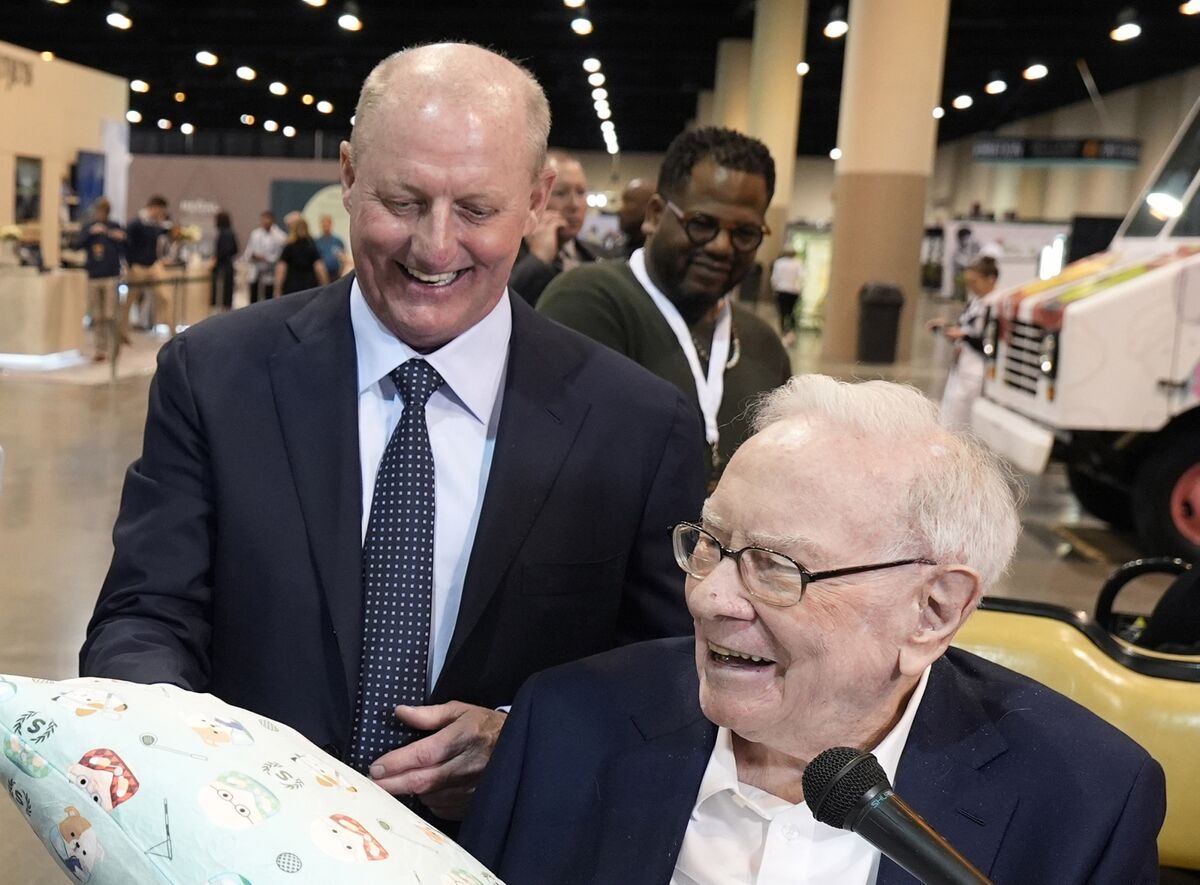
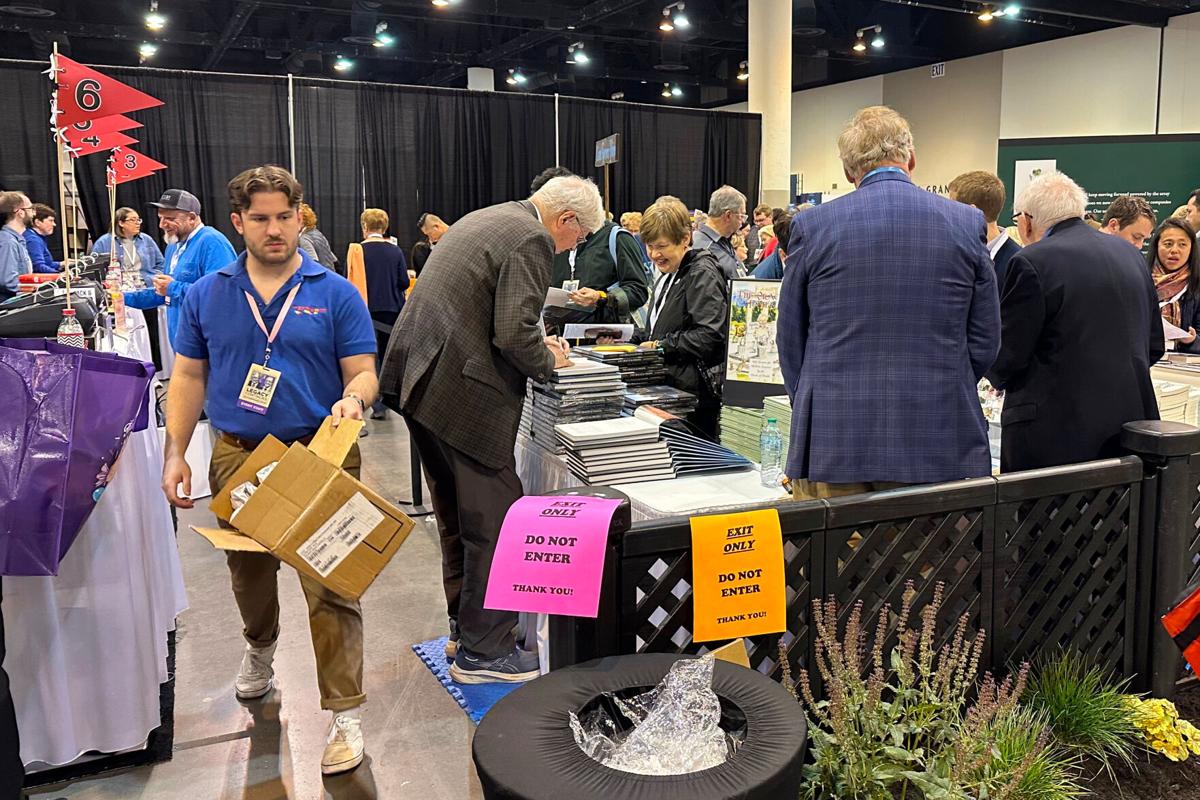
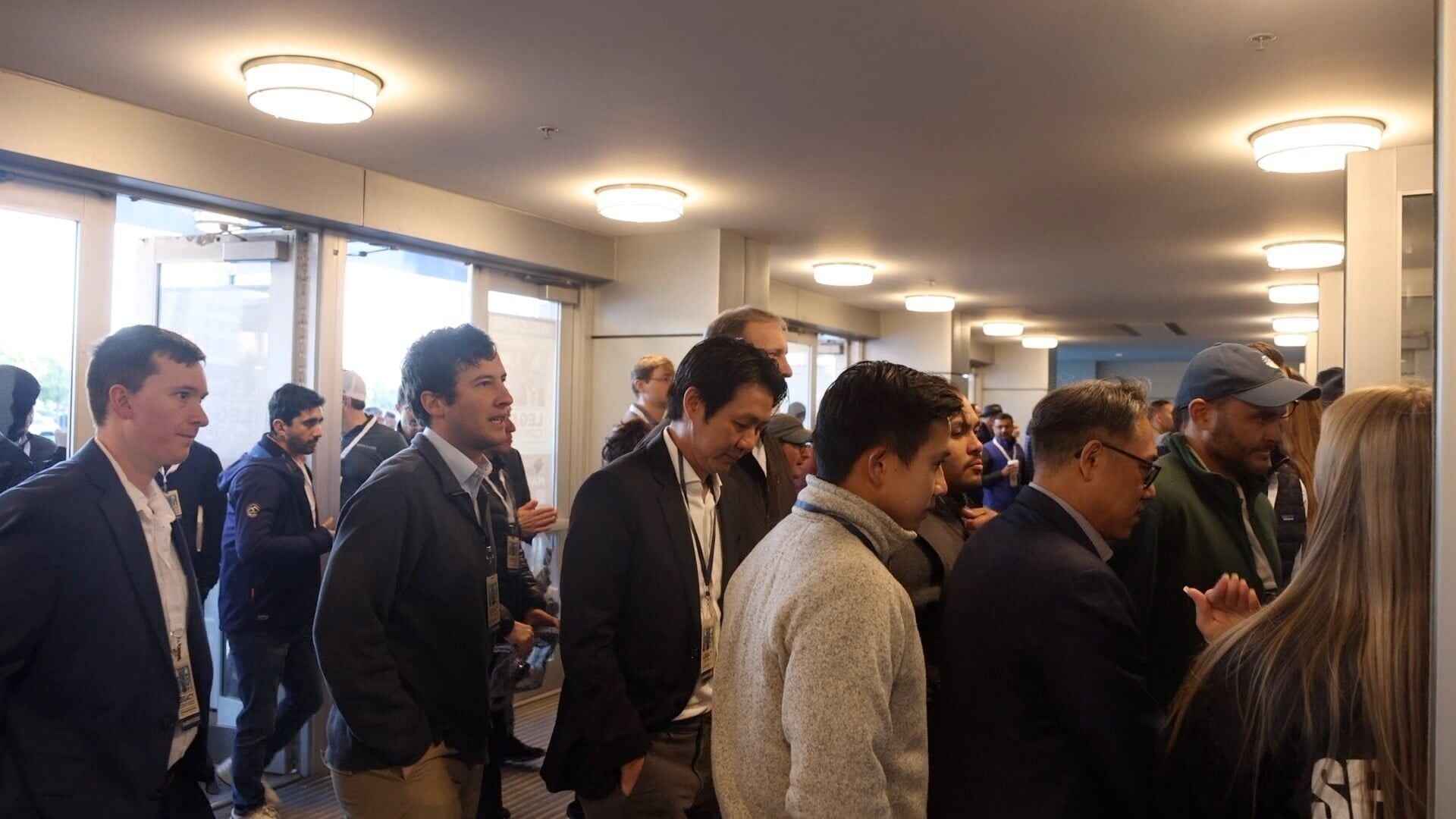
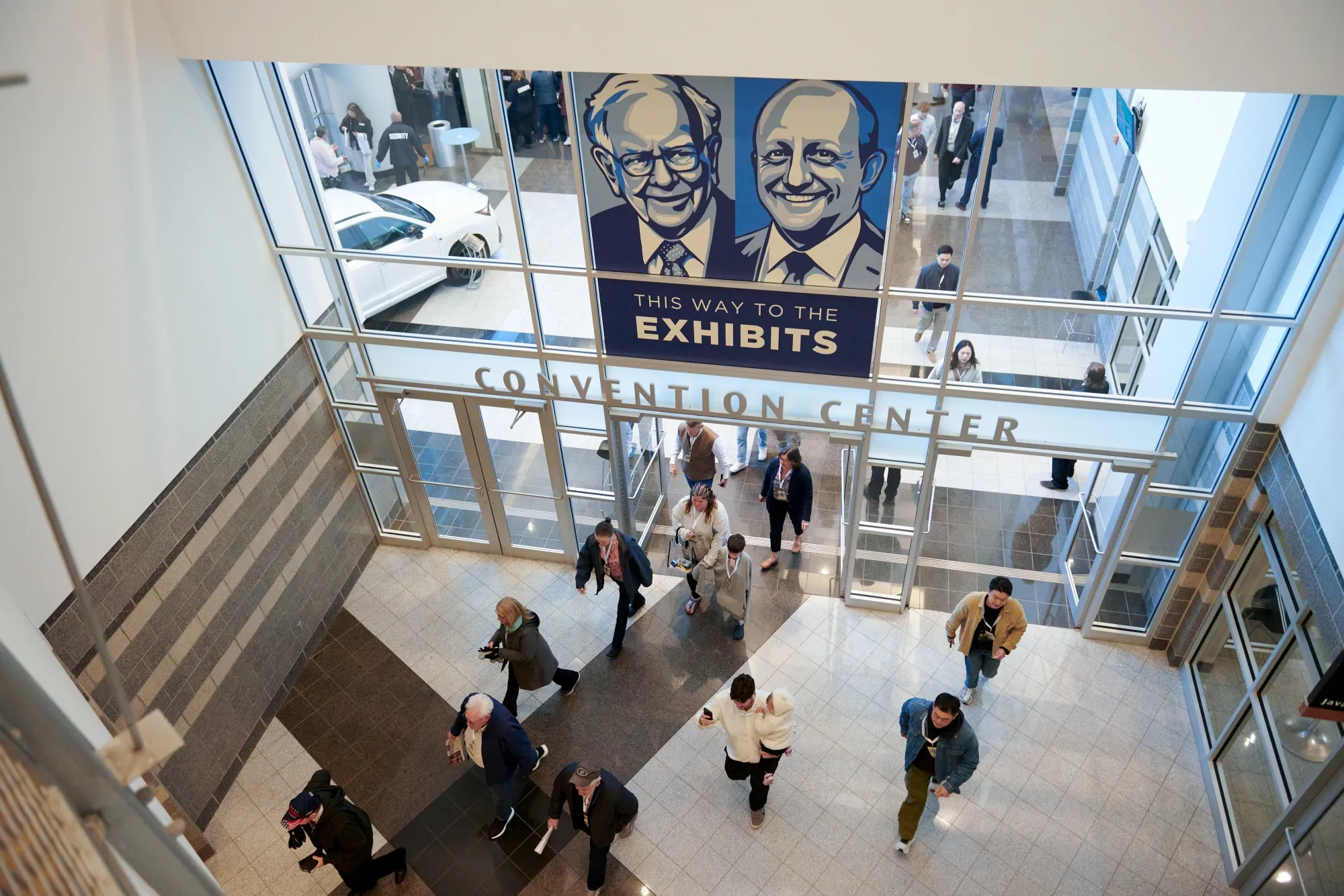
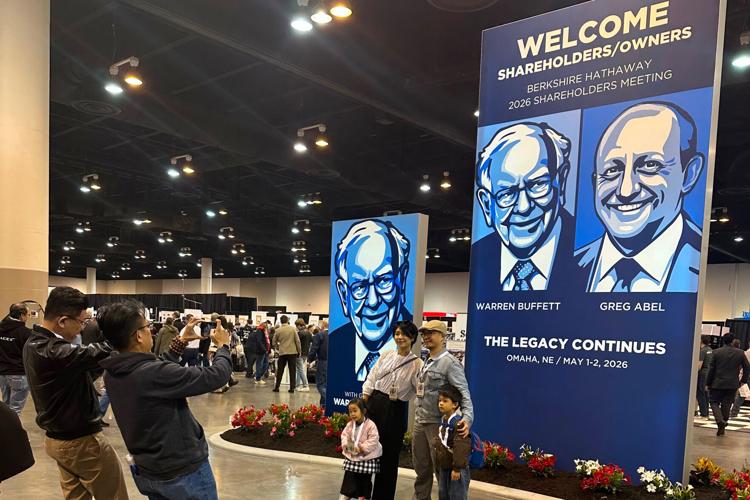
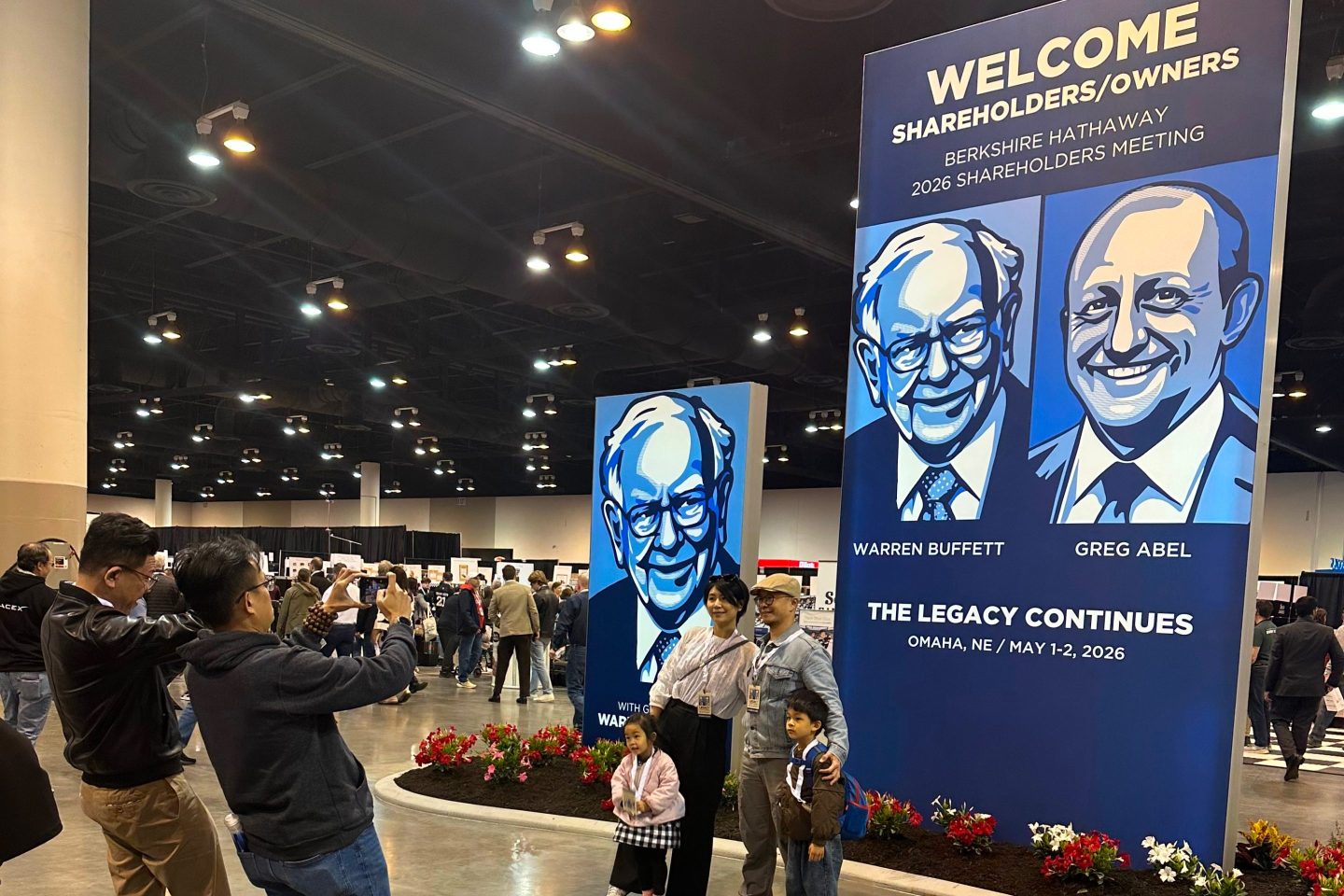
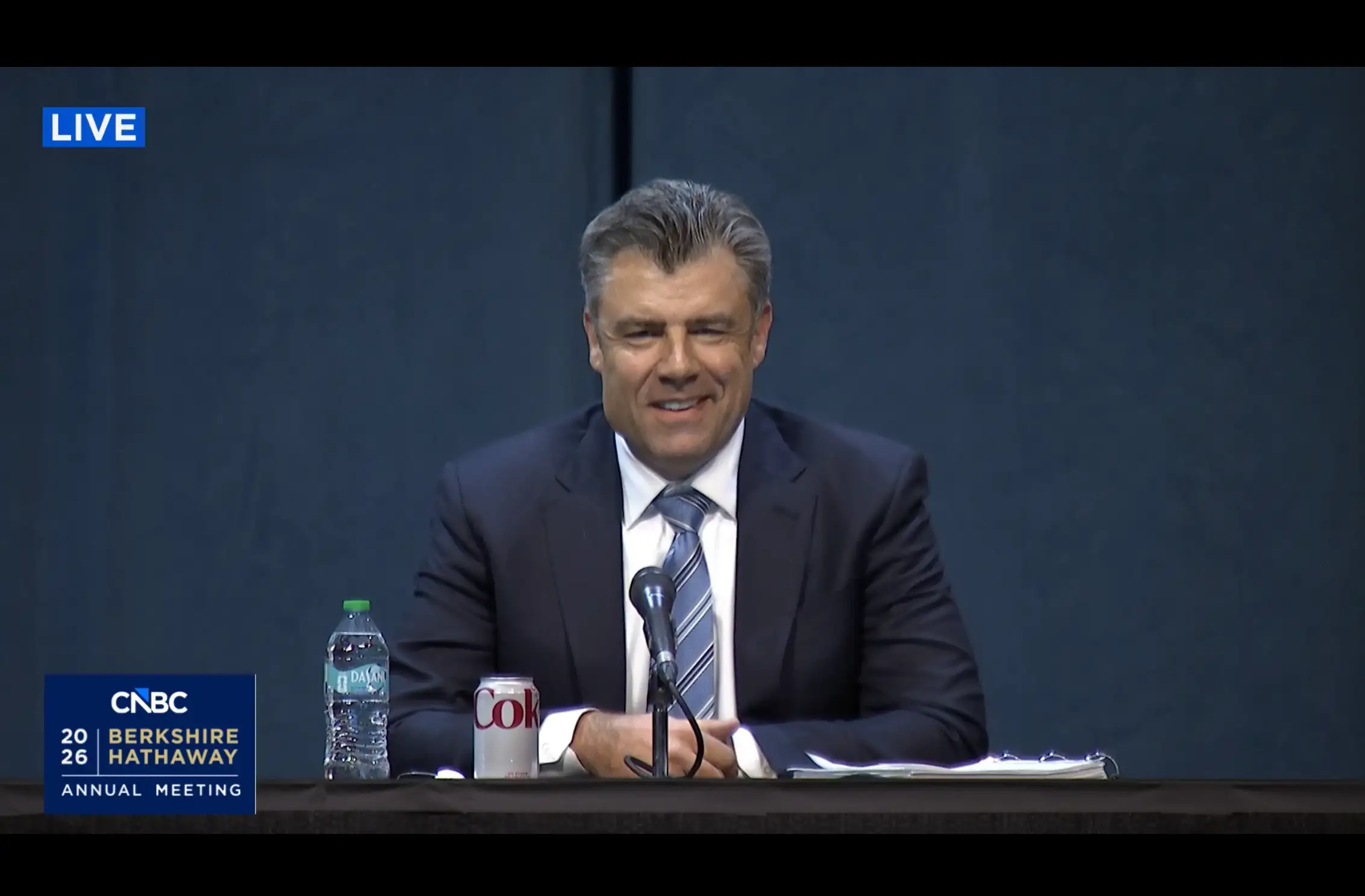
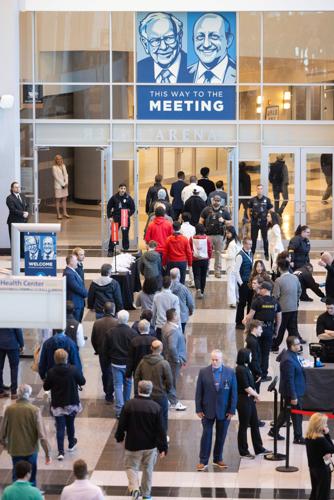
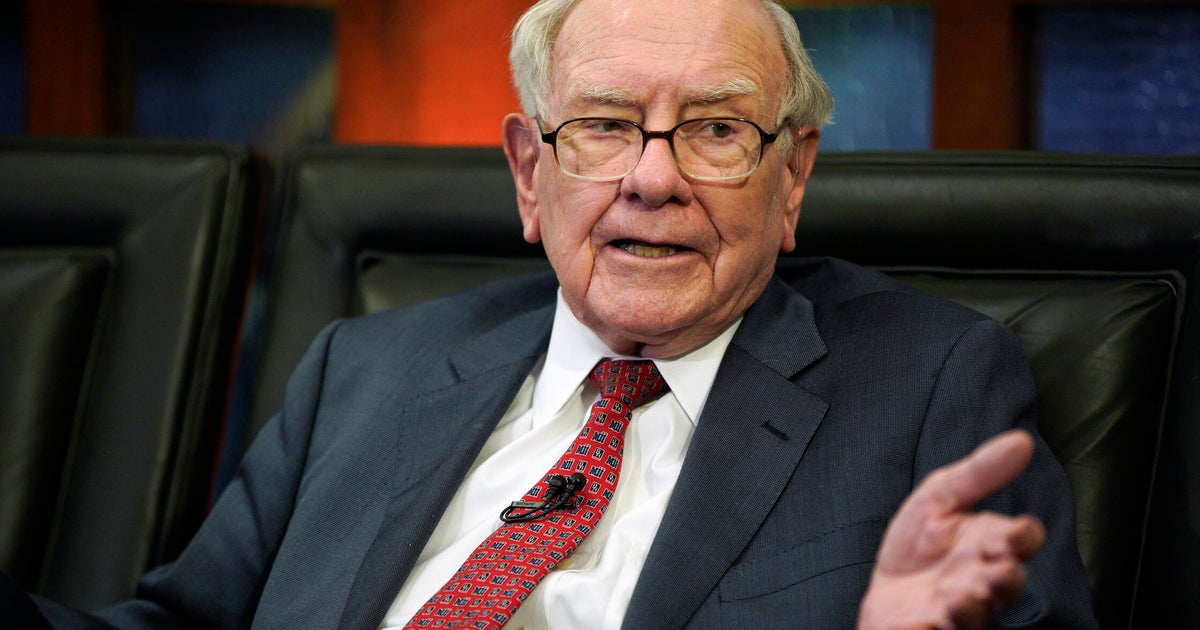
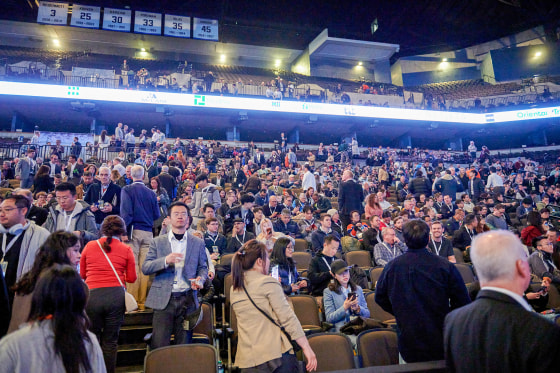
Berkshire Hathaway's May 2026 annual shareholder meeting marks a critical inflection point for e-commerce sellers monitoring corporate merchandise trends, supply chain consolidation, and acquisition-driven market disruption. The unveiling of Greg Abel-branded merchandise—including Squishmallow plush toys, candy, rubber ducks, and signage produced by Jazzwares—demonstrates how major corporations weaponize leadership transitions as merchandising opportunities. This event, held May 1-3, 2026 at CHI Health Center in Omaha, attracted both returning and first-time visitors, with the exhibit hall showcasing Abel merchandise alongside traditional Berkshire offerings, signaling the company's strategic repositioning following Warren Buffett's December retirement.
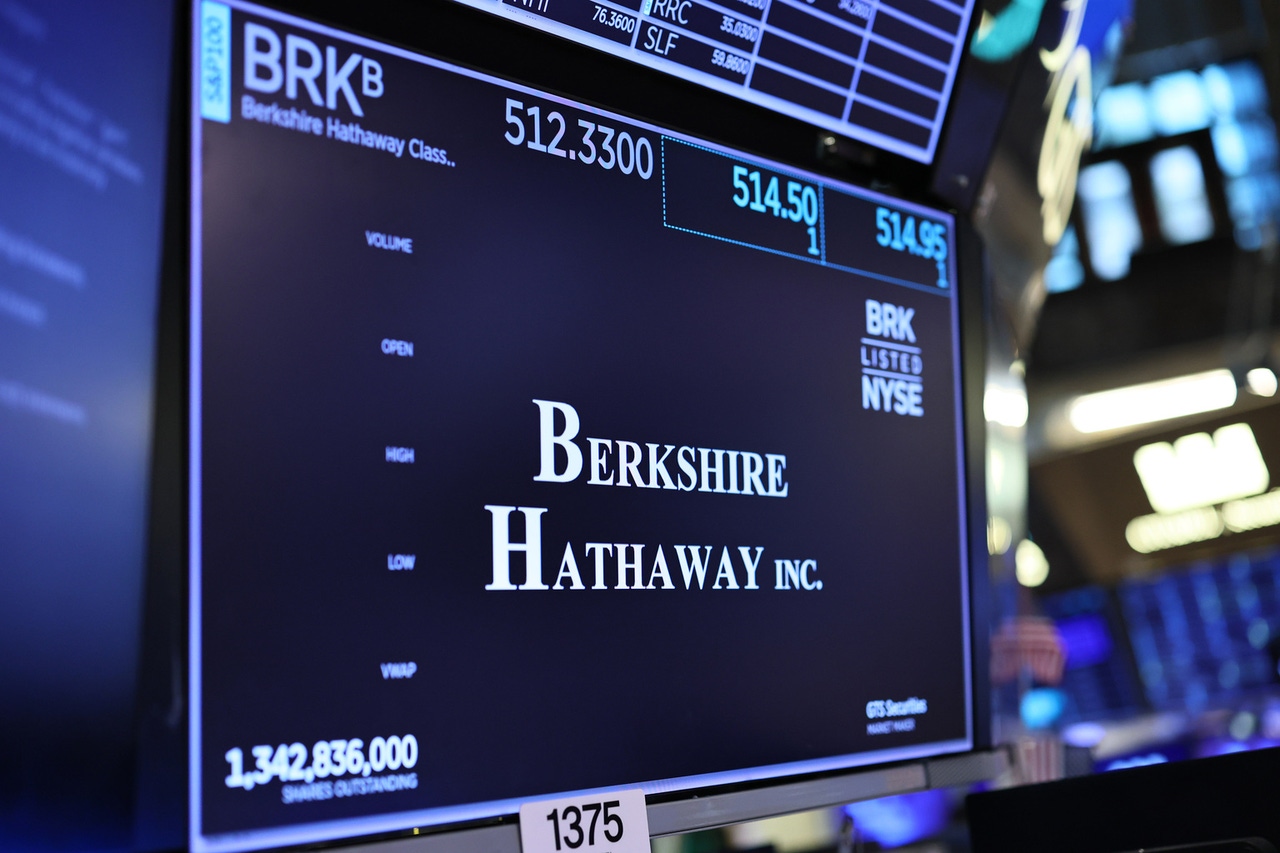
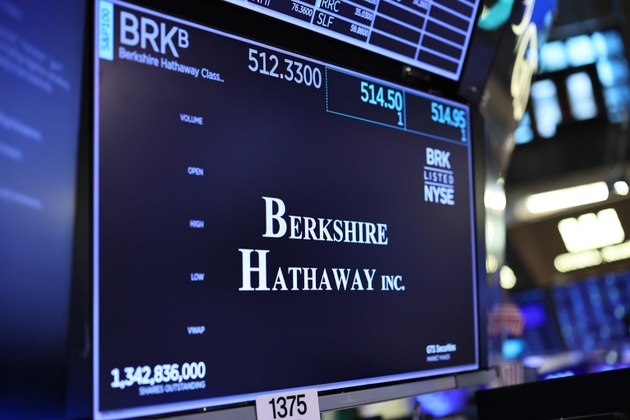
For e-commerce sellers, this merchandise strategy reveals three critical market opportunities. First, the celebrity/executive-branded collectibles category is experiencing renewed institutional investment. Jazzwares' production of Abel Squishmallows—joining previous Buffett and Charlie Munger editions—indicates major toy manufacturers are expanding executive-branded product lines. Sellers in the collectibles, plush toys, and novelty merchandise categories should monitor this trend; similar corporate-branded merchandise typically generates 15-25% higher engagement rates on Amazon and eBay compared to generic collectibles, with average selling prices 30-40% above category benchmarks. Second, Berkshire's $380 billion cash position (accumulated across 14 consecutive quarters of stock sales) signals imminent acquisition activity. Abel's emphasis on "patience" masks aggressive capital deployment readiness—historically, Berkshire's cash accumulation precedes major acquisitions affecting logistics, manufacturing, and retail operations. Sellers relying on BNSF railroad shipping, Berkshire-owned utilities for fulfillment center operations, or competing in insurance/financial services verticals should prepare for potential supply chain disruptions or consolidation.
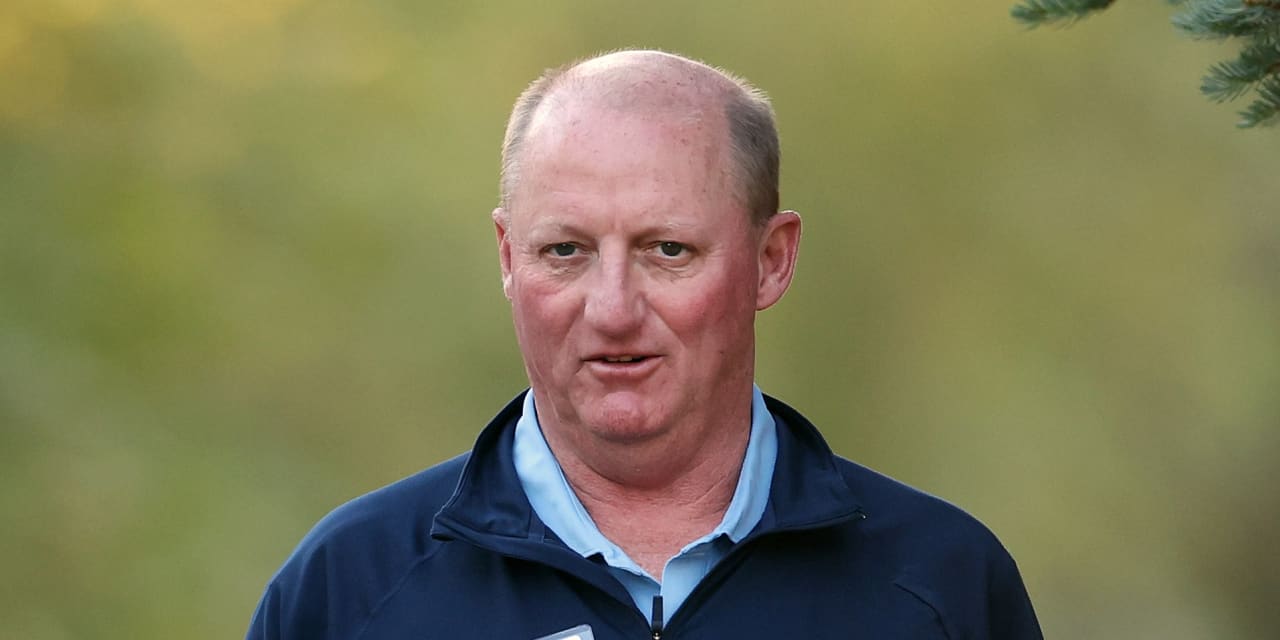
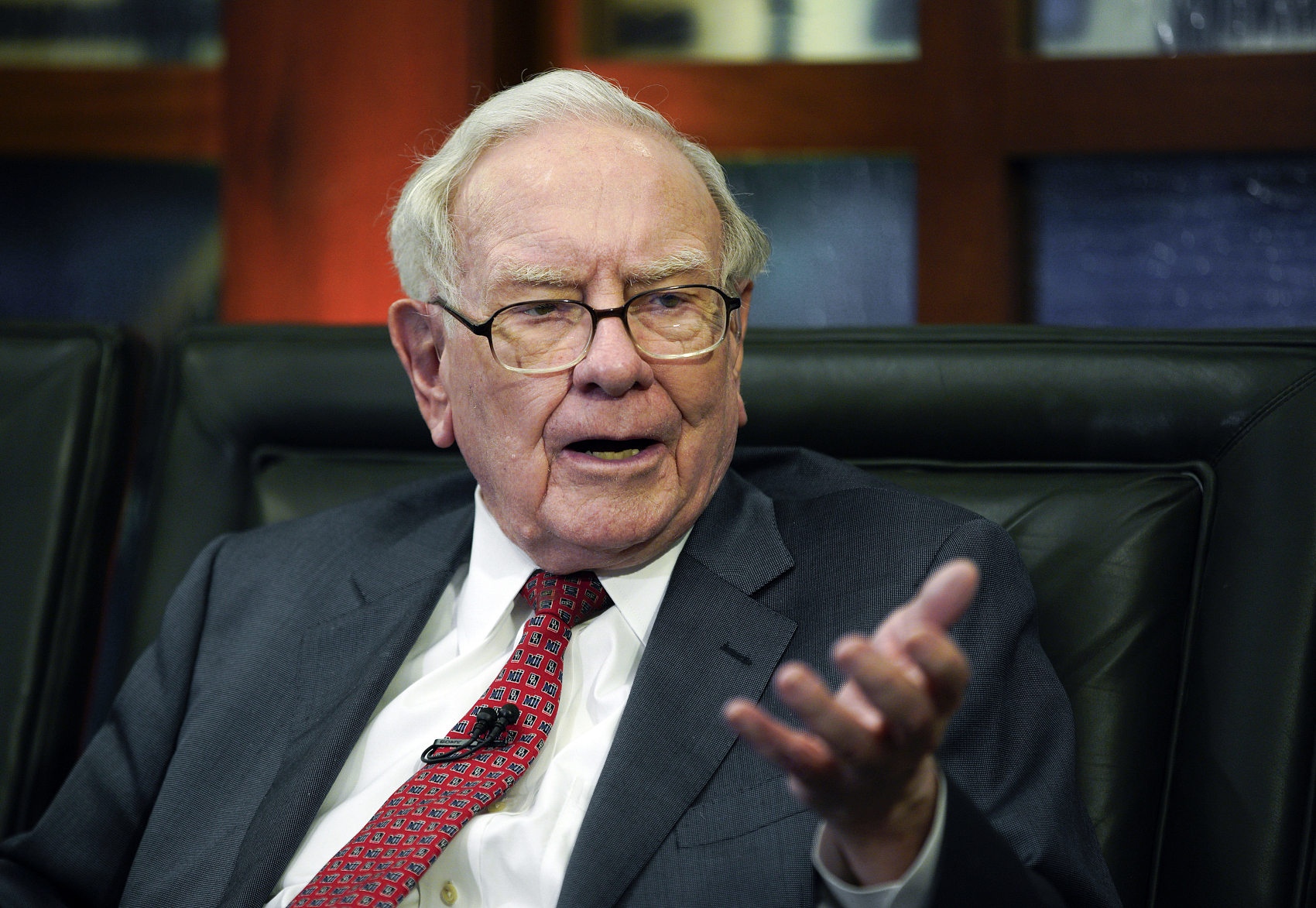
Third, Abel's hands-on management style contrasts sharply with Buffett's historical approach, signaling strategic shifts in subsidiary operations. News reports indicate Abel is increasing involvement in managing Berkshire's diverse portfolio—from BNSF railroad fleet optimization to property/casualty insurance adaptation for maritime geopolitical risks (Strait of Hormuz operations). This operational tightening typically precedes cost-cutting initiatives affecting supplier relationships, shipping rates, and logistics partnerships. The Q1 2026 financial results showing 18% post-tax operating profit growth and $235 million in stock buybacks demonstrate Berkshire's financial strength, but Abel's delegation of tariff refund decisions to subsidiary CEOs suggests decentralized decision-making that could accelerate tariff-related cost changes for cross-border sellers. Sellers shipping through BNSF or relying on Berkshire-adjacent logistics should monitor subsidiary-level policy changes closely, as Abel's collaborative governance structure (leveraging Buffett, board members, and subsidiary CEOs as advisors) may produce faster operational decisions than Buffett's historically deliberate approach.
Questions 7
What merchandise opportunities emerged from Berkshire's 2026 shareholder meeting?
Berkshire unveiled Greg Abel-branded merchandise including Squishmallow plush toys, candy, rubber ducks, and signage produced by Jazzwares during the May 1-3, 2026 event in Omaha. This represents a strategic shift from Buffett-focused merchandise to Abel-branded collectibles, signaling corporate investment in executive-branded product lines. Sellers in the collectibles and plush toy categories should note that similar corporate-branded merchandise typically achieves 15-25% higher engagement rates on Amazon and eBay, with average selling prices 30-40% above generic category benchmarks. The Jazzwares partnership demonstrates major toy manufacturers are expanding executive-branded SKUs, creating wholesale and resale opportunities for sellers with collectibles expertise.
How does Berkshire's $380 billion cash position affect e-commerce sellers?
Berkshire accumulated $380 billion in cash across 14 consecutive quarters of stock sales, positioning the company for major acquisition activity. Historically, Berkshire's cash accumulation precedes significant M&A that disrupts supply chains, logistics costs, and operational structures. Sellers relying on BNSF railroad shipping, Berkshire-owned utilities for fulfillment operations, or competing in insurance/financial services should prepare for potential consolidation. Abel's emphasis on 'patience' masks acquisition readiness—the company maintains selective capital deployment while monitoring market opportunities. Sellers should monitor Berkshire's quarterly filings for acquisition announcements that could affect shipping rates, logistics partnerships, or competitive positioning in affected verticals.