


)
Hormuz Fertilizer Crisis Triggers 12-18% Food Price Surge | Seller Supply Chain Alert
- Blocks 1/3 of global fertilizer trade; 80% price surge impacts food sellers across Asia, Africa, Latin America through 2026












Overview
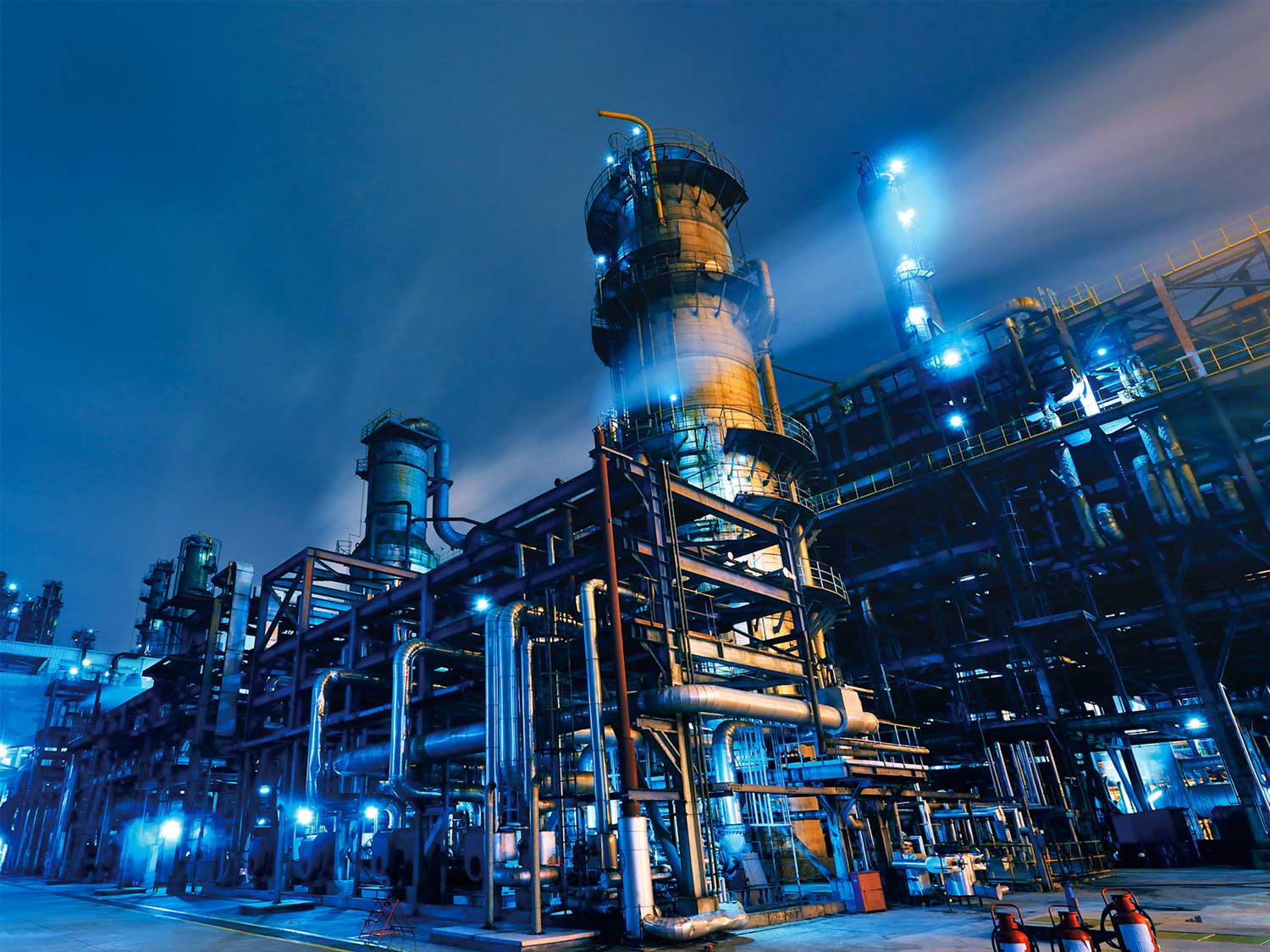
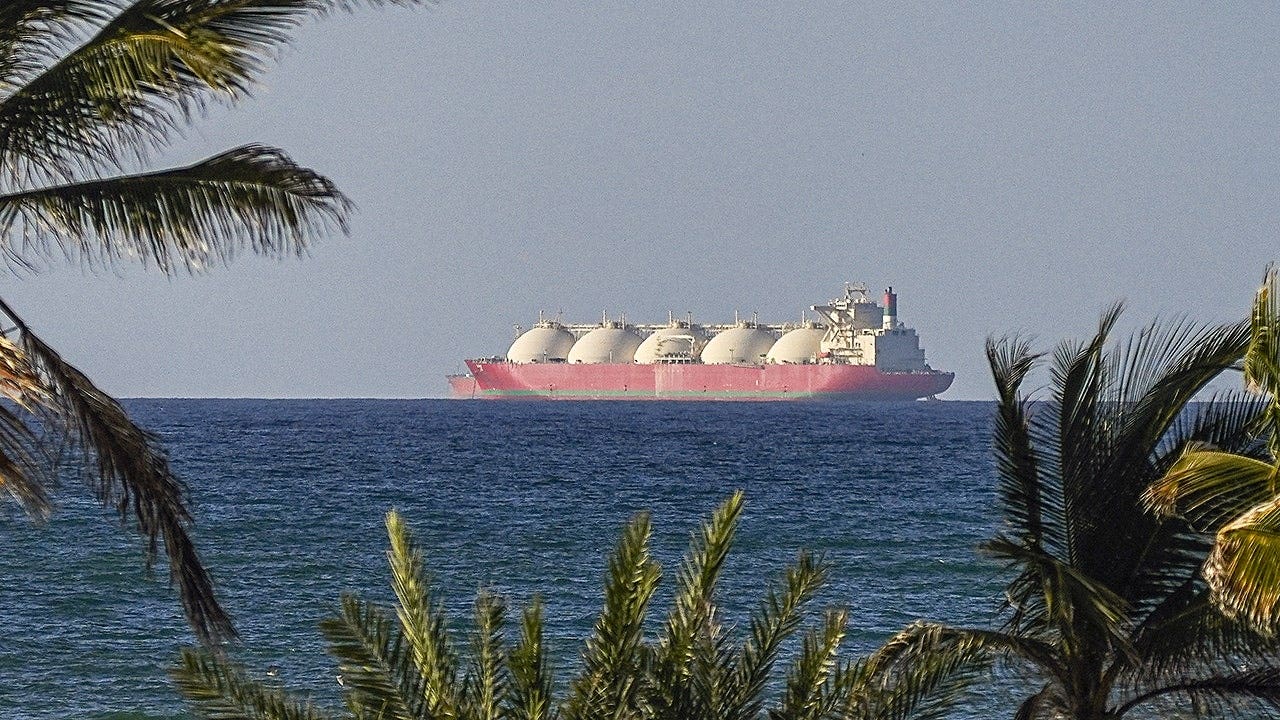
The Hormuz Strait blockade has created a critical global fertilizer shortage that directly threatens cross-border e-commerce sellers in food, agriculture, and commodity categories. The Strait carries approximately one-third of global fertilizer trade (urea, potash, ammonia, phosphates), and current geopolitical tensions between the United States and Iran have interrupted approximately 500,000 tons of nitrogen fertilizer production weekly. Fertilizer prices have surged 80% since the conflict began, with Helios AI predicting a 12-18% rise in global food prices by end of 2026.
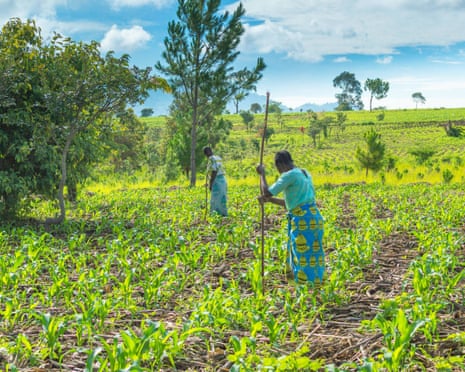
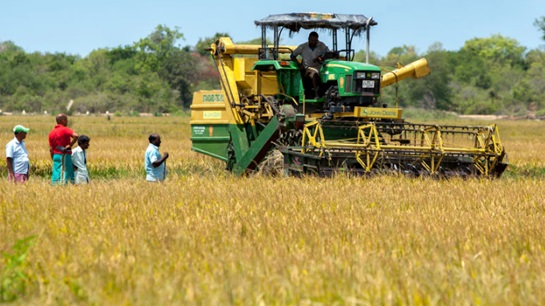
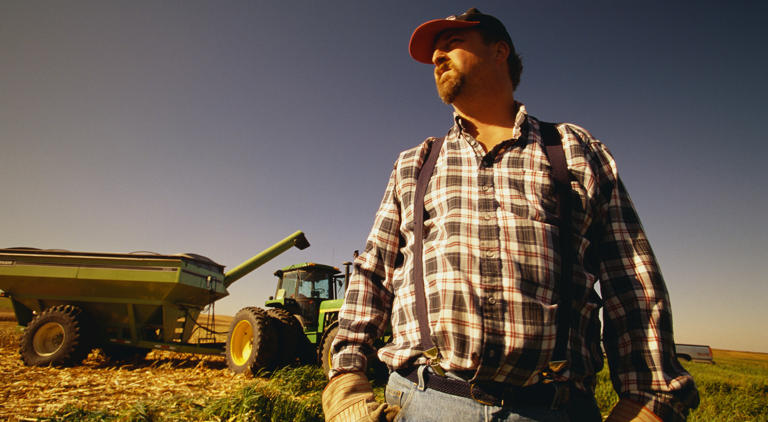
Immediate Supply Chain Impact for E-Commerce Sellers: The timing creates a cascading crisis across regional markets. Spring fertilizer application in the Northern Hemisphere runs through June, while African and Asian farmers are entering primary planting seasons—a missed window eliminates harvests entirely, not merely delays them. The International Grains Council estimates cumulative global wheat and coarse grain output could fall 53 million tons below last season. Bangladesh has seen five of six domestic fertilizer factories shut down, while Somalia's commodity prices have surged 420 percent. This directly impacts sellers sourcing agricultural products, food ingredients, and commodity-based merchandise from these regions.
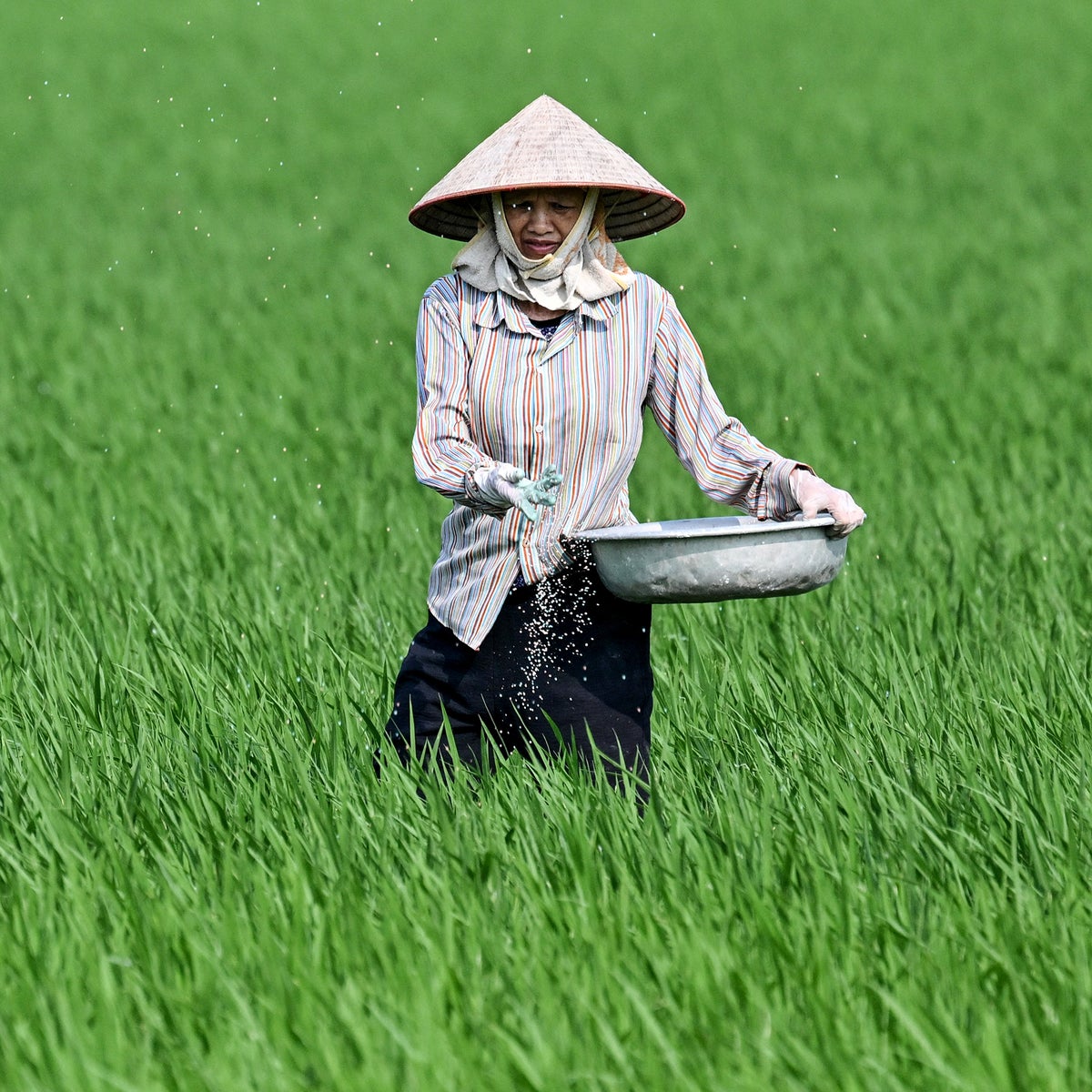
Market-Specific Vulnerabilities: Sellers targeting Asian, African, and Latin American markets face compounding pressures. Crop yields are projected to decline by up to 50% in the first season for affected crops, particularly rice and staple grains. The World Food Program projects that if conflict continues beyond June with oil above $100 per barrel, 45 million additional people will enter acute food insecurity, pushing the global total to 363 million—a record high. This reduces consumer purchasing power in developing markets where e-commerce food and agricultural product sales are growing fastest. UK and developed market sellers will see increased input costs manifest in consumer food bills within months, compressing margins on imported food products.
Policy Window and Sourcing Opportunities: The proposed "Hormuz Fertilizer Initiative" (modeled on the 2022 Black Sea Grain Initiative) could establish a temporary humanitarian corridor for fertilizer, ammonia, and urea through Oman as intermediary. The UN has reportedly developed a platform mechanism operational within seven days of political authorization. Sellers should monitor this closely: if implemented, it could stabilize fertilizer supplies and reduce agricultural input costs by Q2-Q3 2025, creating a 6-12 month window for sourcing agricultural products at lower costs before prices normalize. Conversely, if the initiative fails, sellers should immediately diversify sourcing away from fertilizer-dependent regions (Bangladesh, Somalia, sub-Saharan Africa) toward countries with domestic fertilizer capacity or alternative supply chains.
Questions 8
What are the specific cost impacts for sellers importing food products from affected regions?
Fertilizer price surge of 80% since conflict began directly increases wholesale costs for agricultural suppliers and food manufacturers. Helios AI predicts 12-18% rise in global food prices by end of 2026. For sellers importing food products, this translates to 8-15% cost increases on agricultural commodities (grains, vegetables, fruits) and 5-10% increases on processed foods dependent on agricultural inputs. UK and developed market sellers will see increased production costs manifest in consumer food bills within months, compressing margins on imported food products by 200-400 basis points. Sellers should immediately review supplier contracts for price adjustment clauses and consider locking in current prices through Q3 2025 before further escalation. Calculate break-even pricing now to determine which product lines remain profitable under 12-18% food price inflation scenarios.
How should sellers adjust inventory planning for the 2025 planting and harvest cycles?
The crisis creates a bifurcated inventory timeline: Northern Hemisphere spring fertilizer application runs through June 2025, while African and Asian farmers are entering primary planting seasons simultaneously. A missed fertilizer window eliminates harvests entirely, not merely delays them. Sellers should implement region-specific inventory strategies: (1) Pre-position inventory from Northern Hemisphere suppliers (Europe, North America) before June 2025 to avoid supply shocks; (2) Delay Asian and African sourcing until post-harvest (September-November 2025) when yields are confirmed and prices stabilize; (3) Increase safety stock by 20-30% for fertilizer-dependent products through Q4 2025. Monitor the Hormuz Fertilizer Initiative weekly—successful implementation by May 2025 could restore normal supply chains by harvest season, while failure necessitates permanent sourcing diversification. Establish 90-day rolling forecasts by region to capture yield impacts as they emerge.