


NATO Realignment Triggers €50B+ Defense Procurement Boom | Seller Opportunities in Military-Grade Equipment & Logistics
- 5,000 US troops withdrawn over 6-12 months; European defense spending surge creates tariff-free sourcing windows for military suppliers, logistics providers, and industrial equipment sellers targeting NATO allies


Overview
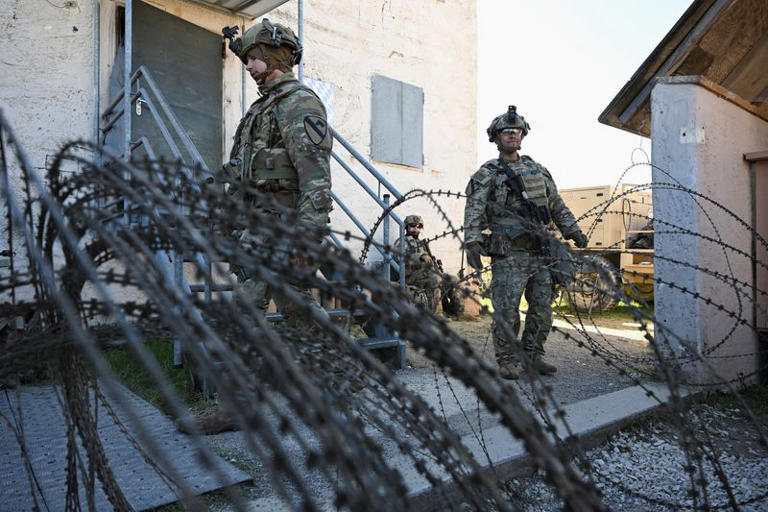
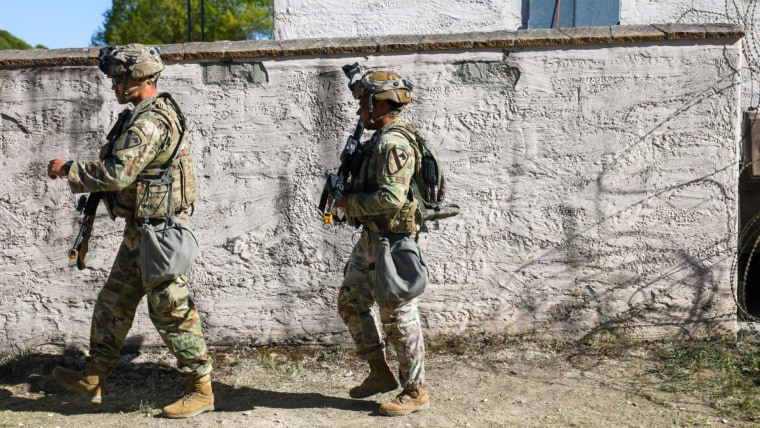
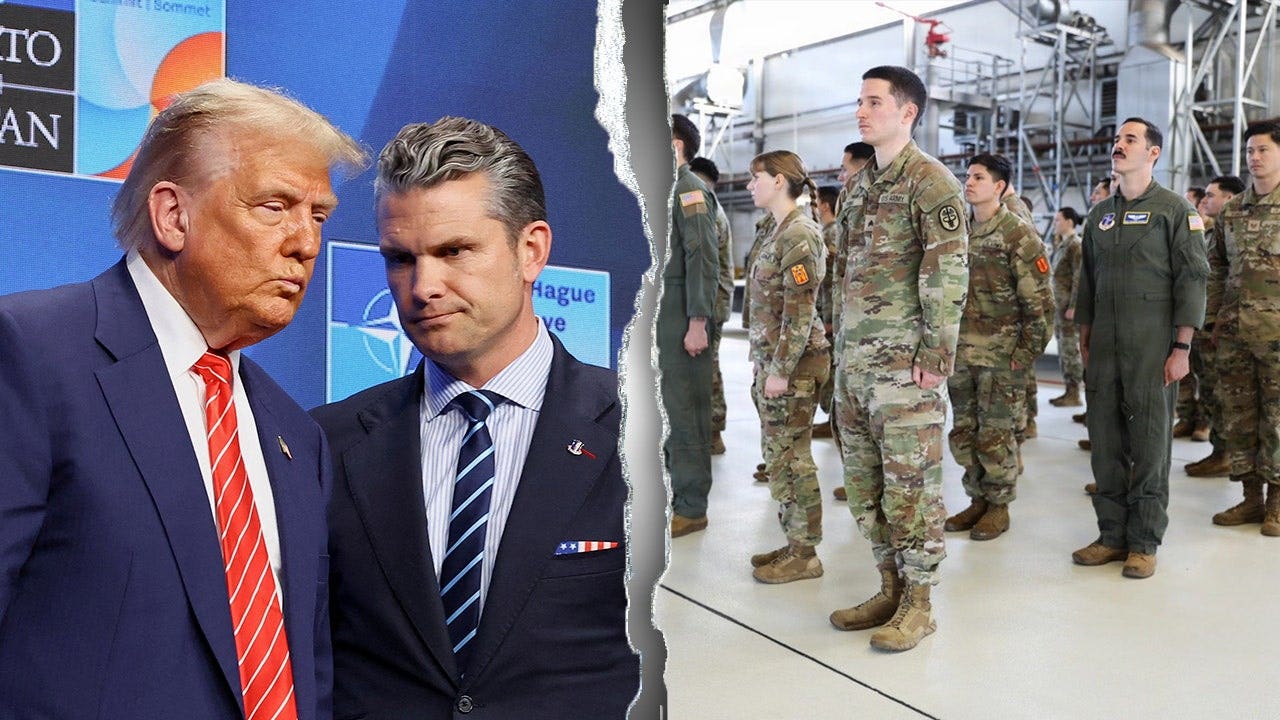
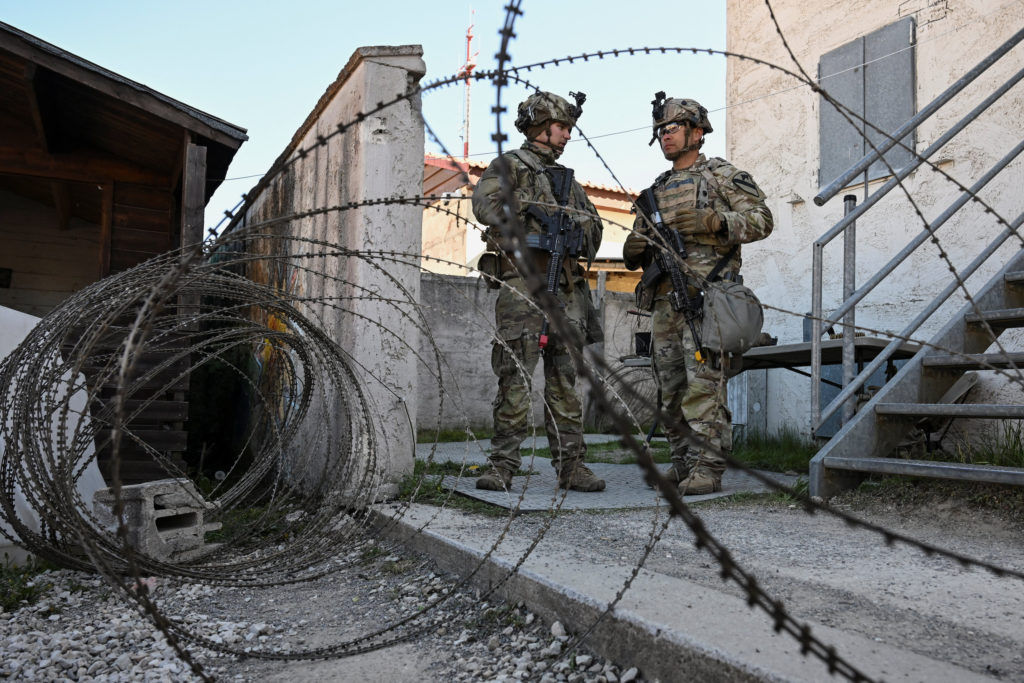
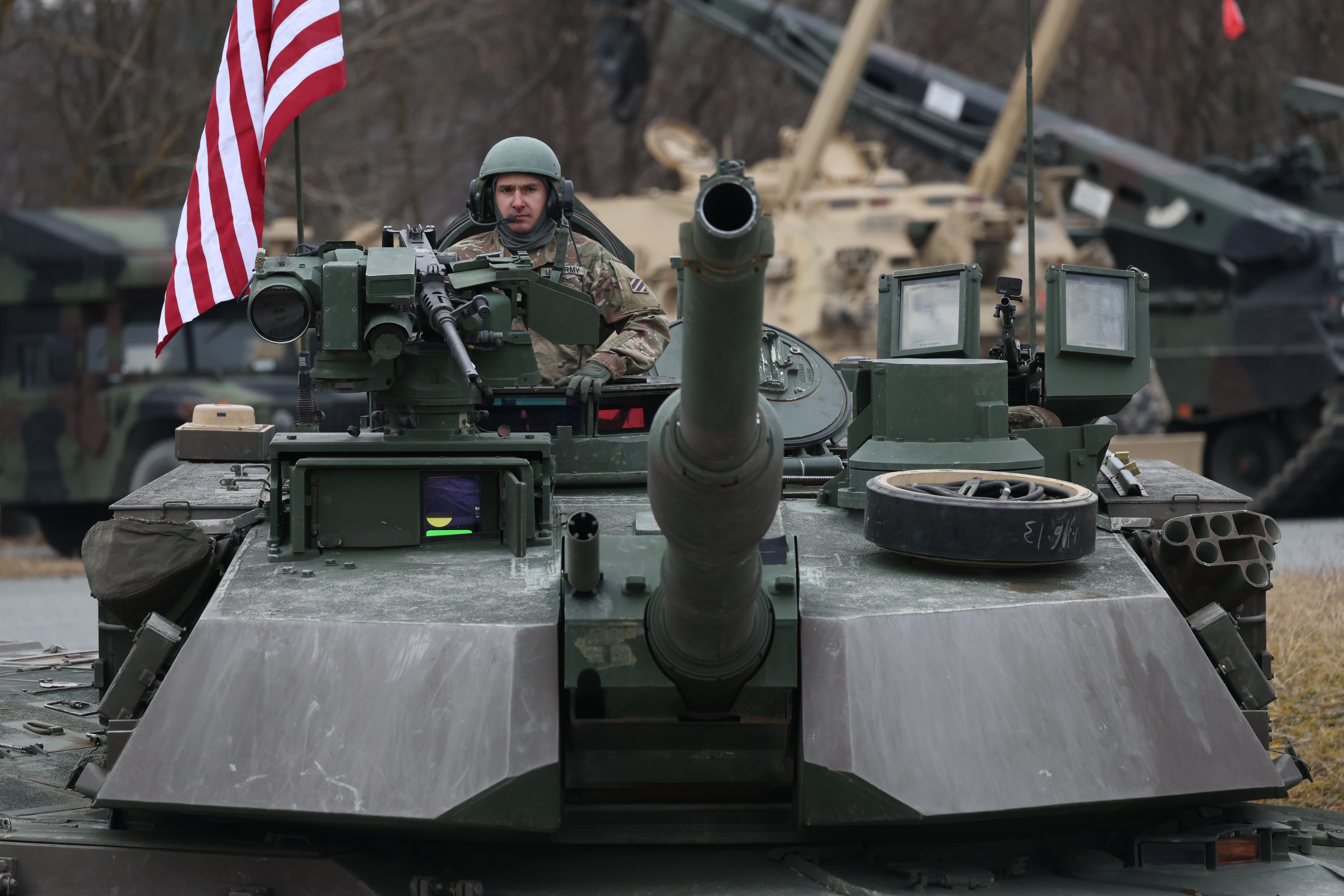
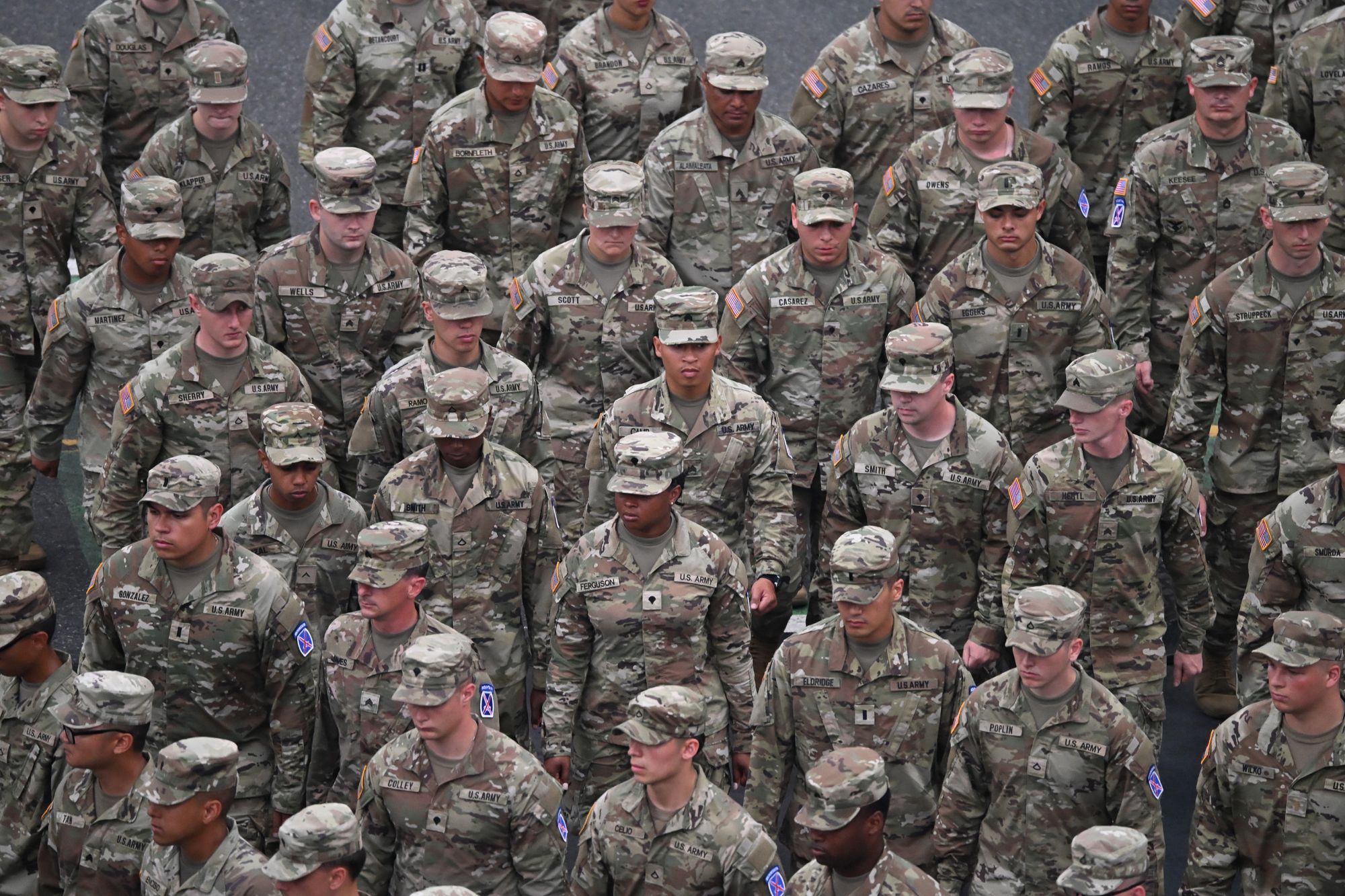
The Pentagon's withdrawal of 5,000 troops from Germany—reducing US military presence from 40,000 to 35,000 over the next 6-12 months—represents a watershed moment for cross-border sellers targeting European defense procurement. This geopolitical shift directly triggers an estimated €50-75 billion defense spending acceleration across NATO members, with Germany, Poland, and the UK committing to 5% GDP defense investments. For e-commerce sellers, this creates three distinct tariff arbitrage and market access opportunities.
Defense Equipment & Industrial Goods Sourcing: Germany's announced expansion of armed forces procurement creates immediate demand for military-grade equipment, communications systems, and industrial components. Sellers sourcing from non-EU manufacturers (US, Japan, South Korea) can exploit temporary tariff exemptions under NATO defense cooperation agreements (HS codes 8401-8537 for electrical/mechanical equipment). The 6-12 month implementation window before troop withdrawal completion creates a compressed procurement cycle—defense budgets typically lock in Q1-Q2, meaning sellers have 60-90 days to position inventory before major purchasing decisions finalize.
Logistics & Infrastructure Modernization: Germany's role as "critical logistics hub for US operations" means the withdrawal accelerates infrastructure investment in German ports (Hamburg, Bremerhaven) and inland logistics networks. This benefits sellers of industrial logistics equipment, warehouse automation systems, and supply chain software. Polish and UK sellers gain competitive advantage as these countries expand military infrastructure independently—creating sourcing opportunities for construction equipment, telecommunications infrastructure, and industrial machinery with reduced customs friction under NATO procurement protocols.
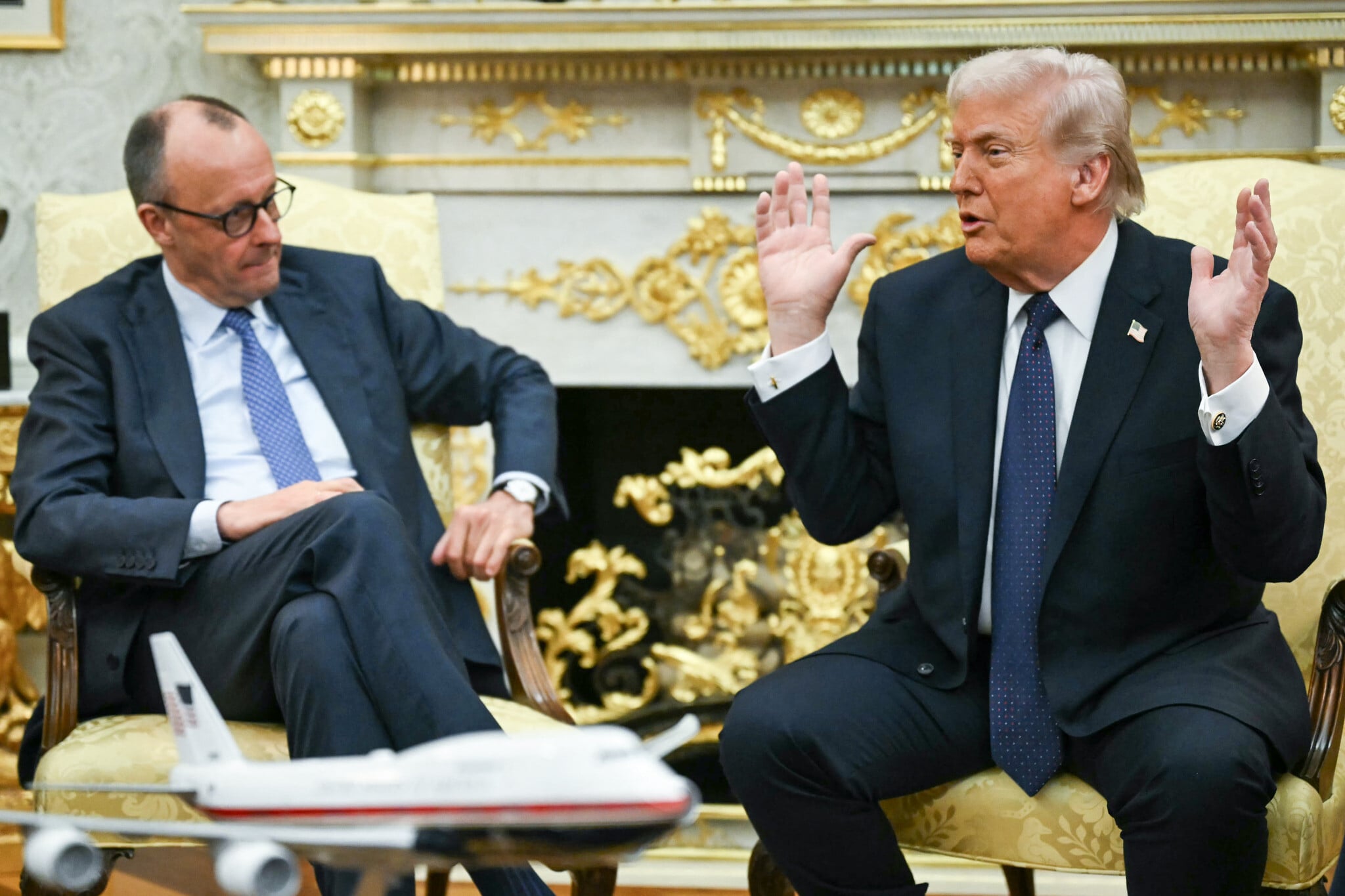
Tariff Arbitrage Window: Trump's broader tariff threats (mentioned in the news as context for transatlantic tensions) create urgency for European buyers to source defense equipment before potential tariff escalations. Sellers can capitalize on this 90-180 day window by offering pre-tariff pricing on military-specification goods. The congressional defense bill's 76,000-troop floor (preventing deeper cuts) signals sustained US-Germany military relationship, protecting long-term supply chain stability for sellers serving this corridor.
Competitive Shift: Mid-market industrial suppliers (€5-50M revenue) gain advantage over large defense contractors. European procurement rules increasingly favor distributed sourcing to reduce US dependency—creating openings for specialized component suppliers, logistics providers, and equipment manufacturers previously locked out by consolidated defense contracts. Sellers with certifications in NATO-compatible standards (ITAR compliance, NATO STANAG protocols) command 15-25% price premiums during this transition period.
Questions 8
How can mid-market sellers compete against large defense contractors in this procurement surge?
European procurement rules increasingly favor distributed sourcing to reduce US dependency—creating openings for specialized component suppliers previously locked out by consolidated defense contracts. Mid-market sellers (€5-50M revenue) gain competitive advantage by: (1) Specializing in niche components (communications, automation, logistics systems) rather than competing on full-system contracts; (2) Obtaining NATO STANAG certification to command 15-25% price premiums; (3) Establishing local partnerships with German, Polish, and UK procurement offices to navigate bureaucratic processes; (4) Offering faster delivery (6-12 weeks vs. 12-24 months for large contractors) to meet compressed procurement timelines. The 6-12 month implementation window favors agile suppliers over large contractors with long lead times. Sellers should position as specialized suppliers filling gaps in distributed procurement networks rather than competing on price with established defense contractors.
How does Trump's broader tariff threat context affect defense equipment sourcing strategies?
Trump's tariff threats (mentioned as context for transatlantic tensions) create urgency for European buyers to lock in pre-tariff pricing on defense equipment. This accelerates the procurement timeline from typical 12-18 months to 6-9 months. Sellers can capitalize by offering pre-tariff pricing on military-specification goods, creating 10-15% margin premiums compared to standard industrial equipment. The tariff uncertainty also incentivizes European buyers to diversify sourcing away from US suppliers—creating opportunities for sellers in Japan, South Korea, and non-US EU manufacturers. Sellers should monitor Trump tariff announcements closely; each new tariff threat compresses the procurement window further and increases buyer urgency.