



Spirit Airlines Collapse Reshapes Air Cargo Costs | E-Commerce Sellers Face 8-15% Shipping Increases
- Budget carrier's May 2025 shutdown eliminates 300 daily flights, reduces air cargo capacity for time-sensitive inventory, and triggers industry-wide fare increases affecting cross-border sellers relying on expedited logistics





















Overview
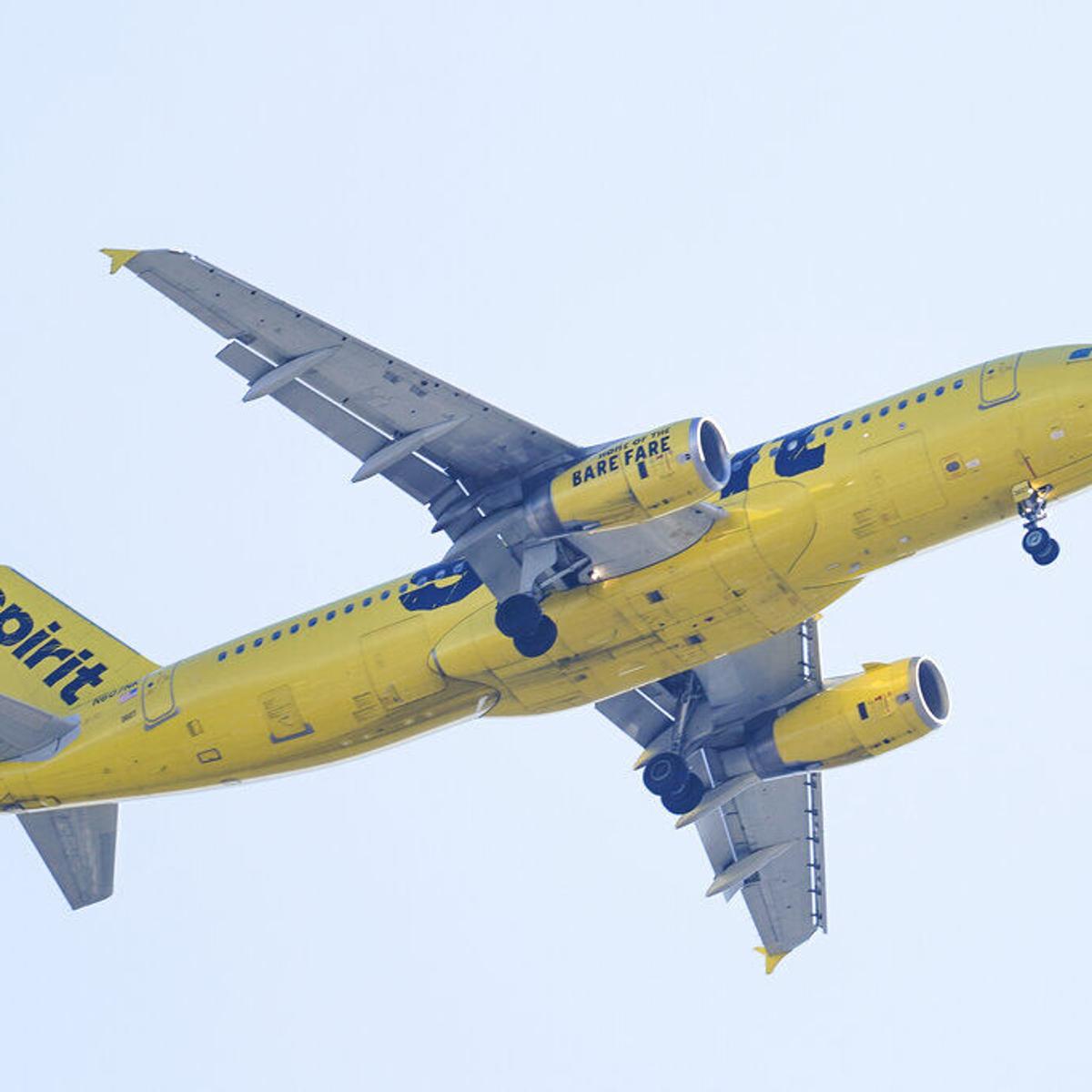
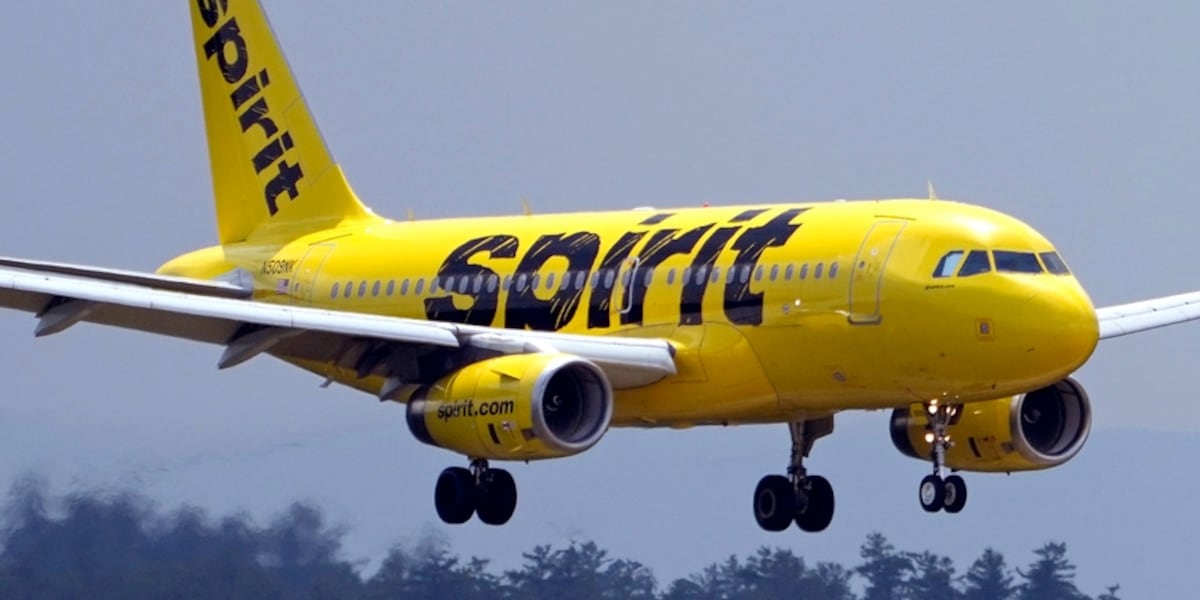
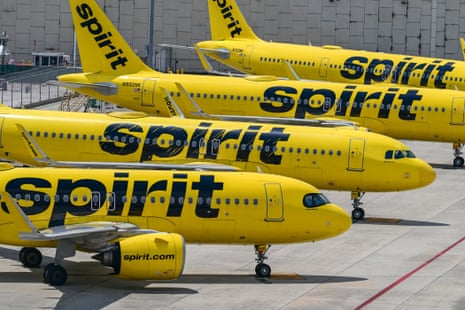
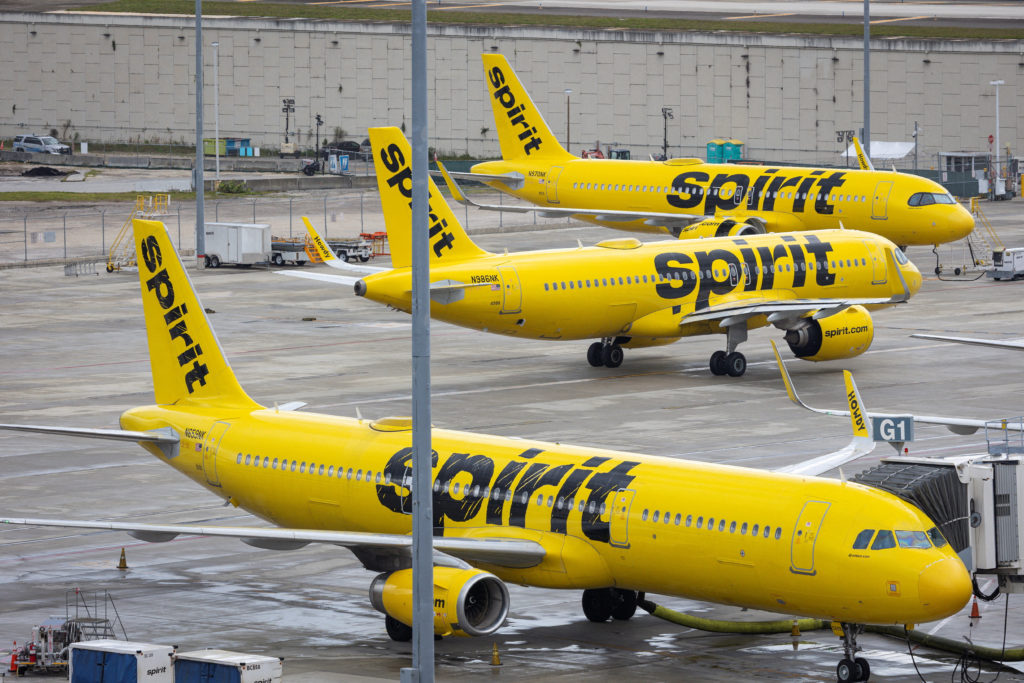
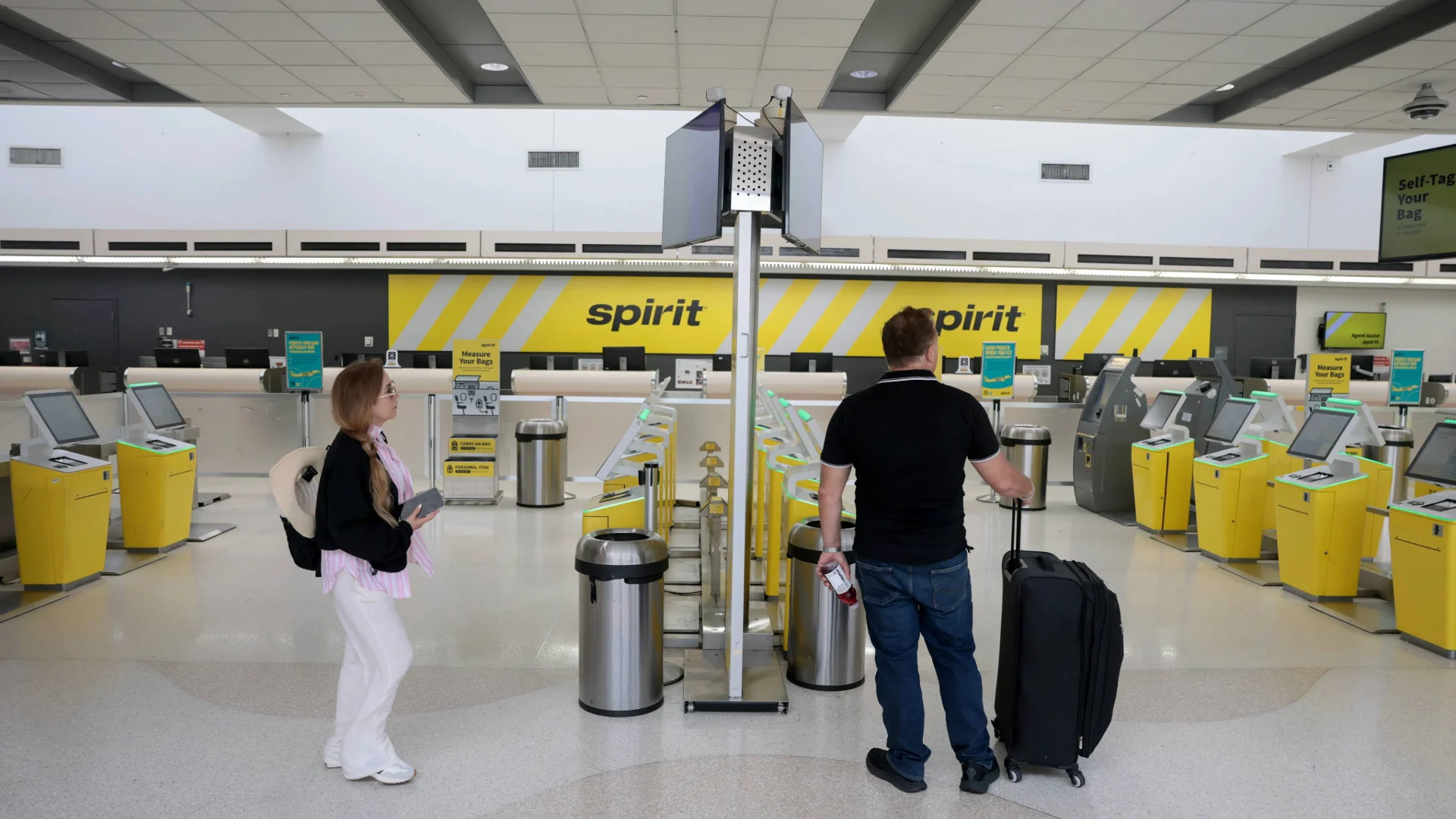
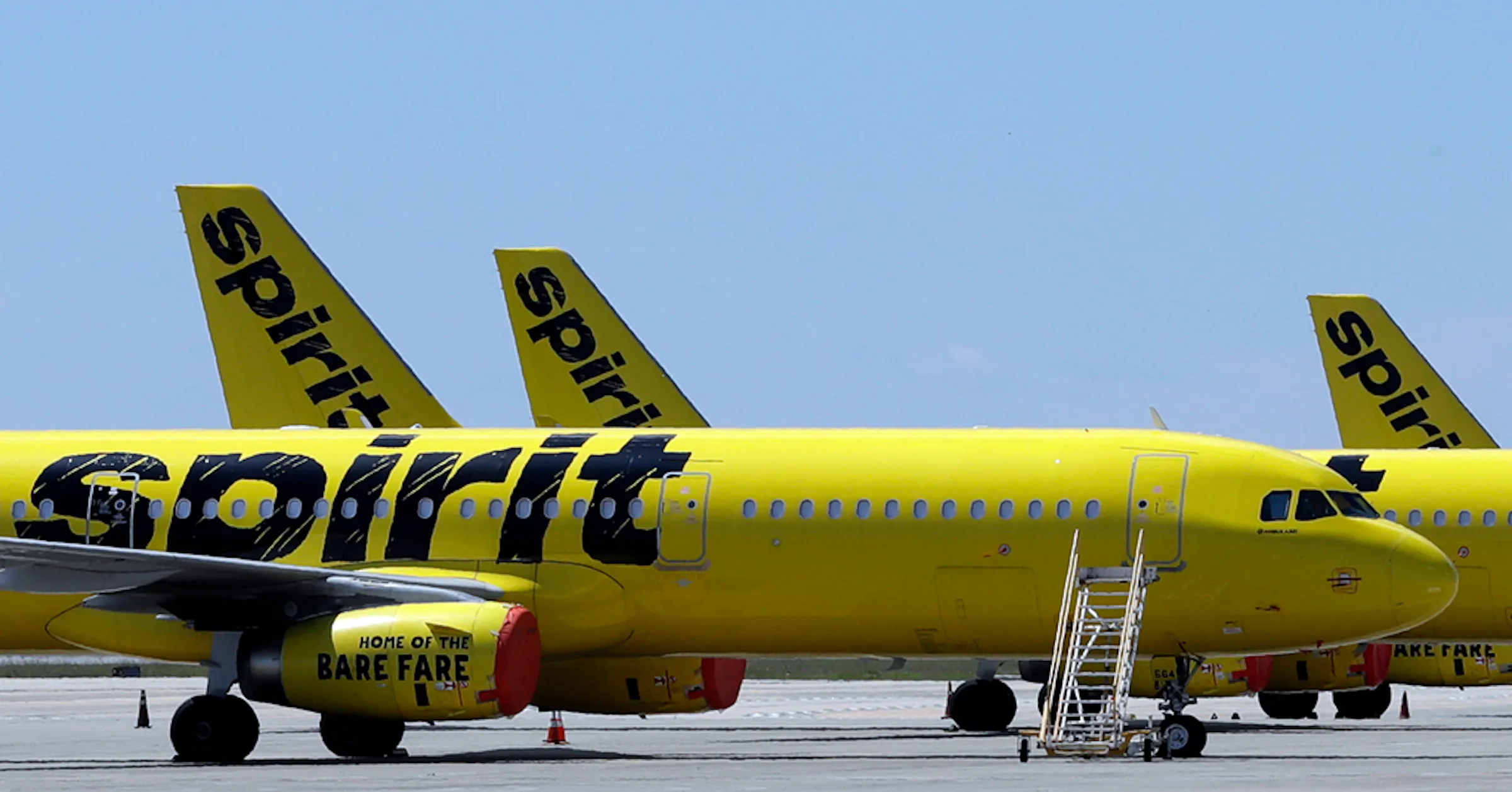
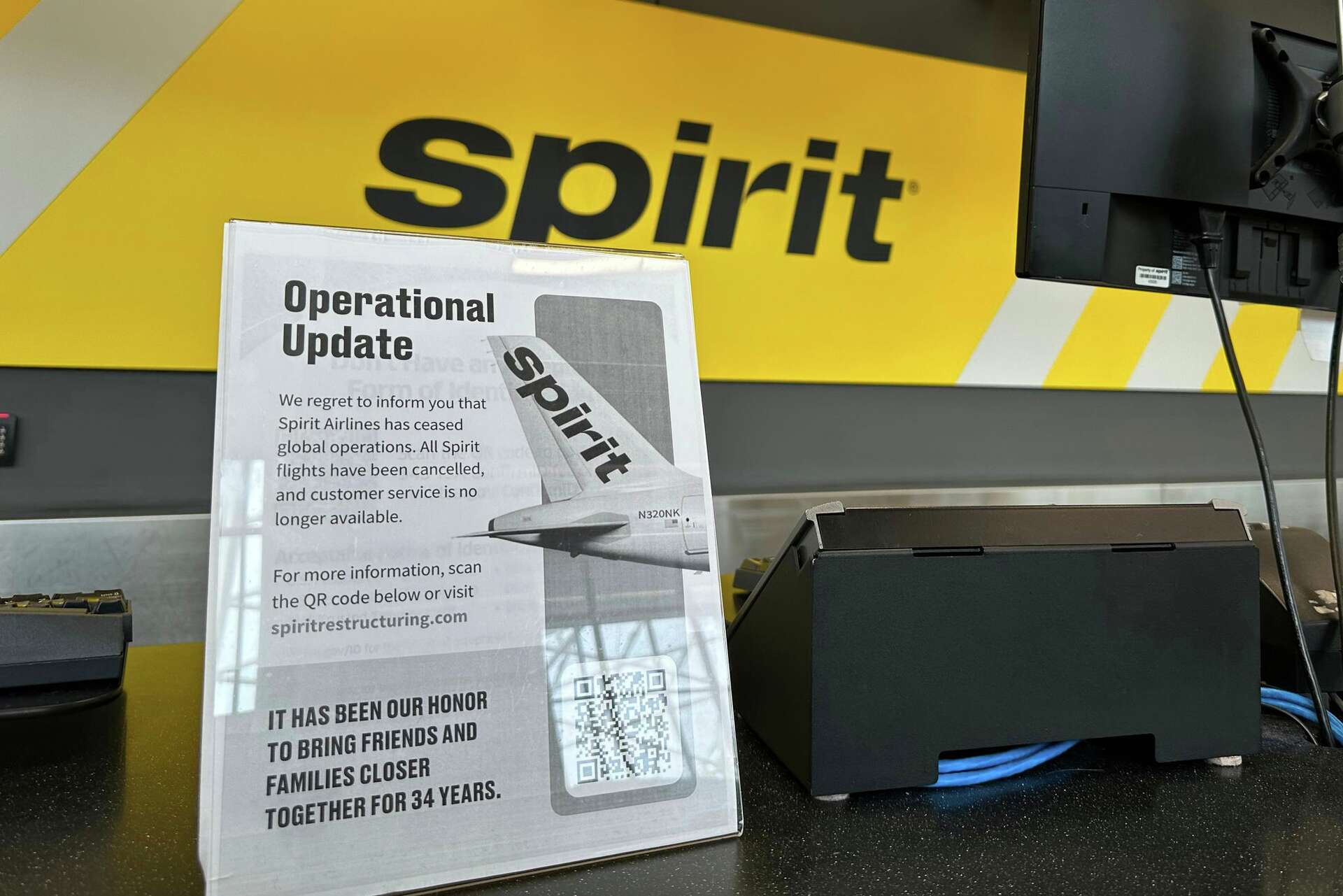
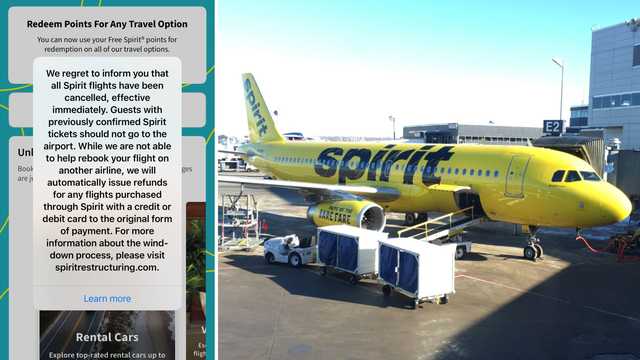
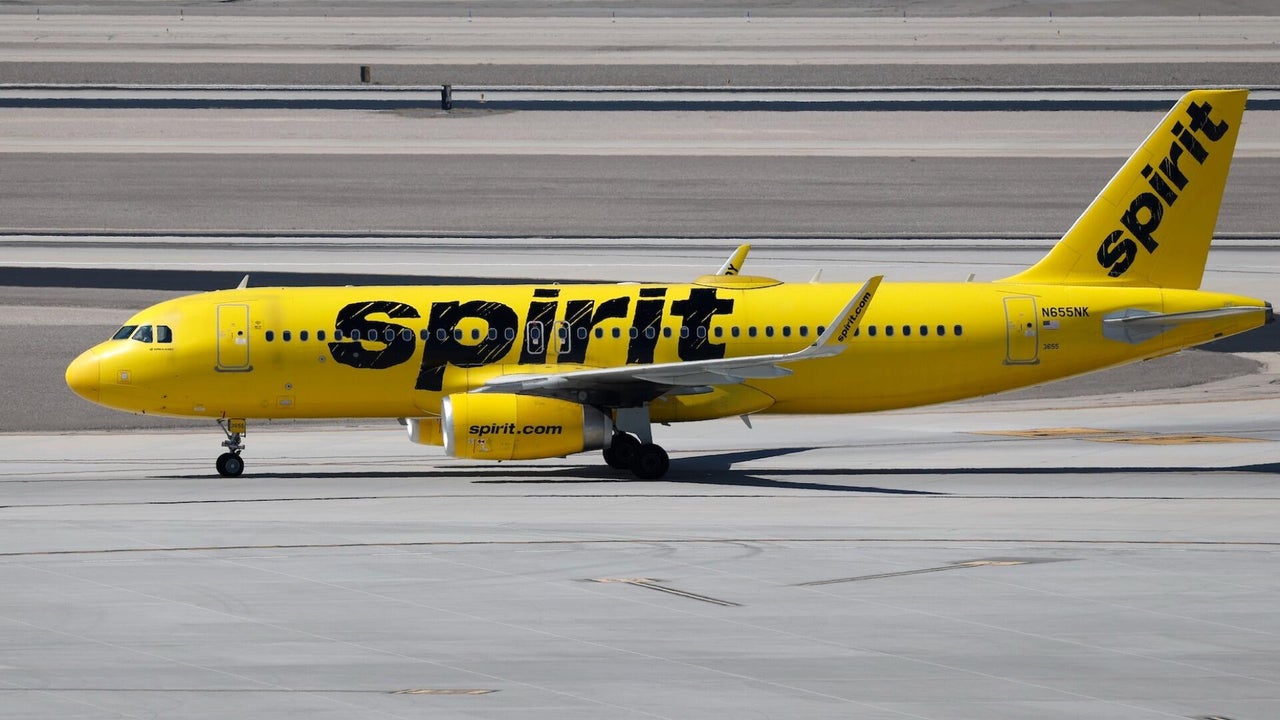
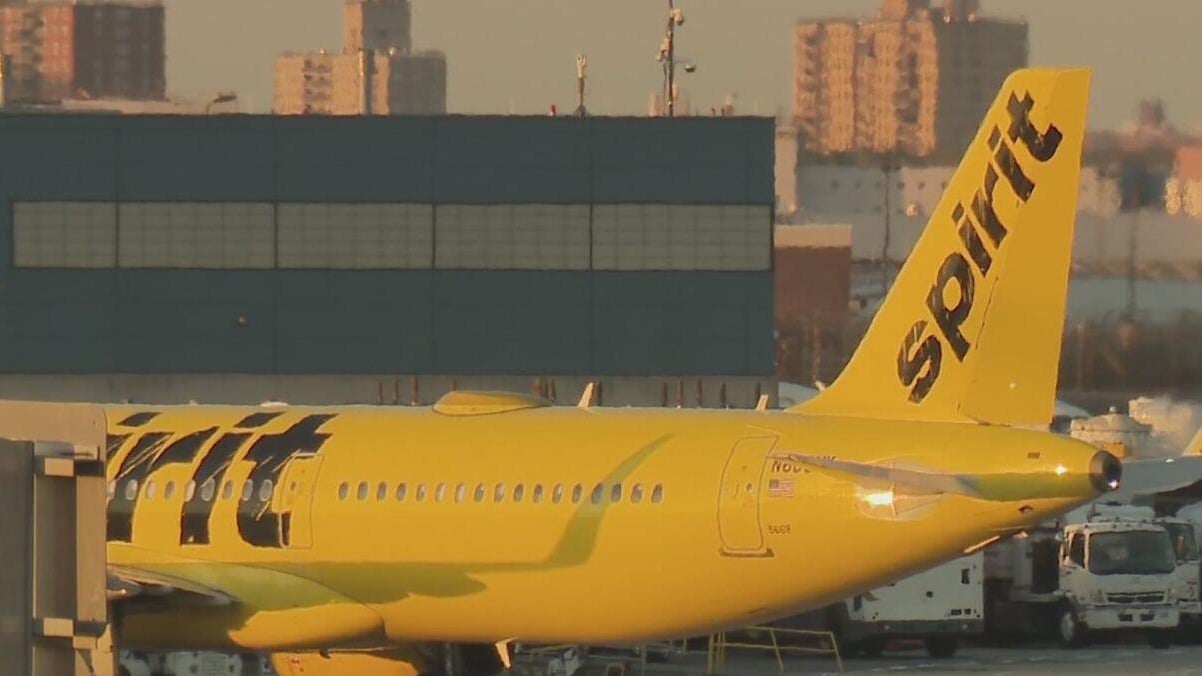
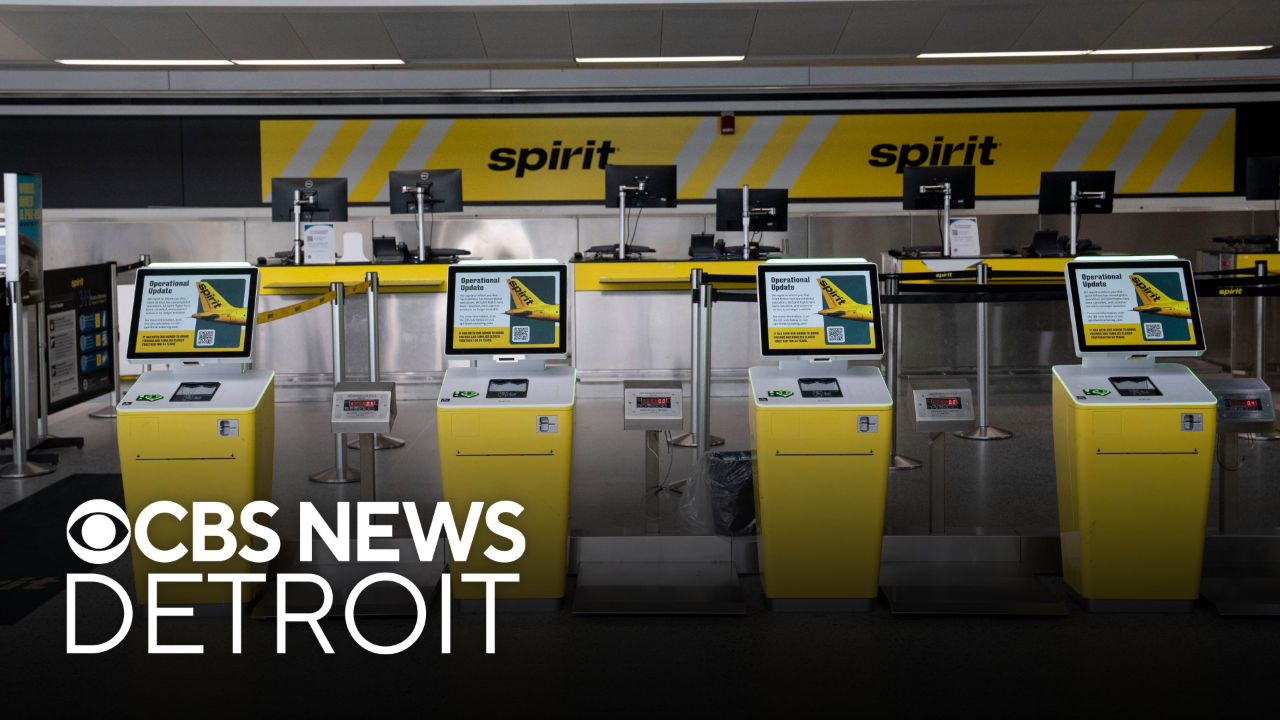
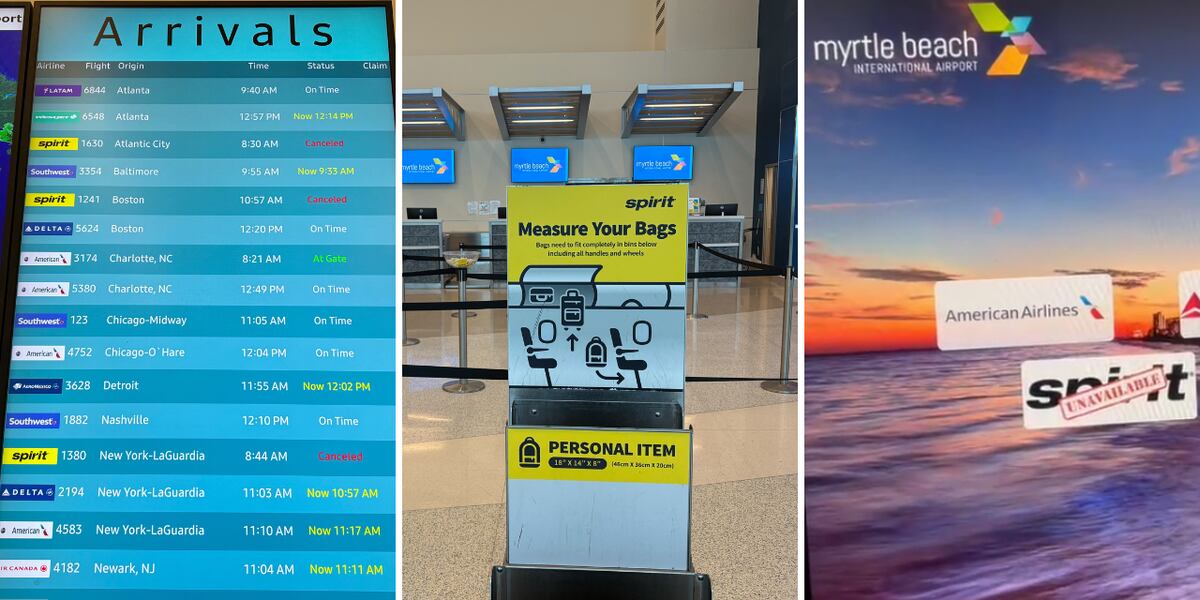
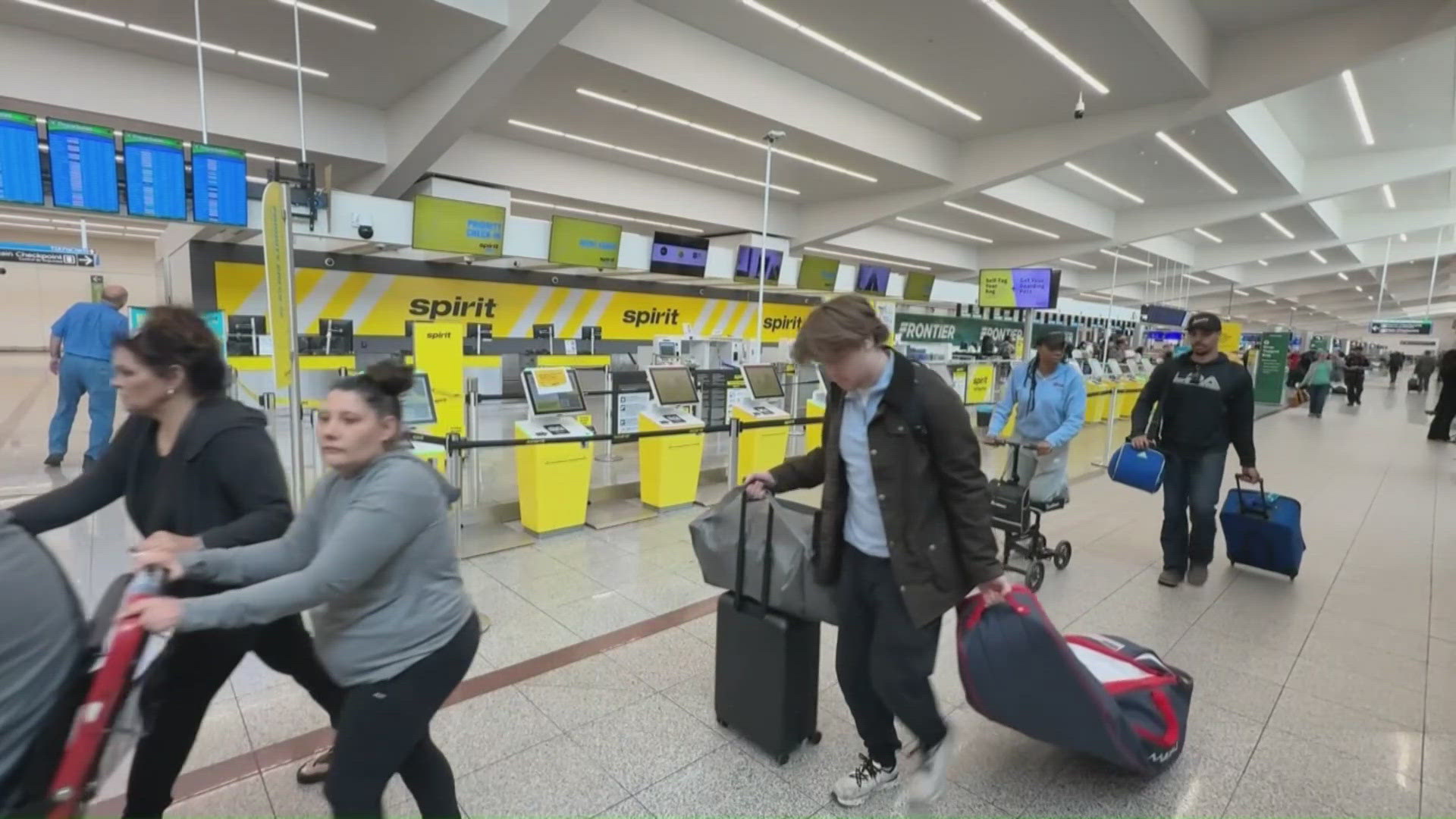
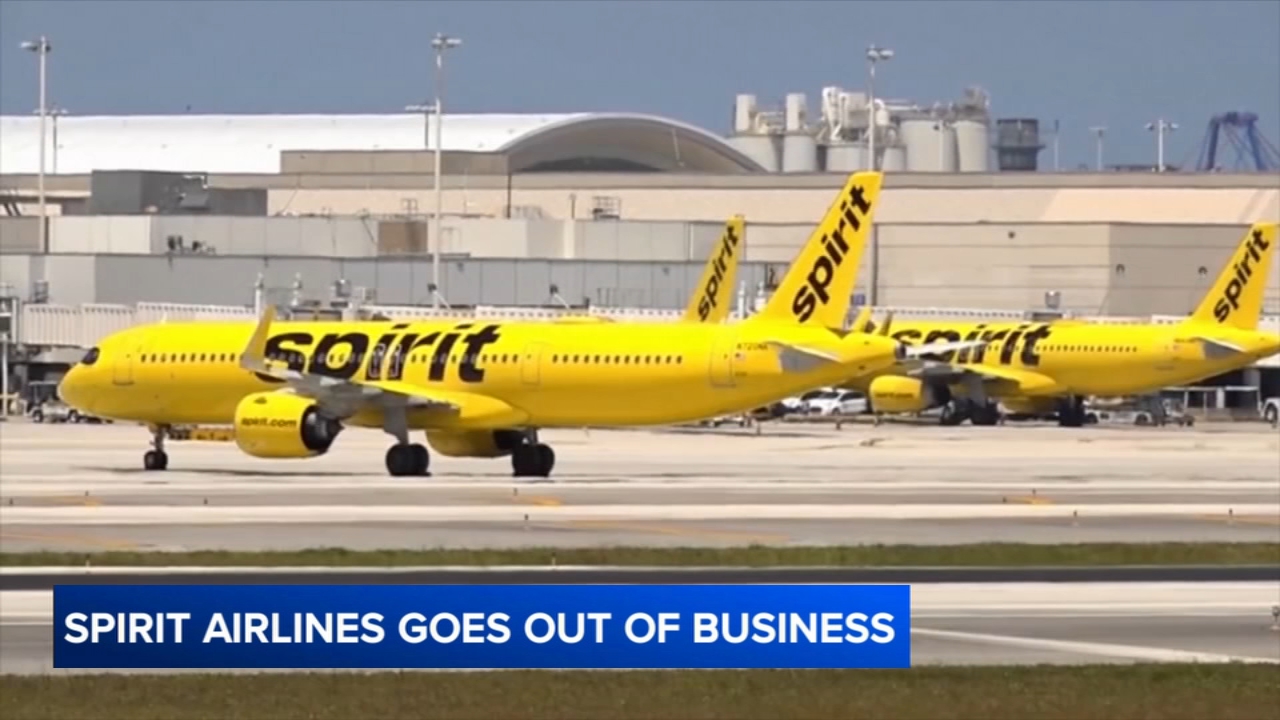
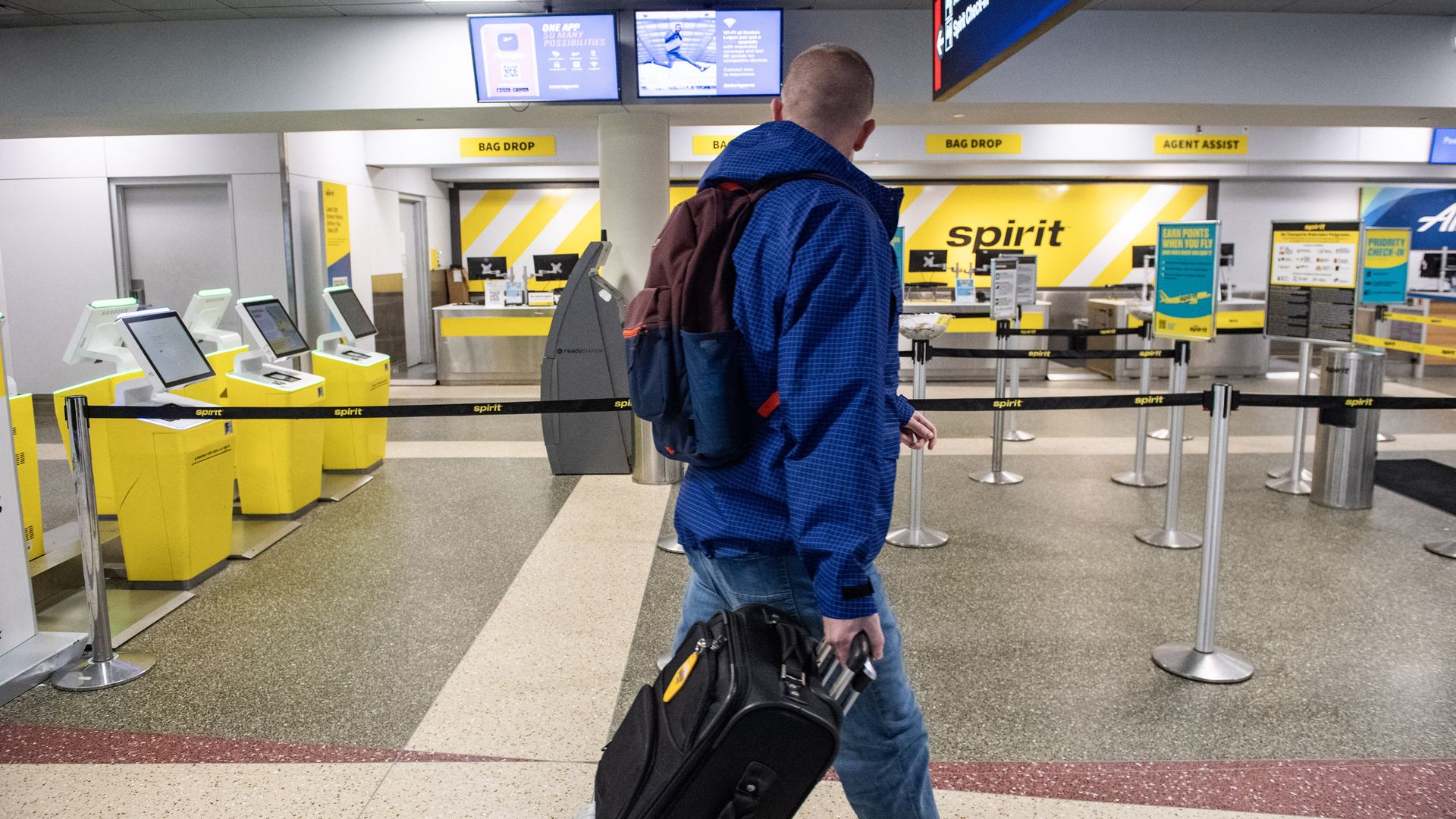
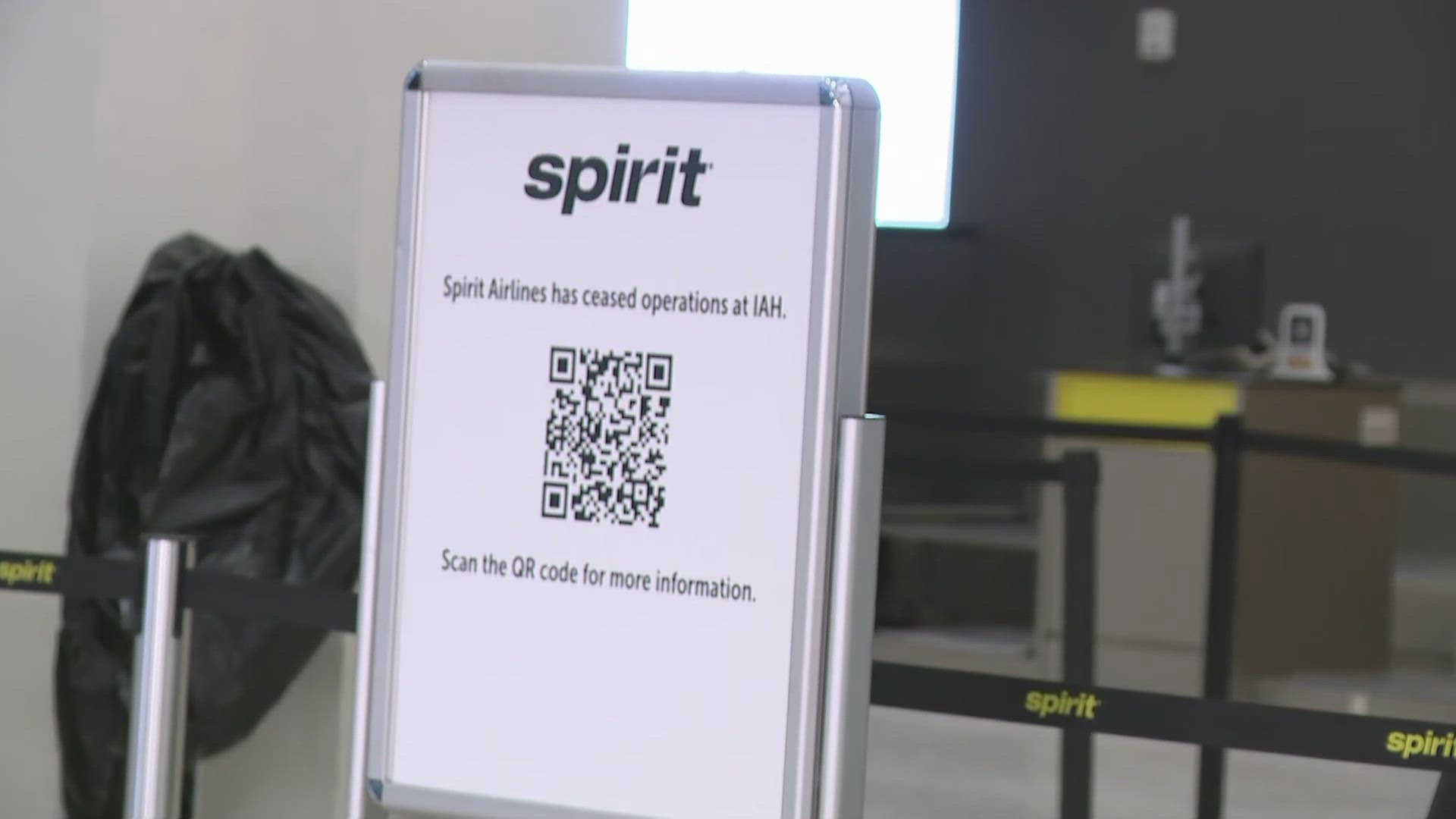
Spirit Airlines' permanent shutdown on May 2, 2025, represents the first major U.S. airline failure in 25 years, eliminating 300 daily flights across 72 airports and creating immediate supply chain disruptions for cross-border e-commerce sellers. The budget carrier's collapse removes a critical low-cost air cargo provider that previously offered competitive freight rates for time-sensitive shipments, perishable goods, and electronics requiring expedited domestic and international logistics. Industry analysts predict the shutdown will increase fares across remaining carriers by 8-15% as Spirit's aggressive pricing previously forced competitors to maintain competitive rates.
The regulatory and political context reveals how antitrust decisions directly impact logistics infrastructure. The Trump administration declined a $500 million bailout in May 2026, stating it would only invest "if it's a good deal," while the Biden administration's Justice Department blocked Spirit's proposed $3.8 billion merger with JetBlue in early 2024. This regulatory blocking, intended to preserve competition, paradoxically resulted in complete market exit rather than competitive preservation. Federal Judge William Young's decision to block the merger eliminated the only viable consolidation path, leaving Spirit unable to achieve operational scale. The failed merger signals broader consolidation pressures in the U.S. airline industry and may influence future regulatory decisions regarding airline M&A, with implications for logistics infrastructure supporting e-commerce nationwide.
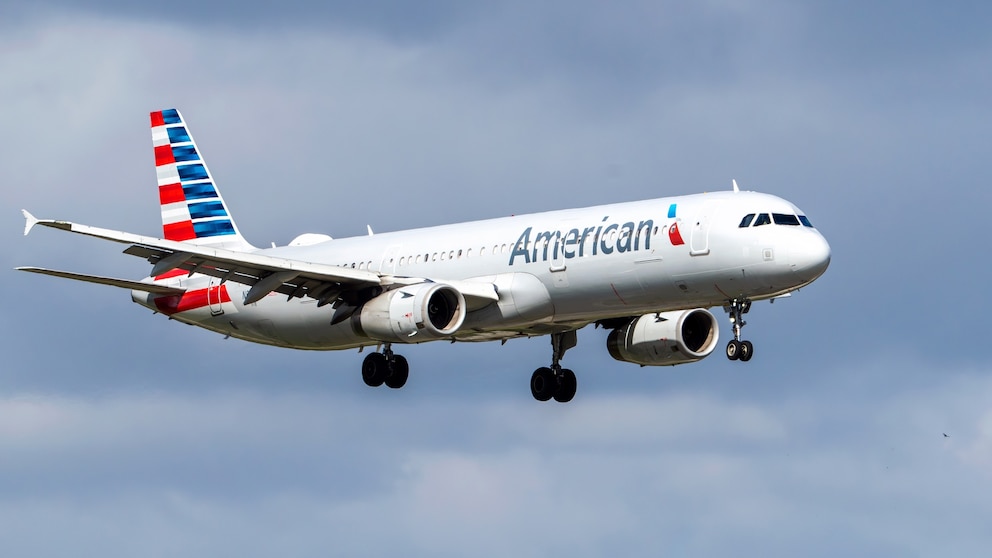
For cross-border e-commerce sellers, the immediate impact manifests in three critical areas: reduced air cargo capacity, increased shipping costs, and longer delivery times. Sellers relying on budget-friendly air transport for perishable goods, electronics, and time-sensitive inventory face 10-20% cost increases as remaining carriers (United, Delta, JetBlue, Southwest, American) consolidate capacity and raise rates. The shutdown particularly affects Latin American routes where Spirit maintained significant presence, disrupting cross-border travel patterns and inventory distribution networks. Sellers utilizing Spirit's freight services for expedited domestic and international logistics must immediately identify alternative 3PL providers and air cargo carriers. The coordinated industry response—with major carriers capping rescue fares at $199-$400 one-way through May 16—demonstrates regulatory oversight of passenger protection but provides no equivalent relief for cargo operations. This creates a 60-90 day window where sellers must renegotiate logistics contracts before new baseline rates become permanent.
Questions 8
What immediate actions should sellers take within 30 days of Spirit's shutdown?
Within 30 days: (1) Audit current logistics contracts and identify Spirit dependencies, (2) Contact alternative 3PL providers and air cargo carriers for rate quotes, (3) Renegotiate multi-month contracts before rates stabilize, (4) Evaluate inventory distribution across regional fulfillment centers, (5) Assess which product categories can shift to ground shipping. For sellers with active Spirit bookings, contact United, Delta, JetBlue, or Southwest directly with confirmation numbers for rescue fares through May 16. Document all cost increases for potential margin adjustments.
How will Spirit's shutdown impact Latin American cross-border e-commerce routes?
Spirit maintained significant presence on Latin American routes, particularly Fort Lauderdale-San Juan and other Caribbean/Central American connections. The shutdown reduces air cargo capacity on these routes, increasing shipping costs and delivery times for sellers serving Latin American markets. JetBlue capped basic economy fares at $299 on Fort Lauderdale-San Juan routes through May 6, but cargo capacity remains constrained. Sellers should contact regional carriers and 3PL providers with Latin American expertise. Consider consolidating shipments to reduce per-unit costs and evaluate whether slower maritime shipping is viable for non-perishable inventory.