




AI Transforms Prosthetics: How Machine Intelligence Bridges Human Potential
- Breakthrough neural-sensing technologies redefine assistive devices for amputees






Overview
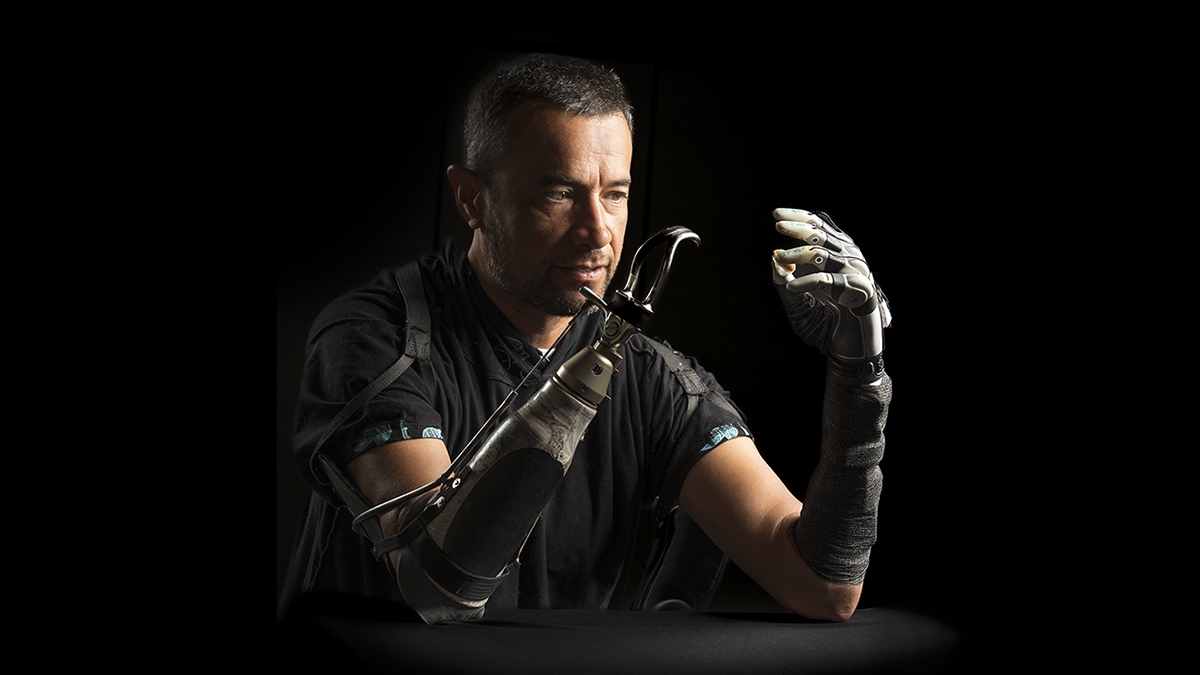
Artificial intelligence is revolutionizing prosthetic technology by transforming how robotic limbs integrate with human neural control and movement. The groundbreaking research from the University of Utah reveals a pivotal shift in assistive technology: moving from mechanical replacements to intelligent, adaptive extensions of human capability.
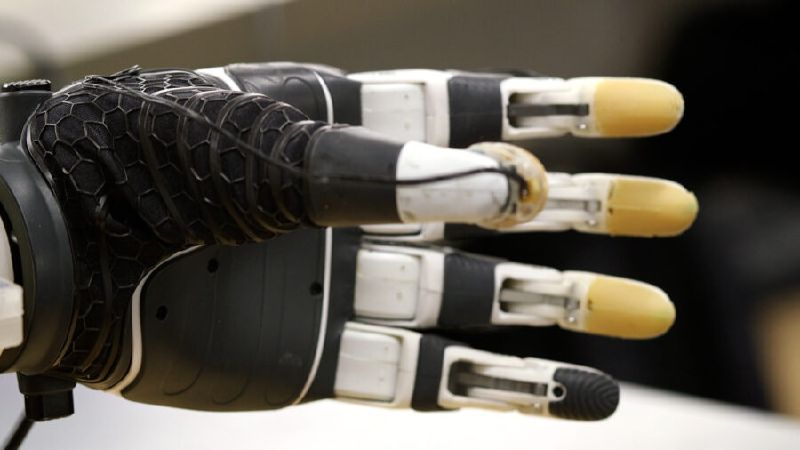
Cognitive load reduction emerges as a critical breakthrough in prosthetic design. Current bionic hand technologies have a significant adoption challenge - approximately 20-50% of amputees stop using prosthetic devices due to complex mental effort required for precise manipulation. The AI-enhanced system developed by researchers addresses this fundamental barrier by automatically positioning hand fingers and interpreting user intentions through electrical muscle signals.
The key innovation lies in shared neural control, where AI doesn't replace human agency but collaborates with it. By using proximity and pressure sensors, the prosthetic hand can dynamically adjust its grip, shape, and positioning. During testing, participants could reliably perform tasks like grasping and lifting objects - a capability impossible with previous prosthetic designs. This represents more than a technological upgrade; it's a fundamental reimagining of human-machine interaction.
Looking deeper, this research signals a broader transformation in assistive technology. The prosthetic is no longer a passive tool but an intelligent partner that learns and adapts. Researchers predict AI-enhanced prosthetics will become commonplace within five to ten years, dramatically improving quality of life for individuals with limb differences. The psychological impact is equally significant - these devices help amputees feel more connected to their prosthetic limbs, reducing the emotional and cognitive distance between human intention and mechanical action.
The long-term implications extend far beyond medical devices. This breakthrough demonstrates how artificial intelligence can create more intuitive, responsive technologies that understand and anticipate human needs. By reducing cognitive burden and creating more natural interactions, AI is not just augmenting human capabilities but fundamentally reimagining the boundaries between biological and technological systems.
Questions 4
What makes this prosthetic technology different from previous designs?
Unlike traditional prosthetics that require intense cognitive focus, this AI-enhanced hand uses proximity and pressure sensors to share neural control. It can automatically detect object distance, shape, and holding pressure, allowing users to perform tasks like grasping and lifting more naturally.
When will AI-enhanced prosthetics become mainstream?
Researchers predict that AI-enhanced prosthetics will become commonplace within five to ten years. The technology is rapidly evolving to create more adaptive, responsive devices that can dynamically adjust grip, shape, and positioning based on user intentions.