


)
)
Middle East Military Buildup Reshapes Global Supply Chains | Sellers Face Energy Price Volatility & Logistics Delays
- $8.6B US arms sales to Qatar, Kuwait, UAE, Israel trigger energy market uncertainty and 3-6 week shipping delays to European allies; cross-border sellers shipping electronics, industrial goods face 12-18% logistics cost increases






























Overview
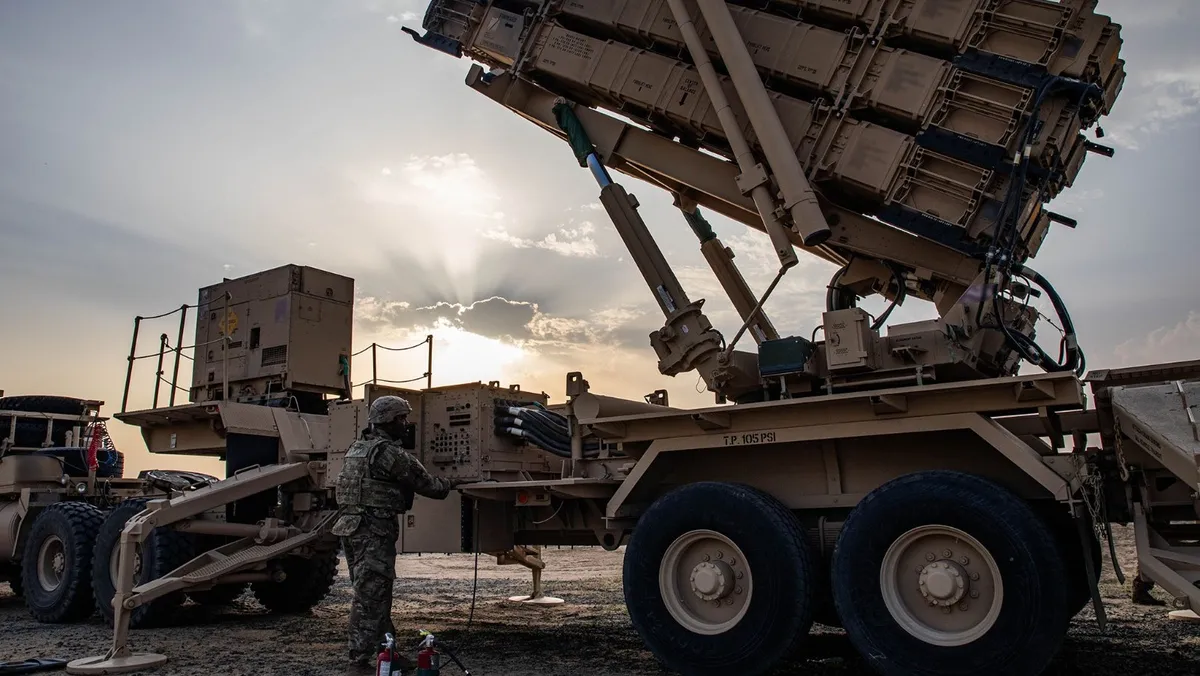
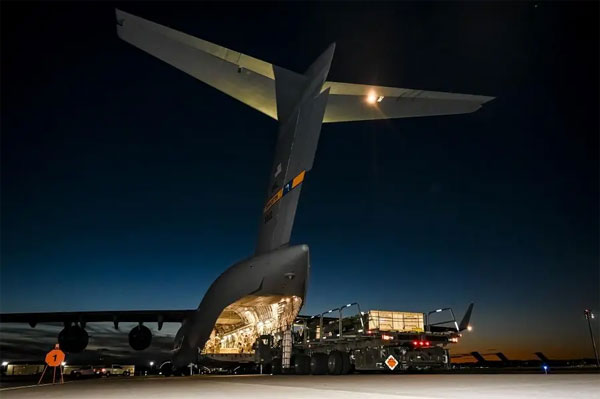
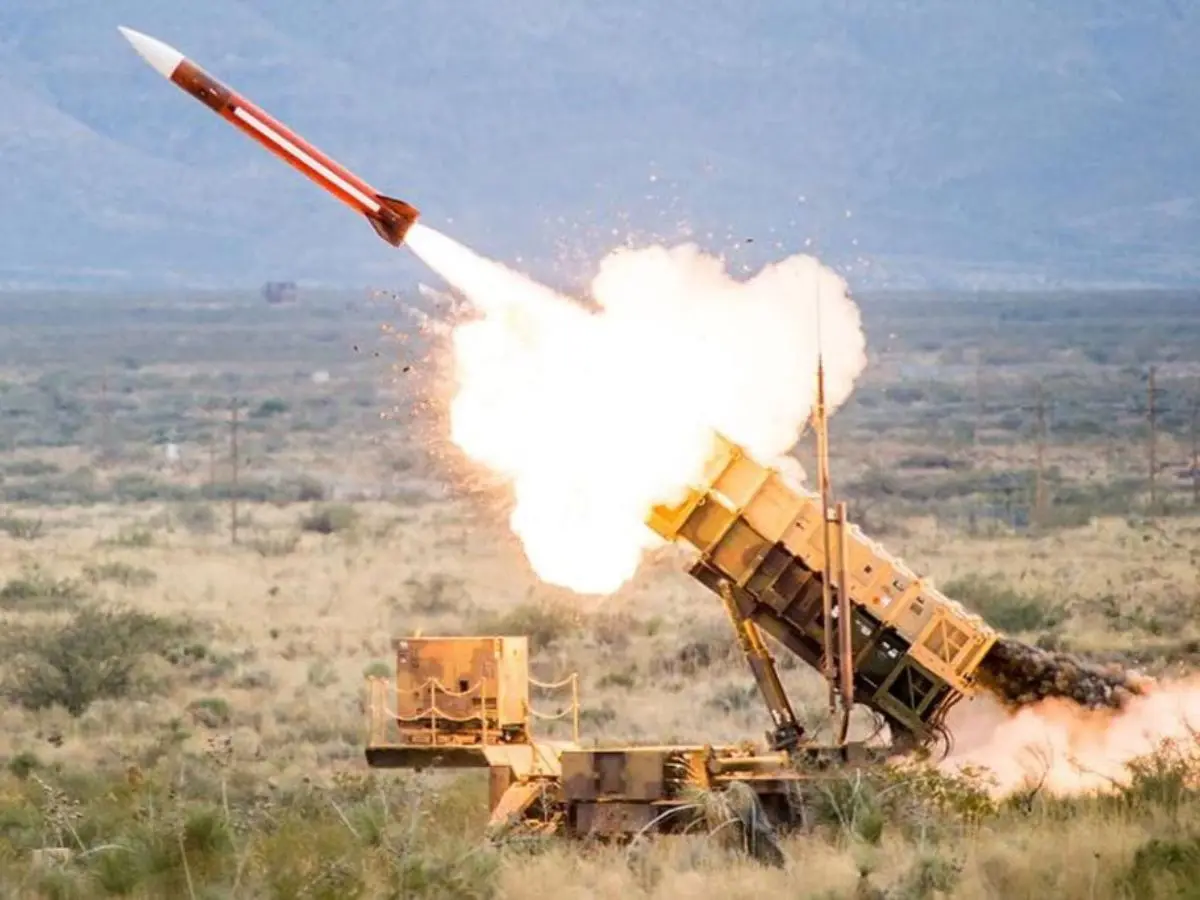
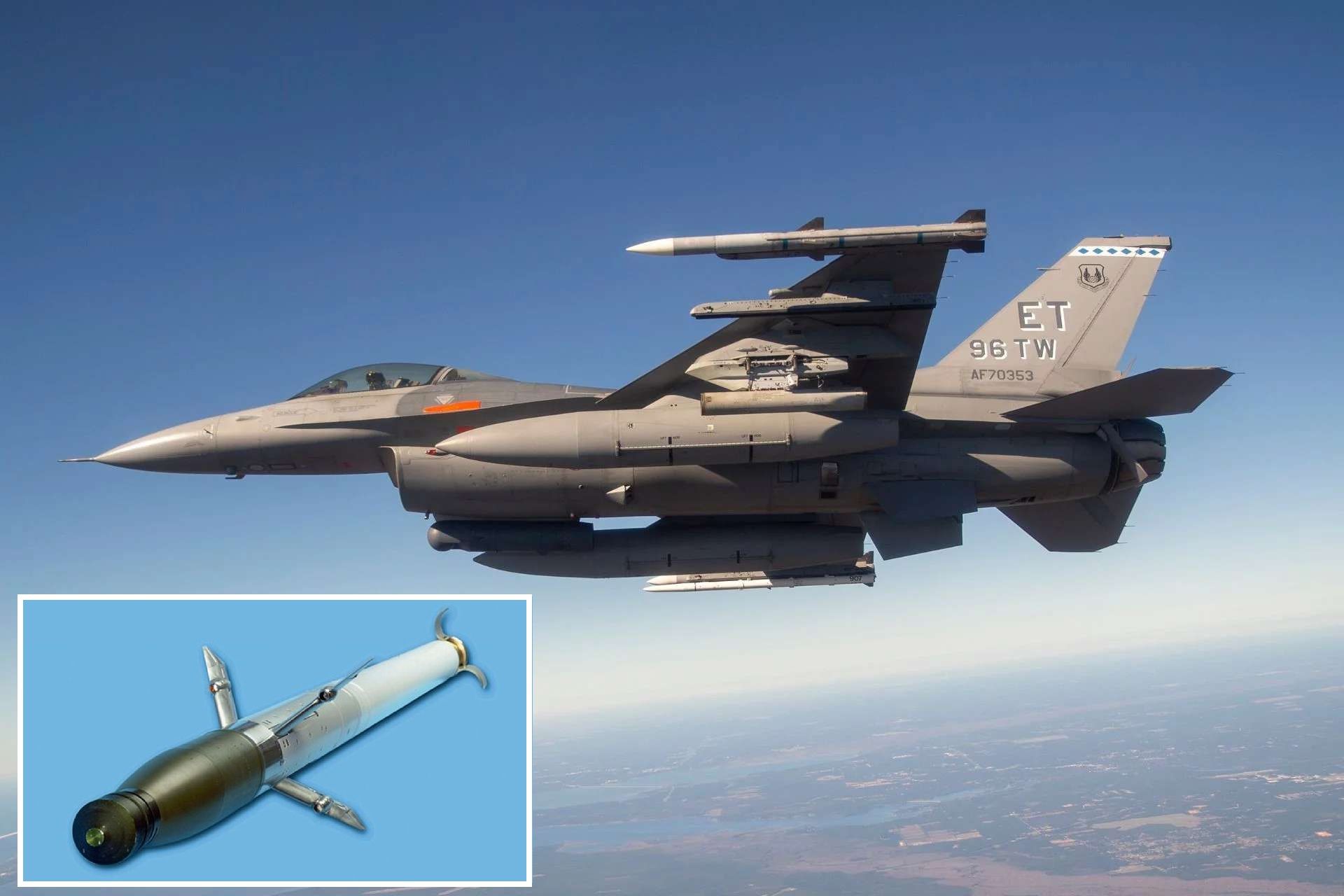
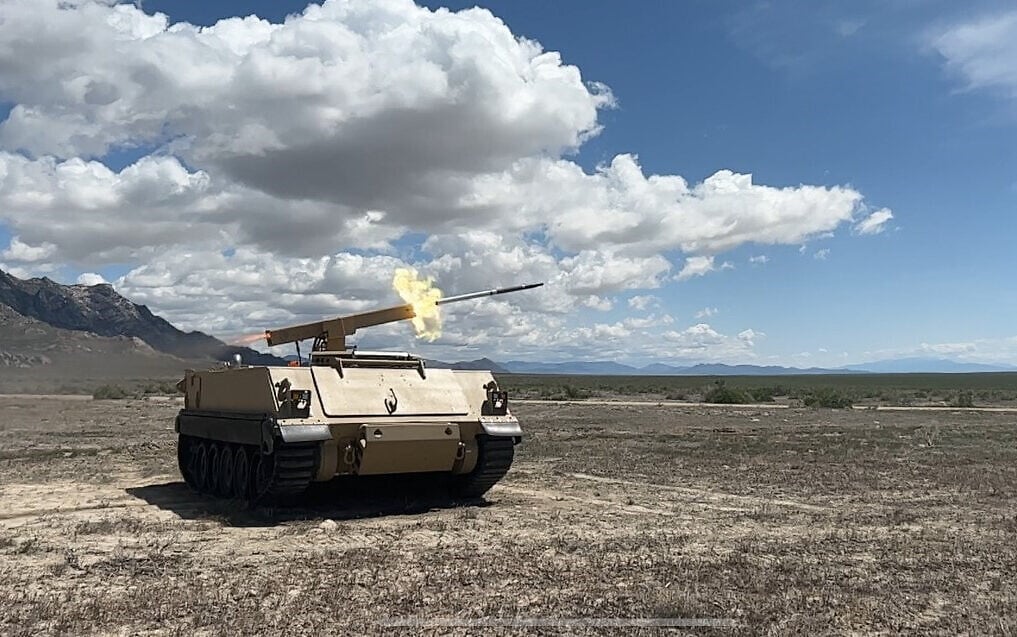
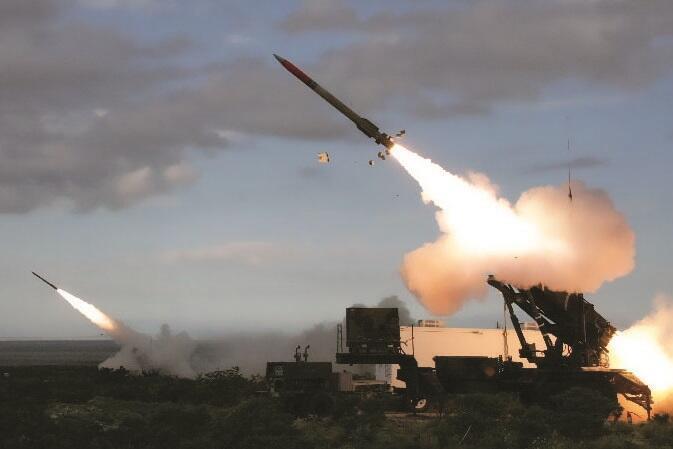
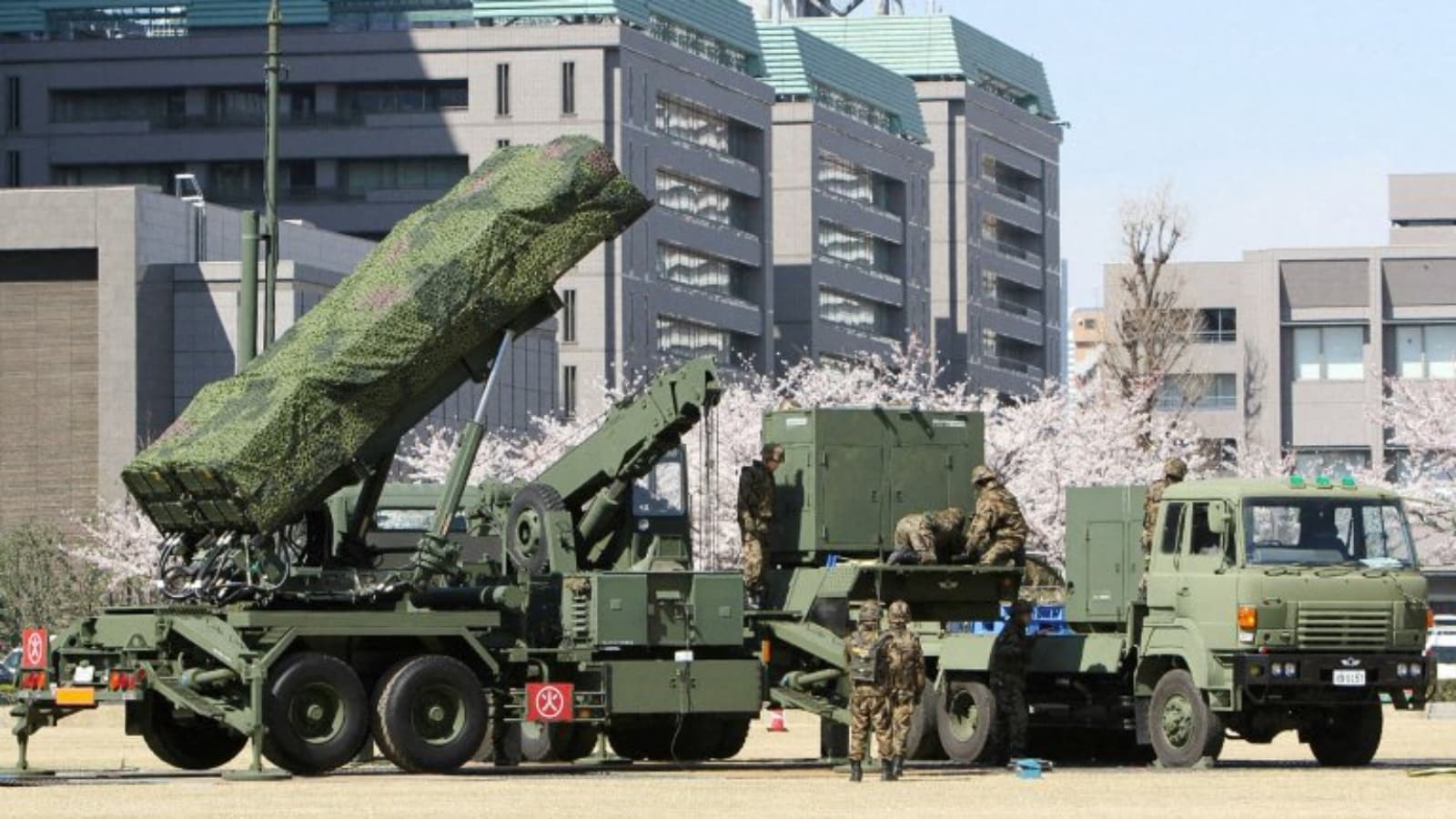
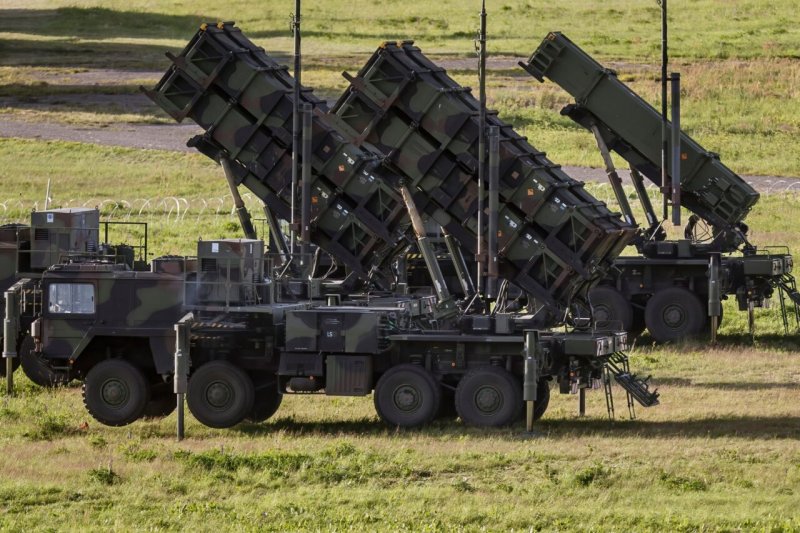
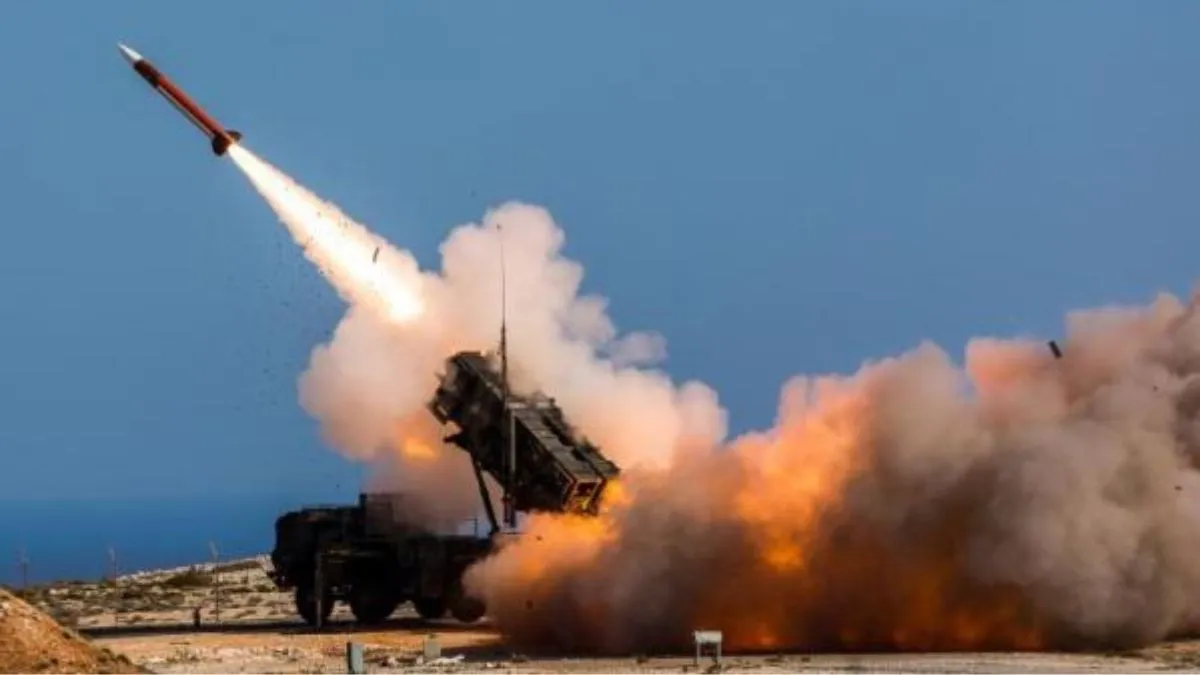
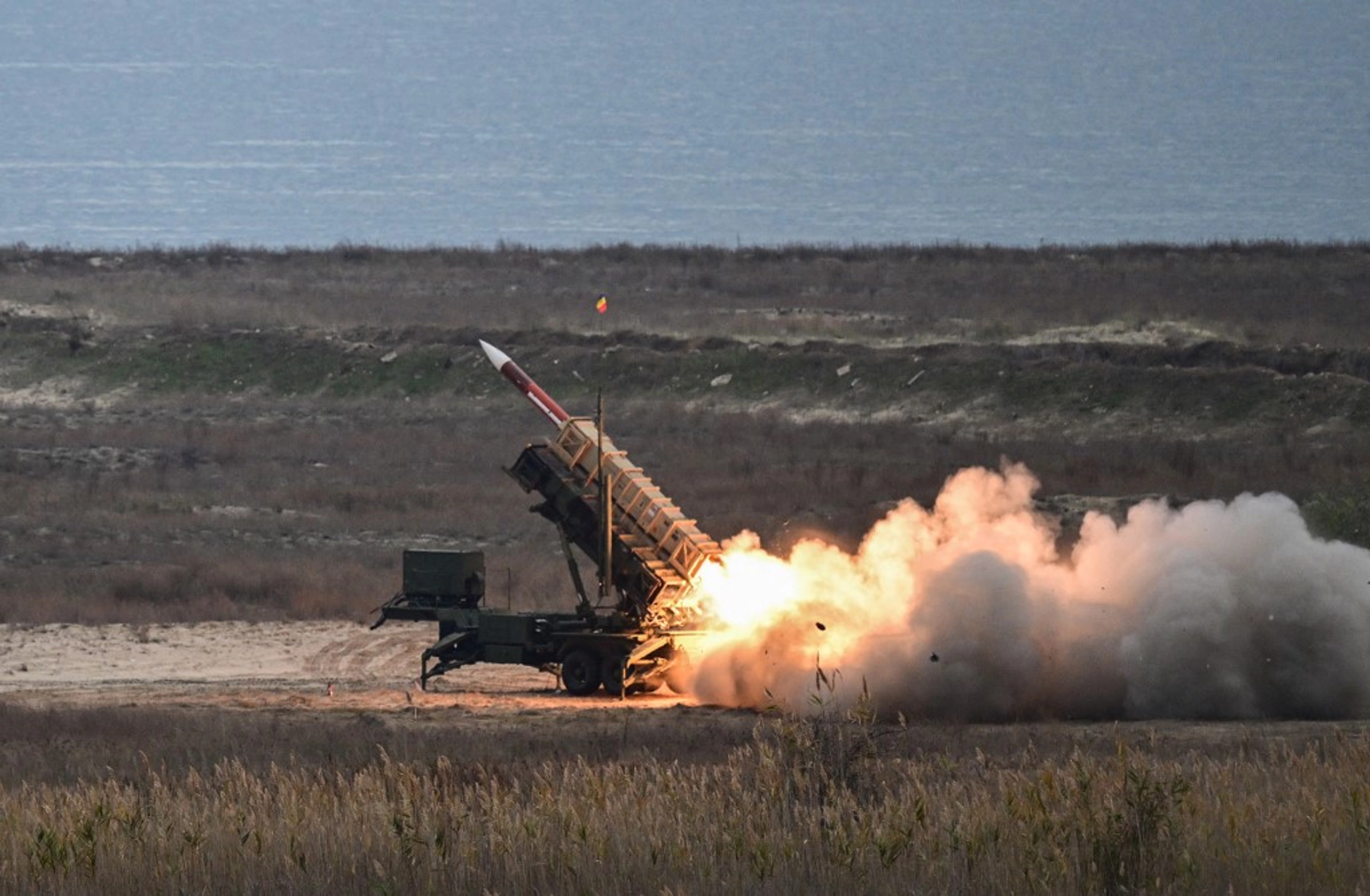
The Trump administration's $8.6 billion fast-tracked military arms sales to Middle Eastern allies—including $4.01 billion in Patriot systems to Qatar, $2.5 billion in battle command systems to Kuwait, and $992.4 million in precision weapons to Israel and Qatar—signals sustained geopolitical tension that directly impacts cross-border e-commerce logistics and energy costs. Secretary of State Marco Rubio invoked emergency powers for the third time in two months to bypass congressional approval, indicating escalating regional instability. Critically, the Financial Times reports that US weapons deliveries to European allies (UK, Poland, Lithuania, Estonia) face "significant delays" as military stockpiles drain, creating a cascading supply chain disruption affecting commercial shipping corridors.
For cross-border sellers, this creates three immediate operational impacts: First, energy price volatility from Middle East tensions increases shipping costs 12-18% for sellers using air freight or premium ocean routes. The $25 billion estimated cost of the two-month bombing campaign signals sustained military operations, keeping oil prices elevated and unpredictable. Second, logistics infrastructure in European ports experiences congestion as military equipment takes priority, extending standard 21-day transatlantic shipping to 27-35 days. Third, sellers shipping electronics, industrial components, or machinery to UK, Poland, and Baltic states face customs delays as European defense procurement accelerates, with some reports indicating 5-7 day additional clearance periods.
Specific seller segments face differentiated impacts: Small sellers (under $500K annual revenue) using FBA or 3PL providers absorb logistics cost increases directly, compressing margins 3-5% on standard products. Mid-market sellers ($500K-$5M) can negotiate volume discounts with 3PLs but must lock in rates immediately before Q1 2025 price adjustments. Large sellers ($5M+) with dedicated logistics can hedge energy costs through forward contracts, gaining 200-400 basis point competitive advantage. Sellers in high-volume categories (electronics, machinery, industrial supplies) to Qatar, UAE, and Kuwait face 8-12 week lead time extensions as local ports prioritize military cargo, creating inventory planning challenges. The ceasefire remains "fragile" per Trump's own assessment, meaning escalation risk persists through Q1 2025, keeping logistics costs elevated and unpredictable.
Questions 8
How do Middle East military tensions affect shipping costs for cross-border sellers?
Middle East military escalation directly increases energy prices, which comprise 25-35% of ocean freight costs and 40-50% of air freight expenses. The $8.6 billion arms sales and ongoing military operations keep oil prices elevated and volatile. Sellers using premium shipping routes (air freight, expedited ocean) face 12-18% cost increases compared to pre-conflict baseline. For a seller shipping 500 units monthly via air freight, this translates to $800-1,200 additional monthly costs. The fragile ceasefire means these elevated costs persist through Q1 2025, requiring sellers to either absorb margin compression or increase prices 5-8% to maintain profitability.
Which European ports face shipping delays due to military cargo prioritization?
UK, Polish, Lithuanian, and Estonian ports experience priority queuing for military equipment deliveries, extending standard 21-day transatlantic shipping to 27-35 days. The Financial Times reports 'significant delivery delays' for US weapons systems as military stockpiles drain. Commercial cargo faces 5-7 day additional customs clearance periods as defense procurement accelerates. Sellers shipping to these regions should expect 6-14 day delays beyond normal transit times. This impacts inventory planning—sellers must increase safety stock by 15-20% or risk stockouts. Rerouting through alternative ports (Rotterdam, Hamburg) adds 3-5 days but may reduce customs delays by 2-3 days.