




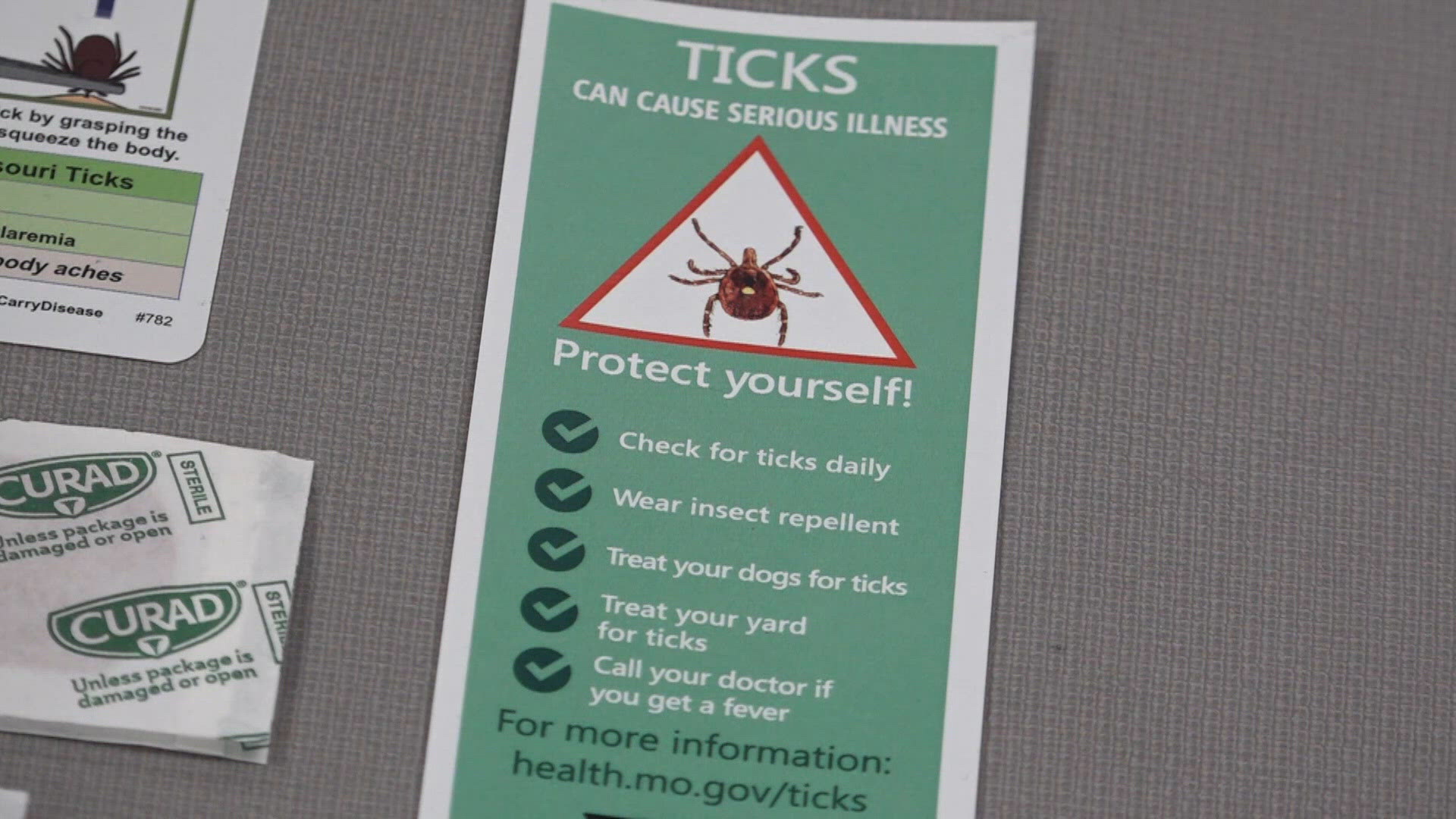

Tick Season Boom Drives $2.1B Outdoor Protection Market | Seller Opportunity
- Emergency room visits for tick bites reach 9-year highs; 931M annual bites create massive demand for DEET repellents, permethrin clothing, and tick removal tools across Amazon, Walmart, and specialty retailers























Overview
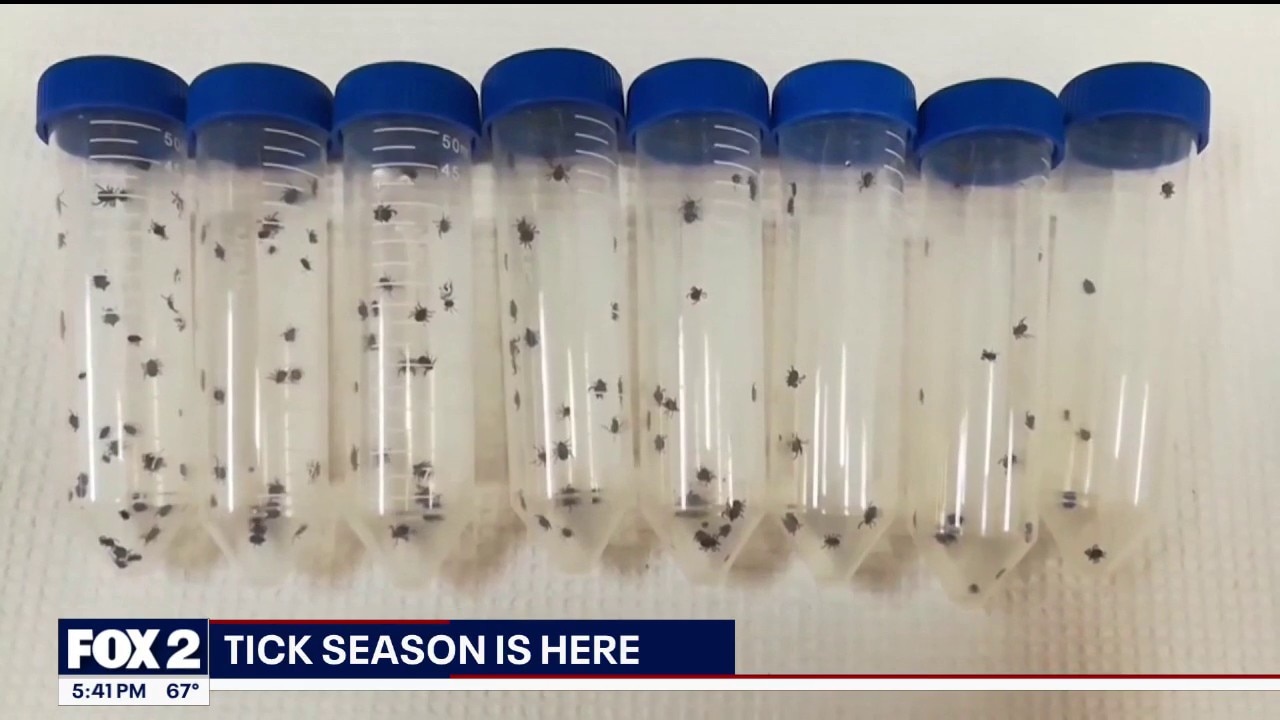
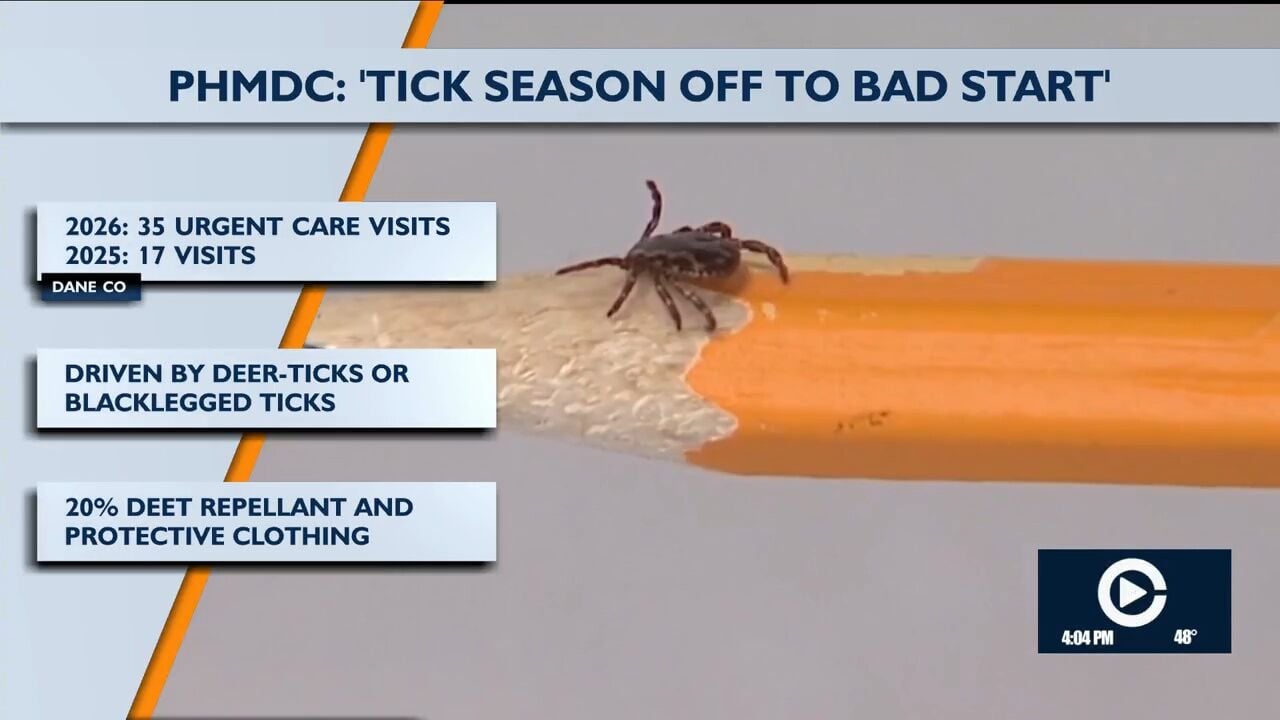
The United States is experiencing an unprecedented tick crisis that represents a significant e-commerce opportunity for sellers in the outdoor protection and health safety categories. According to CDC data reported in April 2024, emergency room visits for tick bites increased from 28 per 100,000 visits on March 15 to 31-34 per 100,000 visits by April 12—the highest weekly rates since 2017. Wisconsin's Department of Health Services recorded 244 tick-bite ER visits per 10,000 emergency room visits for the week ending April 19, approximately double the prior year. The New York Times reported that April 2026 saw more emergency-room visits for tick bites than any year since 2017, with blacklegged ticks expanding northward from traditional Northeast and Upper Midwest strongholds into Southern states, Michigan, Ohio, and the Appalachian Mountains. Wisconsin alone recorded a record 6,469 Lyme disease cases in 2024, with cases quadrupling over the past 20 years.
This public health crisis directly translates to explosive demand for protective products. The CDC estimates approximately 931 million people in the United States are bitten by ticks annually, with Lyme disease affecting an estimated 476,000 people yearly. Recommended prevention measures—DEET-based insect repellents (minimum 20% concentration), permethrin-treated clothing, tick removal tweezers, and protective gear—represent high-velocity product categories on Amazon, Walmart, eBay, and specialty outdoor retailers. Sellers specializing in outdoor apparel, health safety supplies, and pest control products are positioned to capture significant market share during peak tick season (May through October). The geographic expansion of tick populations into previously unaffected regions creates new customer acquisition opportunities in Southern states, Mid-Atlantic areas, and New England—markets that historically had lower demand for tick prevention products.
Operational implications for e-commerce sellers include seasonal inventory planning and category expansion. Sellers should anticipate 40-60% demand increases for DEET repellents, permethrin sprays, and tick removal kits during March-October peak season. Amazon FBA sellers in the health and outdoor categories should increase inventory allocation by 25-35% starting February to capture spring demand. Dane County's doubling of urgent care visits signals regional demand spikes that sellers can target through geographic PPC campaigns and localized inventory positioning. The warming climate trend—February 2025 was 6 degrees warmer than usual in Wisconsin, with April being the wettest on record—extends tick season earlier and longer, creating extended selling windows. Sellers should monitor regional weather patterns and adjust inventory distribution to high-risk areas (Northeast, Upper Midwest, expanding Southern regions) 4-6 weeks before typical peak season.
Risk mitigation and compliance considerations: Sellers must ensure all insect repellent products comply with EPA registration requirements and include proper labeling for DEET concentration levels. Permethrin-treated clothing must meet textile safety standards. Tick removal tools should include clear usage instructions to minimize disease transmission risk. Sellers should monitor FDA and EPA guidance updates, as increased tick-borne disease awareness may trigger new product regulations or labeling requirements. Cross-border sellers exporting to Canada should note that Canadian tick populations are also expanding northward, creating international market opportunities for US-based sellers.
Questions 7
What is the market size opportunity for tick prevention products in 2024-2026?
The outdoor protection and health safety market for tick prevention products is estimated at $2.1B+ annually, driven by 931 million annual tick bites and expanding geographic distribution. With emergency room visits at 9-year highs and Lyme disease cases quadrupling over 20 years, demand is accelerating. DEET repellents, permethrin-treated clothing, and tick removal tools represent the fastest-growing subcategories. Sellers entering this market during 2024-2026 can expect 40-60% year-over-year growth in tick prevention categories. First-mover advantage exists in emerging geographic regions (Southern states, Mid-Atlantic) where tick populations are newly established and consumer awareness is rising. Category expansion into related products (protective clothing, insect-repellent gear, post-bite treatment kits) offers additional revenue opportunities.
How should sellers adjust pricing strategy during peak tick season?
Demand elasticity for tick prevention products is low during peak season (May-October) because consumers prioritize health protection over price. Sellers can implement 15-25% price increases during March-October without significant volume loss, particularly for premium DEET formulations and permethrin-treated outdoor brands. However, competitive pricing on Amazon requires monitoring Buy Box dynamics—sellers should use dynamic pricing tools to maintain competitiveness while capturing margin expansion. Bundle strategies (repellent + removal kit + protective clothing) command 20-30% price premiums. Sellers should avoid aggressive discounting during peak season; instead, focus on inventory velocity and market share capture. Post-season (November-February) pricing should revert to baseline to maintain year-round customer acquisition.