


Taiwan Trade Corridor Vulnerability | Geopolitical Risk Reshapes Cross-Border Supply Chains
- Taiwan's 12-nation diplomatic footprint creates tariff negotiation gaps; sellers face 8-15% customs delays in non-aligned markets; Eswatini customs agreement signals new African trade window



























Overview
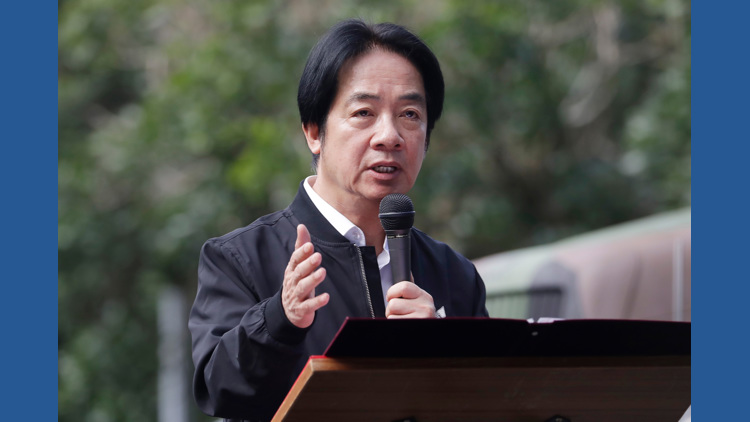
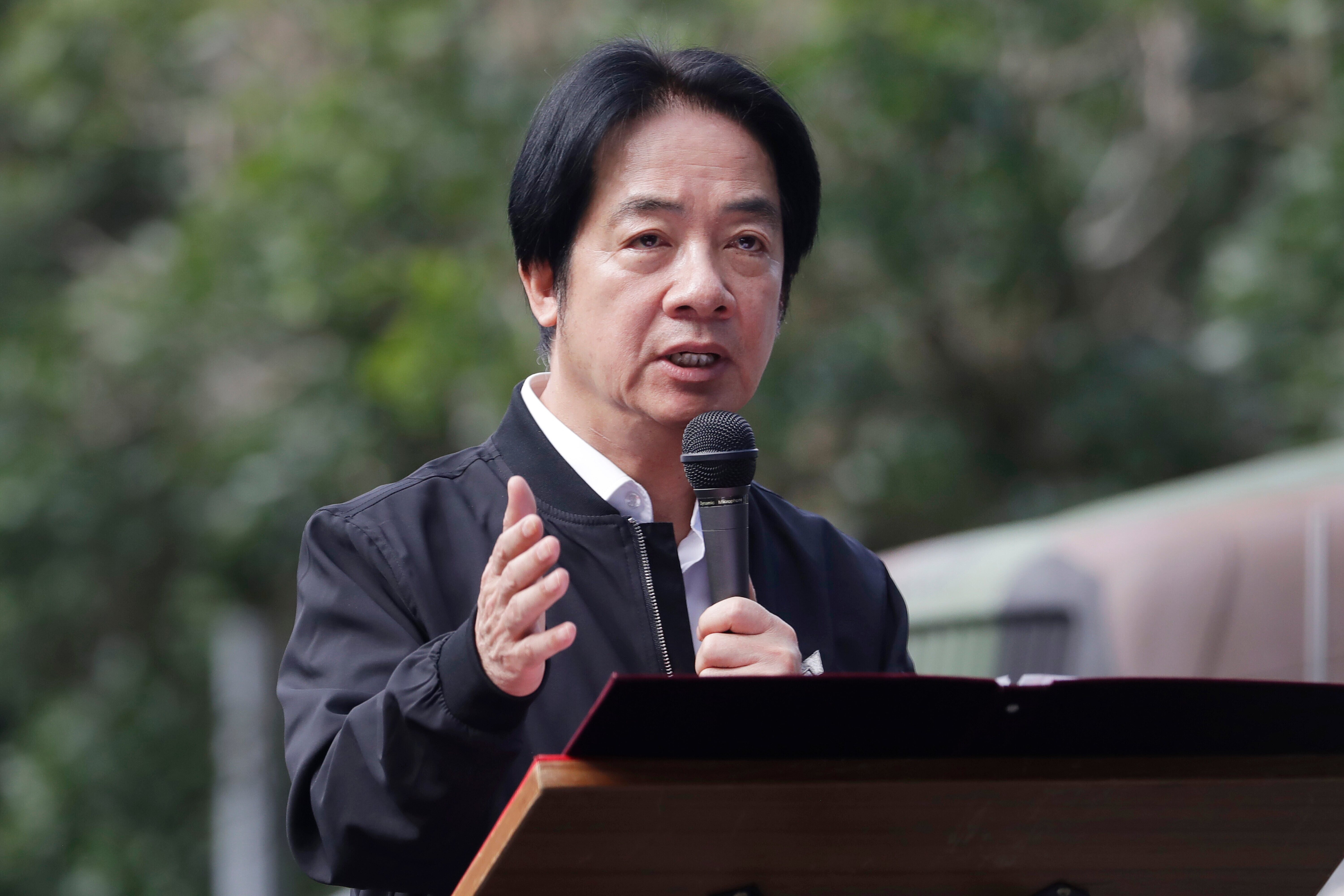
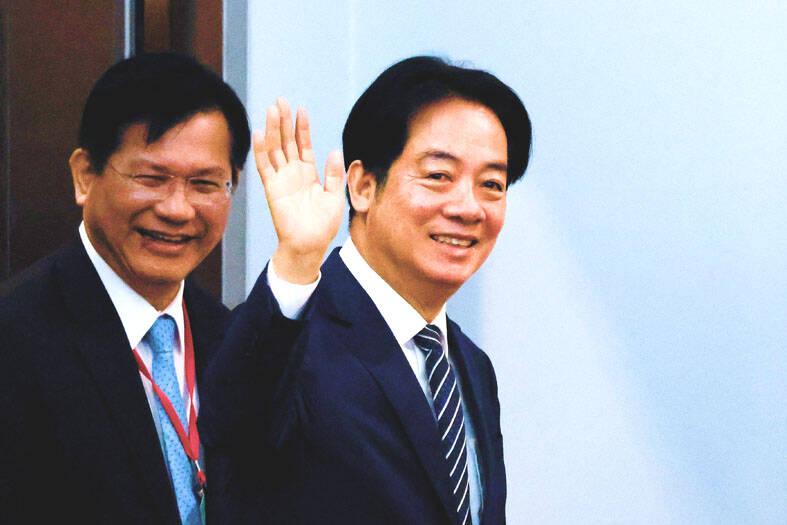
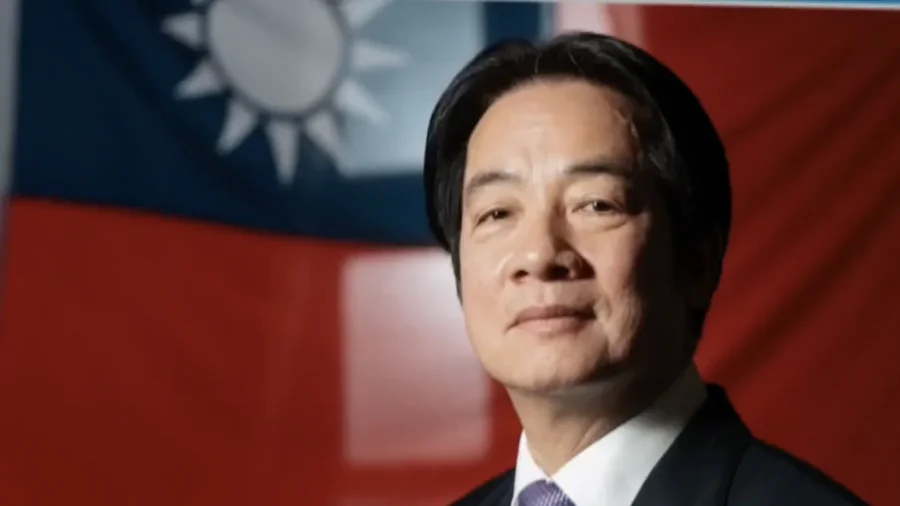
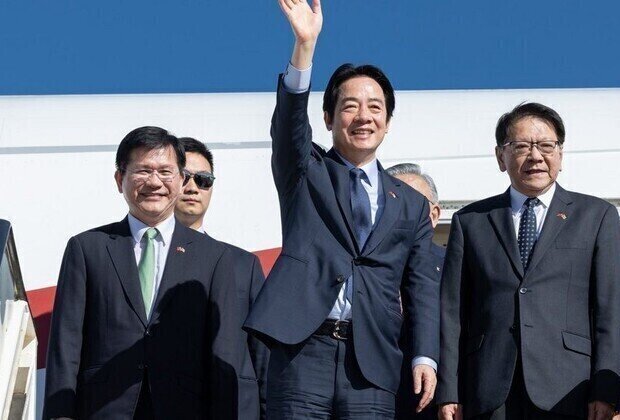
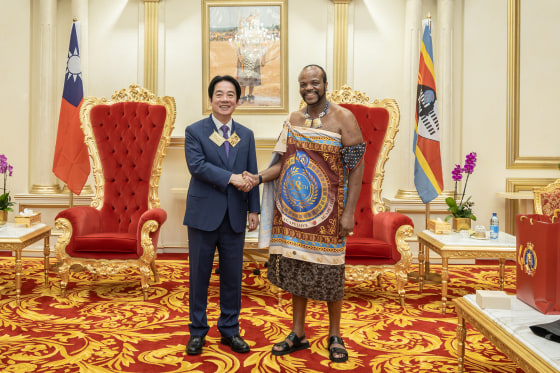
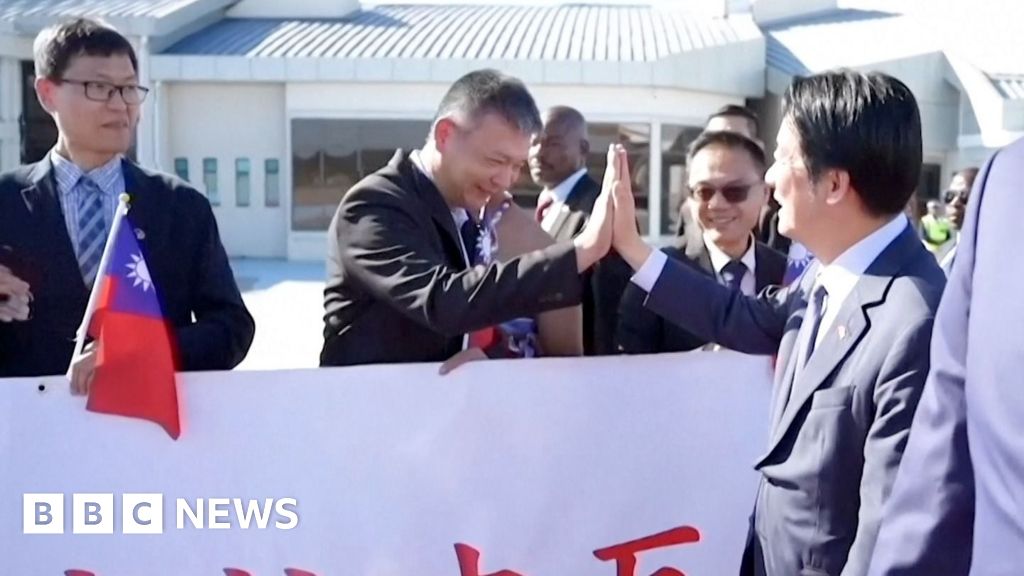
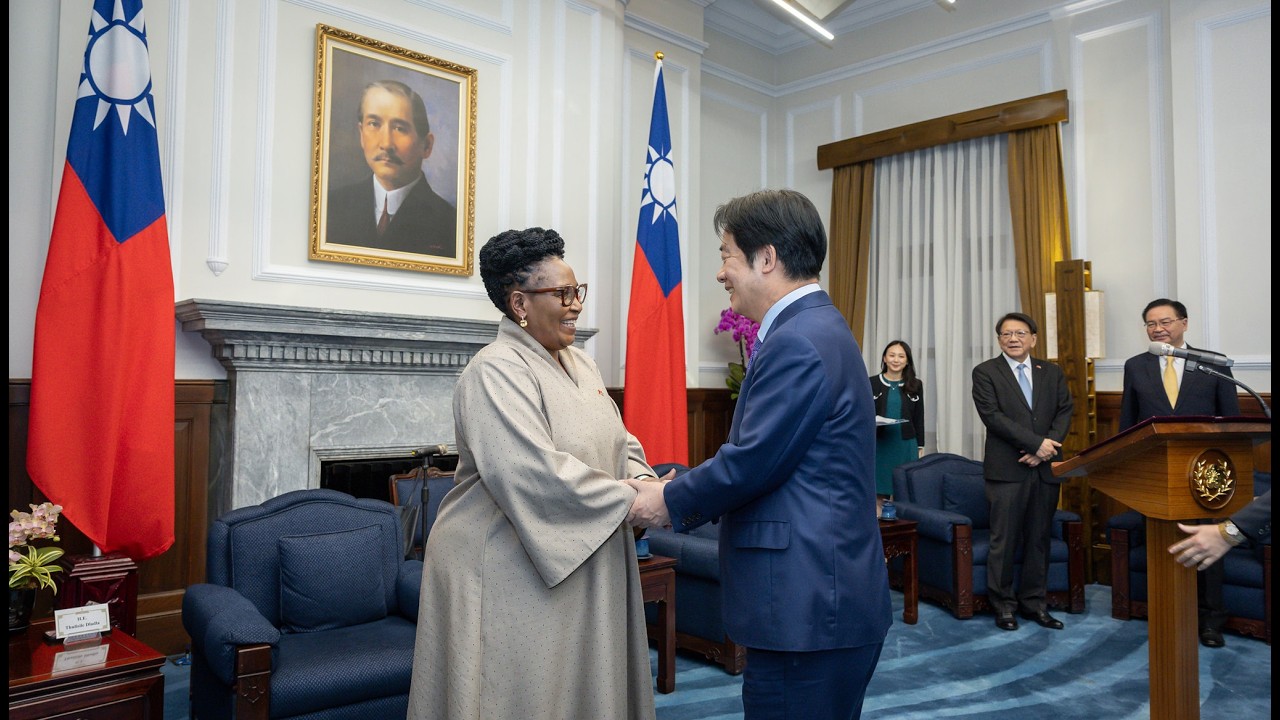
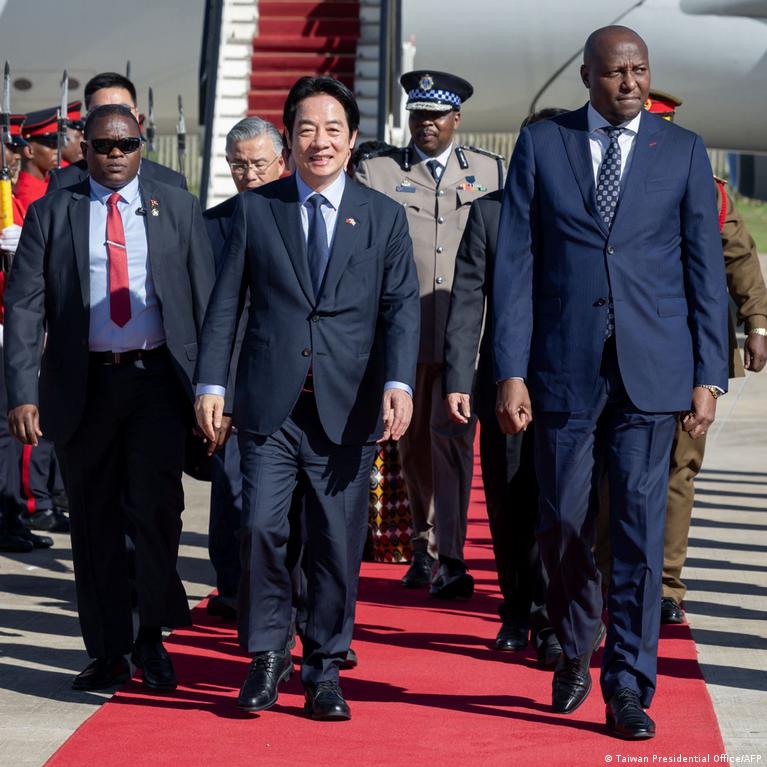
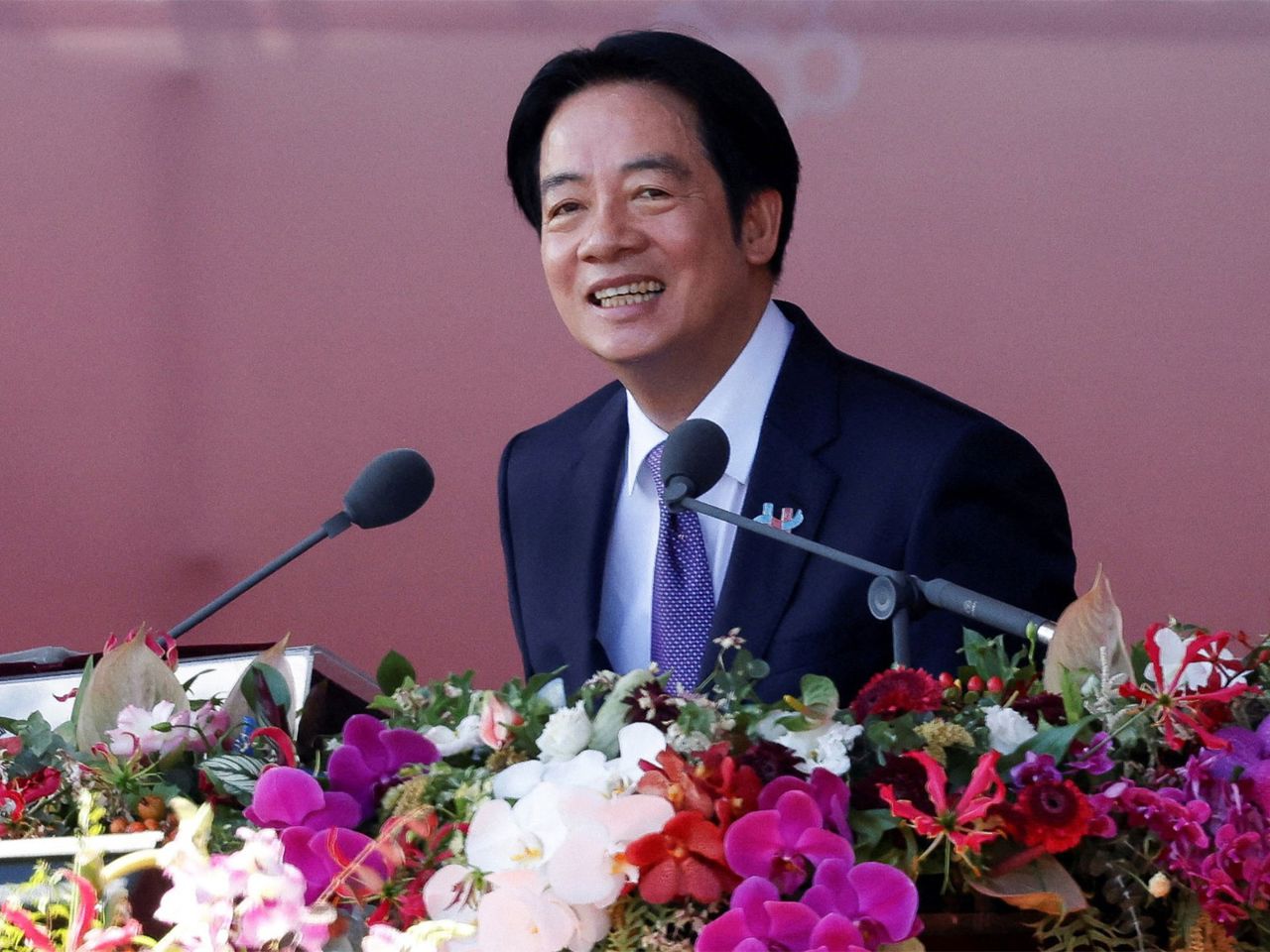
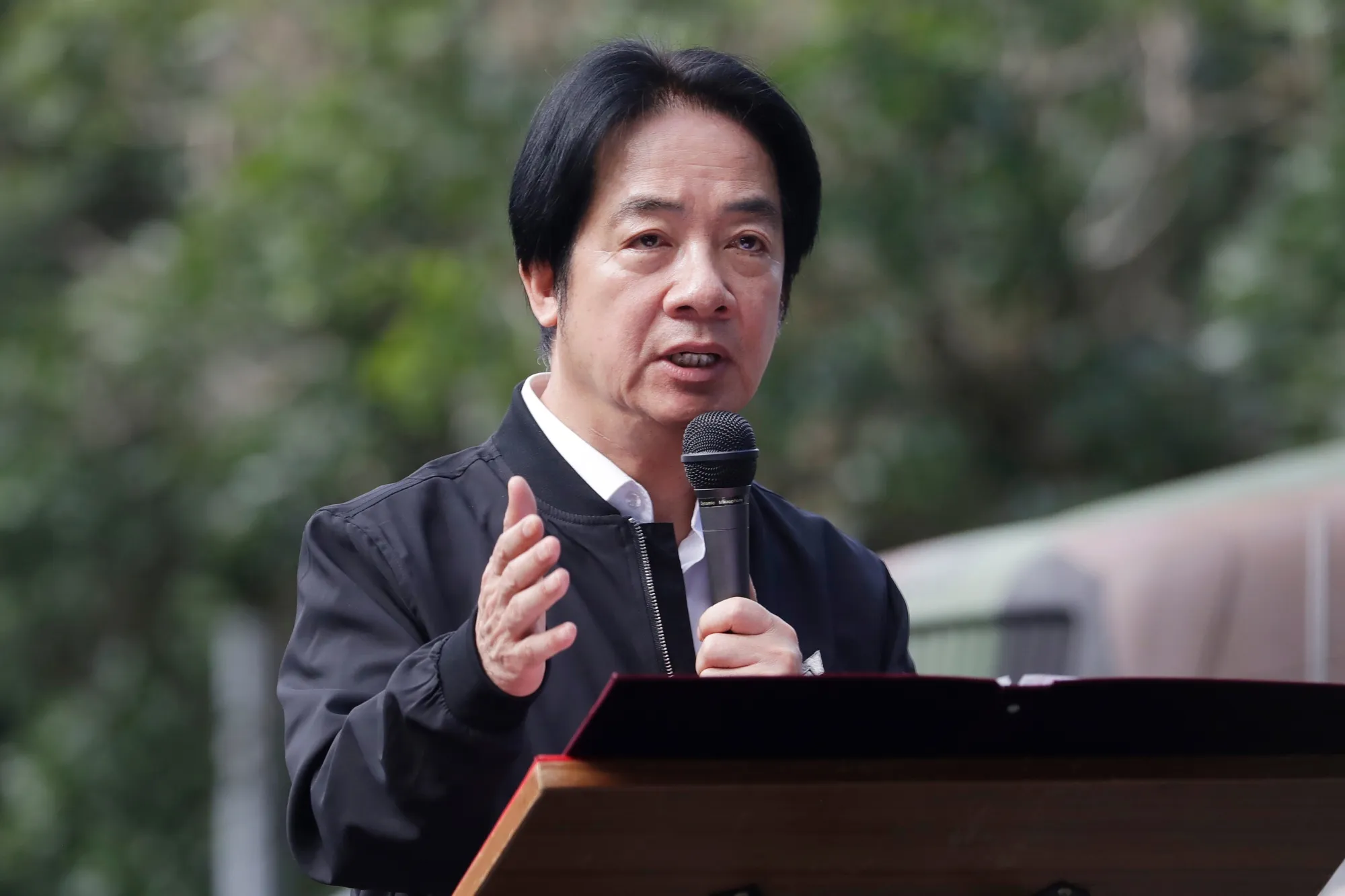
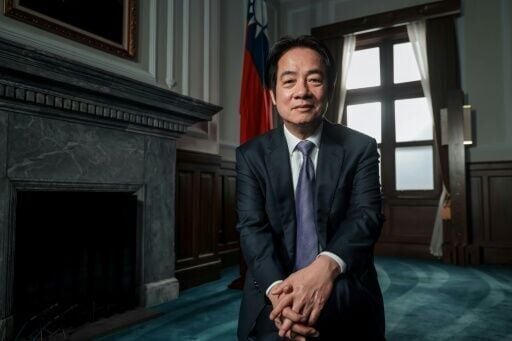
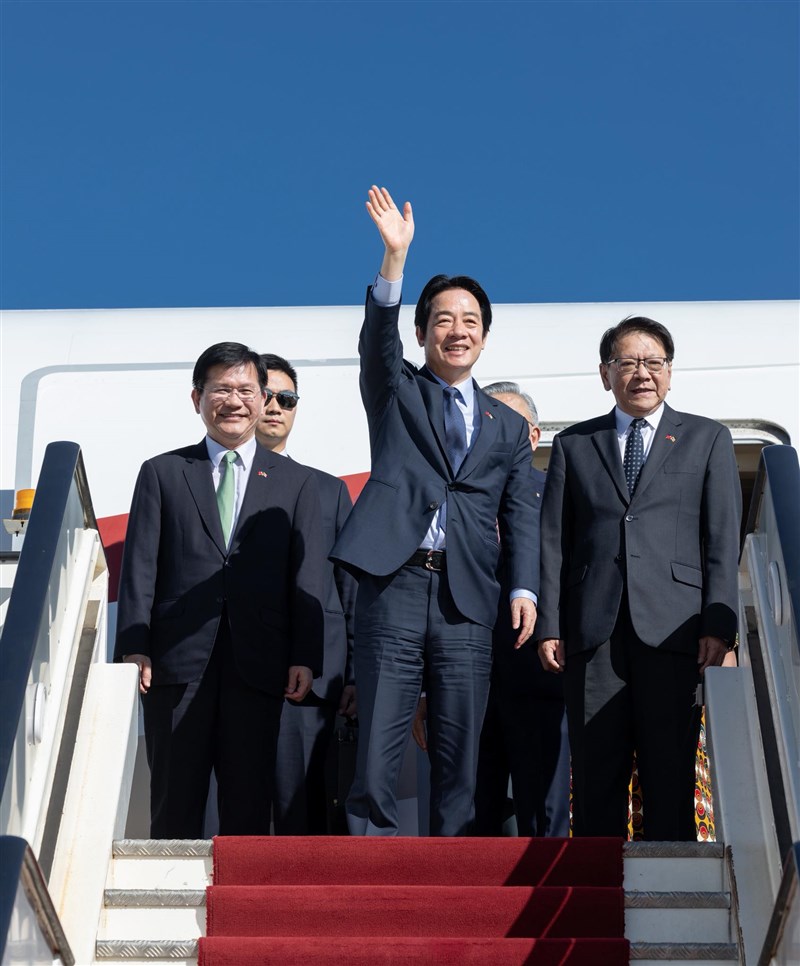
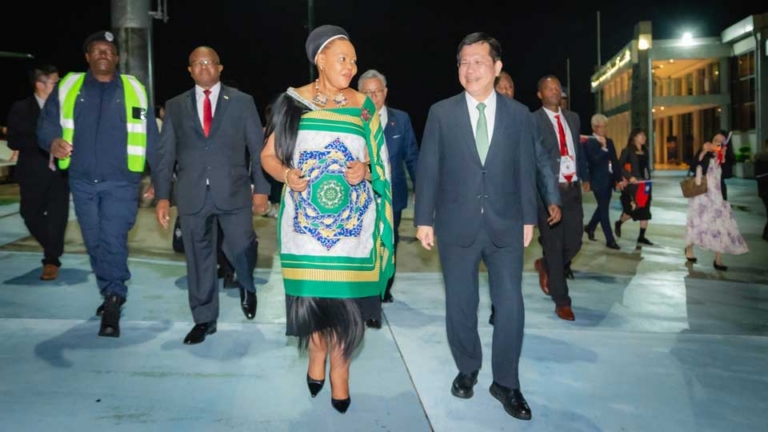
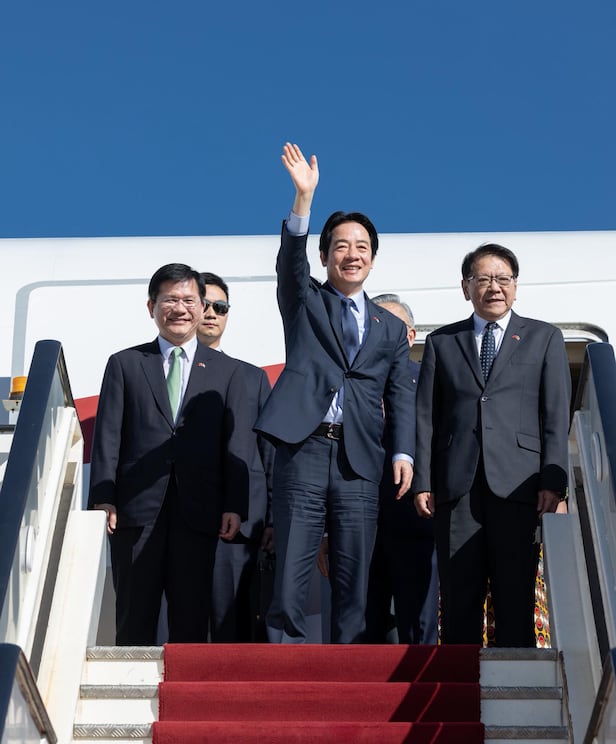
Taiwan's diplomatic isolation—maintaining formal ties with only 12 countries as of May 2026—creates a critical supply chain vulnerability for cross-border sellers sourcing from or selling to Taiwan. President Lai Ching-te's May 3, 2026 visit to Eswatini, Taiwan's sole African diplomatic ally, highlights the geopolitical constraints reshaping trade corridors. The original April 22-26 visit was cancelled after Seychelles, Mauritius, and Madagascar revoked flight permits under Chinese pressure, demonstrating how diplomatic pressure directly impacts logistics routing and customs procedures. This creates three immediate trade implications: (1) Tariff Arbitrage Compression: Taiwan's limited diplomatic presence reduces its negotiating power for preferential tariff rates. Sellers cannot leverage Taiwan-China trade agreements in 192+ non-aligned nations, forcing reliance on MFN (Most Favored Nation) rates averaging 12-18% on electronics and 15-22% on textiles—versus 3-8% rates available through countries with stronger diplomatic networks. (2) Supply Chain Routing Constraints: The revocation of overflight permissions by three Indian Ocean nations (Seychelles, Mauritius, Madagascar) demonstrates how geopolitical pressure creates logistics bottlenecks. Sellers shipping from Taiwan to African markets must now route through alternative corridors (Middle East, Europe), adding 5-8 days transit time and $400-800 per container in fuel surcharges. (3) Market Access Windows: The signed customs agreement between Taiwan and Eswatini during Lai's visit represents a rare tariff reduction opportunity. Eswatini's strategic location in southern Africa (bordering South Africa, Mozambique) creates a potential hub for sellers targeting the 54-nation African Union. However, this window is narrow—only 12 countries maintain formal Taiwan relations, limiting scale. For Taiwan-based sellers, the diplomatic isolation creates a 15-25% cost disadvantage versus China-based competitors in non-aligned markets. Sellers must absorb higher tariff rates, longer shipping routes, and customs delays. The strategic response: diversify sourcing to Vietnam (CPTPP member, 15 trade agreements) or India (emerging manufacturing hub), which offer better tariff access to African and Latin American markets. For sellers targeting Taiwan's 23 million consumers, China's systematic pressure on regional countries (evidenced by the cancelled Seychelles/Mauritius/Madagascar overflight permits) signals increasing logistics friction. Sellers should expect 10-15% longer fulfillment times and higher 3PL costs as alternative routing becomes necessary. The Eswatini customs agreement, while symbolic, opens a potential entry point for sellers seeking African market expansion through Taiwan's diplomatic ally network—though the 12-nation footprint limits scale to approximately $2-3B in annual trade potential versus China's $150B+ African trade volume.
Questions 7
Which shipping routes are affected by China's pressure on Taiwan's overflight permissions?
The May 2026 cancellation of overflight permits by Seychelles, Mauritius, and Madagascar directly impacts Taiwan-to-Africa shipping corridors. These three Indian Ocean nations control critical air and maritime routing for East Africa trade. Sellers must now route through alternative corridors via Middle East (Dubai, Doha) or Europe (Rotterdam, Hamburg), adding 5-8 days transit time and $400-800 per container in fuel surcharges. For time-sensitive categories (electronics, fashion, perishables), this creates a 15-25% cost disadvantage versus China-based competitors using unobstructed routes. Sellers should evaluate 3PL providers with alternative routing capabilities immediately.
What tariff opportunities exist through Taiwan's Eswatini customs agreement?
The customs agreement signed during President Lai's May 3, 2026 visit to Eswatini creates preferential tariff access for Taiwan-origin goods entering southern Africa. Eswatini's strategic location bordering South Africa and Mozambique positions it as a potential hub for African Union trade (54 nations). However, the opportunity is limited by scale—Eswatini's GDP is approximately $4.5B, and Taiwan's total trade with all 12 diplomatic allies is estimated at $2-3B annually. Sellers can leverage this agreement for niche categories (agricultural products, electronics components) targeting South African and Mozambique markets, but volume potential remains constrained by Eswatini's small economy and limited diplomatic network.