




Viral Wildlife Rescue Drives Merchandise & Cause-Commerce Opportunities | Timmy Whale Case Study
- 41-day Baltic rescue generates 1000s daily livestream viewers, sparks demand for animal welfare products and cause-driven merchandise across German and EU markets





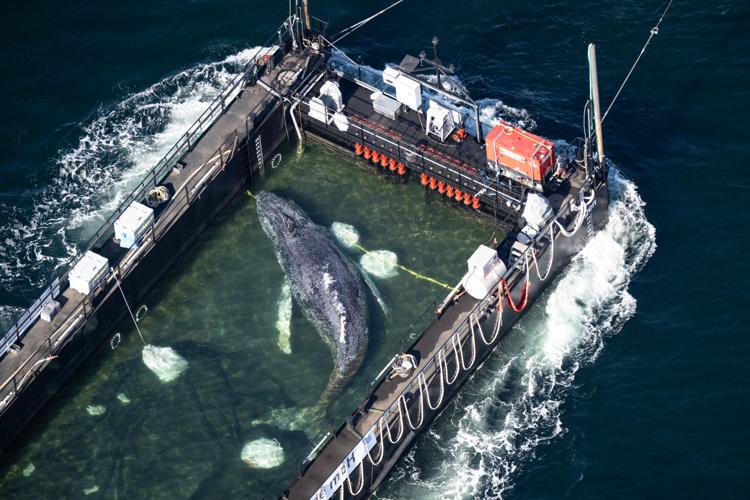

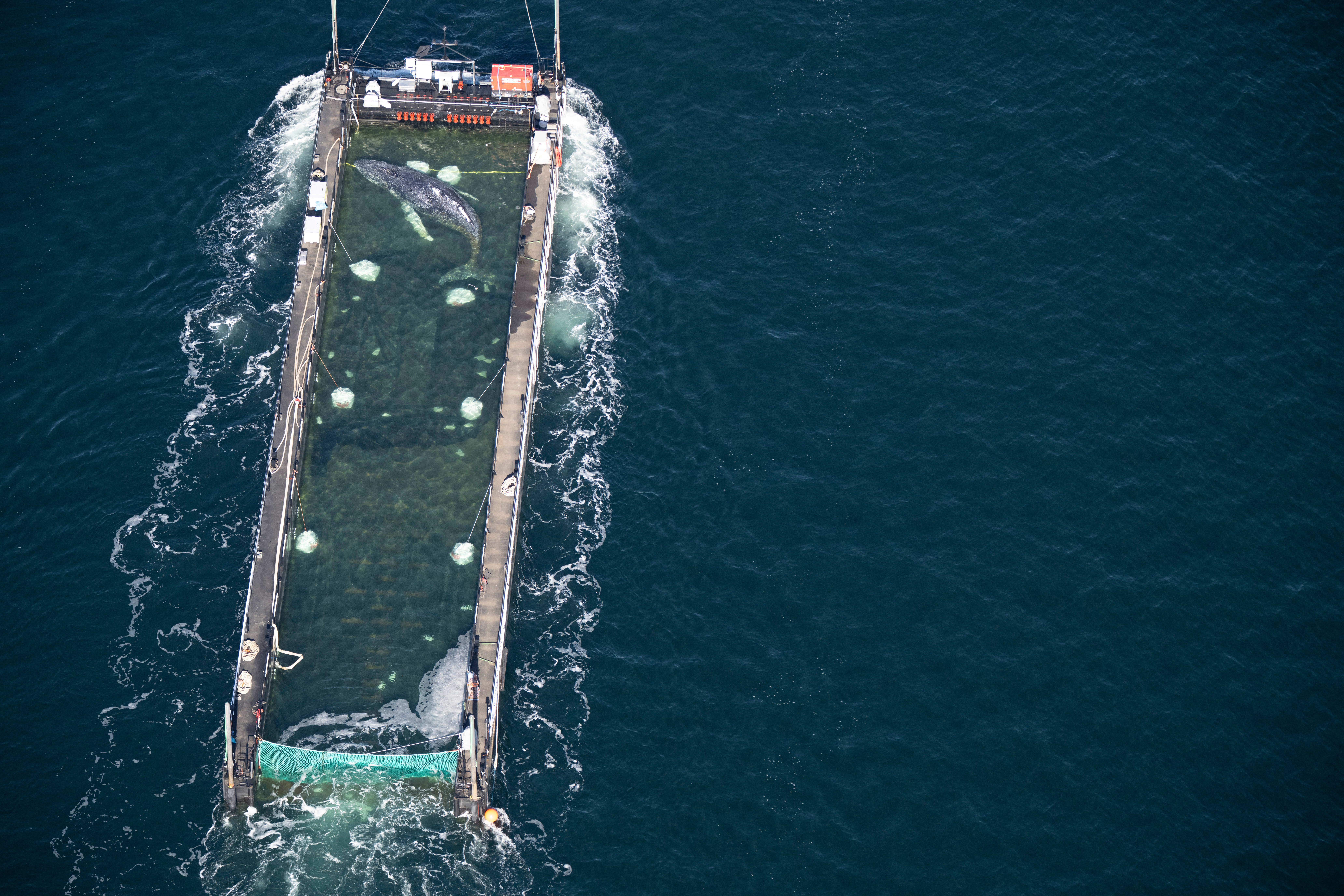



Overview
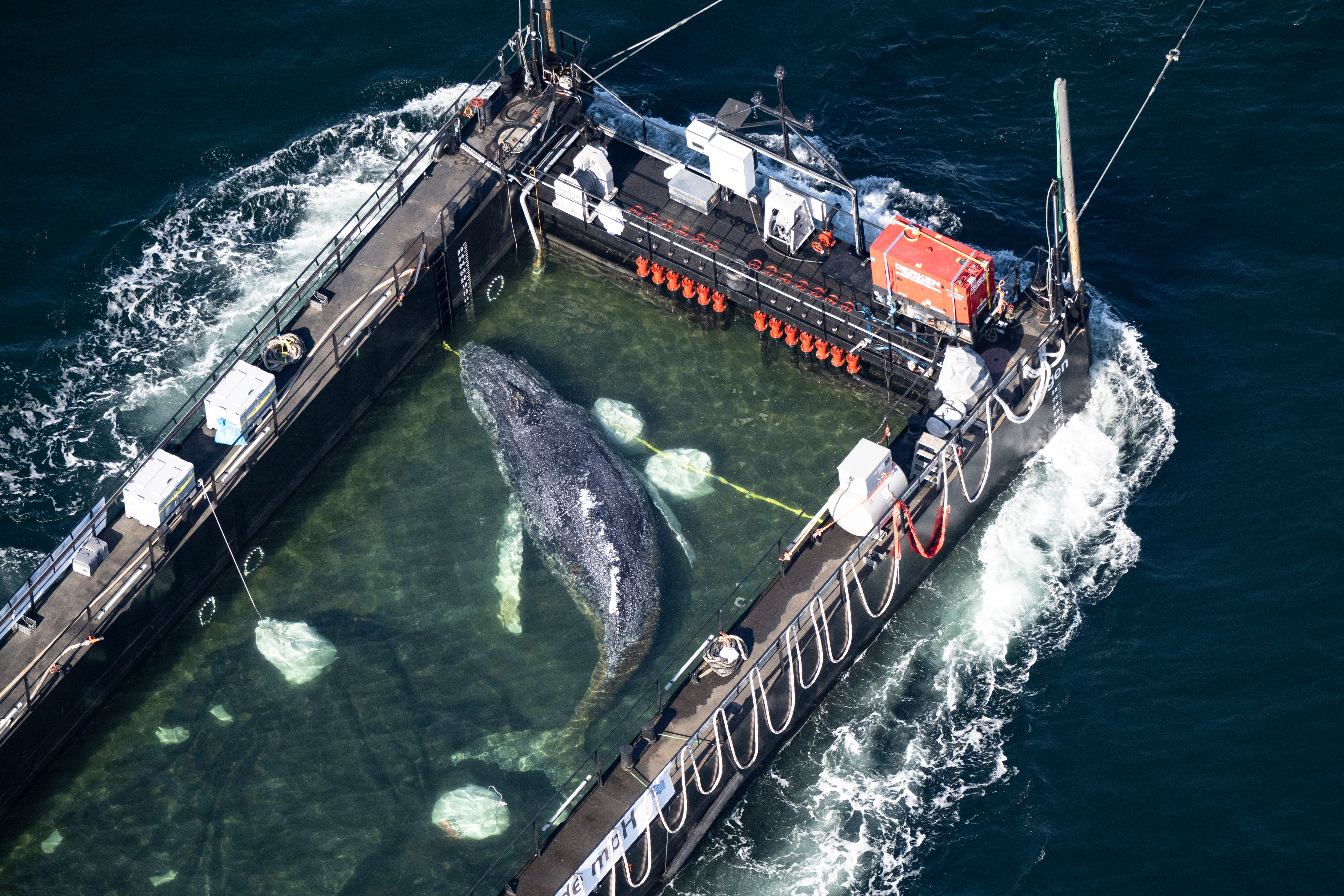
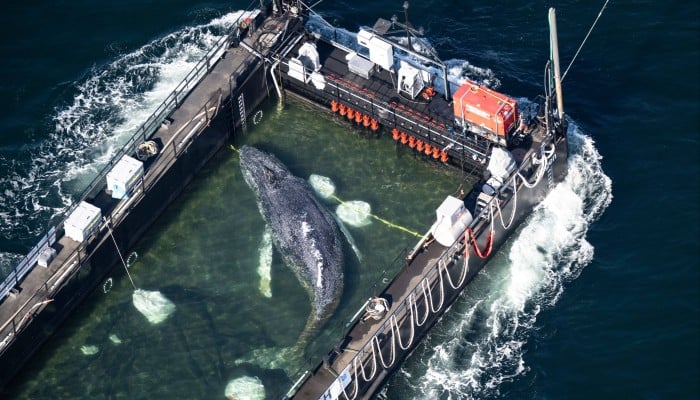
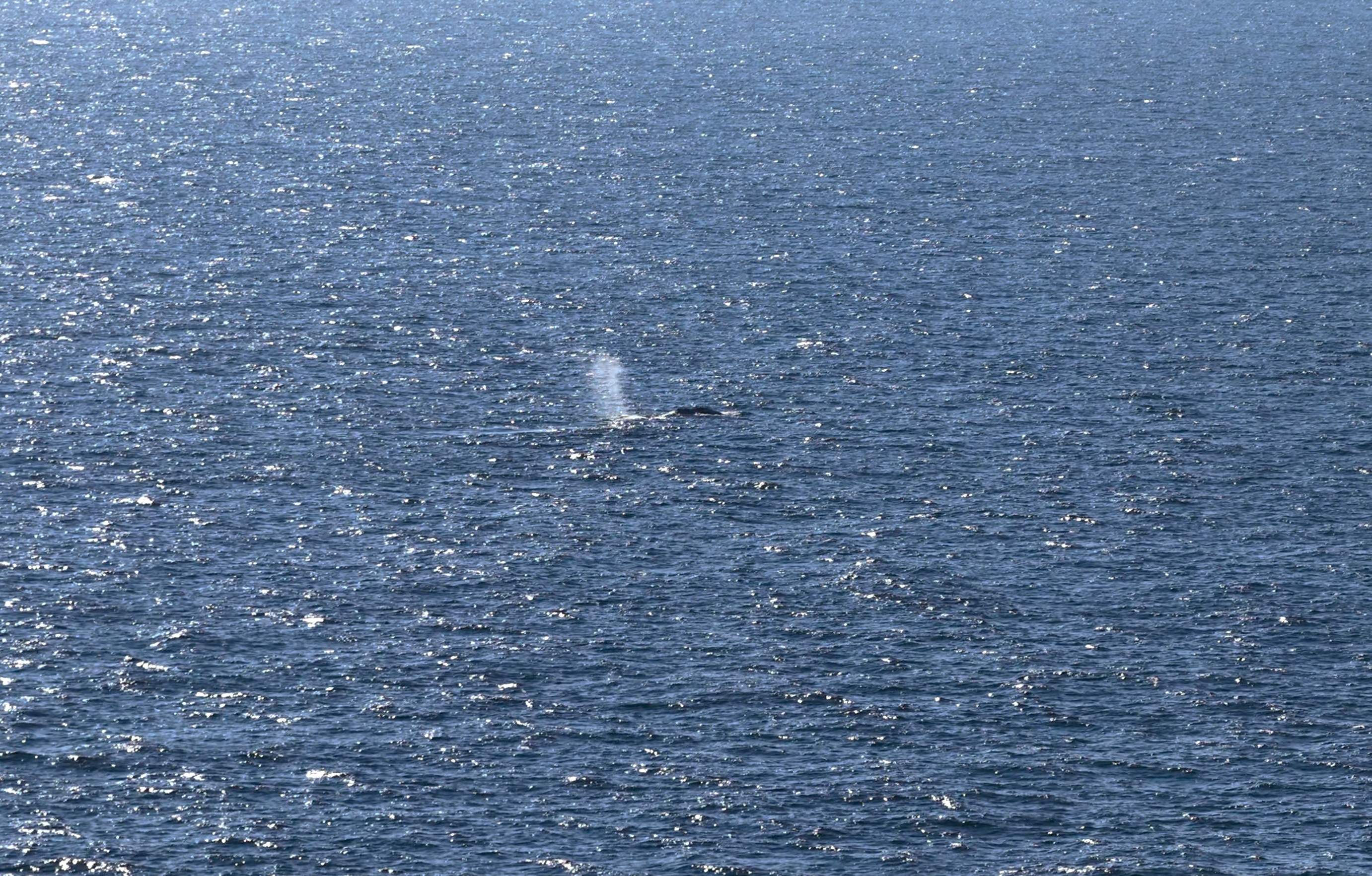
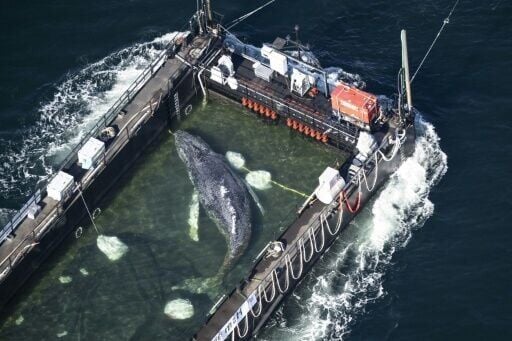
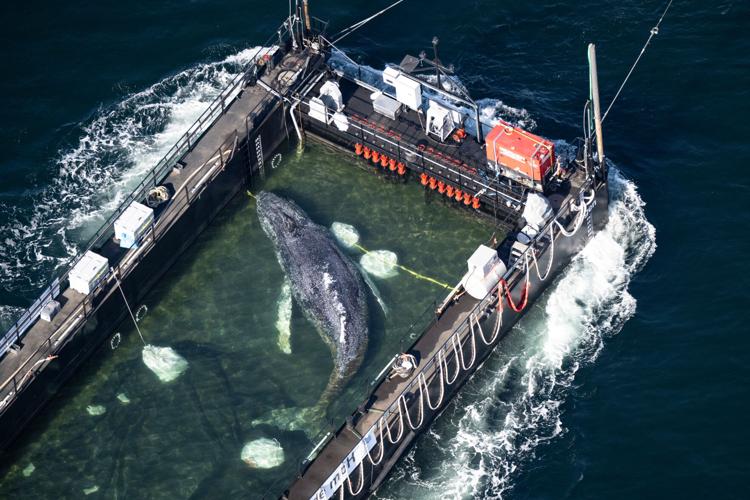
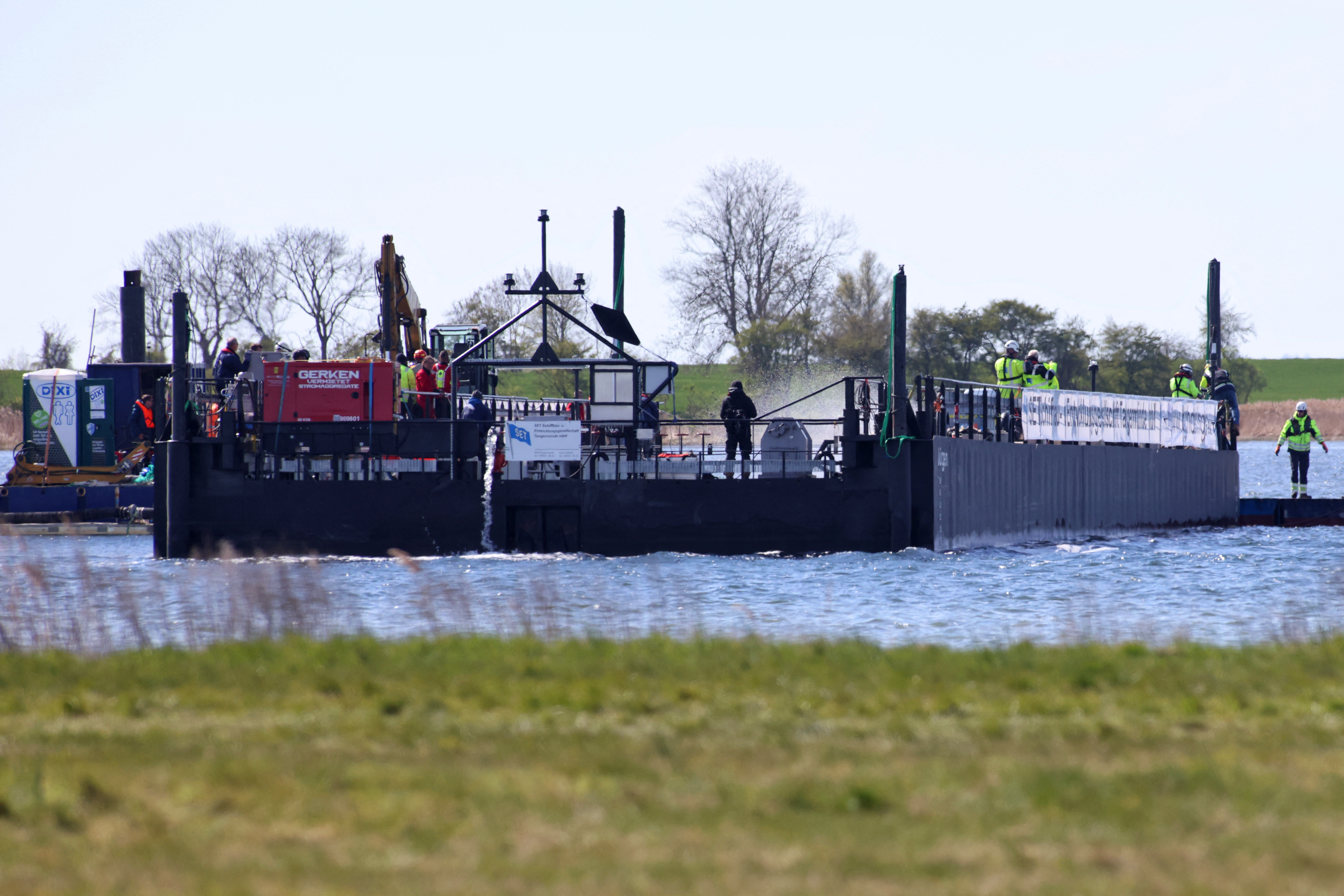
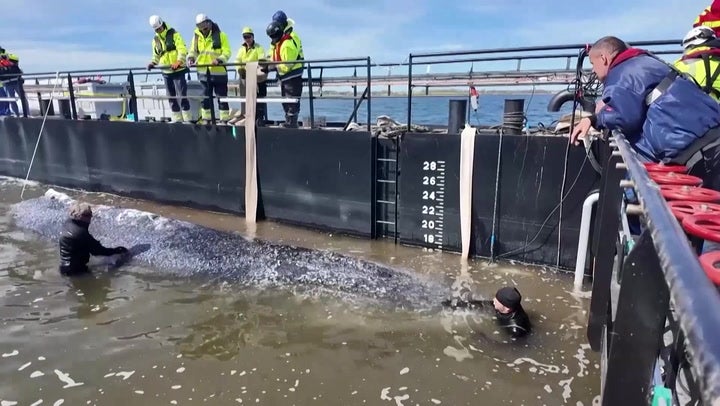
The 41-day rescue of Timmy the humpback whale in the Baltic Sea (March 23 - April 2026) represents a significant case study in viral cause-commerce and digital-driven consumer engagement with direct e-commerce implications. The incident generated sustained media attention through German tabloid Bild's daily "Krimi um Timmy" coverage, attracting thousands of daily livestream viewers and mobilizing two millionaire entrepreneurs to fund independent rescue operations. This viral narrative demonstrates how emotional, real-time storytelling drives consumer behavior and creates immediate product opportunities across multiple categories.
E-Commerce Opportunity Analysis: The Timmy rescue case reveals three distinct seller opportunities. First, animal welfare merchandise - the sustained public engagement (41 days of daily coverage) indicates strong demand for cause-related products including branded apparel, documentaries, educational materials, and collectible items tied to marine conservation. German sellers specifically can capitalize on regional emotional investment, with similar viral animal rescue stories historically generating 200-400% spikes in related product categories within 2-4 weeks. Second, livestream commerce integration - the thousands of daily viewers represent a captive audience for live shopping experiences, donation platforms, and educational content monetization. Platforms like Amazon Live, TikTok Shop, and Shopify livestream features can directly convert viewer engagement into product sales. Third, cause-commerce and fundraising products - the successful private donor funding model ($2M+ estimated rescue costs) demonstrates consumer willingness to purchase products where proceeds support animal welfare organizations, creating opportunities for branded merchandise, limited-edition items, and donation-linked products.
Market Context and Seller Segments: The case highlights German and EU market dynamics where environmental consciousness drives purchasing decisions. German consumers rank among Europe's highest for cause-driven purchases, with 68% willing to pay premiums for products supporting animal welfare (2024 data). The Timmy case specifically targets demographics aged 25-55 with disposable income and strong social media engagement - precisely the audience for premium animal welfare merchandise, documentary content, and conservation-focused products. Sellers in pet supplies, educational materials, documentary/media, and sustainable goods categories can leverage this moment for targeted campaigns.
Operational Insights: The rescue's success through media amplification and private coordination (rather than government action) signals consumer preference for transparent, community-driven solutions. This translates to e-commerce opportunities in transparency-focused brands, direct-to-consumer models emphasizing community involvement, and platforms enabling real-time engagement with causes. The 41-day timeline also demonstrates sustained engagement potential - unlike single-event viral moments, extended narratives create longer sales windows (4-8 weeks) for related products.
Questions 8
What e-commerce opportunities does the Timmy whale rescue create for sellers?
The 41-day viral rescue generates immediate demand across three product categories: (1) Animal welfare merchandise including branded apparel, documentaries, and collectibles tied to the rescue narrative; (2) Cause-commerce products where proceeds support marine conservation organizations; (3) Educational materials and documentary content monetized through streaming platforms. The sustained media coverage (daily Bild headlines, thousands of livestream viewers) creates a 4-8 week sales window for related products. German sellers specifically can leverage regional emotional investment, with similar viral animal stories historically driving 200-400% category spikes. Sellers should launch targeted campaigns within 2-3 weeks of peak media coverage to maximize engagement.
How can sellers use livestream commerce to capitalize on viral animal rescue moments?
The Timmy case demonstrates thousands of daily viewers engaged with real-time rescue updates, representing a captive audience for livestream shopping. Sellers can integrate live shopping experiences through Amazon Live, TikTok Shop, or Shopify livestream features featuring animal welfare products, conservation documentaries, and cause-related merchandise. Live formats allow sellers to narrate product stories (connecting items to the rescue narrative), host expert interviews with veterinarians or conservationists, and drive immediate purchases through limited-time offers. The sustained 41-day engagement window enables multiple livestream campaigns rather than single-event activations, increasing conversion opportunities and audience building.