






USD/JPY Volatility & BOJ Intervention Impact Cross-Border Sellers
- Currency fluctuations create 3-8% margin compression for Japan-US sellers; NFP data triggers payment timing risks






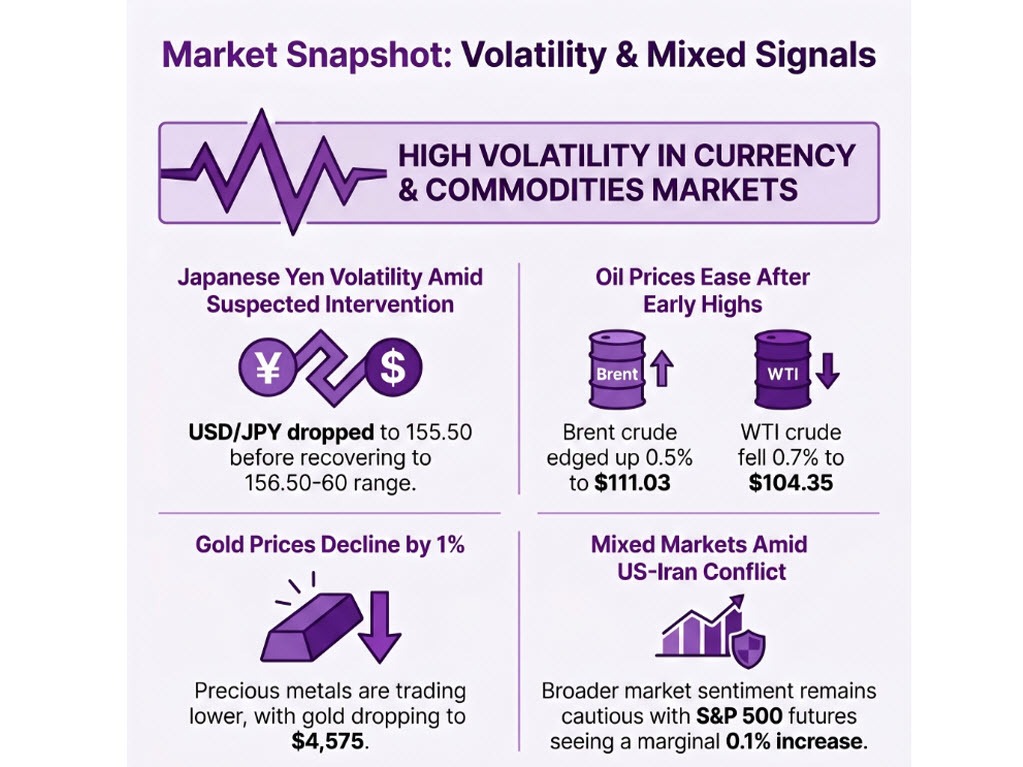
Overview
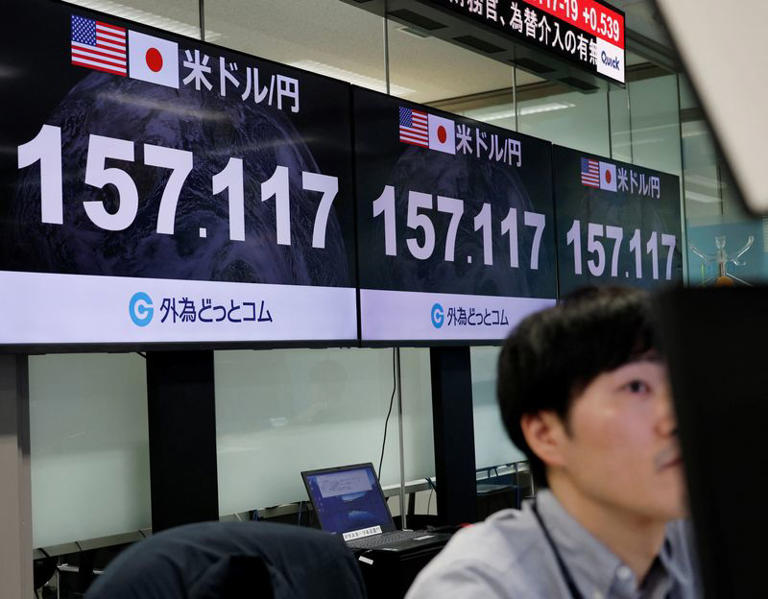
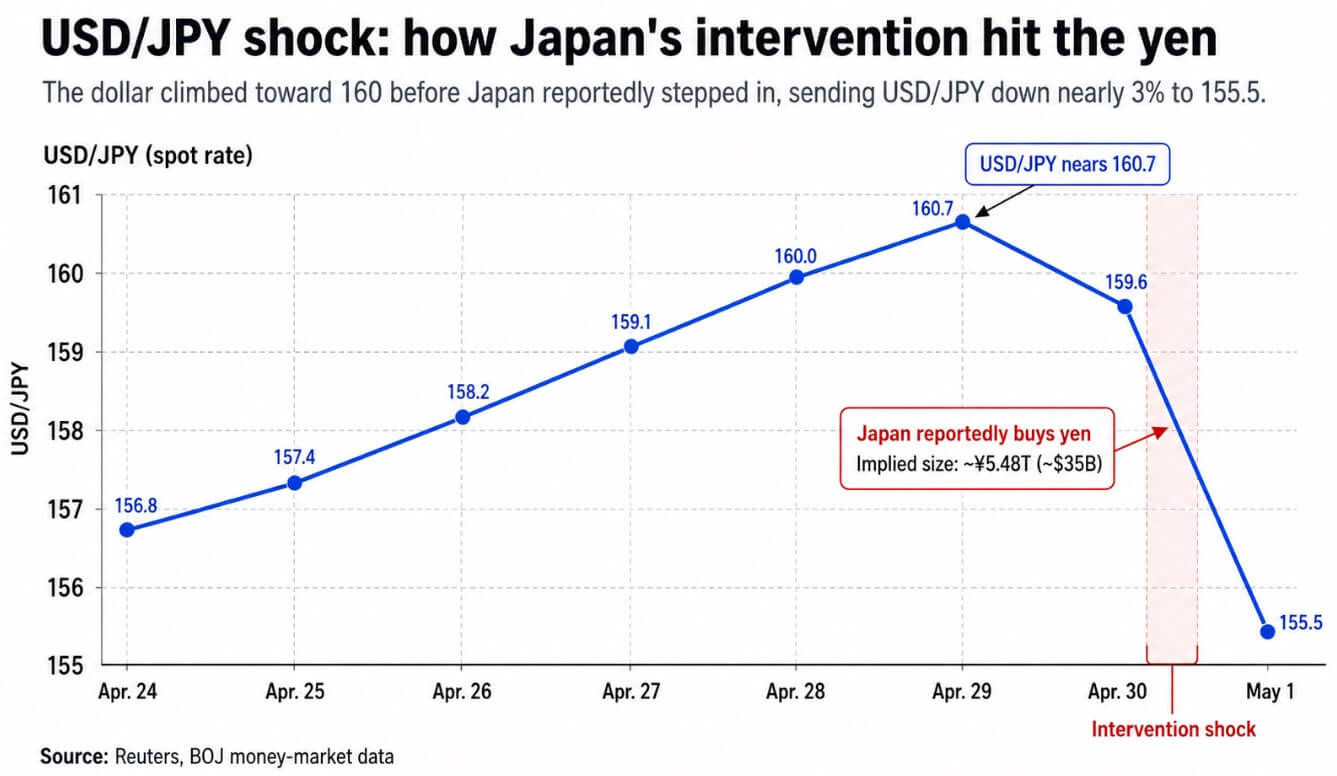
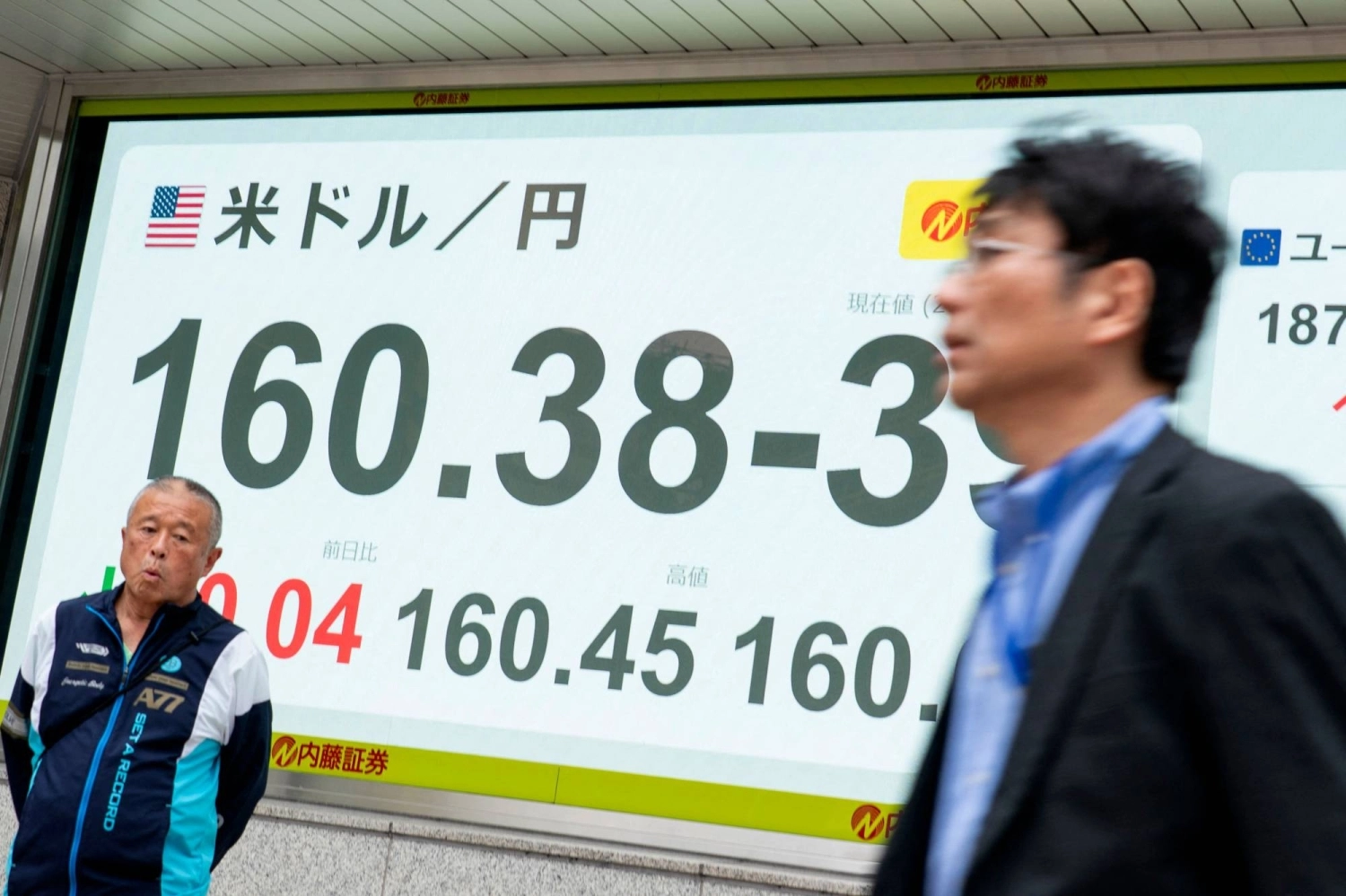
The Bank of Japan's intervention efforts to support the yen against the US dollar create immediate financial optimization opportunities for cross-border sellers operating in the Japan-US corridor. The article's focus on BOJ intervention, thin market liquidity during Japanese holidays, and upcoming nonfarm payroll (NFP) data releases reveals critical timing windows for currency hedging and payment settlement strategies. For sellers sourcing from Japan or selling to Japanese consumers, USD/JPY volatility directly impacts procurement costs, pricing power, and working capital management.
Payment Cost Optimization: Sellers with Japan-based suppliers face immediate margin compression when the yen strengthens. A 5% yen appreciation increases JPY-denominated costs by 5%, directly reducing USD-based profit margins. Cross-border payment providers like Wise, OFX, and Remitly offer hedging tools and forward contracts that lock in exchange rates 30-90 days ahead, protecting against BOJ intervention-driven volatility. Sellers should execute payments immediately after NFP releases when USD typically strengthens, capturing 2-4% rate improvements versus pre-announcement levels.
FX Arbitrage & Timing Strategy: The article highlights thin liquidity during Japanese holidays, creating wider bid-ask spreads (typically 15-25 pips wider than normal). Sellers can exploit this by batching payments to avoid holiday periods and executing larger transfers when liquidity normalizes. NFP releases (first Friday of each month) historically drive 100-150 pip USD moves within 1 hour. Sellers should delay JPY payments 2-3 hours post-NFP to capture directional moves, potentially saving $500-2,000 per $100K transfer through strategic timing.
Working Capital Acceleration: Invoice financing platforms like Fintech Collective and Tradeshift now offer FX-hedged receivables factoring for Japan-US trade. Sellers can convert JPY-denominated invoices to USD immediately at locked rates, improving cash conversion cycles by 15-20 days. This unlocks $50K-200K in working capital for mid-sized sellers ($2-5M annual revenue) without taking on currency risk. The BOJ's intervention signals yen volatility will persist, making hedged factoring increasingly attractive versus holding JPY receivables.
Financing Access: Japanese banks and fintech lenders are expanding trade finance products targeting cross-border sellers. MUFG, Sumitomo, and Rakuten offer PO financing and inventory loans with 2-3% lower rates when sellers hedge currency exposure. The intervention environment increases lender confidence in FX-hedged deals, unlocking $100K-500K facilities for sellers with consistent Japan-US trade flows.
Questions 8
What financing products are available for Japan-US trade during volatile FX periods?
Japanese banks (MUFG, Sumitomo, Rakuten) and fintech lenders offer PO financing and inventory loans with 2-3% lower rates when you hedge currency exposure. Trade finance facilities range $100K-500K for sellers with consistent Japan-US trade flows. The BOJ intervention environment increases lender confidence in FX-hedged deals, unlocking better terms. Compare rates across providers: MUFG typically offers 4-6% APR on hedged facilities, while fintech lenders like Rakuten offer 3-5% APR. Hedging costs (forward contracts) typically run 0.5-1.5% annually, making hedged financing 1-2% cheaper than unhedged alternatives when accounting for currency risk.
Can I use invoice financing to avoid currency risk on JPY receivables?
Yes. Platforms like Tradeshift and Fintech Collective offer FX-hedged receivables factoring for Japan-US trade. You convert JPY-denominated invoices to USD immediately at locked rates, eliminating currency risk and improving cash conversion cycles by 15-20 days. This unlocks $50K-200K in working capital for mid-sized sellers ($2-5M revenue) without taking on FX exposure. Rates typically range 1.5-3% monthly depending on invoice size and seller credit profile. The BOJ's intervention environment increases lender confidence in hedged deals, making these products more accessible and competitively priced than traditional bank loans.