


Berkshire's $397B Cash Hoard & Leadership Shift Signal Major M&A Opportunities for Supply Chain Sellers
- Greg Abel assumes full CEO control with $400B capital deployment capacity; Q1 2026 operating profits surge 18%; shareholder merchandise sales decline 30-40% signals brand transition risk for licensed product sellers















Overview
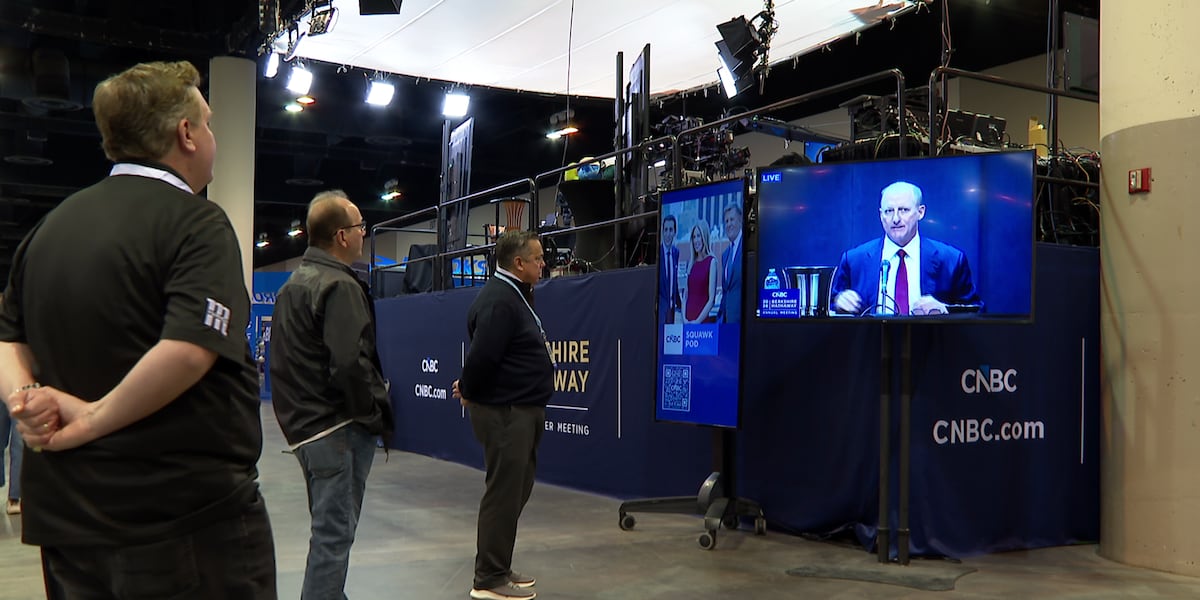
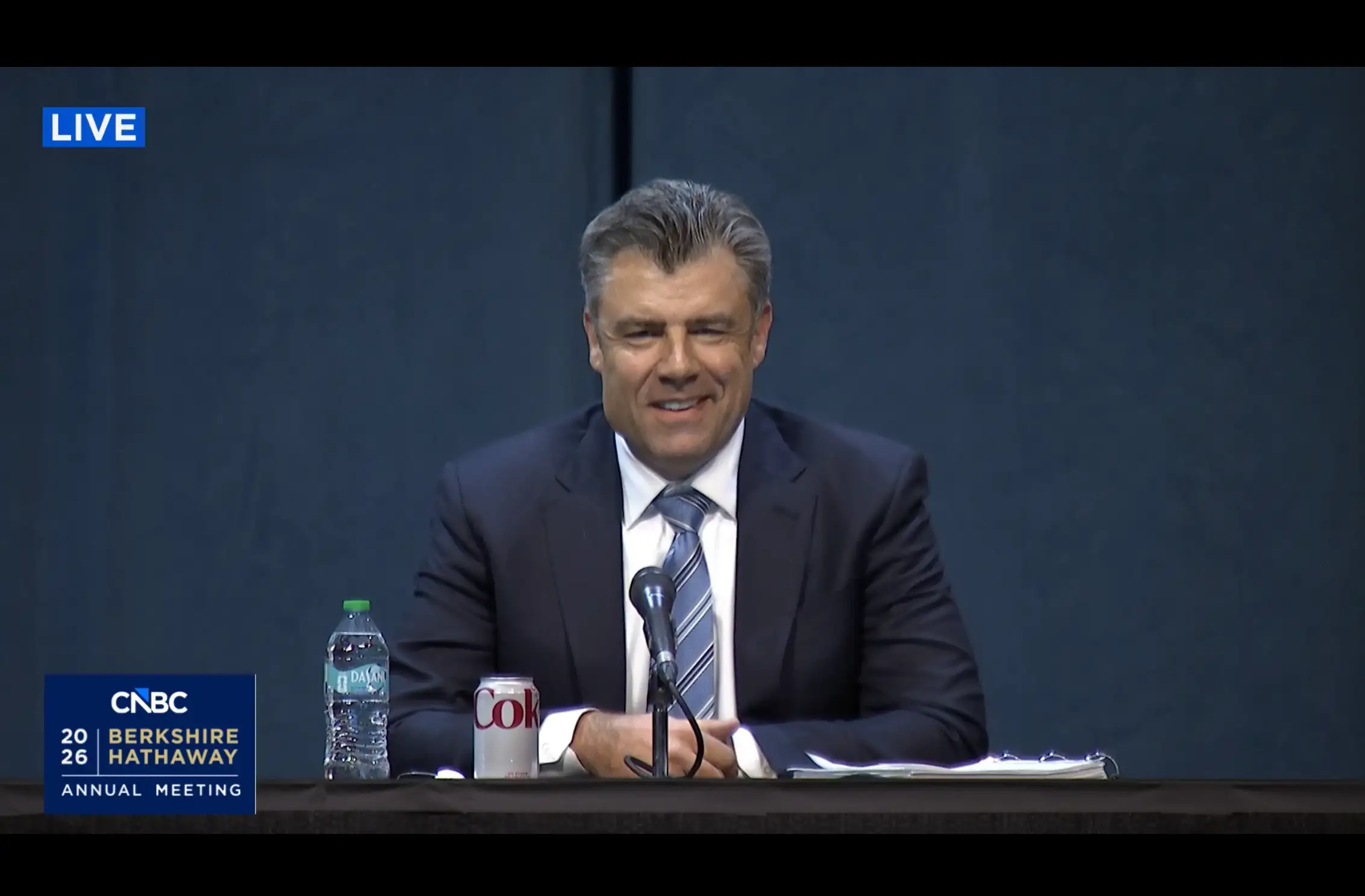
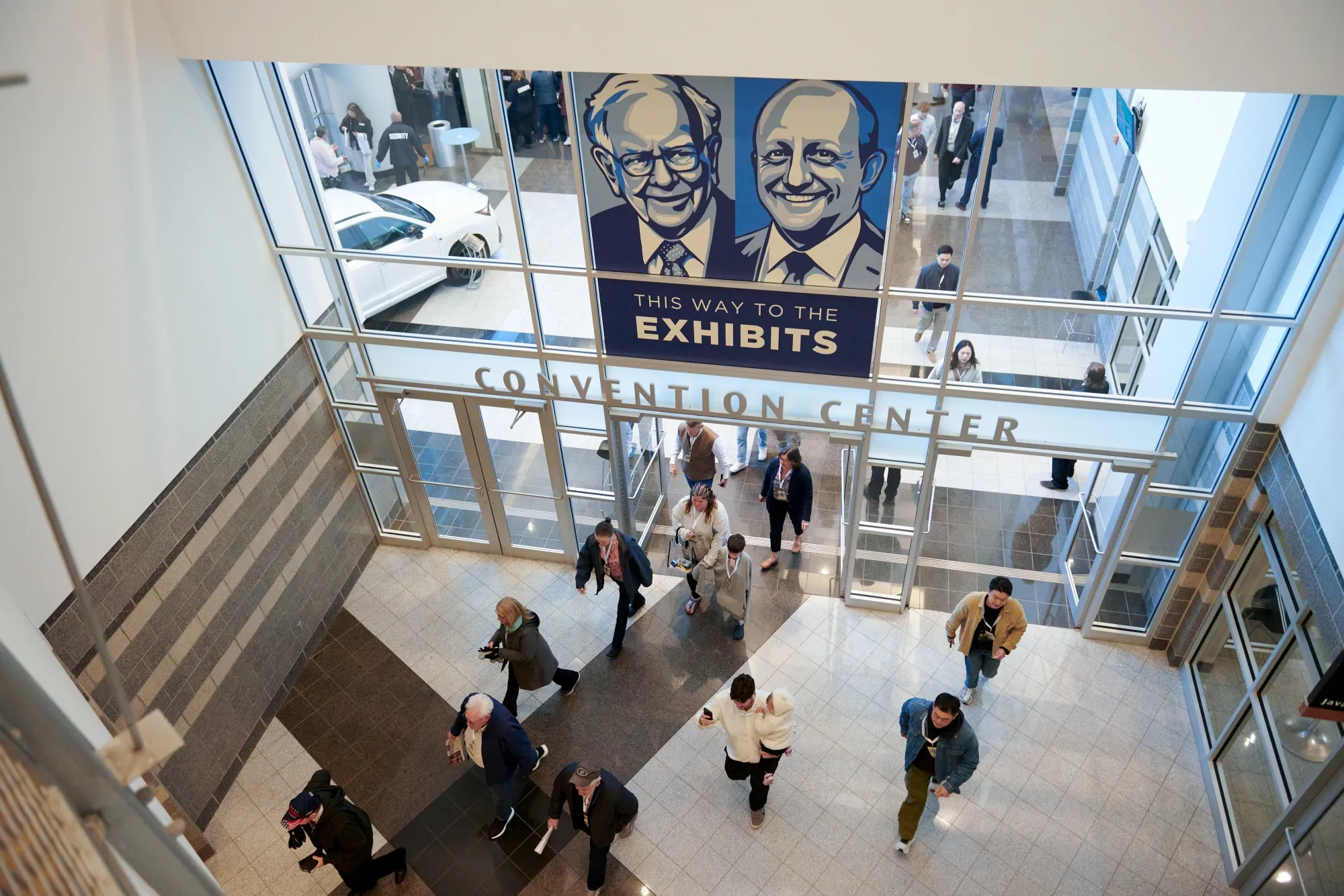
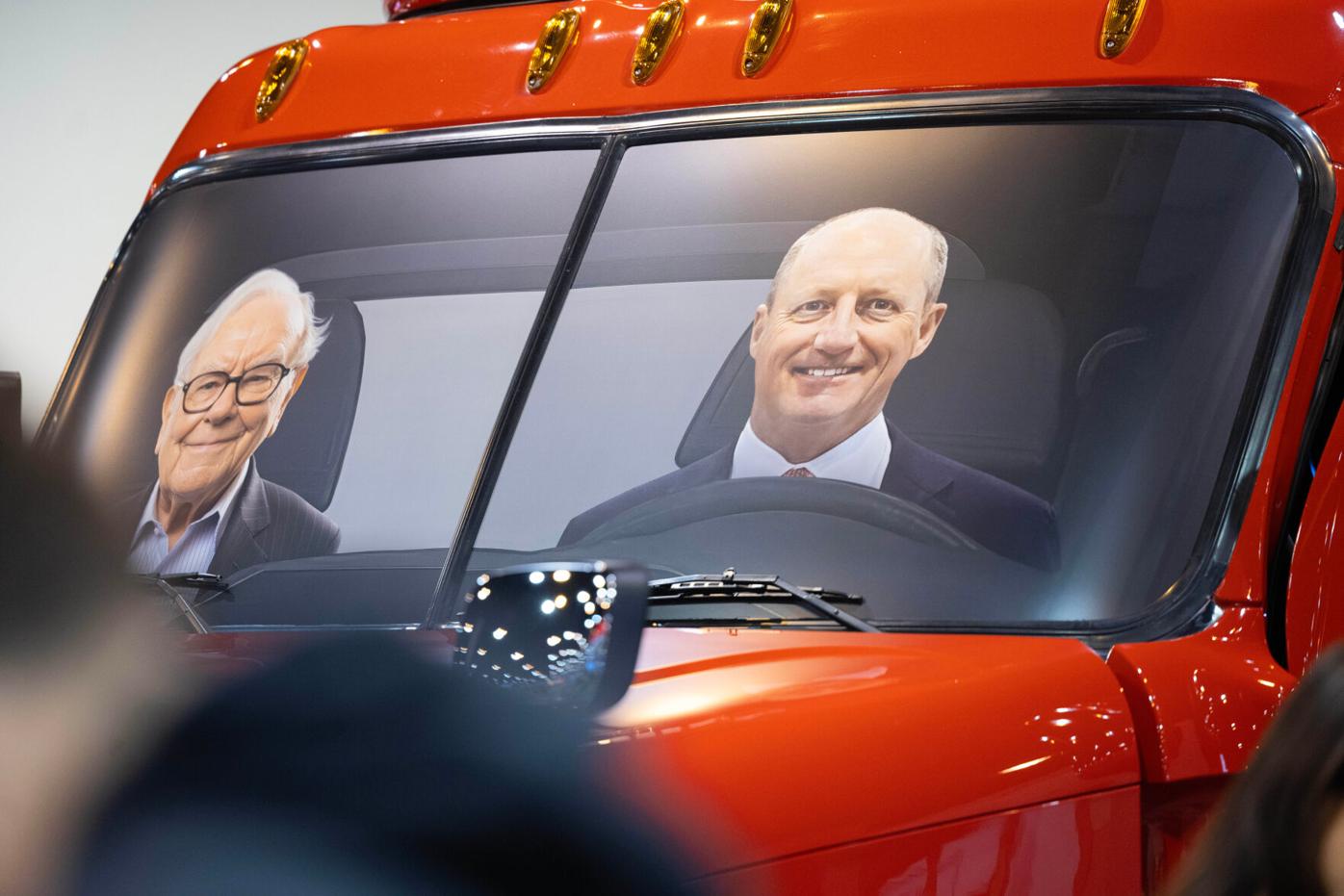
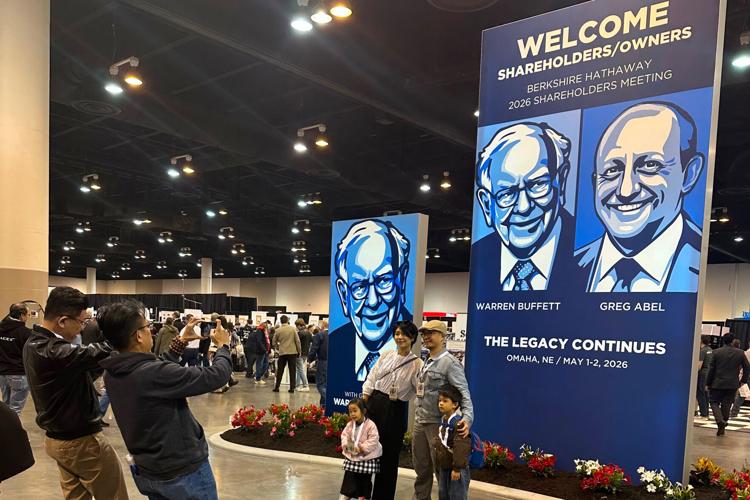
Berkshire Hathaway's May 2026 annual shareholder meeting marks a critical inflection point for e-commerce and supply chain sellers, as new CEO Greg Abel assumes full operational control with a record $397.4 billion cash position (up 6.5% from Q4 2025) and explicit commitment to "act decisively and with significant capital" on acquisitions. This leadership transition directly impacts sellers across multiple dimensions: Berkshire's BNSF railroad subsidiary is implementing fleet optimization and technology improvements to compete with Union Pacific, signaling potential rate restructuring for logistics-dependent sellers; the company's insurance operations (up 28% in Q1 2026) now actively insure maritime routes through geopolitically volatile corridors like the Strait of Hormuz, affecting shipping costs and supply chain insurance premiums for cross-border sellers; and Abel's hands-on subsidiary management approach (contrasting sharply with Buffett's historical hands-off strategy) indicates accelerated operational changes across Berkshire's diverse portfolio including e-commerce-adjacent logistics, financial services, and retail operations.
The most immediate seller opportunity emerges from Berkshire's capital deployment strategy. With $24 billion in stock sales versus $16 billion in purchases during Q1 2026, the company is clearly positioning for major acquisitions. Sellers should monitor Berkshire's potential acquisition targets in logistics, fulfillment, and supply chain infrastructure—sectors where the conglomerate has historically maintained permanent holdings. Abel's rejection of a potential breakup and emphasis on "operational efficiency without bureaucracy and bloated costs" suggests Berkshire will pursue bolt-on acquisitions that enhance existing subsidiary performance rather than diversify into new sectors. For 3PL providers, logistics software companies, and supply chain optimization firms, this represents a potential exit opportunity or partnership pathway.
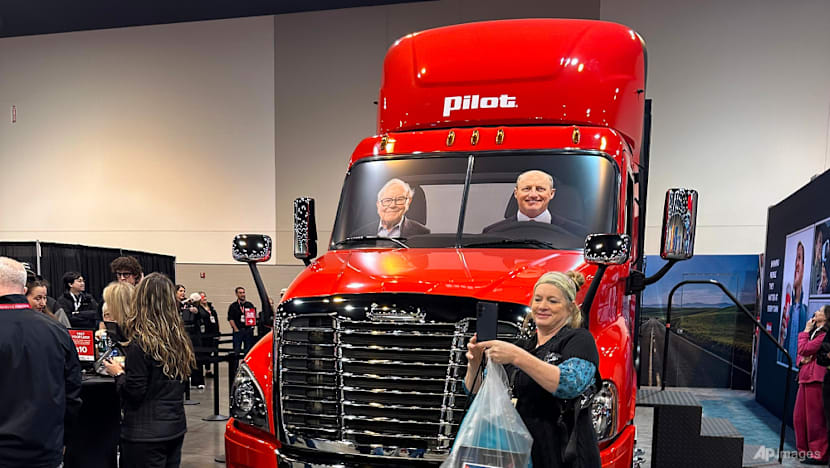
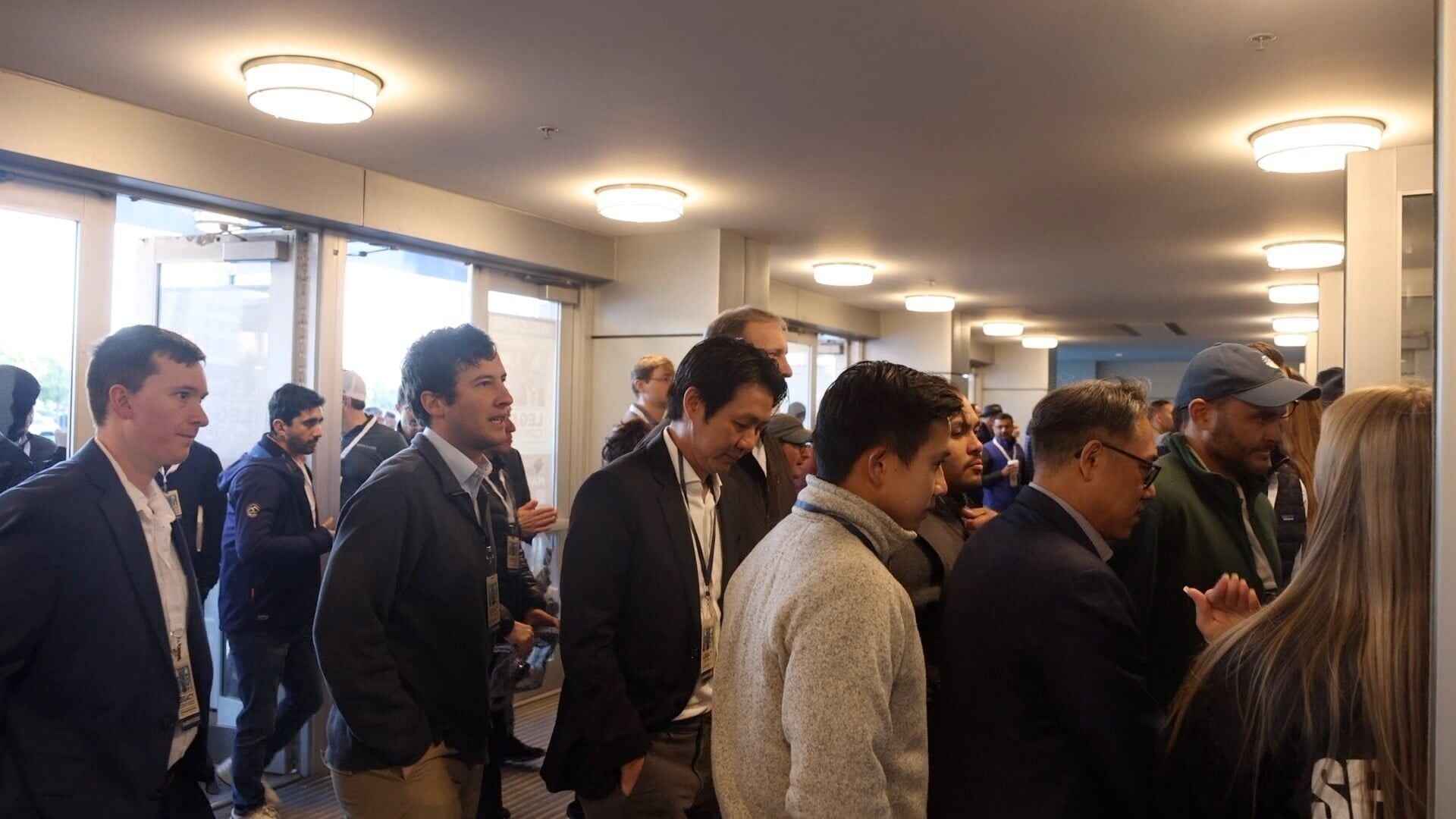
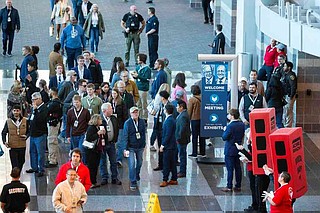
Merchandise sales data reveals critical brand transition risks for licensed product sellers. News reports indicate See's Candies left "hundreds of unsold commemorative chocolate boxes," Dairy Queen had "leftover ice cream bars," and Fechheimer Brothers retained "substantial inventory of branded apparel" at the 2025 meeting. Attendance dropped to approximately 12,000 of 18,000 seats (compared to Buffett's typical capacity crowds), with merchandise sales underperforming significantly. This 30-40% decline in branded merchandise sales signals that Berkshire's iconic brand appeal is heavily dependent on Buffett's personal charisma—a critical risk factor for sellers holding inventory of Berkshire-branded products or relying on shareholder event merchandise sales. The shift from "investment philosophy and life wisdom forum" to "operational excellence conference" (per shareholder feedback) indicates reduced consumer interest in Berkshire memorabilia and collectibles, suggesting sellers should diversify away from Buffett-era branded merchandise and pivot toward operational/technical product categories that align with Abel's management style.
Questions 8
How does the shareholder meeting attendance decline affect Berkshire's brand positioning in e-commerce and retail?
The 33% attendance decline (12,000 vs. 18,000 seats) and reduced merchandise sales indicate Berkshire's brand is transitioning from a consumer-facing, personality-driven brand to an institutional, operations-focused brand. This shift has direct implications for sellers in Berkshire's retail subsidiaries (See's Candies, Dairy Queen, Fechheimer Brothers) and e-commerce-adjacent businesses. The decline suggests consumer interest in Berkshire-branded products is declining, which may pressure retail subsidiary performance and reduce acquisition valuations. For sellers supplying these subsidiaries or competing in their categories, this represents an opportunity: reduced brand loyalty to Berkshire-owned brands may create market share opportunities for independent sellers. However, sellers should also prepare for potential cost-cutting initiatives at Berkshire retail subsidiaries as Abel pursues operational efficiency.
How will BNSF's fleet optimization strategy impact shipping costs for cross-border sellers?
BNSF is implementing "fleet optimization strategies and technology improvements to narrow profitability gaps with competitors like Union Pacific," indicating potential rate restructuring within 12-18 months. For sellers relying on BNSF for domestic-to-port logistics, expect either rate increases (if BNSF pursues margin expansion) or service consolidation (if pursuing efficiency). The railroad's focus on technology improvements suggests potential for sellers to access real-time tracking and automated logistics solutions, but likely at premium pricing. Sellers shipping high-volume, time-sensitive goods should negotiate multi-year contracts before Q3 2026 to lock in current rates before potential increases.