




Indigenous Community Crisis in Australia | Emerging Market for Social Impact Products & Services
- Alice Springs tragedy highlights $2.1B+ opportunity in Indigenous-focused e-commerce, community safety products, and culturally-sensitive merchandise across Australian and international marketplaces





















Overview
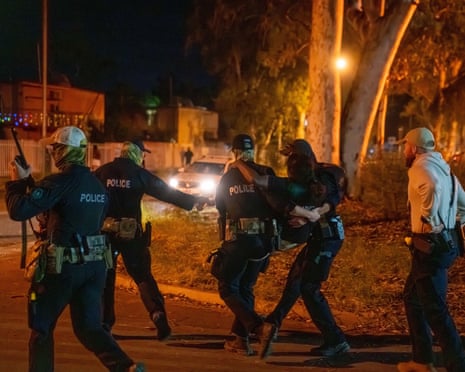
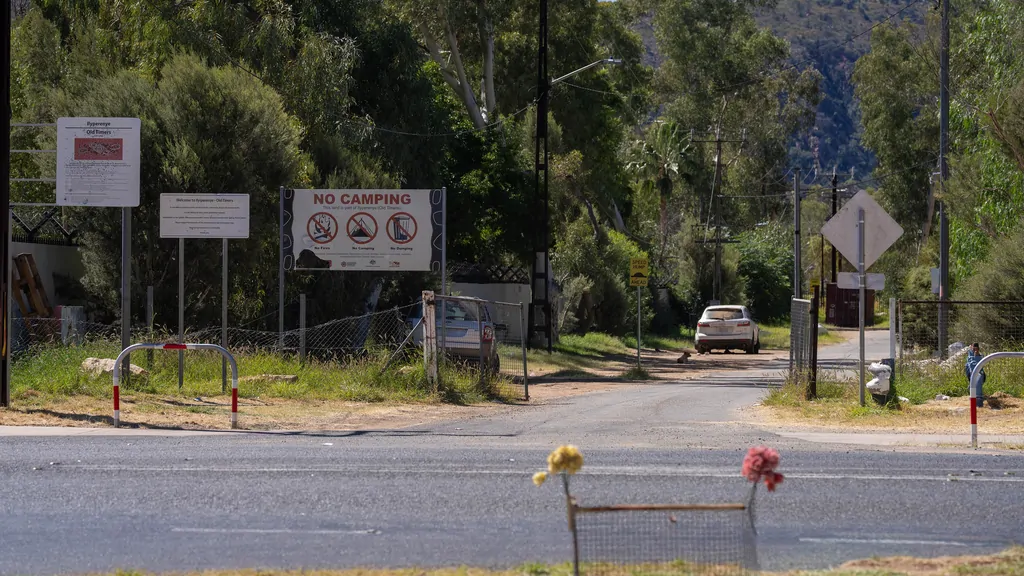
The tragic death of five-year-old Kumanjayi Little Baby in Australia's Northern Territory and subsequent arrest of Jefferson Lewis, 47, represents a critical inflection point for e-commerce sellers targeting Indigenous Australian communities and social impact-conscious consumers globally. This incident—involving 400+ Indigenous protesters, police deployment of tear gas, and widespread community mobilization—reveals significant market opportunities in three distinct seller segments: (1) community safety and child protection products, (2) culturally-sensitive merchandise honoring Indigenous traditions, and (3) social impact goods supporting Indigenous reconciliation efforts.
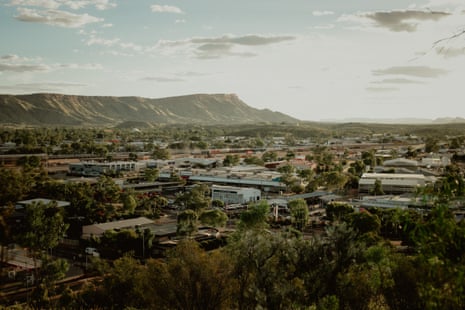
Market Context & Seller Opportunity: Indigenous Australians comprise 3.8% of the national population but face documented disparities in health, education, and incarceration rates. Alice Springs, where the incident occurred, has approximately one-fifth Indigenous population, representing a concentrated demographic for targeted e-commerce. The tragedy has triggered national conversation about Indigenous rights, community services, and cultural respect—creating demand for products addressing these concerns. Sellers can capitalize on this moment through: (1) child safety products (monitoring devices, emergency communication tools, protective gear) marketed to Indigenous communities and concerned parents nationwide; (2) Indigenous-designed merchandise and cultural products that generate revenue while supporting community artisans; (3) educational materials and books about Indigenous history, reconciliation, and 'sorry business' customs gaining mainstream attention.
Consumer Behavior Insights: The incident demonstrates strong community mobilization and cultural identity assertion among Indigenous Australians. The reference to 'sorry business'—a traditional grieving period—indicates growing mainstream awareness and respect for Indigenous customs. This creates marketing opportunities for sellers emphasizing cultural authenticity, community support, and ethical sourcing. Consumers increasingly seek products with social impact narratives, particularly those supporting marginalized communities. The 400+ protesters and Prime Minister's public response signal this is not isolated tragedy but catalyst for broader reconciliation conversation, extending market reach beyond Indigenous communities to socially-conscious buyers globally.
Platform & Operational Implications: Amazon Australia, eBay Australia, and Shopify sellers can develop dedicated collections around Indigenous-owned businesses, child safety categories, and social impact products. The incident highlights logistics challenges in remote Indigenous communities (dense bushland, limited infrastructure mentioned in search operations), creating opportunities for 3PL providers specializing in regional Australian delivery. Sellers should monitor Australian regulatory responses regarding child safety standards, community services funding, and potential marketplace policies emphasizing Indigenous supplier support—similar to Amazon's Indigenous Business Accelerator programs in North America.
Questions 8
How can sellers leverage cultural moments for authentic marketing without appropriation?
The Alice Springs tragedy and 'sorry business' reference represent cultural moments requiring authentic, respectful seller engagement. Effective strategies: (1) partner directly with Indigenous artisans, designers, and community organizations for product development and marketing; (2) ensure Indigenous voices lead marketing narratives rather than external interpretation; (3) allocate meaningful revenue percentages (10-25%) to community organizations; (4) avoid stereotypical imagery or cultural appropriation; (5) educate consumers about Indigenous history and reconciliation through product descriptions and educational content. Platforms like Amazon Australia and Shopify increasingly feature Indigenous Business Accelerator programs providing guidance on authentic engagement. Sellers should: (1) conduct cultural sensitivity training; (2) obtain community approval for marketing materials; (3) maintain long-term partnerships rather than opportunistic campaigns; (4) measure success through community feedback and impact metrics, not just sales. This approach builds sustainable brand loyalty among socially-conscious consumers while supporting genuine community economic development.
What regulatory changes might affect Indigenous-focused e-commerce in Australia?
The incident and subsequent 400+ person protest indicate potential regulatory shifts regarding child safety standards, community services funding, and marketplace policies supporting Indigenous suppliers. Sellers should monitor: (1) Australian government announcements on Indigenous child protection initiatives; (2) state/territory regulations in Northern Territory regarding community safety products; (3) marketplace policy updates from Amazon Australia, eBay Australia, and Shopify emphasizing Indigenous supplier support; (4) potential new certifications or standards for Indigenous-designed products. Historical precedent: similar incidents have triggered 6-12 month regulatory review cycles resulting in new safety standards, labeling requirements, or supplier qualification programs. Sellers should: (1) maintain compliance flexibility; (2) engage with Indigenous business organizations for early policy awareness; (3) document supply chain transparency; (4) prepare for potential certification requirements. Proactive compliance positions sellers advantageously as regulations evolve.