



Tech Workers Rise: How Unionization is Reshaping the Gaming Industry's Power Dynamics
- Collective action signals a transformative moment for worker agency in technology companies



.jpg?width=570&quality=85&format=jpg&dpr=3&auto=webp)
Overview
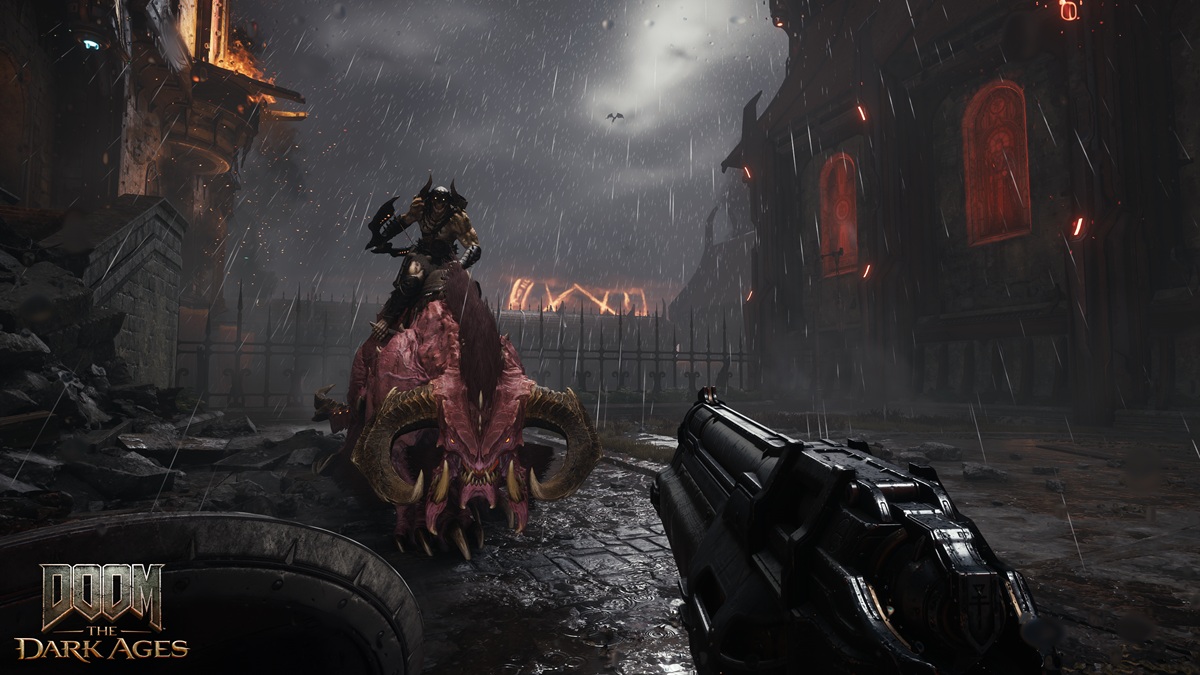
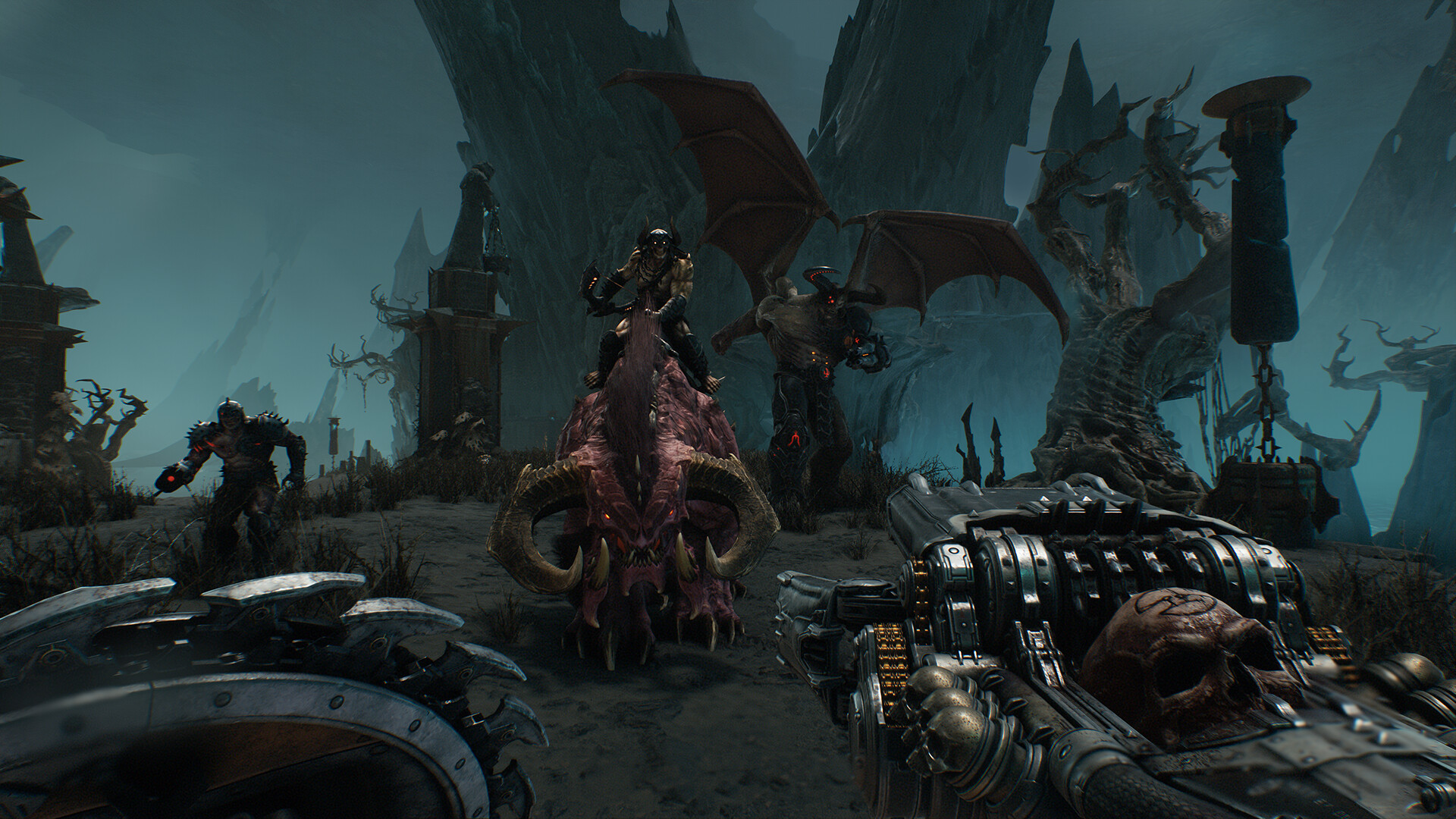
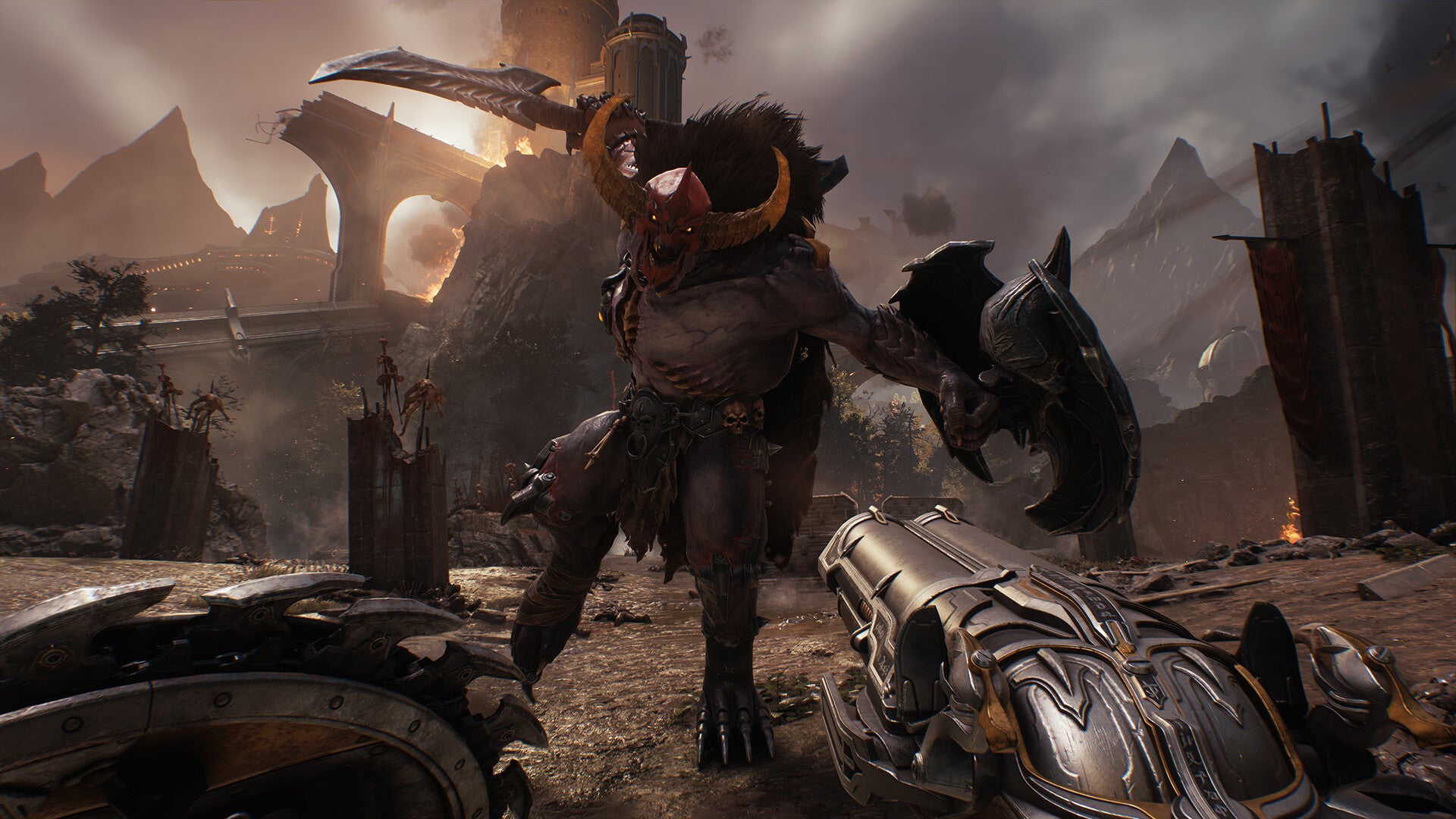
The gaming industry's labor landscape is undergoing a profound transformation, with id Software's wall-to-wall unionization representing a critical inflection point in tech worker empowerment. In a remarkable display of solidarity, 165 out of 185 employees have united under the Communication Workers of America (CWA), creating a comprehensive bargaining unit that spans all departments and challenges traditional corporate power structures.
This unionization emerges from a complex backdrop of industry instability and technological disruption. The workers' primary motivations extend beyond traditional labor concerns, focusing on strategic protections against generative AI implementation, potential studio closures, and the preservation of professional autonomy. By forming a comprehensive union, id Software employees are not merely seeking better working conditions but fundamentally redesigning the relationship between tech workers and corporate management.
The strategic significance lies in the union's nuanced approach to technological integration. Unlike simplistic anti-AI stances, these workers seek guardrails and responsible implementation of emerging technologies. Key negotiation targets include establishing fair remote work policies, securing benefits like childcare, and creating frameworks for AI adoption that prioritize worker expertise. This approach represents a sophisticated model of technological governance where workers become active participants in defining technological boundaries.
Microsoft's labor neutrality agreement with CWA has been instrumental in facilitating this shift, creating a precedent that extends beyond id Software. Since June 2022, multiple Microsoft-owned studios, including Bethesda Game Studios and ZeniMax Online Studios, have successfully unionized. This suggests a broader industry transformation where collective action is becoming a standard mechanism for addressing workplace concerns and influencing technological strategies.
The implications are profound: tech workers are no longer passive recipients of corporate decisions but active architects of their professional environments. By forming wall-to-wall unions that represent all departments, they're creating holistic negotiation platforms that can address complex, multifaceted workplace challenges. This movement signals a potential long-term restructuring of power dynamics in the technology sector, where worker agency and corporate strategy must increasingly align.
Questions 3
What broader trends does this unionization signal for the technology sector?
This represents a significant shift towards worker agency, where tech employees are becoming active participants in defining workplace strategies. Microsoft's labor neutrality agreements and successful unionizations across multiple studios suggest a transformative moment in how technology companies engage with their workforce.
How does this unionization impact generative AI adoption in tech companies?
The union doesn't oppose AI but seeks responsible implementation. By establishing negotiation frameworks, workers aim to ensure AI technologies are integrated thoughtfully, preserving human expertise and creating guardrails that protect worker interests while allowing technological innovation.