


Strait of Hormuz Blockade Disrupts Global Shipping | Sellers Face 15-25% Freight Cost Surge
- US naval blockade reduces monthly vessel traffic from 3,000 to handful daily; shipping reroutes add 25 days and double costs for cross-border sellers dependent on Middle East oil trade corridors
























)






)






Overview
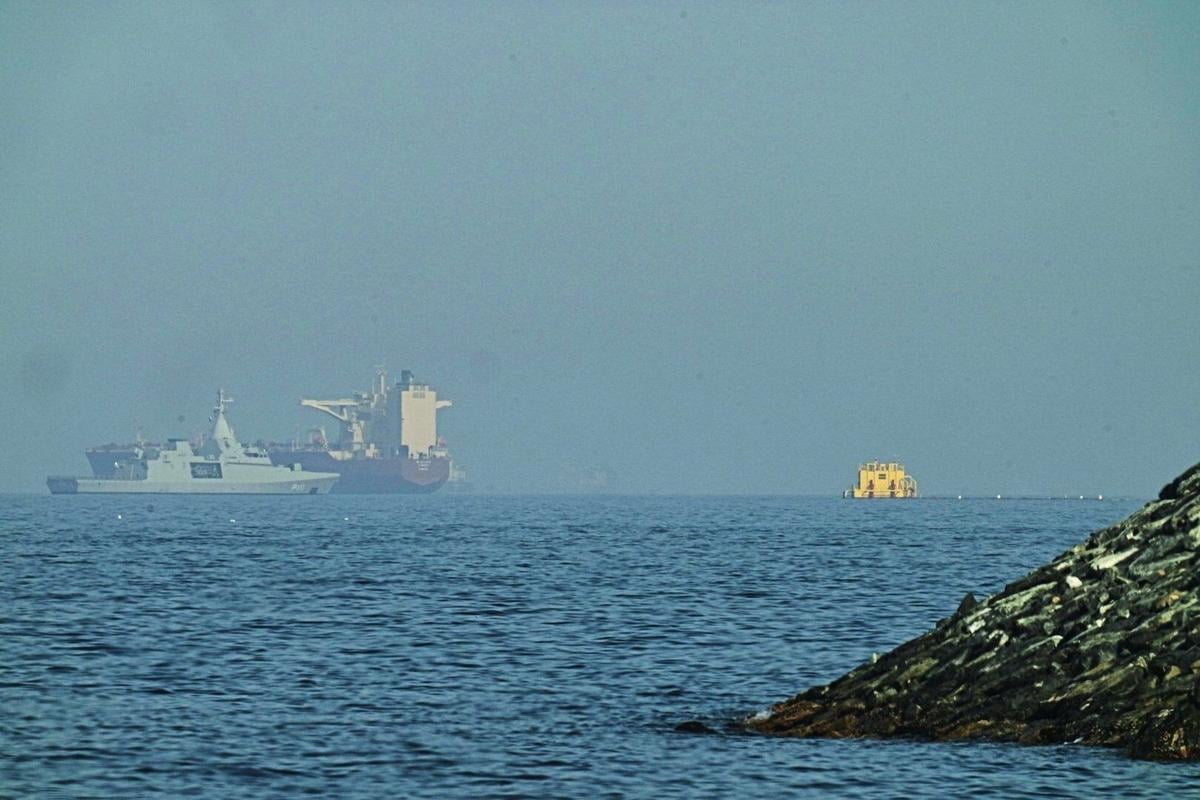
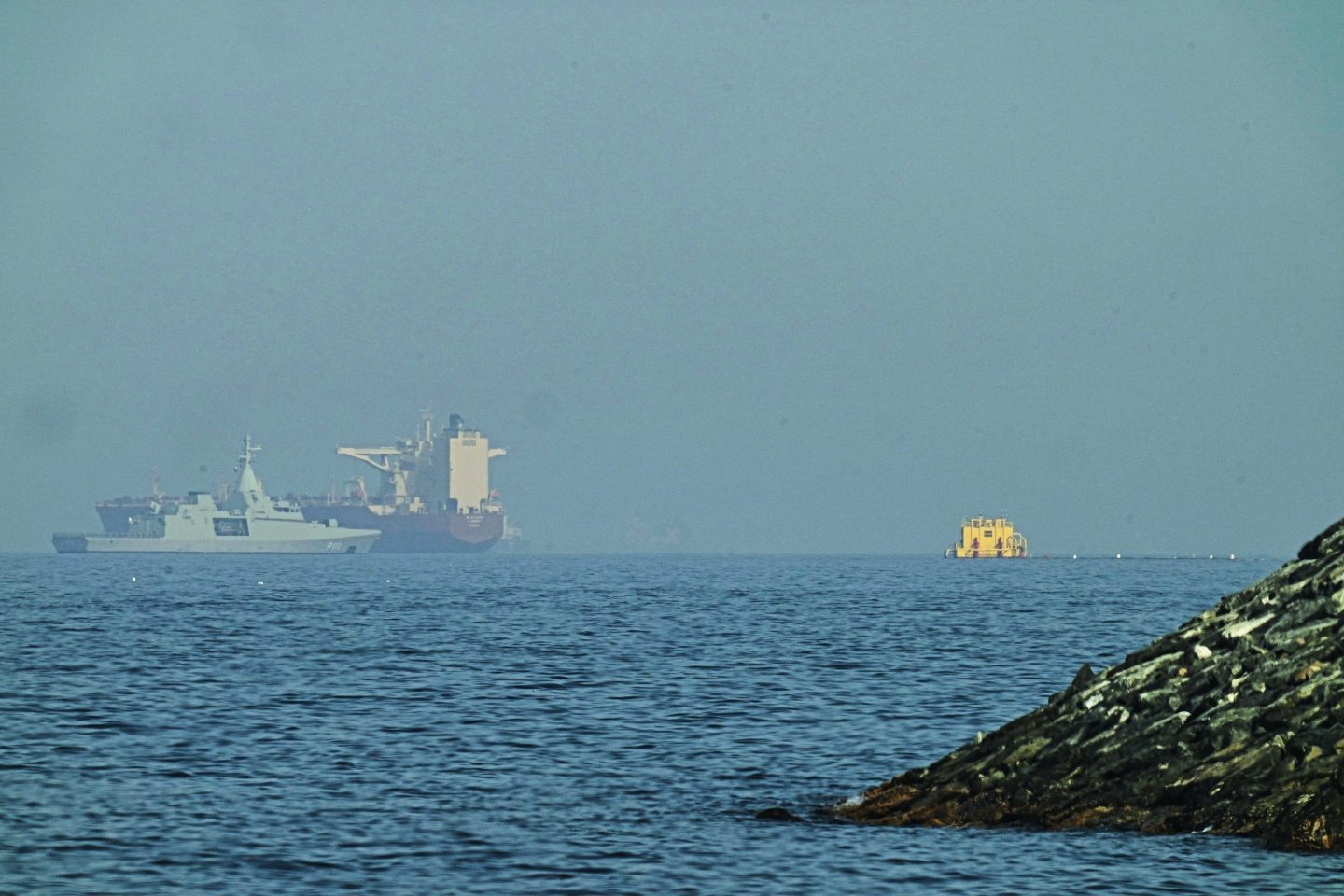
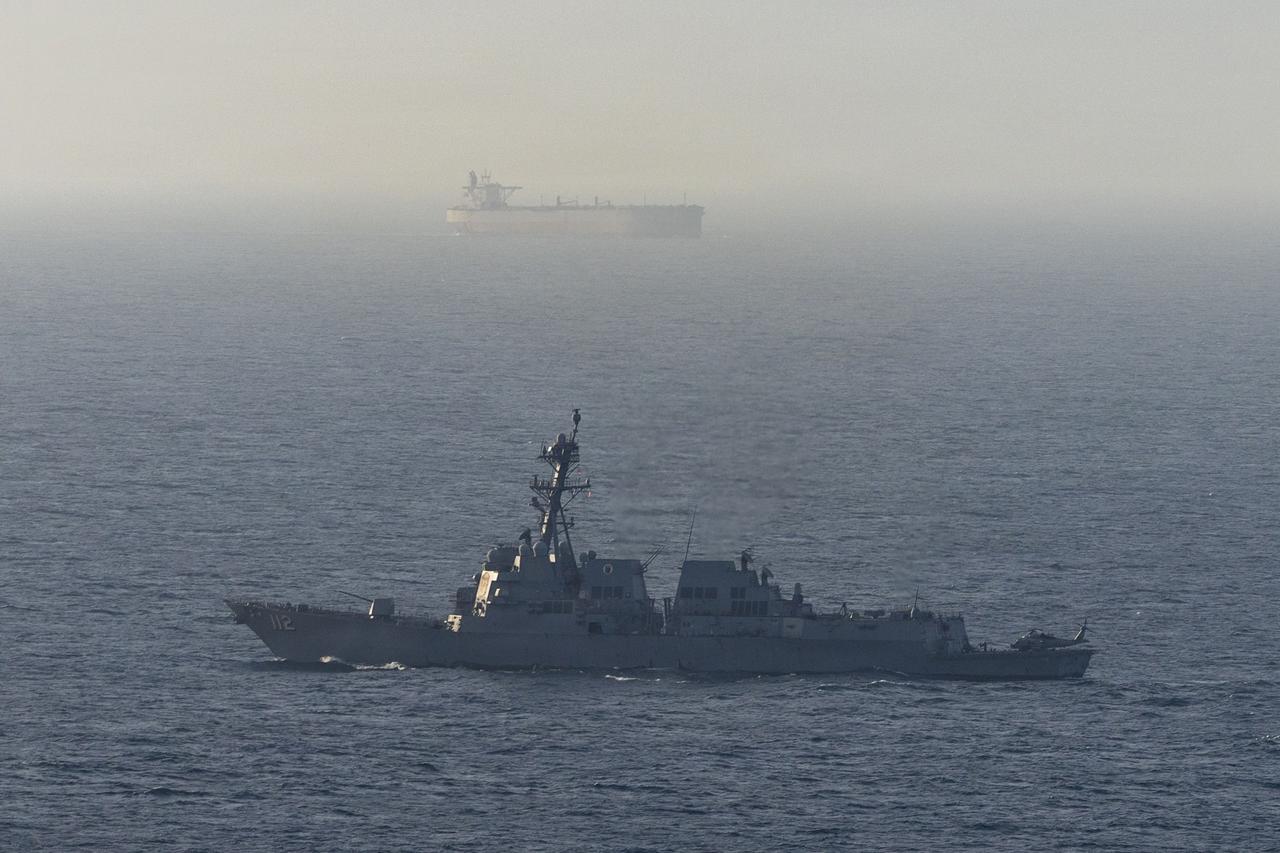
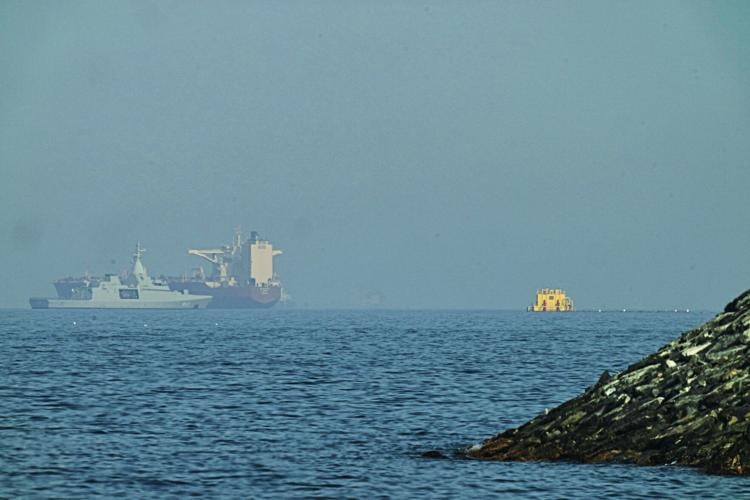
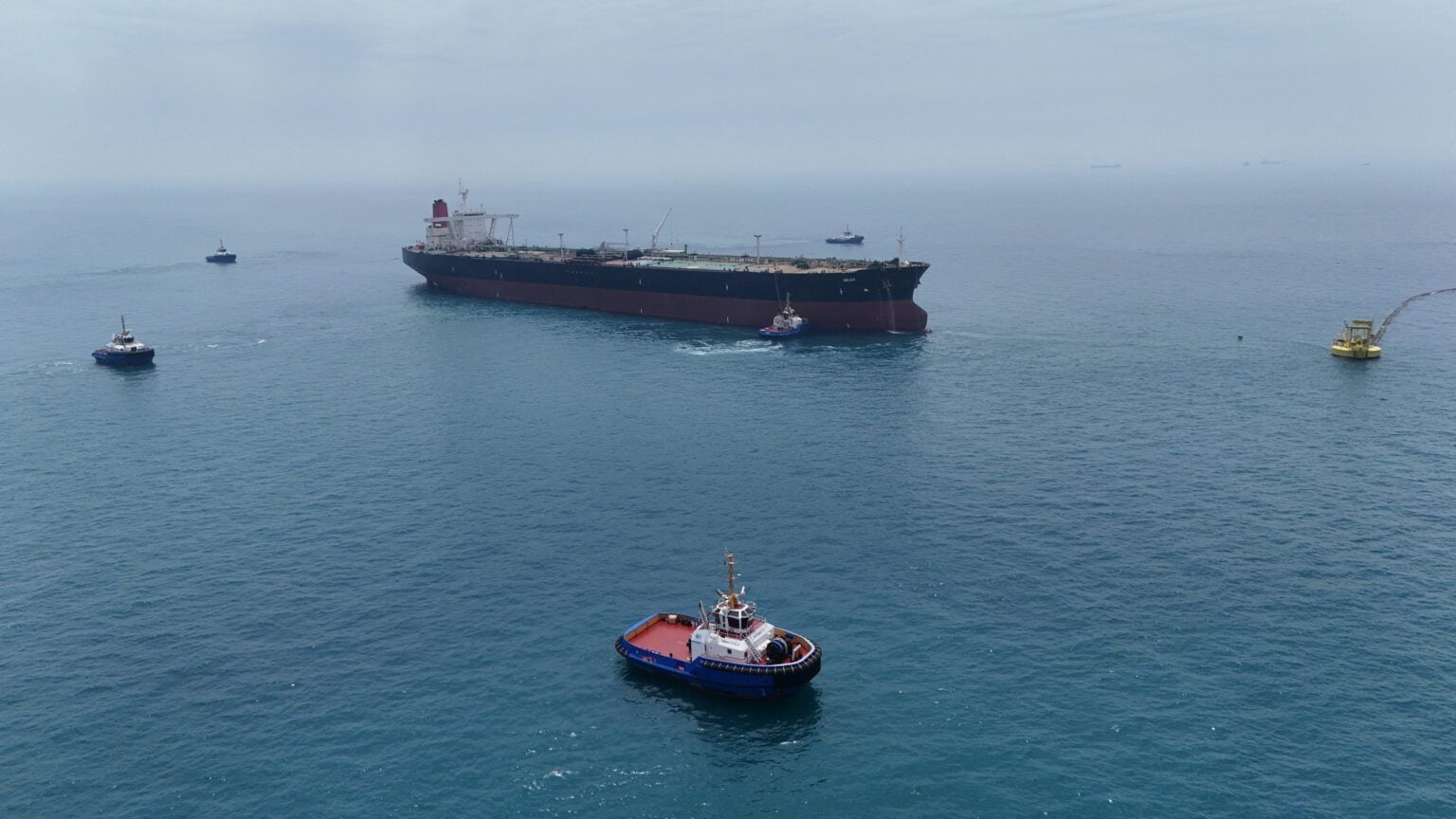
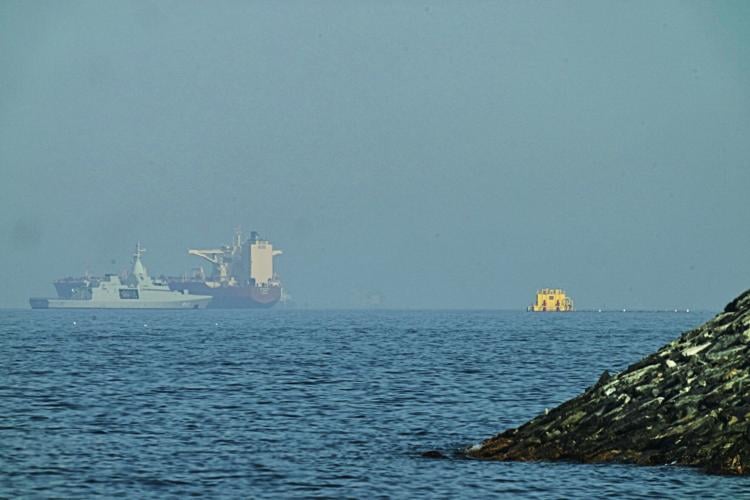
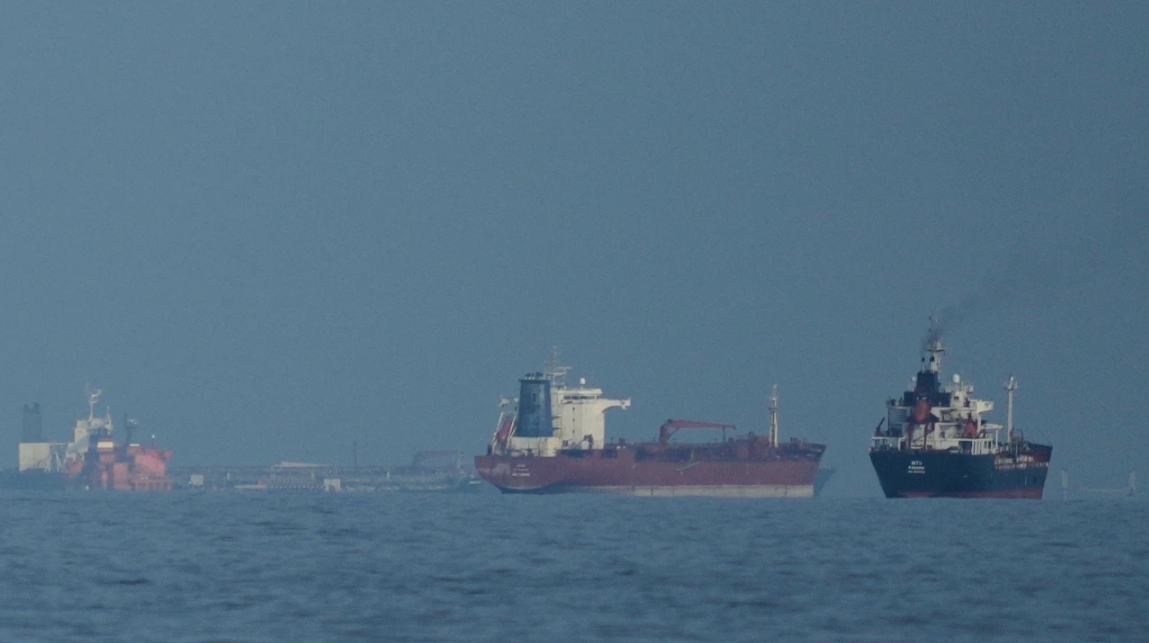
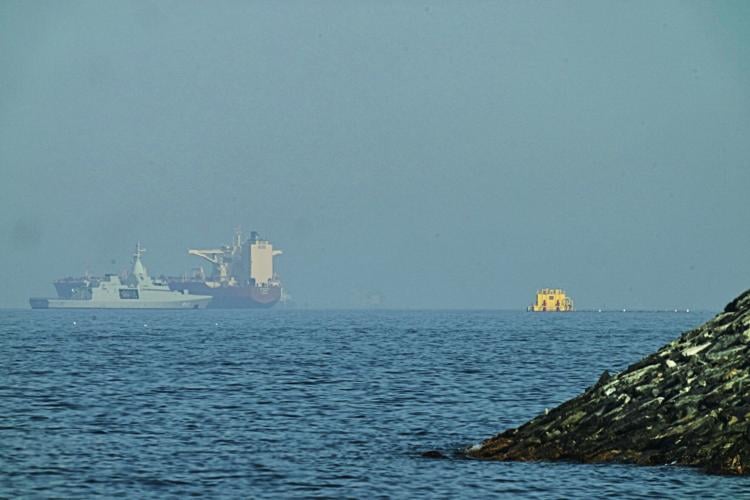
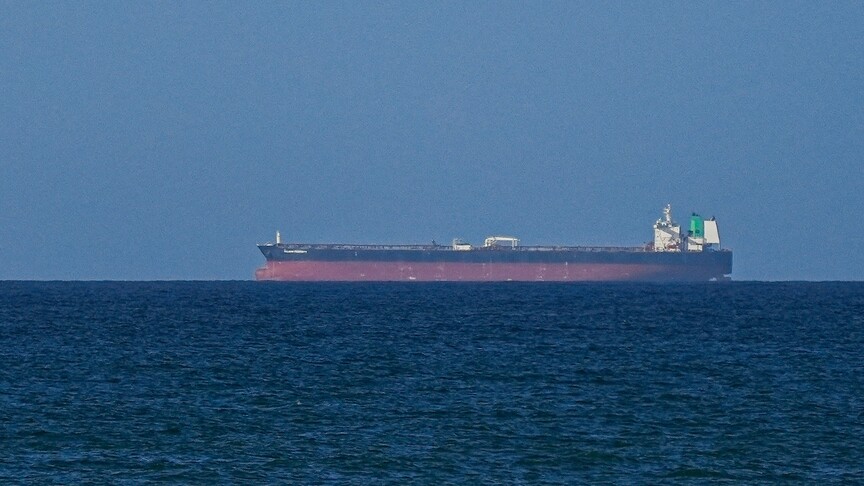
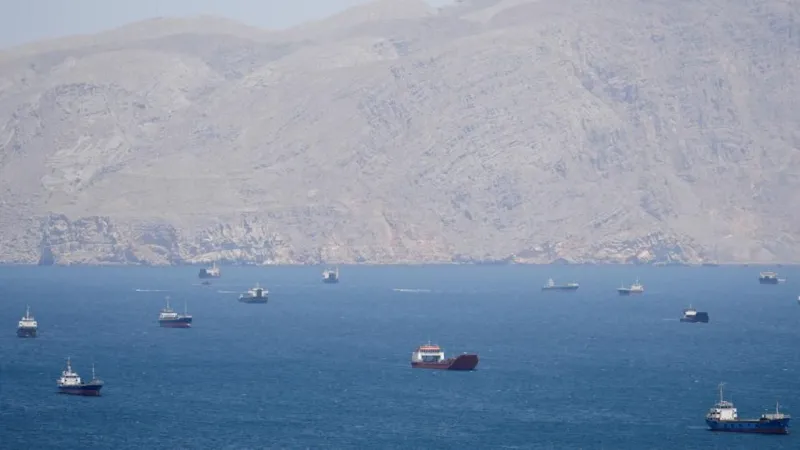
The Strait of Hormuz blockade, enforced since April 13, 2024, represents a critical supply chain disruption affecting cross-border e-commerce sellers globally. The US Office of Foreign Assets Control (OFAC) issued sanctions warnings threatening shipping companies with penalties for Iran toll payments, while monthly vessel traffic collapsed from approximately 3,000 ships to merely a handful daily. This 99%+ reduction in maritime passage through the world's most critical oil chokepoint—where one-fifth of global oil and natural gas trade typically flows—directly impacts freight costs for sellers shipping products dependent on fuel-price-sensitive logistics.
Immediate Freight Cost Impact: Sellers relying on ocean freight from Asia to Europe/Americas now face mandatory rerouting around South Africa's Cape of Good Hope, adding 25 additional days to transit times and doubling shipping costs. The UN refugee agency (UNHCR) documented this impact, reporting doubled aid delivery costs to Sudan due to the reroute. For sellers shipping 500+ containers monthly, this translates to $15,000-$40,000 additional monthly freight expenses. Electronics, apparel, and consumer goods categories—which represent 60%+ of cross-border e-commerce volume—face the most severe cost compression.
Sanctions Compliance Risk: OFAC's enforcement scope extends beyond direct cash payments to include digital assets, offsets, informal swaps, and payments at Iranian embassies. Non-US persons enabling sanctions violations face civil and criminal liability, creating operational risk for 3PL providers, freight forwarders, and logistics networks serving Middle East markets. Sellers using freight consolidators or 3PL partners must verify compliance certifications immediately, as liability cascades to US-based insurers and financial institutions.
Currency Collapse & Market Contraction: Iran's rial weakened to 1,840,000 per USD (from 1.3M in December), signaling economic deterioration that eliminates Iran as a viable e-commerce market. Factory closures and job losses following the Iranian new year indicate domestic purchasing power collapse. Sellers previously targeting Iranian consumers via Amazon Global, eBay International, or Shopify should reallocate inventory to higher-growth Middle East markets (UAE, Saudi Arabia, Kuwait) where oil revenues remain stable.
Strategic Sourcing Shift: The blockade creates arbitrage opportunities for sellers sourcing from Vietnam, India, and Indonesia instead of China. These alternative sourcing countries avoid Hormuz-dependent logistics, reducing freight cost volatility. Sellers can negotiate 8-12% margin improvements by shifting sourcing away from China-dependent supply chains that rely on Hormuz passage for component imports.
Questions 8
What sourcing countries offer the best alternative to China given Hormuz disruption?
Vietnam, India, and Indonesia offer optimal alternatives, avoiding Hormuz-dependent logistics while maintaining cost competitiveness. Vietnam excels in electronics, apparel, and footwear (representing 35% of cross-border e-commerce). India dominates textiles, pharmaceuticals, and specialty chemicals. Indonesia leads in consumer goods and home products. These countries enable 8-12% margin improvements through reduced freight volatility. Evaluate supplier capacity, quality certifications, and payment terms before shifting sourcing. Plan 60-90 days for supplier qualification and first shipment, so initiate sourcing changes immediately.
How do I verify my freight forwarder's OFAC compliance status?
Request written certification from your 3PL/freight forwarder confirming: (1) no transactions involving Iranian ports, (2) no payments to Iranian government entities or currency exchange houses, (3) current OFAC screening of all customers and vendors, and (4) compliance with sanctions on digital assets and informal payment methods. Cross-reference your forwarder against the OFAC Specially Designated Nationals (SDN) list at ofac.treasury.gov. Document all compliance confirmations for audit purposes. Non-compliance exposes you to civil penalties up to $250,000+ per violation.