





K-Shaped Consumer Spending Divergence | Critical Inventory Strategy Shift for E-Commerce Sellers 2025
- High-income households drive 7.6% spending growth vs. 1% for low-income; sellers must segment inventory by income bracket or face margin compression in mid-market categories






Overview
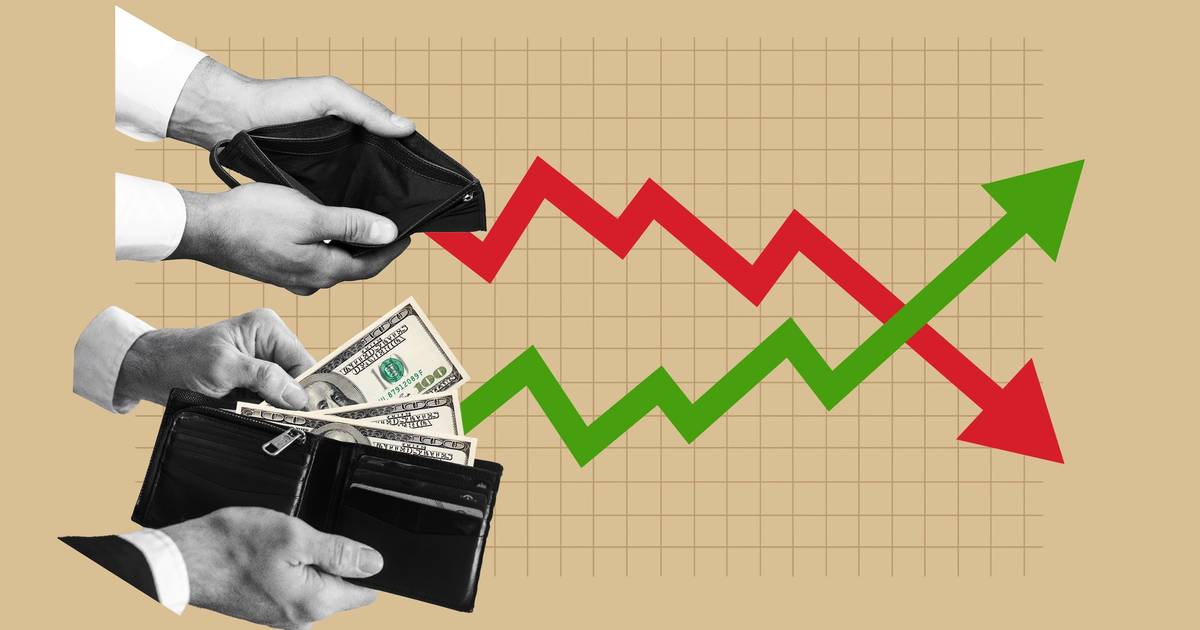
The Federal Reserve Bank of New York has confirmed that K-shaped consumer spending patterns—where high-income and low-income households diverge significantly in purchasing behavior—represent a structural economic reality persisting since 2023, not a temporary cyclical trend. This finding carries profound implications for cross-border e-commerce sellers targeting American consumers, requiring immediate inventory and positioning strategy adjustments.
The Income Divergence Reality: Since January 2023, real retail spending growth has split dramatically across income segments. High-income households earning over $125,000 annually achieved cumulative spending growth of 7.6%, middle-income households gained approximately 3%, while low-income households earning under $40,000 saw growth of just 1%. This concentration of consumer spending among wealthy households represents a critical market vulnerability for sellers relying on broad-based demand recovery. The top 1% of earners experienced real net worth increases exceeding 25% since 2023, driven largely by surging financial asset values (S&P 500 nearly doubled since early 2023), while the bottom 20% achieved only 13% growth. Meanwhile, lower-income households face disproportionate inflation impacts: beginning in late 2022, low-income households consistently experienced inflation rates above the national average. Gas prices exemplify this disparity—in March 2026, prices rose 18.9% year-over-year, with lower-income consumers allocating 3.5% of spending to gasoline compared to 1.9% for the highest-income decile.
Operational Impact for E-Commerce Sellers: The K-shaped pattern creates three distinct market segments with divergent dynamics. Premium/luxury sellers benefit from sustained demand from affluent consumers with robust discretionary spending on high-end goods, travel, and services. Value-focused sellers targeting budget-conscious markets face continued pressure but can optimize through cost efficiency and bulk purchasing strategies. Mid-market sellers face the greatest compression risk—traditional mid-range products experience margin pressure and declining market share as consumers increasingly polarize toward either high-end or value-oriented purchases. The New York Fed explicitly warns that "the substantial role played by financial assets raises questions regarding the potential vulnerability of retail spending to a financial market correction," creating significant downside risk for sellers dependent on wealthy consumers' discretionary spending. Recent data shows real spending has turned negative across all income groups in recent months, even as the income-based gap persists, indicating the economy remains in a holding pattern with all income groups spending less and experiencing increased financial pressure.
Strategic Implications: Sellers cannot rely on broad economic recovery to boost sales across all segments. Instead, successful sellers must clearly identify their target income bracket and tailor offerings accordingly. Premium sellers should emphasize quality, exclusivity, and brand positioning to capture wealthy consumers' sustained spending. Value-focused sellers must optimize inventory for cost efficiency, bulk purchasing, and essential product categories. The trend suggests growing opportunities in both luxury e-commerce and discount retail segments, while traditional mid-range products face structural headwinds. Sellers developing 2025 inventory and marketing strategies must account for this persistent income-based divergence and the vulnerability of current growth drivers to stock market corrections.
Questions 8
How long will the K-shaped economy persist, and when should sellers expect change?
The New York Federal Reserve confirms that K-shaped spending patterns have persisted since 2023 and represent a **structural rather than cyclical economic pattern**, not a temporary trend. The research shows this divergence has remained consistent for over two years, indicating it will likely continue absent policy intervention. The Federal Reserve notes that 'the structural economic divide shows no signs of narrowing without policy intervention addressing wage growth, asset accessibility, or inflation mitigation for lower-income households.' Sellers should plan 2025 inventory and marketing strategies assuming K-shaped patterns will persist. The primary variable is timing of potential stock market corrections, which could accelerate changes in wealthy consumers' spending behavior.
What percentage of spending growth comes from high-income versus low-income households?
Since January 2023, the spending growth divergence is stark: high-income households earning over $125,000 annually achieved cumulative spending growth of 7.6%, middle-income households gained approximately 3%, while low-income households earning under $40,000 saw growth of just over 1%. This means approximately 76% of spending growth comes from the top income segment, while the bottom segment contributes only 1%. For sellers, this concentration creates both opportunity and risk—opportunity to capture high-value customers, but risk if that segment's spending declines due to market corrections. The middle-income segment's 3% growth is insufficient to sustain traditional mid-market sellers.