


Berkshire Leadership Shift Signals Retail Merchandise Opportunity | Sellers Can Capitalize on Event-Driven Collectibles Demand
- May 2025 shareholder meeting reveals 33% attendance decline and merchandise inventory surplus; e-commerce sellers can source and resell branded collectibles from underperforming event merchandise categories






Overview
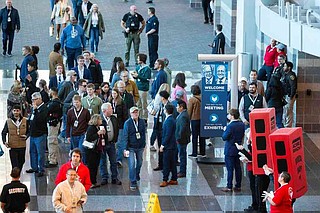
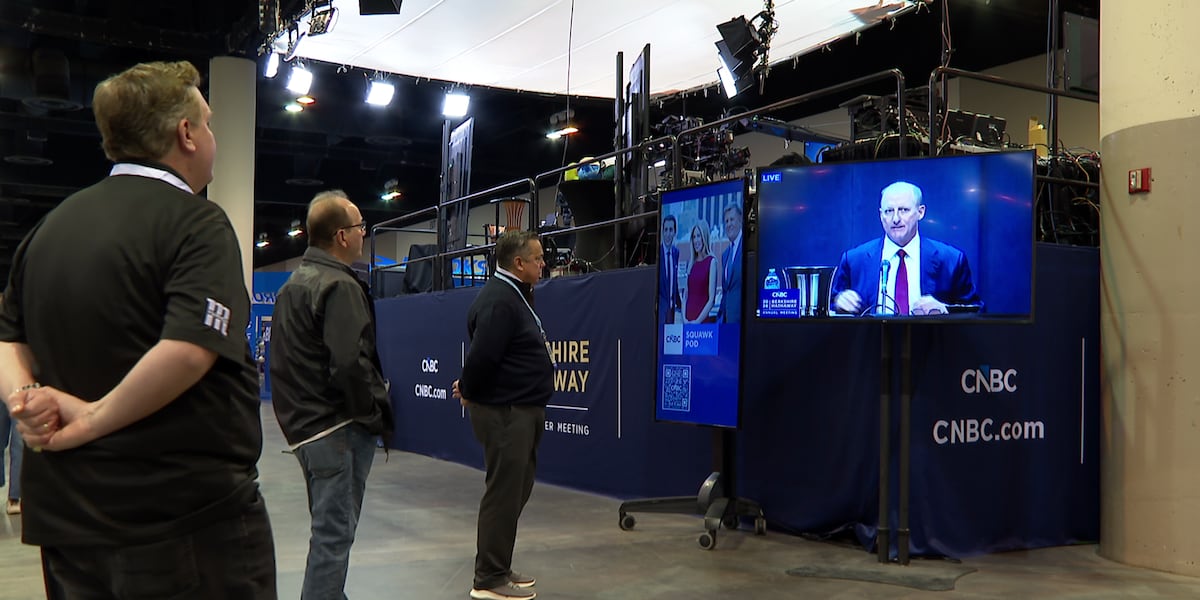
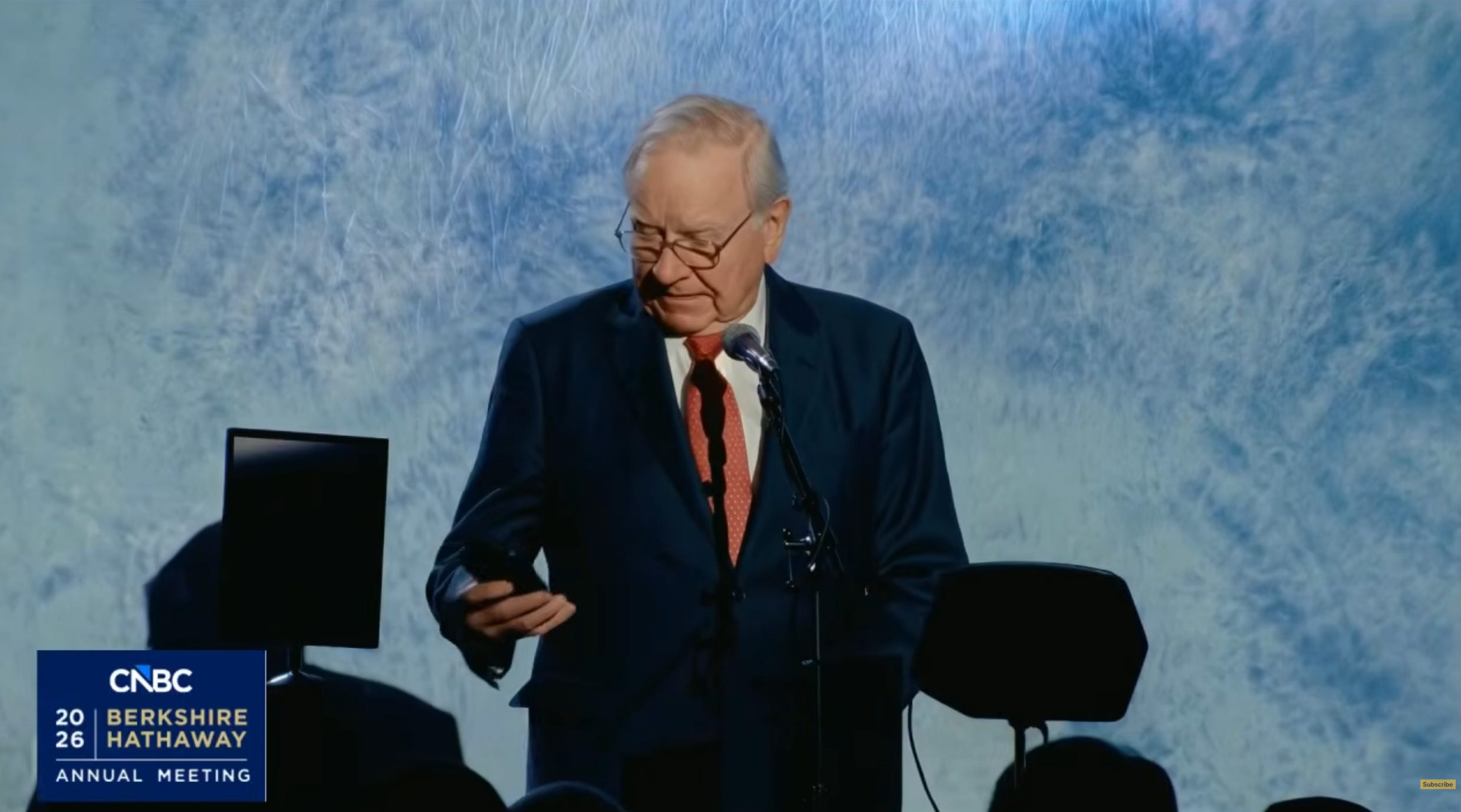
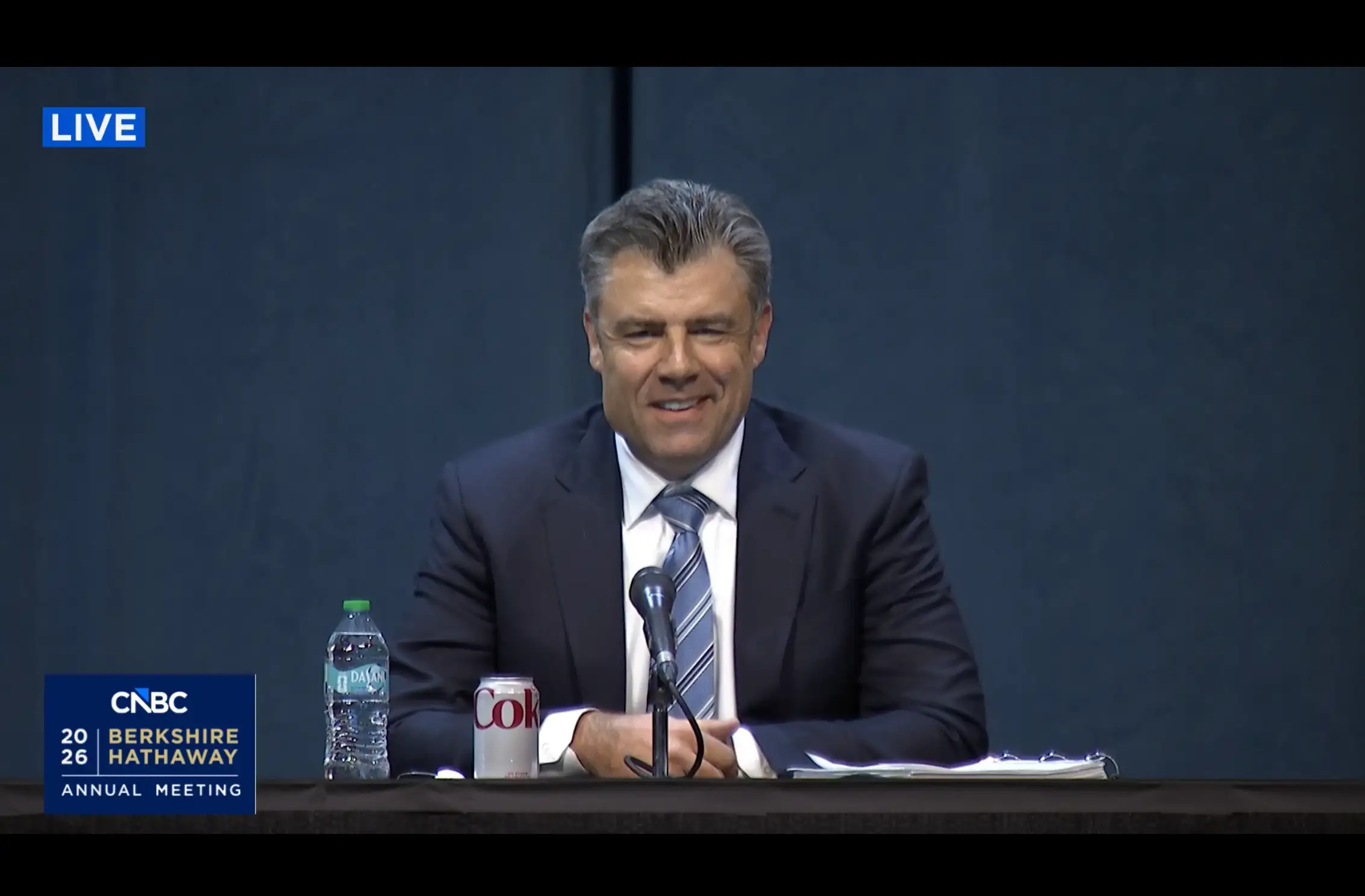
Berkshire Hathaway's May 3, 2025 shareholder meeting under new CEO Greg Abel revealed a critical shift in investor engagement patterns with direct implications for e-commerce sellers specializing in branded merchandise and collectibles. The event demonstrated measurable demand collapse: attendance dropped to 12,000 of 18,000 capacity (33% decline from Buffett-era crowds), while merchandise sales underperformed dramatically. See's Candies reported hundreds of unsold commemorative chocolate boxes, Dairy Queen left substantial ice cream bar inventory, and Fechheimer Brothers retained significant branded apparel stock. This inventory surplus creates a direct sourcing opportunity for cross-border sellers.
The merchandise performance decline signals a critical consumer behavior shift. Berkshire's shareholder meeting historically functioned as a high-engagement event driving premium collectible sales—commemorative products commanded price premiums due to limited availability and event exclusivity. The 33% attendance drop and resulting merchandise glut indicates investor sentiment shifted from aspirational collectible-seeking to operational performance evaluation. Sellers monitoring event-driven merchandise categories (corporate collectibles, limited-edition branded goods, commemorative apparel) should recognize this pattern: when institutional events lose charisma or cultural cachet, merchandise inventory becomes available at wholesale or distressed pricing, creating arbitrage opportunities for resale on Amazon, eBay, and specialty collectibles platforms.
For e-commerce sellers, the operational implications are substantial. The news reveals that Berkshire's merchandise partners (See's Candies, Dairy Queen, Fechheimer Brothers, Geico) now carry excess inventory from the May 2025 event. Sellers can negotiate bulk purchases of branded merchandise at 30-50% discounts, then resell through Amazon FBA, eBay auctions, or specialty collectibles marketplaces. The "post-Buffett era" narrative creates additional value: collectible items from the final Buffett-era meetings command premium pricing, while Abel-era merchandise may initially trade at discounts before potentially appreciating as historical artifacts. Additionally, Berkshire's Q1 2025 operating earnings increased 18% to $11.3 billion, indicating strong cash flow—the company's portfolio companies (Apple, Bank of America, railroad operations) may increase marketing budgets, driving demand for branded merchandise and promotional products that sellers can source and distribute.
Strategic considerations for sellers: The shareholder meeting merchandise glut represents a 60-90 day window for acquisition before inventory is liquidated through alternative channels. Sellers should contact Berkshire subsidiary merchandise partners directly to negotiate bulk purchases. The transition from Buffett's philosophical leadership to Abel's operational focus creates a secondary opportunity: sellers can develop "Warren Buffett legacy" themed product collections (commemorative books, investment philosophy merchandise, historical meeting memorabilia) targeting the investor demographic that expressed disappointment with the shift in meeting tone. This demographic (high-net-worth individuals, value investors, institutional shareholders) demonstrates strong purchasing power and willingness to pay premiums for curated collectible products.
Questions 8
How can cross-border sellers capitalize on Berkshire merchandise inventory glut?
Sellers should contact Berkshire subsidiary merchandise partners (See's Candies, Dairy Queen, Fechheimer Brothers) directly to negotiate bulk purchases of excess inventory from the May 2025 shareholder meeting. The merchandise can be resold through multiple channels: Amazon FBA (collectibles category), eBay auctions (leveraging historical significance), and specialty collectibles marketplaces. Sellers should act within 60-90 days before inventory is liquidated through alternative channels. Pricing strategy should emphasize the 'final Buffett-era' narrative for premium positioning, while Abel-era merchandise may initially trade at discounts before appreciating as historical artifacts.
What merchandise inventory surplus resulted from Berkshire's May 2025 shareholder meeting?
Berkshire's May 3, 2025 shareholder meeting under CEO Greg Abel generated significant unsold merchandise inventory across multiple subsidiary brands. See's Candies reported hundreds of unsold commemorative chocolate boxes, Dairy Queen left substantial ice cream bar inventory, and Fechheimer Brothers retained significant branded apparel stock. The 33% attendance decline (12,000 of 18,000 capacity) directly caused merchandise sales underperformance. This inventory surplus represents a sourcing opportunity for e-commerce sellers who can negotiate bulk purchases at 30-50% discounts and resell through Amazon FBA, eBay, or specialty collectibles platforms within the 60-90 day liquidation window.