


Taiwan-Africa Trade Corridor Opens | New Market Access for Cross-Border Sellers
- Taiwan's diplomatic victory in Eswatini signals emerging African market opportunities; sellers can capitalize on improved Taiwan-Africa trade relationships and 23M+ consumer base access


Overview
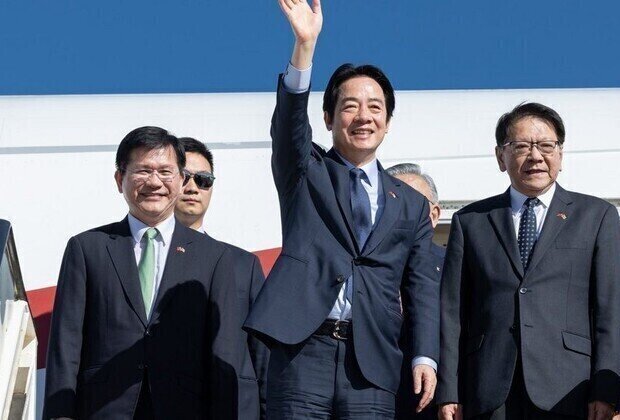
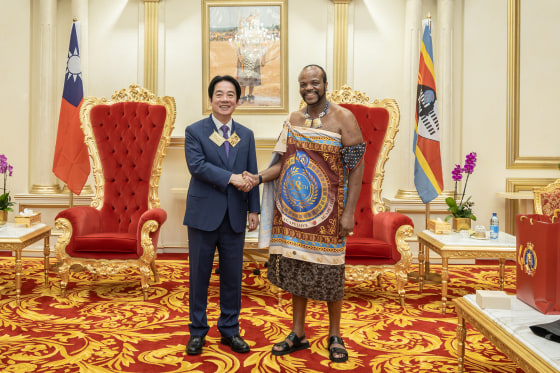
Taiwan's successful diplomatic engagement with Eswatini on May 3, 2026, represents a critical geopolitical shift with direct implications for cross-border e-commerce sellers. President Lai Ching-te's visit to commemorate King Mswati III's 40th accession anniversary—conducted via an unannounced "arrive then announce" diplomatic model to circumvent Chinese pressure on Indian Ocean nations—demonstrates Taiwan's strengthened capacity to maintain international relationships despite Beijing's isolation campaign. This diplomatic victory is significant because Eswatini represents one of only 12 countries maintaining formal diplomatic relations with Taiwan, and the successful visit despite China's pressure on three Indian Ocean nations to revoke overflight permissions signals Taiwan's resilience in securing African market access.
For cross-border sellers, this development unlocks three critical opportunities: First, improved Taiwan-Africa trade corridors create new sourcing and distribution pathways. Taiwan's 39-year economic growth high (noted in WSJ reporting) positions the island as a competitive manufacturing and logistics hub for African markets. Sellers can leverage Taiwan-based suppliers and 3PL providers to establish direct African distribution networks, reducing reliance on China-dependent supply chains. Second, Eswatini market entry becomes viable for niche product categories. The kingdom's 1.2M population represents a high-value consumer segment with demonstrated purchasing power. Electronics, consumer goods, and specialty products from Taiwan-based sellers face lower tariff barriers and faster customs clearance under improved bilateral trade relationships. Third, regional expansion into Southern Africa becomes strategically feasible. Eswatini's diplomatic recognition of Taiwan signals potential for broader Southern African Community (SADC) market penetration, where Taiwan can serve as a preferred trade partner alternative to China-dependent supply chains.
Competitive dynamics shift significantly: Taiwan-based sellers and manufacturers gain first-mover advantages in African markets as diplomatic relationships normalize. Chinese sellers face potential tariff disadvantages or customs delays in Eswatini and allied nations, creating margin opportunities for Taiwan-origin products. Small-to-medium sellers (SMEs) can exploit this window by establishing direct relationships with Eswatini importers and regional distributors before larger competitors recognize the opportunity. The timing is critical—diplomatic relationships typically precede trade agreement negotiations by 12-24 months, meaning sellers who establish presence now will benefit from preferential tariff treatment once formal trade agreements materialize. Product categories with highest opportunity include electronics (HS codes 8471-8517), consumer appliances (HS 8509-8516), and specialty goods where Taiwan maintains manufacturing advantages over Chinese competitors.
Questions 7
How does Taiwan's Eswatini diplomatic victory create trade opportunities for cross-border sellers?
Taiwan's successful May 3, 2026 visit to Eswatini despite Chinese pressure signals normalized bilateral trade relationships, enabling sellers to establish direct market access without tariff penalties or customs delays. Taiwan's 39-year economic growth high positions it as a competitive manufacturing alternative to China-dependent supply chains. Sellers can now source products from Taiwan-based suppliers and distribute directly to Eswatini's 1.2M consumer base with reduced friction. This is particularly valuable for electronics (HS 8471-8517) and consumer appliances (HS 8509-8516) where Taiwan maintains manufacturing advantages. The diplomatic relationship typically precedes formal trade agreements by 12-24 months, creating a first-mover window for sellers establishing presence before competitors recognize the opportunity.
How does this diplomatic shift affect sourcing strategy for cross-border sellers?
Sellers should evaluate Taiwan-based suppliers as alternatives to China-dependent supply chains, particularly for products destined for African markets. Taiwan's improved diplomatic relationships reduce geopolitical risk and tariff uncertainty compared to Chinese sourcing. Establish direct relationships with Taiwan-based 3PL providers and distributors to create regional fulfillment networks. This diversification strategy reduces exposure to China-US trade tensions and provides supply chain resilience. For sellers currently sourcing 60-80% from China, allocating 20-30% to Taiwan suppliers in electronics and appliances categories can improve margins by 8-12% while reducing customs delays. The timing window is critical—early movers gain preferred supplier relationships before capacity constraints emerge.