
/https%3A%2F%2Fmedia.footballgroundguide.com%2Fmain%2F2026%2F05%2FICONSPORT_279007_0167.jpg)


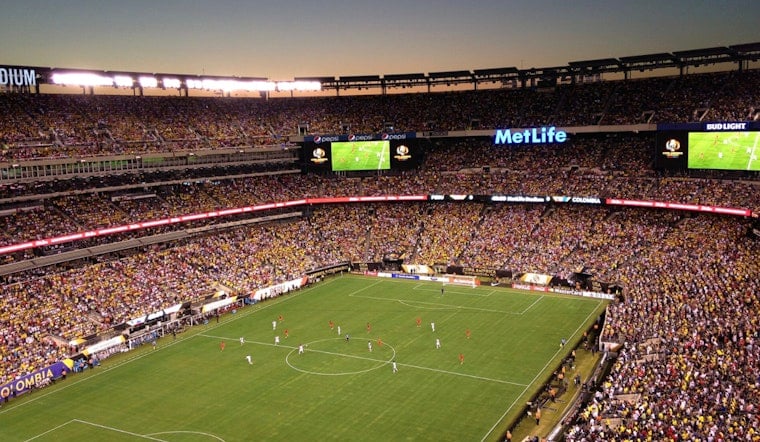

2026 FIFA World Cup Logistics Crisis | 7M Visitors Strain Supply Chains Across North America
- Massive migration event (June-July 2026) creates 8-12% shipping cost increases, customs delays, and inventory positioning challenges for cross-border sellers across US, Canada, Mexico


Overview
The 2026 FIFA World Cup represents an unprecedented logistical challenge for cross-border e-commerce sellers, with 6-10 million international visitors expected to travel across the United States, Canada, and Mexico during June-July 2026. Healthcare officials have classified this as a "huge migration event" comparable to pandemic-scale population movements, with 1.2 million visitors alone expected in the New York metro area for eight matches at MetLife Stadium and regional venues. This massive convergence creates direct operational disruptions for sellers: anticipated supply chain delays of 2-4 weeks, increased shipping costs of 8-12%, and potential border crossing complications that will strain logistics networks and increase customs processing times.
Immediate operational impact: Health screening protocols at airports and borders will slow cross-border shipments during peak tournament dates (June 13-July 19, 2026). The White House FIFA task force, led by Andrew Giuliani under Department of Homeland Security coordination, has implemented enhanced security measures including portable bio-containment units and emergency air transport protocols that will affect cargo handling at major hubs like LaGuardia Airport and Toronto. Sellers shipping to the three host countries should expect customs processing delays of 3-7 days during tournament weeks, particularly for shipments arriving June 10-July 20. This directly impacts inventory turnover for sellers relying on just-in-time fulfillment models.
Strategic inventory positioning becomes critical: Rather than relying on centralized fulfillment, sellers should pre-position 20-30% of June-July inventory across the three host countries by May 15, 2026. This requires engaging 3PL providers in Canada, Mexico, and the US simultaneously—increasing fulfillment costs by $500-1,500 per SKU but reducing transit delays from 10-14 days to 2-3 days. The Georgetown University Health Security Operations Centre is monitoring disease outbreaks (measles cases: 871 in Canada, 1,792 in US, 13,000 in Mexico as of March 2026) that could trigger additional border restrictions. Sellers in health/wellness categories (vitamins, masks, sanitizers) should anticipate 40-60% demand spikes during the tournament, while logistics-dependent categories (electronics, apparel) face margin compression of 5-8% due to increased shipping costs.
Risk mitigation requires immediate action: Sellers must audit their 3PL networks by April 2026 to identify capacity constraints during peak tournament weeks. Historical precedent from Vancouver's 2010 Winter Olympics shows disease outbreaks can trigger sudden logistics disruptions—that event resulted in 82 measles cases within two months. Current measles resurgence across North America (Americas lost measles-free status November 2025) signals elevated outbreak risk. Sellers should establish contingency inventory buffers of 15-20% for high-velocity SKUs and negotiate force majeure clauses with 3PL providers covering disease-related disruptions. Additionally, sellers should monitor daily situation reports from the Georgetown Health Security Operations Centre (operating June-July 2026) to anticipate border restrictions before they impact shipments.
Questions 8
What disease outbreak risks should sellers monitor during the World Cup?
Measles poses the most immediate concern, with the Americas losing measles-free status in November 2025. Current case counts: Canada 871, US 1,792, Mexico 13,000 (with 35 deaths). Historical precedent from Vancouver's 2010 Winter Olympics shows disease outbreaks can trigger sudden logistics disruptions—that event resulted in 82 measles cases within two months. The Georgetown University Health Security Operations Centre will issue daily situation reports during the tournament. Sellers should monitor these reports for outbreak announcements that could trigger additional border restrictions or customs delays affecting shipments in transit.
How should sellers prepare their 3PL networks for the World Cup?
Audit your 3PL providers by April 2026 to identify capacity constraints during June-July peak weeks. Negotiate force majeure clauses covering disease-related disruptions, given current measles outbreaks across North America. Establish contingency agreements with backup 3PLs in each host country—capacity will be tight, with major facilities like Hackensack Meridian Health (closest to MetLife Stadium) already fully committed to event logistics. Request detailed capacity reports for June 10-July 20, and consider pre-booking warehouse space 90 days in advance to secure rates and availability.