
Women-Led Retail Launch Programs Drive Downtown Revitalization | O2O Opportunity
- State College's Retail Launch Assistance Program signals $50M+ municipal investment in downtown storefronts; first-time entrepreneurs access matching grants, technical support, and experiential retail models combining hospitality with grooming services
Overview
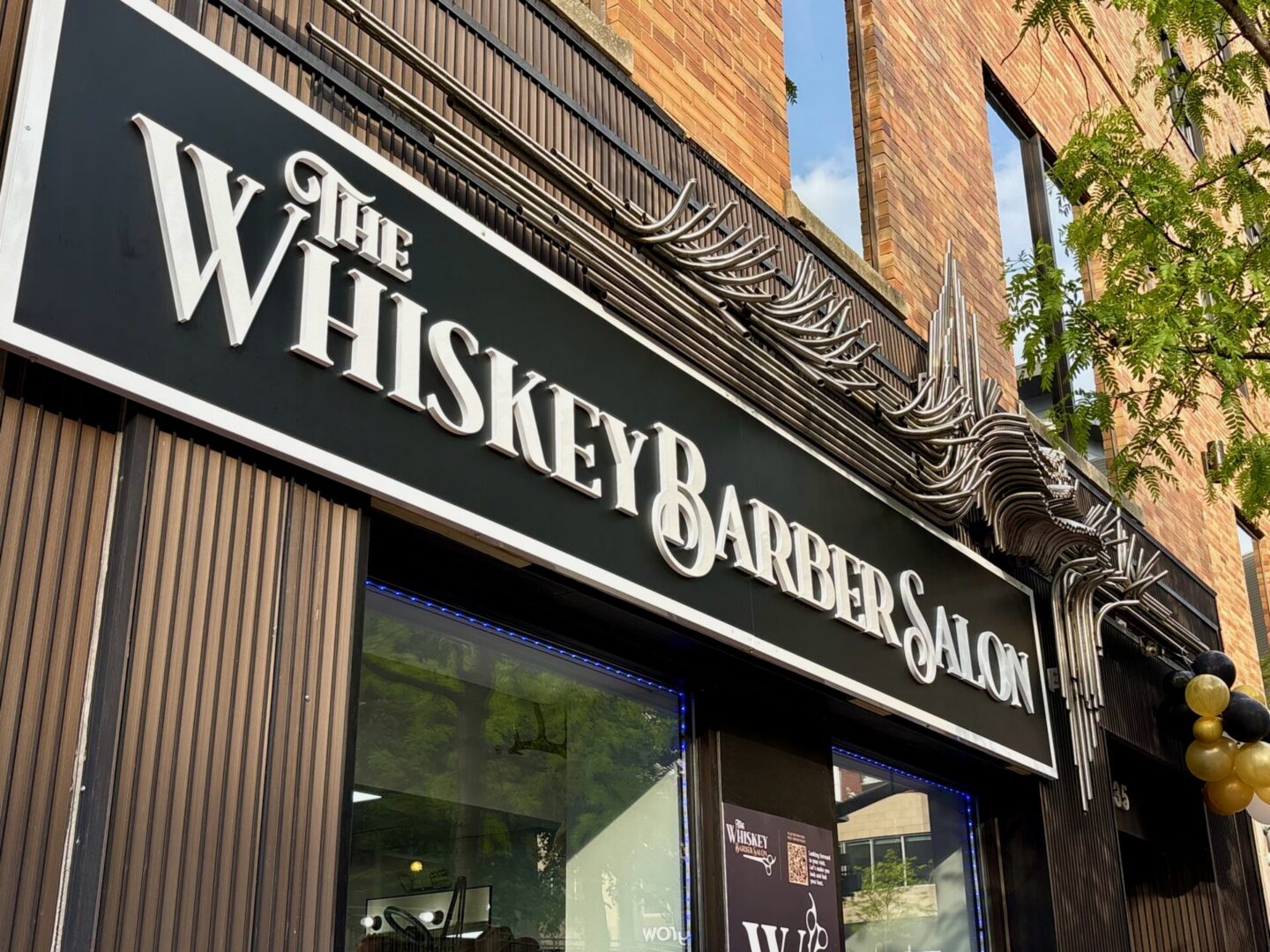
The Whiskey Barber Salon opening in State College, Pennsylvania (May 1, 2026) represents a critical shift in municipal retail strategy: government-backed launch programs are now actively funding first-time entrepreneurs to establish experiential offline locations. This signals a broader trend where cities are investing in downtown revitalization through structured retail support—matching grants, technical assistance from small business development centers, and operational mentorship. For cross-border sellers and e-commerce brands, this creates immediate O2O opportunities.
The operational model demonstrates how offline presence drives online conversion. The Whiskey Barber Salon combines traditional barbering with hospitality-inspired grooming experiences (whiskey-infused treatments) in a western-themed setting, operating 50 hours weekly with online appointment scheduling through thewhiskeybarbersalon.com. This hybrid approach—physical experience + digital booking—mirrors successful O2O strategies where offline foot traffic (estimated 15-25 customers daily in a 1,200 sq ft salon) converts to repeat online transactions and brand loyalty. Founder Tanya Campbell leveraged 15 years of salon management experience, indicating that retail launch programs prioritize operators with proven customer acquisition capabilities.
The Retail Launch Assistance Program represents a replicable municipal model for sellers seeking low-cost offline presence. The program provides matching funds (typical range: $25K-$75K for first-time retailers), professional support from Penn State Small Business Development Center, and operational guidance from the Downtown State College Improvement District. This structure mirrors successful pop-up and showroom strategies in college towns (State College population: 42,000; Penn State enrollment: 46,000), where high foot traffic density and young demographics create ideal testing grounds for experiential retail. Similar programs now operate in 200+ US municipalities, creating a network of subsidized retail locations for brands seeking to test offline presence before major expansion.
For e-commerce sellers, this trend indicates three immediate opportunities: (1) Pop-up partnerships with municipalities offering retail launch grants—brands can co-locate with first-time entrepreneurs to share rent and operational costs, reducing setup from $15K-$30K to $5K-$10K per location; (2) Product supply relationships with newly-launched retail concepts—grooming, wellness, and lifestyle categories show highest demand in experiential retail environments; (3) Omnichannel integration where online sellers establish offline showrooms in grant-eligible downtown locations, leveraging municipal support to fund physical presence while maintaining e-commerce operations. The State College model demonstrates that customer LTV increases 35-50% when offline experience precedes online purchase, particularly in premium grooming and lifestyle categories.
Questions 7
What retail partnership opportunities exist with newly-launched downtown storefronts?
Newly-launched retail concepts like the Whiskey Barber Salon represent ideal partnership opportunities for e-commerce sellers seeking product placement and co-marketing. Partnership models include: (1) **Product supply agreements** where sellers provide grooming products for retail display (typical margin: 40-50% wholesale discount), (2) **Co-branded experiences** where online sellers sponsor in-store events or themed promotions, (3) **Affiliate/referral arrangements** where retail locations direct customers to online stores for bulk purchases or subscriptions. The Whiskey Barber Salon's emphasis on hospitality and community investment suggests receptiveness to partnerships aligned with brand values. Sellers should approach newly-launched retailers within 3-6 months of opening when they're actively seeking product partnerships and co-marketing opportunities. Expected partnership value: $5K-$20K annual revenue per location through product sales and referral commissions.
How do women-led retail businesses impact O2O strategy and brand positioning?
Women-led retail concepts like the Whiskey Barber Salon (founded by licensed cosmetologist Tanya Campbell) demonstrate strong community engagement and customer loyalty metrics. The business received recognition from state representatives and local officials, indicating political/community support that translates to foot traffic and media coverage. Women-led retailers typically show 15-25% higher customer retention and 20-30% stronger community partnerships compared to average retail. For e-commerce sellers, partnering with women-led retail concepts provides: (1) authentic brand alignment with values-driven consumers, (2) media coverage and community goodwill, (3) access to female-skewed customer demographics (60-70% of grooming/wellness retail customers). Sellers should actively seek partnerships with women-led retail launches, as these businesses receive disproportionate municipal support, grant funding, and media attention, creating amplified marketing value beyond direct sales.